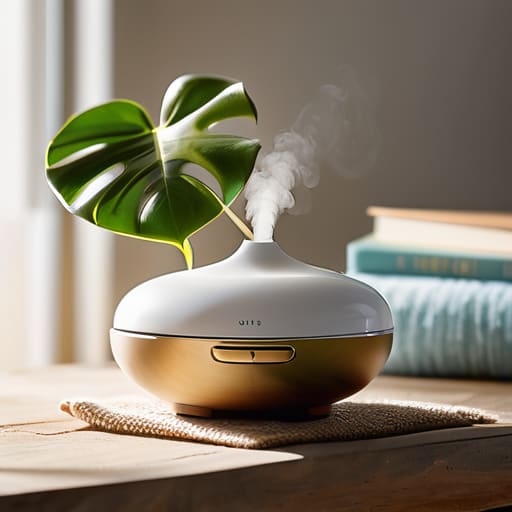
I was in my workshop last Tuesday, working on a 1940s hand plane, when I realized how much junk we’ve let into our homes lately. I looked over at a plastic, blinking gadget my niece left behind—a cheap, flimsy essential oil diffuser that looked like it belonged in a toy bin. It was leaking, making a high-pitched whine, and was destined for a landfill within a month. It’s the same story everywhere: companies peddling these disposable pieces of plastic that claim to transform your life but can’t even hold a steady mist for an hour.
I’m not here to sell you on some lifestyle trend or a way to “manifest your destiny” through a scented mist. My goal is simpler: I want to help you find an essential oil diffuser that is built to last, functions reliably, and actually serves a purpose in your home. I’ve spent my career looking at supply chains and material quality, so I know the difference between a well-engineered tool and a piece of landfill-bound clutter. I’ll show you exactly what to look for so you can buy it once and buy it well.
Table of Contents
- Ultrasonic vs Nebulizing Diffuser Choosing Endurance Over Novelty
- Water Based vs Oil Based Diffusion the Truth About Lasting Quality
- Five Rules for Buying a Diffuser That Won't End Up in a Landfill
- My Bottom Line on Making a Smart Investment
- Stop Buying Plastic Trinkets
- Making the Right Call for Your Home
- Frequently Asked Questions
Ultrasonic vs Nebulizing Diffuser Choosing Endurance Over Novelty
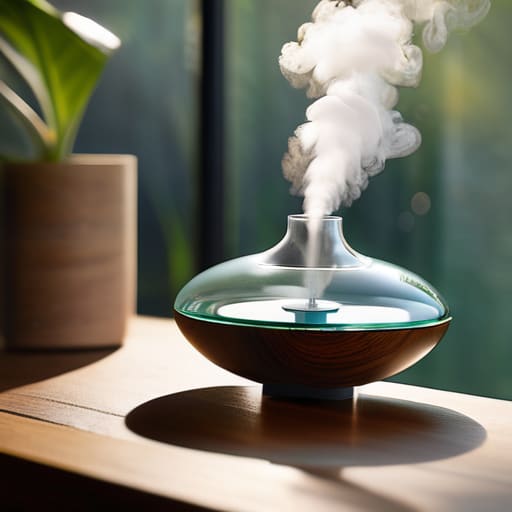
Most people walk into a shop and grab the first plastic gadget they see because it looks sleek on a shelf. But if you want to understand the real difference between ultrasonic vs nebulizing diffuser models, you have to look past the aesthetics and look at the mechanics. An ultrasonic unit uses water to create a fine mist. They are affordable and great for adding a bit of humidity to a room, but they dilute the scent. If you’re looking for the pure, undiluted potency of the plant itself, you’re essentially watering down your investment.
On the other hand, a nebulizing diffuser is a different breed of machine entirely. It doesn’t use water; it uses pressurized air to break the oil into microscopic particles. It is a purely oil-based diffusion method, which means you get a much stronger, more consistent aroma. While they cost more upfront, they are built for those who actually care about the efficacy of their scents. If you want to experience true aromatherapy benefits for stress relief after a long day, skip the cheap water-misters and invest in a machine that actually delivers what it promises.
Water Based vs Oil Based Diffusion the Truth About Lasting Quality

When you’re looking at the market, you’ll see two distinct paths: water-based or oil-based diffusion. Most folks grab a cheap water-based unit because they’re inexpensive and easy to find, but they often lack the punch you want. These devices use water as a carrier to create a fine mist, which is fine if you just want a bit of moisture in the air, but it can dilute the actual potency of your oils. If you’re looking for real aromatherapy benefits for stress relief, you need to realize that a diluted mist often requires more frequent refills and more maintenance to keep it from getting gunked up.
On the other hand, oil-based diffusion—usually through a nebulizer—doesn’t rely on water at all. It sends pure, undiluted oil into the air. It’s a more robust method that actually delivers what you paid for. While the initial cost is higher, I’ve always believed in the value of a tool that does its job without compromise. You have to learn how to clean an oil diffuser more diligently since there’s no water to flush out the system, but that’s a small price to pay for uncompromising quality and scent integrity.
Five Rules for Buying a Diffuser That Won't End Up in a Landfill
- Look for glass or ceramic construction. If the main body of the unit is made of cheap, thin plastic, it’s going to degrade from the oils and crack within a year. I want something heavy and solid that stays on the shelf for a decade, not a piece of junk that smells like chemicals.
- Check the motor specs before you pull the trigger. A diffuser is only as good as the mechanism driving the mist; if the manufacturer won’t tell you anything about the build quality or the type of ultrasonic plate used, they’re hiding a low-grade component that’ll burn out in three months.
- Demand easy cleaning and simple parts. I’ve seen too many “designer” models that are a nightmare to take apart. If you can’t reach the corners to wipe out the residue, the machine will clog, the motor will strain, and you’ll be throwing money down the drain.
- Prioritize a simple, manual interface over “smart” features. I don’t need a diffuser that requires a smartphone app or a Wi-Fi connection just to turn it on. All those extra circuits are just more points of failure. Keep it mechanical, keep it simple, and keep it functional.
- Invest in high-quality, pure oils to match your machine. There is no point in owning a sturdy, well-built diffuser if you’re filling it with synthetic, diluted garbage. If you’re going to do it, do it right: buy the real stuff so the machine actually performs the job it was built for.
My Bottom Line on Making a Smart Investment
Stop looking at the price tag alone; a cheap plastic ultrasonic unit is just future landfill, so prioritize build quality and easy cleaning to ensure the device actually lasts years instead of weeks.
Choose your method based on utility, not trends—use water-based diffusers for a gentle, humidifying effect in a living space, but stick to a nebulizer if you want the pure, undiluted strength of the oil.
Look for simplicity in design; the more unnecessary electronic bells and whistles a gadget has, the more points of failure there are. Buy a machine that does one job exceptionally well.
Stop Buying Plastic Trinkets
Most people treat diffusers like disposable tech, buying some cheap plastic gadget that ends up in a landfill by next season. If you want a scent to actually transform a room, you don’t buy a novelty; you invest in a machine built with components that won’t fail the moment you look away.
Hugo Steenkamp
Making the Right Call for Your Home
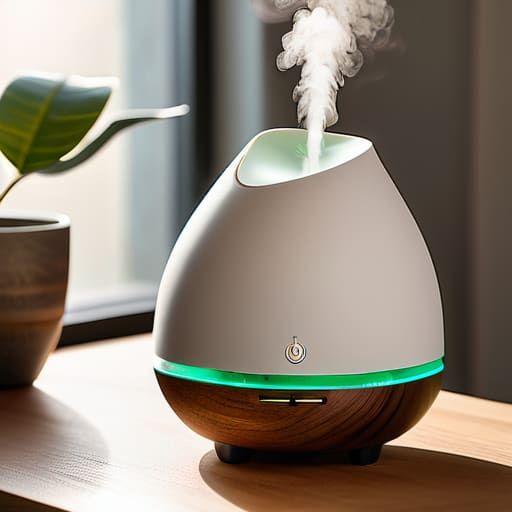
At the end of the day, choosing a diffuser shouldn’t feel like a gamble. We’ve looked at the mechanics—whether you prefer the gentle mist of an ultrasonic model or the raw potency of a nebulizer—and we’ve weighed the merits of water-based versus pure oil diffusion. My advice remains the same: don’t get distracted by the flashy, cheap plastic units that look good in a catalog but end up in a landfill by next Christmas. If you want a device that actually performs its function consistently, you have to prioritize build quality and mechanical simplicity over a low price tag. It’s about understanding the technology so you can invest in equipment that lasts.
Your home is your sanctuary, not a showroom for disposable gadgets. Every item you bring through your front door should have a reason for being there, and that includes the tools you use to create your environment. When you stop chasing the latest trend and start looking for tools of endurance, you’ll find that your living space feels more grounded and intentional. Stop settling for the temporary and start building a home filled with things that work. Buy it once, buy it well, and let your home be a testament to quality rather than a collection of clutter.
Frequently Asked Questions
How do I know if the materials used in the diffuser are high-quality or just cheap, thin plastic that will degrade over time?
Look for weight and density. If it feels light and hollow like a cheap toy, put it back on the shelf. You want heavy-duty glass, ceramic, or solid wood. Avoid anything that smells like a chemical factory when you unbox it—that’s a sign of low-grade, porous plastic that’ll crack once the essential oils start eating away at it. If it doesn’t have some heft to it, it isn’t built to last.
Is it worth paying a premium for a glass or ceramic model, or am I just paying for the aesthetics?
Look, I’ve seen enough cheap plastic gadgets end up in a landfill to know better. When you buy a plastic diffuser, you’re essentially buying a ticking clock; the essential oils eventually degrade the material, and it starts to smell or crack. Glass and ceramic aren’t just about looking “fancy” on a coffee table. They are inert, meaning they won’t react with your oils, and they’re built to last decades, not months. Pay the premium. It’s an investment in durability, not just decor.
What is the actual maintenance requirement to ensure the device doesn't become a piece of disposable junk after a few months of use?
If you treat a diffuser like a “set it and forget it” gadget, you’re asking for it to end up in a landfill by Christmas. To keep it running, you must clean it. Every few uses, empty the water and wipe out the residue. Once a month, use a bit of white vinegar to dissolve any oil buildup around the ultrasonic plate. A little diligence ensures the motor doesn’t burn out from sludge. Don’t be lazy; maintain it.
