I’ve spent thirty years in logistics, so I know exactly what happens when a system is built on flimsy, low-quality parts: it eventually fails. We see the same mistake happening in our homes every single holiday season. People spend a fortune on plastic gadgets and cheap trinkets that end up in a landfill before the year is out. It’s a waste of hard-earned money and a waste of space. If you want to actually honor someone, stop looking for more clutter to add to their shelves and start looking for experience gift ideas that actually carry some weight. A gift shouldn’t just be a transaction; it should be an investment in a moment that doesn’t break when you unpack it.
In this post, I’m going to cut through the noise and give you five practical ways to gift something that truly lasts. I’ve narrowed this down to five specific categories of meaningful experiences that offer real value and won’t collect dust in a drawer. By the time you finish reading, you’ll know exactly how to stop chasing fleeting trends and start giving gifts that actually matter.
Table of Contents
Culinary Workshops That Actually Teach a Skill

Most people I know treat cooking like a chore, or worse, they rely on pre-packaged meals that have zero nutritional value. Instead of buying another expensive gadget that will sit in a kitchen drawer gathering dust, give them a seat at a professional culinary workshop. There is a massive difference between following a recipe and actually understanding the mechanics of heat and seasoning.
Masterclasses in Traditional Craftsmanship
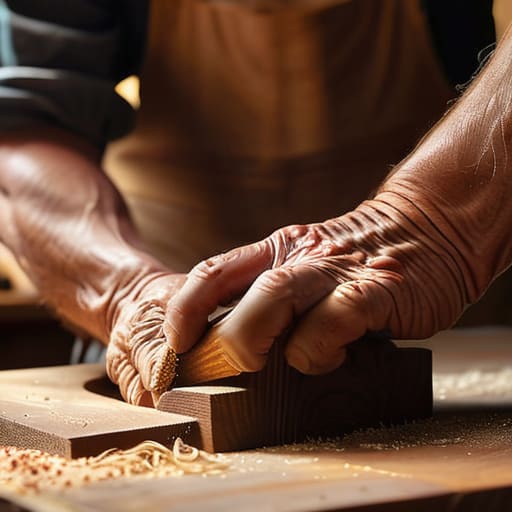
I spend a good portion of my retirement in the workshop, and I can tell you that nothing beats the satisfaction of making something with your own two hands. We live in an era of plastic disposables, but there is a growing hunger for things that are built to last. A workshop in woodworking, pottery, or even leatherworking offers a chance to step away from the digital noise and focus on tactile reality.
Guided Nature Expeditions

I’ve always found that the most efficient way to clear one’s head is to get out of the house and into the elements. Rather than buying more “stuff” that takes up space in a cluttered garage, consider a guided hiking or birdwatching excursion. When you hire a professional guide, you aren’t just walking through the woods; you are gaining a deeper perspective on the local ecosystem.
Tasting Tours with an Educational Edge
Now, I’m not talking about a mindless night of drinking. I mean a structured tasting tour—be it wine, artisanal cheese, or even local honey—where the focus is on the provenance and production. Understanding where a product comes from and the labor required to produce it changes the way you consume. It turns a simple snack into an appreciation of craft.
Performance Arts and Live History
There is a certain weight to seeing a live performance that a digital recording just cannot replicate. Whether it is a local theater production or a historical reenactment, these events offer a shared human experience that feels substantial. It is an investment in culture and community rather than a collection of more physical clutter.
The Bottom Line on Gifting
Stop wasting your hard-earned money on plastic trinkets and “stuff” that ends up in a landfill by next Christmas; if it doesn’t add value to their life, don’t buy it.
An experience is a one-time investment that yields interest in the form of lasting memories, which is far more efficient than managing a house full of clutter.
When choosing a gift, look for substance over spectacle—aim for something that encourages a skill, a connection, or a moment of genuine utility.
The Real Value of a Gift
Most people make the mistake of buying things that end up in a landfill or a junk drawer within a year. If you want to give something that actually matters, stop looking for objects to wrap in plastic and start investing in moments that stay with a person long after the occasion has passed.
Hugo Steenkamp
Making the Right Choice
At the end of the day, choosing a gift shouldn’t be about filling a gap in a shopping cart or ticking a box on a registry. Whether you opted for a masterclass in a new skill, a weekend getaway, or a tasting tour, you’ve moved away from the cycle of mindless consumption. We’ve looked at how a well-chosen experience provides a level of value that a plastic gadget simply cannot match. By focusing on something that engages the mind or the senses, you are choosing to invest in substance rather than just adding to the pile of stuff that eventually ends up in a landfill. It’s about the long-term ROI of a moment well-spent.
My advice is simple: stop looking for the easiest option and start looking for the one that carries weight. Trends will come and go, and the latest tech will be obsolete by next Tuesday, but a shared memory is a permanent asset. When you give an experience, you aren’t just handing over a voucher; you are providing something that actually endures through the years. Do yourself and your loved ones a favor. Stop chasing the clutter, start valuing the time, and buy the kind of gift that actually matters.
Frequently Asked Questions
How do I know if an experience gift is actually worth the price tag or just a glorified tourist trap?
Look, don’t let a flashy brochure fool you. If the “experience” relies entirely on a gift shop at the exit or a staged photo-op, you’re being fleeced. I always ask two questions: Does this teach a skill that sticks, or is it just a momentary distraction? A real value lies in something substantial—a cooking class, a guided tour of a working farm, or a workshop. If it doesn’t leave them with more than just a receipt, skip it.
Is it possible to find meaningful experiences that don't involve a mountain of useless plastic souvenirs?
Absolutely. In fact, that should be your default mindset. Most of the “stuff” people buy to commemorate a trip is just destined for a landfill within a year. If you want something that sticks, look for experiences that sharpen the mind or build a skill—a cooking class, a guided workshop, or even a weekend at a national park. These don’t take up shelf space, they don’t create waste, and they actually stay with you.
How can I ensure these experiences are actually practical for someone with a busy schedule?
Look, a gift is useless if it just becomes another item on a mounting to-do list. If you’re buying an experience for someone with a packed schedule, stick to things with built-in flexibility. Think digital vouchers for a local workshop or meal kits that can be used whenever they actually have a free hour. Avoid rigid time slots. If it requires months of planning and strict adherence to a calendar, it’s not a gift—it’s a chore.
