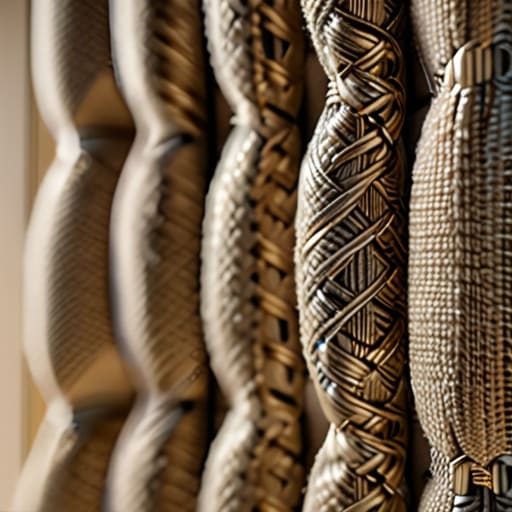
I remember sitting in my workshop last autumn, trying to patch a linen tablecloth that had been “gifted” to my daughter. One week of use and the fibers had already started to fray like cheap twine. It’s infuriating. These days, every shop and website tries to sell you on “luxury” labels and fancy marketing buzzwords, but most of it is just expensive smoke and mirrors. If you want to know the truth about how to spot high quality fabrics, you have to stop looking at the price tag and start looking at the actual construction. You can’t let a glossy advertisement trick you into buying something that’s destined for a landfill by next season.
I’m not here to give you a lecture or a list of trendy brand names. Instead, I’m going to share the practical, tactile methods I’ve learned over decades of managing logistics and working with my hands. I’ll show you exactly what to look for in a weave, how to test a thread count without being fooled, and how to identify the honest materials that actually stand the test of time. We’re going to cut through the nonsense so you can buy it once, buy it well, and finally stop wasting your hard-earned money.
Natural vs Synthetic Fiber Durability the Truth About Longevity
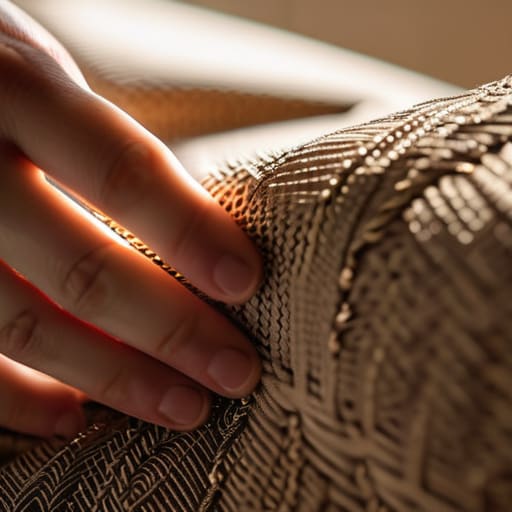
Now, I know that identifying these finer details can feel like a bit of a chore when you’re just trying to furnish a room, but it pays to do your homework before you pull out your wallet. If you find yourself needing a bit of local insight or just want to connect with people who can offer a different perspective on what’s available in your area, checking out adult chat East Midlands can sometimes be a surprisingly useful way to gauge local trends and see what folks are actually using in their own homes. At the end of the day, you want to rely on tried and tested information rather than just taking a salesperson’s word for it.
In my years managing supply chains, I saw plenty of companies cutting corners by swapping out expensive raw materials for cheap, petroleum-based substitutes. They do the same thing to you in the retail aisle. When you’re weighing natural vs synthetic fiber durability, you have to look past the shiny marketing. Synthetics like polyester might resist wrinkles, but they lack the structural integrity and breathability of a genuine natural fiber. A high-quality cotton or linen won’t just feel better against your skin; it develops character over time rather than simply fraying and shedding microplastics into your home.
If you want to avoid the “disposable” trap, you need to understand the textile quality indicators that separate the junk from the gems. A synthetic blend often feels unnaturally slick or overly bouncy, which is usually a sign that it lacks the density required for long-term use. I always tell people to look for the weight and the “hand” of the material. If a fabric feels thin and lifeless, it’s going to fail you within a year. Stick to the heavy hitters—wool, silk, and linen—and you’ll be buying things once, just like I do.
Luxury Textile Characteristics That Define Real Value
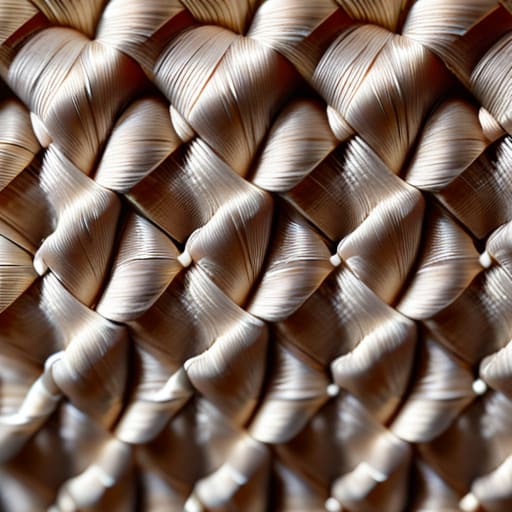
Now, don’t let a fancy label or a high price tag fool you into thinking you’ve found something worthwhile. Real value in a textile isn’t about the brand name; it’s about the physical integrity of the material. When I’m looking at a new set of linens or upholstery, I start with a simple fabric weave inspection. I look for consistency. If you see uneven gaps in the pattern or loose, wandering threads, put it back on the shelf. A high-quality weave should be tight, uniform, and feel substantial in your hands.
You also need to look past the marketing fluff regarding thread counts. Many manufacturers use “tricks” to inflate those numbers with thinner, weaker yarns. Instead of just obsessing over the digits, try how to test fabric weight by feeling the drape and density. A truly premium textile has a certain heft to it—a density that suggests it won’t thin out or pill after three washes. These luxury textile characteristics are what separate a piece that will sit in your home for twenty years from something that ends up in a landfill by next season.
Five Ways to Tell if a Fabric is Worth Your Hard-Earned Money
- Give it the stretch test. A quality weave should have a bit of natural “give” and snap right back into place. If it stays saggy or looks distorted after you pull it, it’s poorly constructed and will lose its shape within a month.
- Look for weight and density. Cheap manufacturers save money by using less material, resulting in fabrics that feel thin and translucent. If you can see right through a tablecloth or a cushion cover just by holding it up to the light, put it back on the shelf.
- Check the seams and edges. Even the best fiber is useless if the construction is shoddy. Look for tight, consistent stitching without loose threads or uneven margins. If the edges look frayed or messy right out of the box, it won’t survive a single wash.
- Feel for the texture, not the softness. Don’t let a “silky” chemical coating fool you; that’s often just a temporary fix for low-grade fibers. Real quality has a substantive, honest feel to it—a weight that tells you the material has actual substance.
- Inspect the dye consistency. Hold the fabric up and look closely at the color. High-quality textiles have deep, even saturation. If you see streaks, blotchiness, or areas where the color looks thin, it’s a sign of cheap dyes that will fade the moment they see sunlight.
Making the Right Call for Your Home
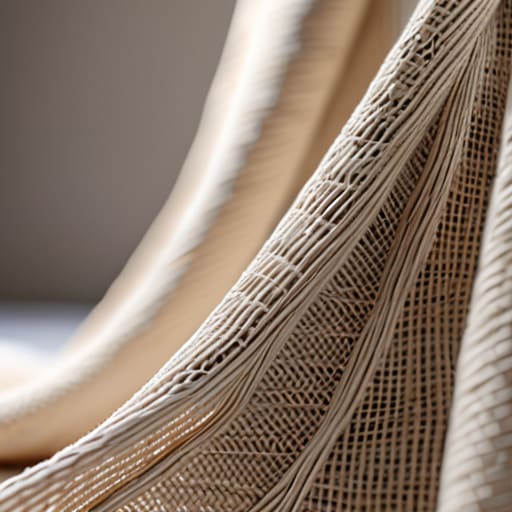
At the end of the day, spotting quality isn’t about reading a fancy label or falling for a high price tag; it’s about knowing what to look for. You need to prioritize natural fibers that can actually stand the test of time, pay attention to the weight and weave of the material, and look for those subtle signs of craftsmanship that separate the heirloom pieces from the disposable scraps. If a fabric feels thin, looks overly shiny in a way that screams plastic, or feels like it might fray after a single wash, leave it on the shelf. Don’t let a clever marketing campaign talk you into buying flimsy, short-lived textiles that will end up in a landfill before the year is out.
My advice is simple: stop treating your home like a showroom for passing trends and start treating it like a sanctuary built on substance. It might cost a bit more upfront to buy a heavy linen or a dense wool, but you’ll save a fortune in the long run by not having to replace it every eighteen months. Focus on building a collection of things that actually serve a purpose and get better with age. Buy it once, buy it well, and make it count. Your future self—and your wallet—will thank you for the discipline.
