I’ve spent thirty years in logistics, where I learned one fundamental truth: if a product isn’t built to endure, it’s just future landfill. Lately, I see people wandering into shops and throwing money at flimsy, plastic trinkets that look fine for a week but lose their luster before the season even changes. It’s a frustrating cycle of waste. When you are looking for decor gift ideas, you shouldn’t be searching for something that just fills a gap on a shelf; you should be looking for something that carries weight and substance. Most people settle for “cute,” but I think we should be aiming for quality that lasts.
In the following list, I’ve narrowed down five specific items that actually deserve a place in a well-ordered home. I’m not interested in chasing the latest viral trends or showing off some temporary fad you saw on a smartphone screen. Instead, I’m going to show you how to select pieces that serve a purpose and offer genuine value for years to come. If you want to stop wasting money on disposable junk and start gifting things that truly matter, then pay close attention to these five selections.
Table of Contents
Solid Hardwood Serving Boards
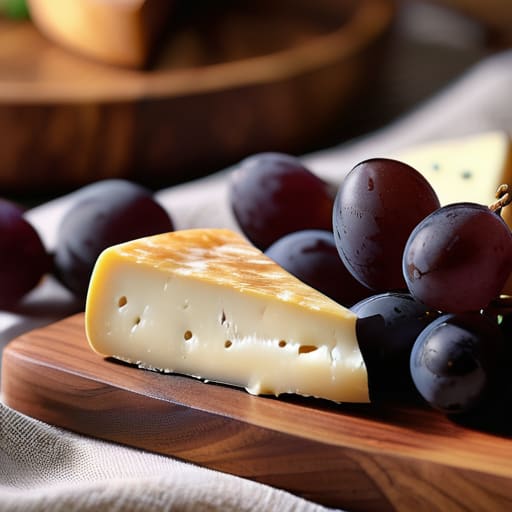
Most of the “charcuterie boards” you see in big-box stores these days are made of pressed sawdust and cheap veneers. They warp the moment they get near water, and frankly, they’re a waste of good money. If you’re looking for a gift, skip the plastic nonsense and find a solid piece of walnut or maple. A real wood board has weight to it, and you can feel the quality the moment you pick it up.
Cast Iron Cookware
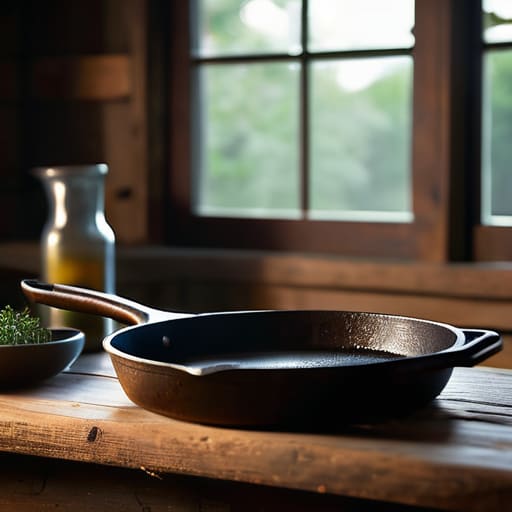
I don’t care how many fancy non-stick pans are being marketed to you; they all end up peeling and being tossed in the bin within a year. If you want to give a gift that actually survives a lifetime, you go with heavy-duty cast iron. It’s simple, it’s rugged, and it performs better the more you use it. There is no substitute for the heat retention you get from a real skillet.
Wool Throw Blankets
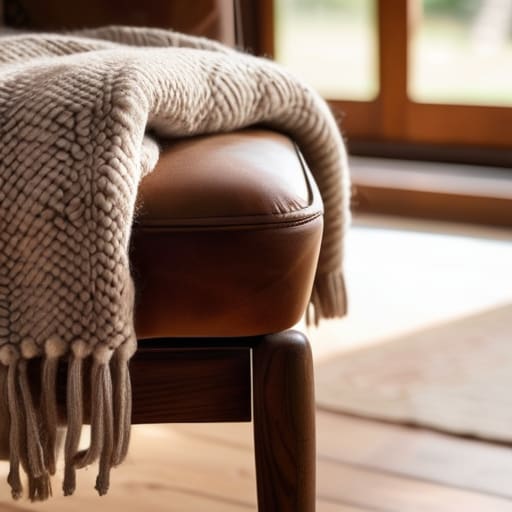
We live in a world of polyester and microfibics that feel like plastic and trap heat in all the wrong ways. When you’re buying something to keep a home cozy, don’t settle for those synthetic scraps. Look for a 100% wool throw from a reputable maker. It’s heavy, it’s breathable, and it has a texture that actually feels substantial.
Hand-Blown Glassware
There is a massive difference between a machine-made glass that feels thin and fragile and a piece of hand-blown glassware. The weight is different, the clarity is superior, and you can actually see the craftsman’s intent in the slight imperfections. It’s the kind of thing that makes a simple evening drink feel like a proper occasion.
Brass Accents and Hardware
Most modern home decor relies on “brushed nickel” or painted plastics that look dated the second the next trend rolls around. If you want to give a gift that adds character to a room, look toward solid brass. Whether it’s a small tray, a candle holder, or even a set of high-quality cabinet pulls, brass ages gracefully. It develops a patina over time that tells a story rather than just looking old.
The Bottom Line on Buying Better
Stop looking at the price tag alone and start looking at the build quality; if it’s made of plastic and glued together, it’s not a gift, it’s future landfill.
Prioritize materials that age gracefully, like solid wood, stone, or heavy metal, because a gift should look better ten years from now than it does today.
Aim for utility over trends—the best decor is the kind that actually serves a purpose in a home rather than just taking up space on a shelf.
The Philosophy of a Good Gift
A gift shouldn’t just occupy space on a shelf; it should earn its place. If you’re going to give someone decor, give them something with weight, something with character, and something that won’t be in a bin by next Christmas.
Hugo Steenkamp
Buy Once, Buy Well
At the end of the day, choosing a decor gift shouldn’t be about scrolling through a thousand cheap options on a smartphone just to find something that looks “fine” for a week. Whether you opted for the heavy-duty ceramic pieces, the solid wood accents, or the timeless textiles we discussed, the goal remains the same: avoid the landfill. We’ve spent enough time in this world watching disposable culture turn our homes into cluttered warehouses of broken plastic and flimsy trinkets. By focusing on quality materials and functional design, you aren’t just giving a gift; you are providing something that has the structural integrity to stand the test of time.
My advice is simple: stop chasing the dopamine hit of a bargain and start looking for value. A home is a collection of your choices, and those choices should reflect a sense of permanence and purpose. When you give a gift that is built to last, you are teaching the recipient—and yourself—to respect the things we own. Don’t settle for the fleeting trends that lose their luster by next season. Instead, aim for the enduring classics that will still be sitting on a shelf or a mantle decades from now. Invest in things that actually matter, and you’ll never have to worry about replacing them.
Frequently Asked Questions
How can I tell if a piece of decor is actually high-quality or just cheap material painted to look expensive?
Look, don’t let a shiny finish fool you. I’ve seen enough cheap knock-offs in my time to know that quality is found in the weight and the joinery. Pick it up—if it feels hollow or suspiciously light, put it back. Check the underside; real materials like solid wood or stone won’t have a layer of cheap plastic veneer hiding underneath. If it’s held together by glue instead of proper fasteners, it’s junk.
Are there certain styles of decor that are better for long-term value rather than just following a passing trend?
Look, if you want value, steer clear of anything “ultra-modern” or hyper-specific to a current social media fad. Those styles age like milk. I always look for timelessness: natural materials like solid wood, stone, or heavy ceramics. They have weight, they have texture, and they don’t look ridiculous when the trend cycle shifts next year. If it looks like it could have sat in a well-kept home fifty years ago, it’s worth your money.
What's the best way to choose a gift that fits someone's home without it becoming clutter they never use?
Stop looking for “stuff” and start looking for utility. If you want to avoid clutter, you have to ask yourself one question: Does this serve a function, or is it just taking up space? The best gifts are the ones that bridge the gap between beauty and necessity—think a heavy cast-iron skillet or a solid wood serving board. If it doesn’t have a job to do in their home, don’t buy it.
