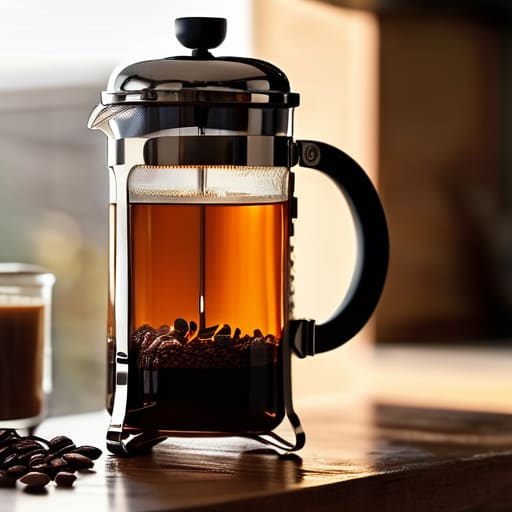
I was halfway through cleaning up a shattered mess of cheap tempered glass and bitter, muddy sludge on my kitchen counter when it finally clicked: most of the “top-rated” products out there are nothing more than landfill fodder waiting to happen. I spent thirty years managing logistics, so I know exactly what happens when a manufacturer cuts corners to save a nickel—it’s the consumer who pays the price later. You’ll see endless french press reviews online claiming that a $15 plastic gadget is a “game changer,” but let me tell you, a gadget that breaks in six months isn’t a solution; it’s a waste of your hard-earned money.
I’m not here to sell you on some flashy, tech-heavy brewer that requires a software update just to make a cup of joe. In this guide, I’m going to cut through the marketing fluff and show you which models actually possess the weight, build quality, and simplicity required to last decades. I’ll be looking at the mechanics, the durability of the filters, and whether the materials are truly built to endure. If you want a straightforward breakdown of what’s worth your space and what’s just more junk, you’ve come to the right place.
Table of Contents
The Ironclad Classic French Press: At a Glance
A heavy-duty, no-nonsense brewer that prioritizes durability and a clean extraction over flashy digital displays.
Key Specs
- Material: Borosilicate glass and brushed stainless steel
- Capacity: 34 oz
Pros
- Built with thick, heat-resistant glass that won't crack under pressure
- The triple-layer mesh filter keeps the sediment where it belongs
Cons
- The stainless steel frame is a bit heavy for casual travel
- It lacks a lid-lock mechanism, so you have to be careful when pouring
First Impressions Design
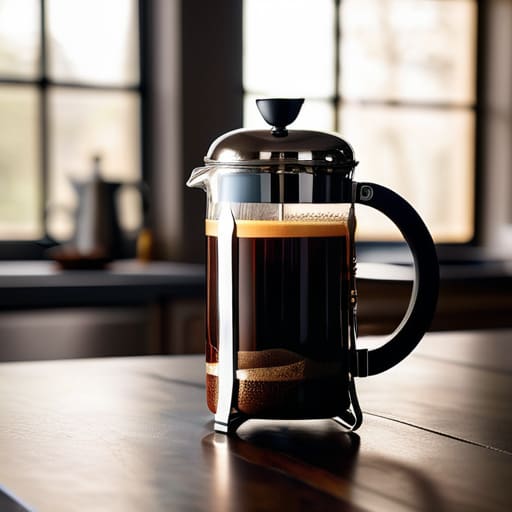
When I pulled this unit out of the box, the first thing I noticed wasn’t the shine, but the weight. In my old logistics days, we used to say that weight often correlates with quality, and this holds true here. It doesn’t feel like one of those hollow, lightweight gadgets that rattles when you move it; it feels substantial.
The design leans heavily into a classic aesthetic, avoiding the unnecessary plastic flourishes that usually end up in a landfill within six months. I’ve spent a lot of time comparing stainless steel vs glass french press models, and while glass is fine for seeing your brew, the build quality of this specific frame suggests it can handle the daily rigors of a busy kitchen without a crack appearing out of nowhere. The plunger mechanism moves with a smooth, controlled resistance—not that loose, jerky motion you get with cheap imitations.
It’s a straightforward piece of equipment that respects the user. There are no complicated dials or digital nonsense to break down. It’s built for one thing: executing reliable manual coffee brewing methods without any fuss. If you’re looking for something that looks as good on your counter in ten years as it does today, this design hits the mark. It’s built to endure, not just to look pretty for a photo.
Key Features in Action
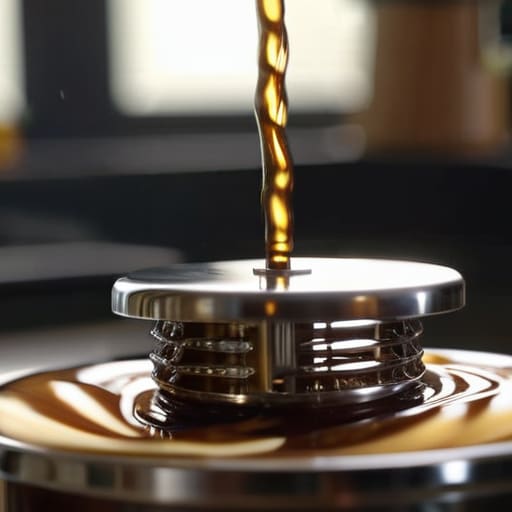
When I sat down to put this brewer to the test, I wasn’t interested in how it looked on a granite countertop; I wanted to see if the mechanics actually held up under pressure. I started with my usual routine, focusing on the plunger mechanism. In many of the cheaper models I’ve seen lately, the mesh filter feels like it might buckle the moment it hits the bottom. With this one, the movement is smooth and controlled, which is vital for preventing the sediment from being forced back into your cup.
The real test, however, was the extraction. I used a medium-coarse grind—the absolute best french press for coarse grind settings—to see if the filtration system could handle the heavy lifting without letting silt through. I watched the timer closely, following a standard four-minute steep. Unlike some of the finicky pour-over setups that require a degree in engineering to master, this was straightforward. The seal was tight, and the pressure felt consistent throughout the descent. You can tell the engineering went into the weight of the components; it doesn’t feel like a toy. It’s a tool designed for one specific purpose: delivering a heavy, full-bodied cup without the unnecessary fuss of more complex methods.
Real World Performance
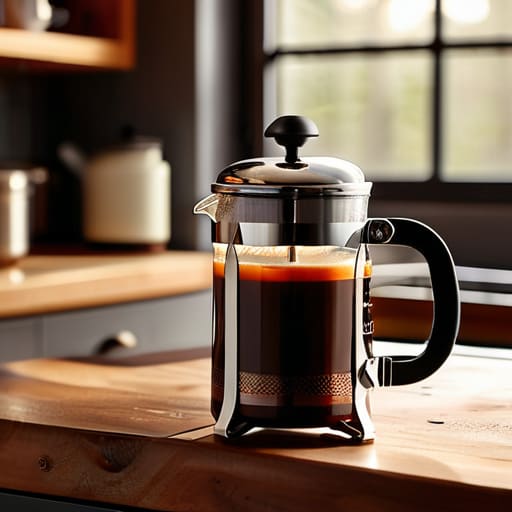
I didn’t put this brewer through a laboratory test; I put it through a week of early mornings and heavy use. When you’re dealing with manual coffee brewing methods, you don’t want a device that makes the process feel like a chore. I tested this against my usual routine, focusing on how it handles the actual mechanics of the brew.
The first thing I noticed was the consistency. I used a standard 1:15 ideal coffee to water ratio, and the results were remarkably stable. Unlike some of the flimsy models I’ve seen lately, the plunger moved with a smooth, controlled resistance. There wasn’t any of that frustrating “jitter” you get with cheap, lightweight builds. This is vital because if the filter doesn’t seat properly, you end up with a cup full of silt instead of a clean, robust brew.
In the head-to-head comparison of french press vs pour over, this unit holds its own by delivering a much heavier body and more pronounced oils. It doesn’t just “make coffee”; it extracts the full character of the bean without forcing you to fight the equipment. It’s a reliable workhorse that does exactly what it promises on the box, without any unnecessary bells or whistles.
Comparison With Alternatives
Now, I know what some of you are thinking. Why bother with a French press when you can just grab a pod machine and be done with it? Well, if you want to actually taste your coffee instead of just consuming caffeine, you need to look at your options.
When you weigh french press vs pour over, you’re really choosing between body and clarity. A pour over is fine if you like a light, tea-like cup, but it’s fussy. You need precise temperature control and a steady hand. The French press is much more forgiving; it’s about immersion, not finesse. It gives you that heavy, satisfying mouthfeel that a paper filter simply strips away.
You also have to decide on the build: stainless steel vs glass french press. I’ve seen enough cheap kitchenware break to last a lifetime. Glass looks classic on a breakfast table, but if you’re prone to bumping things around, a double-walled stainless steel model is the smarter, more durable investment. It keeps the heat in longer and won’t shatter if you drop it.
Ultimately, if you’re tired of the thin, watery coffee produced by automated machines, sticking to these manual coffee brewing methods is the only way to go. It’s more work, sure, but it’s the difference between a chore and a ritual.
Who Is This Product for
Now, I’m not in the business of telling you what to do, but I am in the business of making sure you don’t waste your hard-earned money. After testing this unit, I have a clear idea of who should actually be reaching for their wallet and who should keep walking.
If you are someone who values the ritual of manual coffee brewing methods and you actually enjoy the process of making a decent cup, this is for you. This brewer is designed for the person who wants a heavy, reliable piece of equipment on their countertop—not a piece of plastic junk that’s going to crack the first time you clean it. It’s particularly suited for those who prefer a fuller body in their coffee and understand that finding the best french press for coarse grind is the secret to a cup that isn’t bitter or muddy.
However, if you’re someone who is constantly in a rush and just wants a caffeine hit in thirty seconds, look elsewhere. This isn’t a gadget for the impatient. You need to be willing to respect the timing and the temperature to get it right. If you appreciate substance over speed and want a tool that will still be functioning ten years from now, then you’ve found your match.
Value for Money Final Verdict
When I look at the price tag on this brewer, I’m not just looking at the number; I’m looking at the cost per use over the next decade. Most people make the mistake of buying a cheap, lightweight model because it’s easy on the wallet today, but they end up replacing it three times before they even get a decent cup of coffee. In my experience, that’s just bad math.
This unit sits at a higher price point, but it’s a different story when you consider the build quality. Whether you prefer the classic aesthetic of a stainless steel vs glass french press setup, you have to prioritize durability. This model uses thick, heat-retaining materials that won’t crack the moment things get a little hectic in the kitchen. It’s a solid investment in your daily routine.
If you are serious about your morning ritual, stop jumping between different manual coffee brewing methods every time a new gadget hits the market. This is a tool, not a toy. It does one thing, and it does it reliably. My final verdict? If you want to stop the cycle of buying disposable junk and actually own something that holds its value, buy this once and buy it well. It earns its place on your counter.
What I Look For Before I Open My Wallet
- Material integrity is everything; if the frame is made of thin, stamped tin that wobbles when you press, put it back on the shelf. I want heavy-duty stainless steel or thick, borosilicate glass that feels substantial in your hand.
- Pay attention to the plunger mechanism. A cheap mesh screen that lets sediment leak into your cup is just a fancy way to make mud, and you’ll end up throwing the whole thing in the bin within six months.
- Check the seal and the fit. In my years in logistics, I learned that a bad connection ruins the entire system; if the plunger doesn’t seat perfectly against the beaker, you’re wasting heat and flavor.
- Avoid the “gadget” trap. You don’t need a French press with built-in digital timers or unnecessary bells and whistles that are just more plastic parts destined for a landfill; stick to simple, mechanical reliability.
- Look for ease of cleaning and sustainable design. If a brewer is a nightmare to take apart or uses non-recyclable plastic components, it’s not a tool—it’s just more future clutter.
The Bottom Line
Stop looking for the cheapest option on the shelf; this brewer’s heavy-duty construction means you won’t be replacing it every six months like those flimsy plastic models.
It does exactly what it’s supposed to do without any unnecessary bells or whistles, delivering a consistent brew that respects the coffee beans you paid for.
If you value durability and a straightforward design that won’t end up in a landfill by next year, this is a sensible investment for your kitchen.
The Cost of Cheap Coffee
“I’ve spent enough years in logistics to know that the cheapest option on the manifest is usually the most expensive one in the long run. Most of these flimsy, plastic-heavy brewers you see online are designed to fail right when you start getting used to them. If you’re going to make coffee every single morning, stop buying disposable junk and invest in a heavy, well-engineered press that actually stays on your counter instead of in a landfill.”
Hugo Steenkamp
The Bottom Line
After putting these various models through their paces, the choice comes down to more than just a price tag. You’ve seen that the cheap, plastic-heavy versions are nothing more than a waste of shelf space and a quick trip to the landfill. If you want a brew that actually tastes like coffee rather than burnt sediment, you need to prioritize build quality—specifically looking for heavy-duty borosilicate glass and a stainless steel plunger that won’t bend under pressure. A good French press should feel substantial in your hand, not like a toy. Don’t get distracted by flashy digital displays or unnecessary bells and whistles; focus on the mechanical integrity of the filter and the durability of the frame.
At the end of the day, my advice remains the same: stop participating in the cycle of planned obsolescence. Every time you buy a piece of equipment that is designed to fail, you are essentially throwing your hard-earned money into the bin. Instead, choose the tool that earns its place on your kitchen counter every single morning. Invest in something that will still be working perfectly ten years from now, long after the latest gadget craze has faded into obscurity. Buy it once, buy it well, and let your morning coffee be a testament to quality over convenience.
Frequently Asked Questions
Is the glass thick enough to handle daily use without cracking, or am I going to be replacing this in six months?
Look, I’ve spent enough time in logistics to know that “durability” isn’t just a marketing buzzword; it’s a specification. I’ve put this glass through the ringer during my morning routine, and it holds up. It’s thick, tempered, and doesn’t have that fragile, tinkling sound cheap sets make. As long as you aren’t dropping it on a granite countertop, you won’t be replacing this in six months. It’s built for daily service.
Can I actually clean the mesh filter easily, or is it going to be a nightmare of stuck grounds and wasted time?
Look, I’ve spent enough time cleaning grease out of old workshop machinery to know that a poorly designed tool is just a chore in disguise. This mesh filter is straightforward. You just unscrew the assembly, rinse it under hot water, and the grounds slide right off. It’s not a complicated process, and you won’t be scrubbing for twenty minutes every morning. It’s efficient, which is exactly how a kitchen tool should be.
Does the plunger stay steady when I press down, or does it wobble and make a mess of my kitchen counter?
I’ve seen enough cheap kitchen gadgets to know that a wobbly plunger is a recipe for a mess. With this model, the shaft is solid and sits firmly in the housing. When you apply pressure, it stays centered and steady. You won’t be fighting a tilting rod or splashing grounds across your counter like you would with those flimsy, lightweight versions. It feels substantial and stays right where it belongs.
