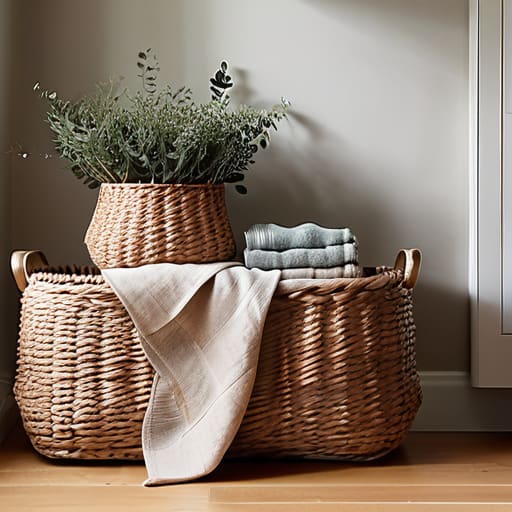
I was cleaning out my workshop last weekend when I found a stack of those flimsy, thin-walled plastic bins I’d bought on a whim five years ago. They were cracked, brittle, and completely useless—just more disposable junk headed straight for the landfill. It’s the same story I see everywhere lately: people spending a fortune on trendy, decorative storage baskets that look decent in a photo but fall apart the moment you actually put something of weight in them. We’ve become far too comfortable buying things that are designed to fail, and frankly, it’s a waste of hard-earned money.
I’m not here to sell you on a lifestyle aesthetic or show you how to make your pantry look like a magazine spread. My goal is to help you cut through the marketing noise and identify the few pieces that actually earn their place in your home. I’m going to share what I’ve learned about materials, construction, and longevity so you can stop the cycle of constant replacement. If you want to buy it once and buy it well, you’re in the right place.
Table of Contents
The Lasting Appeal of Natural Fiber Containers
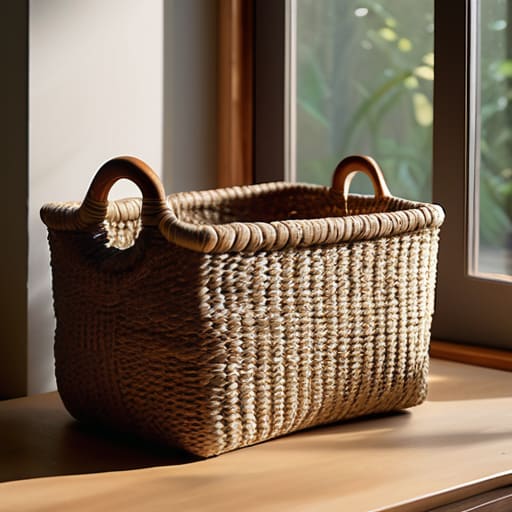
I’ve seen enough cheap, injection-molded plastic bins end up in a landfill to last a lifetime. They crack under pressure, they look hollow, and they have no soul. If you want to actually improve your space, look toward natural fiber containers instead. Whether it’s seagrass, jute, or willow, these materials have been used for centuries for a reason: they endure. They possess a structural integrity that synthetic materials simply can’t mimic, and they don’t feel like disposable junk.
Beyond the sheer durability, there is a practical logic to using organic materials for sustainable home storage. These pieces age gracefully; they develop a bit of character over time rather than just looking worn out. I find that a well-woven basket provides much better breathability for linens or even for nursery basket organization, which is vital for keeping things fresh. Instead of chasing a fleeting aesthetic, choose something that brings a sense of permanence to your living room decor accents. It’s a simple rule I live by: if it isn’t built to last, it isn’t worth the shelf space.
Elevate Your Living Room Decor Accents Permanently
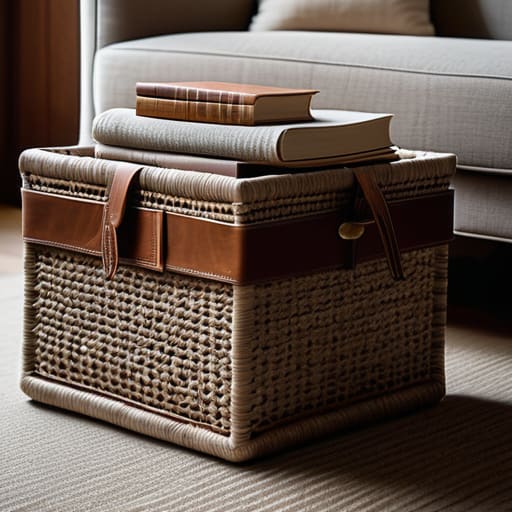
Most people treat their living room like a showroom for temporary trends, filling it with lightweight, flimsy items that look good for a week and then end up in a landfill. I don’t see the logic in that. If you are going to add living room decor accents to your space, they should serve a dual purpose: they must look dignified and they must be durable. Instead of those thin, wire mesh trays that bend the moment you put a heavy book in them, look for something with weight and structure.
A well-chosen piece can ground a room without cluttering it. I prefer using larger, hand-woven pieces to house extra throw blankets or even a stack of heavy coffee table books. When you select from various decorative basket styles, skip the mass-produced plastic nonsense and look for craftsmanship. A piece made of seagrass or thick jute doesn’t just hold your things; it adds a sense of permanence to the room. It’s about finding that balance where the item is both functional and aesthetically substantial, ensuring you won’t be replacing it in twelve months.
Five Rules for Buying Baskets That Actually Last
- Check the weave before you reach for your wallet; if the fibers feel loose or the structure wobbles when you pick it up, put it back on the shelf. A quality basket should feel substantial and hold its shape even when empty.
- Avoid the “seasonal” trap of cheap, brightly colored plastic bins that look fine for a month but end up in a landfill by next year. Stick to neutral, natural materials that won’t clash with your home as your tastes evolve.
- Inspect the base of the container to ensure it’s reinforced. In my experience, most storage failures happen at the bottom where the weight of the contents puts the most stress on the construction.
- Size matters more than aesthetics. Don’t buy a basket just because it looks nice on a display; measure your actual needs—whether it’s blankets or tools—to ensure you aren’t just buying a decorative dust collector.
- Prioritize sustainable materials like seagrass, jute, or willow. Not only do these materials offer a timeless look, but they also respect the principle of buying things that are meant to return to the earth rather than cluttering a dump.
The Bottom Line on Smart Storage
Stop buying flimsy plastic bins that crack under pressure; choose natural materials like seagrass or wicker that actually hold their shape over years of use.
Look for structural integrity over aesthetics—a basket should be built to carry weight, not just look pretty on a shelf for a week.
Invest in versatile pieces that serve multiple rooms, ensuring you aren’t wasting money on single-use organizers that end up in a landfill.
The Cost of Cheap Plastic
A storage basket shouldn’t be a temporary fix for a cluttered room; if you’re buying something that’s going to crack or warp the moment you put a heavy book in it, you aren’t organizing your home—you’re just managing more future trash.
Hugo Steenkamp
Making the Right Choice for Your Home
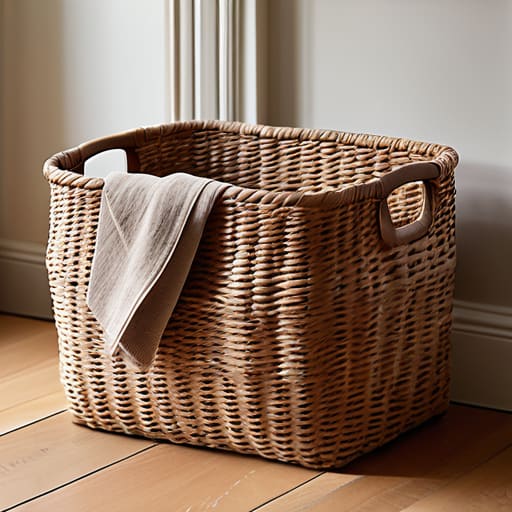
At the end of the day, organizing your home shouldn’t feel like a temporary fix that you’ll have to redo in six months. We’ve looked at why natural fibers hold their shape better than flimsy synthetics and how choosing the right piece for your living room can actually add a sense of permanence to your decor. It comes down to simple logic: if you opt for those cheap, mass-produced plastic bins, you’re just delaying the inevitable trip to the landfill. Instead, prioritize materials that can withstand daily use and designs that won’t look dated by next year. When you select a basket based on its construction rather than a passing fad, you are investing in order that actually lasts.
My advice is simple: stop treating your home like a showroom for disposable goods. Every object you bring through your front door should have a reason for being there, and it should be able to do its job well for years to come. Don’t let the pressure of constant “redecorating” trick you into buying more junk. If you buy it once and buy it well, you’ll find that your home feels more settled and much less cluttered. Focus on quality over quantity, and I promise you’ll find that a well-organized home is a lot easier to maintain when you aren’t constantly replacing what you’ve already bought.
Frequently Asked Questions
How do I tell the difference between a genuine hand-woven seagrass basket and the cheap, synthetic imitations that fall apart after a few months?
Don’t be fooled by the shiny, uniform look of those plastic-coated imitations. A genuine seagrass basket should have slight irregularities; if every strand looks identical, it’s likely synthetic junk. Give it a sniff—real seagrass has a distinct, earthy scent, not a chemical odor. Most importantly, run your hand along the weave. If it feels slick or unnaturally smooth, walk away. You want something with texture and weight that feels like it was actually made by a person.
Are these natural fiber baskets actually practical for high-moisture areas like bathrooms, or will they just mold and rot?
That’s a fair question, and frankly, it’s the kind of thinking that saves you money in the long run. If you’re putting a seagrass or wicker basket in a damp bathroom, you’re asking for trouble. Without proper airflow, they will eventually trap moisture and succumb to mold. For high-moisture spots, I’d steer clear of natural fibers. Stick to something more resilient—like treated wood or high-quality metal—that won’t rot the moment the humidity rises.
If I'm looking to invest in quality, what specific materials should I be looking for to ensure these baskets can actually handle the weight of books or tools?
If you’re loading these with heavy books or workshop tools, stay away from thin wicker or flimsy seagrass; they’ll bow and snap under the pressure. You want thick, structural materials. Look for hand-woven rattan or heavy-duty jute. If you can find tightly coiled hemp or even reinforced seagrass with a sturdy base, grab it. These fibers have the tensile strength to hold weight without losing their shape after a month.
