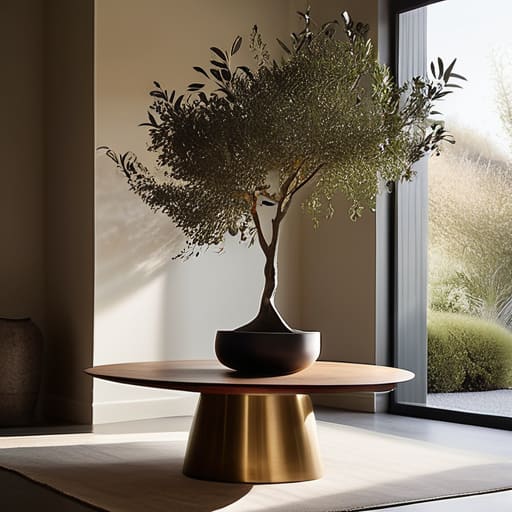
I was looking through a furniture catalog the other day, and I nearly threw it across the room. It was filled with these “minimalist” setups for a modern dining room that looked more like a sterile laboratory than a place where a family actually eats. They’re selling you thin veneers, spindly metal legs, and particle board disguised as high design, all under the guise of being “on trend.” It makes me sick to see people paying premium prices for disposable junk that won’t survive a single holiday dinner without wobbling or scratching.
I’m not here to talk about which shade of grey is currently “in” or how to stage a room for a social media photo. My goal is to show you how to build a modern dining room that actually holds weight—literally and figuratively. I’ll be sharing what I’ve learned from decades of looking at supply chains and material quality to help you pick pieces that are built to endure. We’re going to focus on solid materials, functional layouts, and smart investments that won’t end up in a landfill in three years.
Table of Contents
- Mastering Minimalist Dining Room Ideas Through Purposeful Selection
- Finding Permanence in Mid Century Modern Dining Furniture
- Five Rules for Building a Dining Room That Won't End Up in a Landfill
- The Bottom Line on Building a Dining Room That Lasts
- The Trap of Modern Aesthetics
- Making the Right Call for Your Home
- Frequently Asked Questions
Mastering Minimalist Dining Room Ideas Through Purposeful Selection
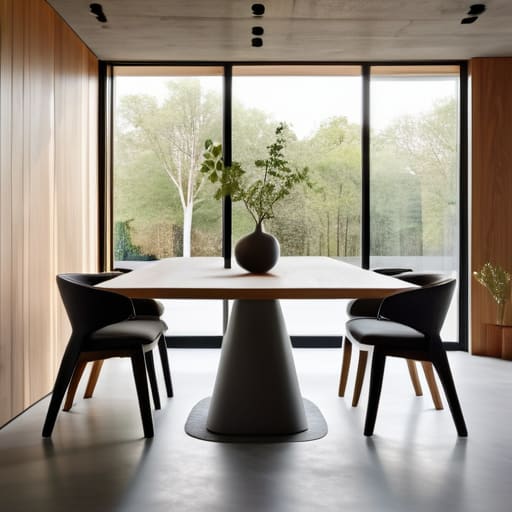
When people talk about minimalist dining room ideas, they often mistake “empty” for “minimalist.” That’s a mistake. To me, minimalism isn’t about having nothing; it’s about having nothing that doesn’t serve a clear function. I’ve seen too many folks clutter their space with cheap, decorative trinkets that serve no purpose other than gathering dust. If you’re going to go this route, you need to be disciplined. Every piece of furniture should have a reason for existing in that room.
I’ve always found that leaning into mid-century modern dining furniture is a smart way to achieve this balance. You get clean lines and structural integrity without the unnecessary fluff. Instead of buying a massive, heavy sideboard just to fill a gap, look for a piece with a slim profile and quality joinery. Pair it with neutral color palettes for dining rooms to keep the space feeling calm and intentional. When you stop trying to fill every corner with “stuff,” you actually start appreciating the quality of the few things you’ve chosen to keep.
Finding Permanence in Mid Century Modern Dining Furniture
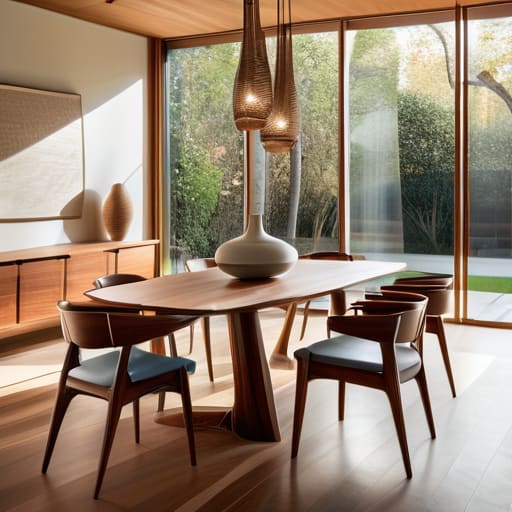
Now, I know what you’re thinking—mid-century modern is just another passing fad being pushed by influencers. But I’ve spent enough time looking at supply chains and material durability to know better. When you invest in genuine mid-century modern dining furniture, you aren’t just buying a look; you are buying craftsmanship. I’m talking about solid teak, walnut, and well-constructed joinery that doesn’t rely on cheap particle board and plastic veneers. If you find a piece with a sturdy frame and a clean silhouette, it will sit in your home just as comfortably in twenty years as it does today.
The beauty of this style lies in its restraint. It fits perfectly into scandinavian dining room aesthetics, where every line serves a function and nothing is wasted. You don’t need a room full of clutter to make a statement. Instead, pick one or two high-quality anchor pieces—a well-built sideboard or a dining table with character—and let them do the heavy lifting. Stop looking for “fast furniture” that needs replacing every time you move houses. Find something built with integrity, and you won’t have to shop for it again.
Five Rules for Building a Dining Room That Won't End Up in a Landfill
- Prioritize solid wood over particle board. I’ve seen enough “modern” furniture made of compressed sawdust and cheap veneer to know it won’t survive a single move, let alone a decade of family dinners. If it feels light and hollow, leave it on the showroom floor.
- Invest in high-quality, heavy-duty seating. A dining chair isn’t just a seat; it’s a structural necessity. Look for joinery that is tight and frames that don’t wobble when you lean back. Cheaply made chairs are the first thing to fail, and they’re the most frustrating to replace.
- Choose timeless lighting over trendy fixtures. You don’t need a flashing LED centerpiece that looks like a piece of plastic art. Find a well-constructed pendant or a classic chandelier in brass or iron—something that provides steady, functional light and won’t look ridiculous in five years.
- Opt for durable textiles and finishes. If you’re buying a tablecloth or chair upholstery, test it for resilience. A dining room is a high-traffic zone; if a spill ruins your “modern” aesthetic instantly, then that piece of furniture has failed its primary job.
- Demand quality over quantity in your decor. Don’t clutter your table with five different cheap trinkets just because they’re on sale. One well-made ceramic centerpiece or a sturdy wooden fruit bowl serves much better than a collection of disposable clutter.
The Bottom Line on Building a Dining Room That Lasts
Prioritize material integrity over aesthetic trends; a solid oak table will always outclass a veneer piece that peels after two years of use.
Select furniture with versatile, timeless silhouettes that won’t force you into a costly replacement when the “next big thing” hits the market.
Focus on functional durability by investing in high-quality chairs and surfaces that can withstand the daily wear of family life without falling apart.
The Trap of Modern Aesthetics
A dining room isn’t a showroom for the latest trends; it’s the engine room of your home. If you’re buying furniture just because it looks good in a filtered photo, you’re doing it wrong. Buy a table that can withstand a spilled glass of wine and a decade of heavy Sunday dinners, not something that falls apart the moment the style shifts.
Hugo Steenkamp
Making the Right Call for Your Home
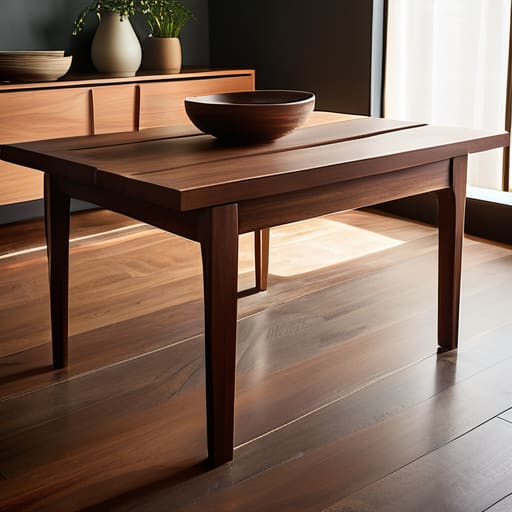
At the end of the day, building a modern dining room isn’t about keeping up with whatever flashy catalog is sitting on your coffee table this month. We’ve talked about the importance of purposeful minimalism and why those mid-century pieces offer a level of structural integrity that modern particle-board junk simply can’t match. It comes down to a simple logistics equation: if a piece of furniture doesn’t serve a functional role or possess the durability to withstand decades of family dinners, it’s just clutter taking up space. Don’t let the allure of a “trendy look” distract you from the fundamental necessity of quality materials and smart design.
My advice is to take a breath and step back from the impulse to buy everything at once. A dining room should be a collection of meaningful objects, not a graveyard of disposable trends. When you finally pull that chair out or set that heavy ceramic plate on a solid wood table, you should feel the weight of a good decision. Stop chasing the temporary and start investing in the permanent. If you buy it once and buy it well, you won’t be back in the store in eighteen months looking for a replacement. Build a room that tells a story of substance, not just style.
Frequently Asked Questions
How can I tell if a "modern" dining table is actually solid wood or just cheap veneer disguised to look high-end?
Look, don’t let a glossy photo fool you. The easiest way to tell is by looking at the edges. If the grain pattern suddenly breaks or looks like a repeating sticker at the seam, it’s a veneer. Get close and feel the weight; real solid wood has a certain heft and a natural, uneven texture. If it feels too light or looks suspiciously perfect, it’s likely particle board with a cheap wrap. Don’t get swindled.
Is it worth spending more on heavy-duty, quality chairs, or can I get away with cheaper options if I'm only using them occasionally?
Look, I’ve seen enough supply chain failures to know that “occasional use” is a trap. You think because you aren’t sitting in them every night, they won’t take a beating. But cheap joints fail and flimsy materials warp regardless of frequency. If you buy the budget option, you’ll end up replacing them in three years, which is just throwing money down the drain. Buy the heavy-duty chairs once. It’s better math in the long run.
How do I balance a modern, clean aesthetic without making the room feel cold and uninviting for a family meal?
The mistake people make is thinking “modern” means “sterile.” If you strip a room of everything but hard edges and cold metal, you aren’t building a dining room; you’re building a showroom. To keep it inviting, lean into natural materials. A solid oak table or some linen napkins adds the warmth a family needs. Use texture, not clutter, to soften the space. If it feels cold, you’ve prioritized a trend over comfort.
