I’ve spent thirty years in logistics, so I know a thing or two about efficiency and waste. Most people treat gift-giving like a disposable habit, grabbing whatever colorful box is sitting on the nearest supermarket shelf. They end up handing over a pile of cheap, paraffin-filled junk that smells like chemicals and burns out before the recipient even finishes the first wick. When you’re looking for genuine candle gift ideas, you shouldn’t be chasing those fleeting, brightly colored trends that look good for five minutes but offer zero substance. If you’re going to give something, it ought to have actual weight and quality behind it.
In this list, I’m cutting through the marketing fluff to show you five specific options that actually justify their price tag. I’m not interested in anything that comes wrapped in layers of non-recyclable plastic or ends up in a landfill by next month. Instead, I’ve selected items that prioritize long-lasting burn times and sturdy, reusable vessels. You’ll learn exactly what to look for so you can stop wasting money on mediocrity and start investing in gifts that truly serve a purpose and endure.
Table of Contents
Pure Soy or Beeswax Tapers
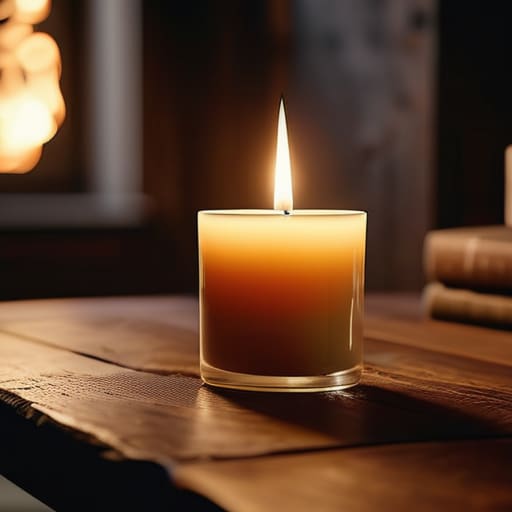
Most of the candles you see in big-box stores these days are made of paraffin, which is essentially a petroleum byproduct. It burns dirty, soot-heavy, and frankly, it’s a waste of money because it disappears before you know it. If you’re looking for a gift that shows you actually care about quality, look for pure beeswax or soy tapers. They burn cleaner and much slower, which is exactly what you want when you’re trying to set a mood.
Hand-Poured Ceramic Vessels
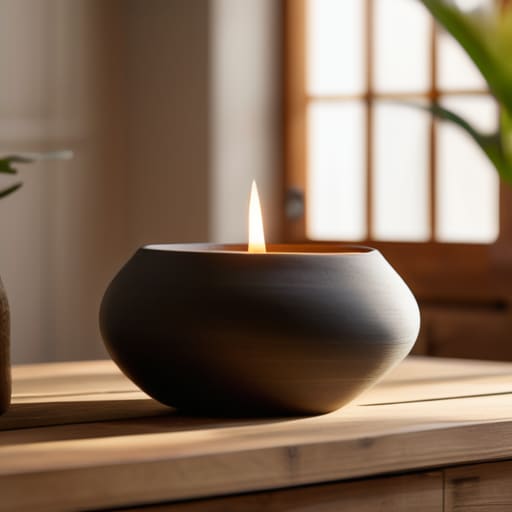
The biggest problem with modern candle gifting is the “disposable” mindset. You buy a pretty jar, burn the wax, and then toss the whole thing into a landfill. That’s just bad logistics and even worse stewardship. Instead, seek out candles housed in heavy-duty ceramic or stoneware vessels. These aren’t just containers; they are pieces of functional art that can be reused long after the wick has gone out.
Wood-Wick Statement Candles
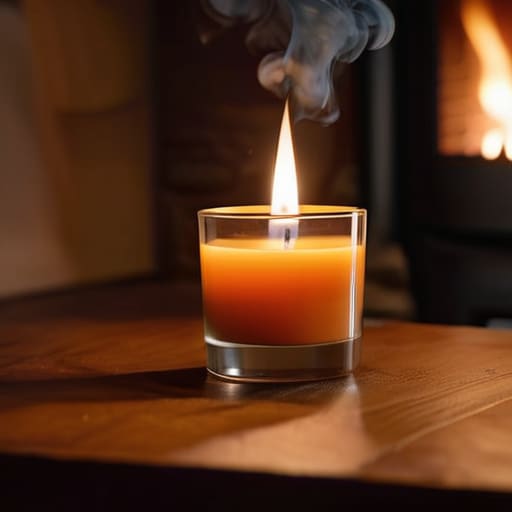
If you want to give a gift that actually engages the senses, skip the standard cotton wicks. A high-quality wood wick provides a subtle, rhythmic crackle that reminds me of a small fireplace. It adds a layer of auditory texture to a room that a standard candle simply cannot match. It turns a simple scent into a genuine experience.
Essential Oil Infusions
We live in an era of “artificial fragrance,” which is a polite way of saying chemical soup. Most of those overly sweet, “cupcake-scented” candles are an insult to your nose and your lungs. If you are buying a gift, stick to botanical-based scents derived from real essential oils. Think cedar, sandalwood, or citrus—scents that actually exist in nature.
The Apothecary Style Jar
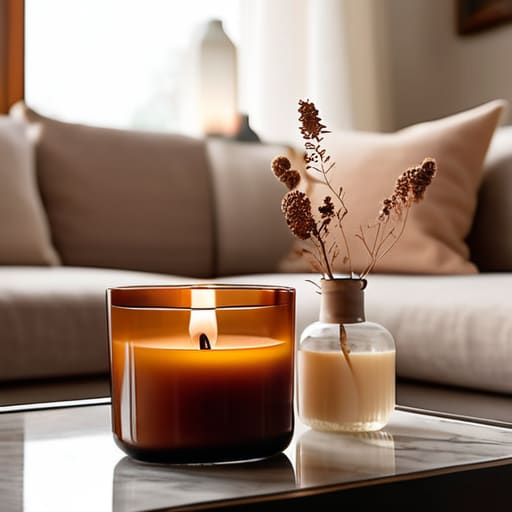
There is something to be said for simplicity. I’ve always been a fan of the classic apothecary-style amber glass jar. It’s a timeless look that doesn’t rely on flashy, colorful labels to hide poor quality. In my experience, the companies that invest in minimalist, sturdy packaging are usually the ones putting the most effort into the actual product inside.
The Bottom Line on Buying Candles
Stop chasing cheap, mass-produced scents that vanish after an hour; look for high-quality wax and heavy-duty vessels that serve as lasting decor.
Always check the packaging—if it’s wrapped in layers of non-recyclable plastic, it’s not worth the shelf space in my house or yours.
View a candle as an investment in atmosphere, not a disposable trinket; if it doesn’t burn clean and last, it’s a waste of good money.
A Lesson in Value
“A candle shouldn’t just be a fleeting scent that vanishes before the wick is even halfway down; it should be a solid, well-made piece of atmosphere that lingers long after the flame goes out. If you’re going to give a gift, give something that actually has the substance to last.”
Hugo Steenkamp
Buy Quality, Not Just a Scent
At the end of the day, giving a candle shouldn’t be about grabbing whatever brightly colored jar is sitting on the clearance rack at the supermarket. We’ve looked at options that actually hold their weight—from heavy, hand-poured soy waxes to those sturdy ceramic vessels you can actually reuse for something useful once the wick burns down. If you follow my advice, you’ll avoid the trap of buying disposable junk that fills a room with synthetic chemicals and disappears in three burns. Focus on the weight of the glass, the purity of the wax, and a scent profile that doesn’t vanish the moment you strike a match. It’s about finding a gift that serves a purpose and lingers long after the initial novelty wears off.
My philosophy has always been simple: if it isn’t built to last, it isn’t worth the shelf space. This applies to your tools, your furniture, and certainly to the gifts you give to the people you care about. Don’t feel pressured to keep up with every seasonal gimmick or “limited edition” trend that pops up on your social media feed. Instead, take a moment to select something substantial. When you choose a gift that is built to endure, you aren’t just giving an object; you are giving a piece of quality that respects the recipient’s home and their wallet. Buy it once, buy it well, and let the quality speak for itself.
Frequently Asked Questions
How can I tell if a candle is made with high-quality wax or just cheap paraffin that's going to smoke and soot up my walls?
Look at the label first. If it just says “wax,” walk away. You want soy, beeswax, or coconut wax. Cheap paraffin is a petroleum byproduct; it burns hot, smells like chemicals, and leaves that nasty black soot on your ceiling. A quality candle should have a clean, steady flame and a scent that develops gradually, not a chemical punch to the nose. If it’s suspiciously cheap, it’s likely junk.
Is it worth paying a premium for hand-poured candles, or am I just paying for a fancy label?
Look, I spent thirty years looking at supply chains, and I know a markup when I see one. But there’s a difference between paying for a fancy label and paying for quality materials. Mass-produced candles are often filled with paraffin—a petroleum byproduct that soot up your walls and burns unevenly. A hand-poured soy or beeswax candle isn’t just “fancier”; it burns cleaner and longer. If it’s made well, it’s an investment, not a waste.
What should I look for in a candle wick to ensure it burns evenly without tunneling halfway down the jar?
Look, there’s no sense in buying a candle if half of it ends up wasted in a hollowed-out shell. To avoid that tunneling, you need to check the wick material. I always look for cotton or wooden wicks that are properly sized for the jar’s diameter. If the wick is too thin, it won’t melt the wax to the edges. A sturdy, centered wick ensures an even burn from start to finish.
