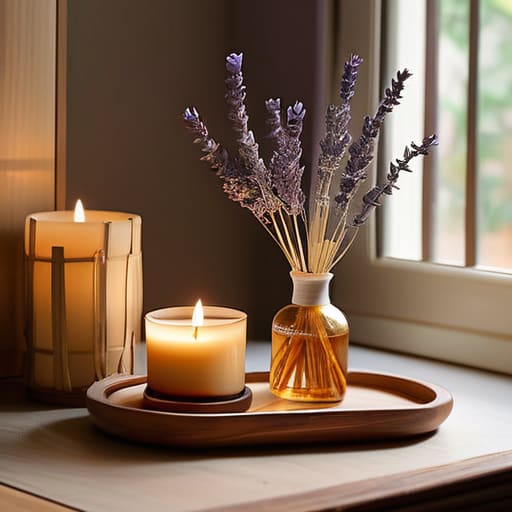
Most people treat gift-giving like a logistics nightmare—they scramble at the last minute and end up buying some cheap, synthetic air freshener that smells more like a laboratory than a home. It’s a waste of money and a waste of space. When you’re looking for scented gift ideas, the temptation to grab whatever is on sale at the supermarket is high, but those products are designed to fail. They vanish within twenty minutes, leaving nothing behind but a headache and a sense of regret. If you want to give something that actually matters, you have to look for substance over flash.
In this list, I’m cutting through the marketing noise to bring you five selections that actually hold their own. I’ve vetted these options based on one simple standard: they have to last. I won’t waste your time with fleeting trends or disposable junk; instead, I’ll show you how to find quality fragrances that linger and provide real value to the recipient. By the time you finish reading, you’ll know exactly how to choose a gift that serves a purpose and won’t end up in a landfill by next Tuesday.
Table of Contents
Pure Beeswax Candles
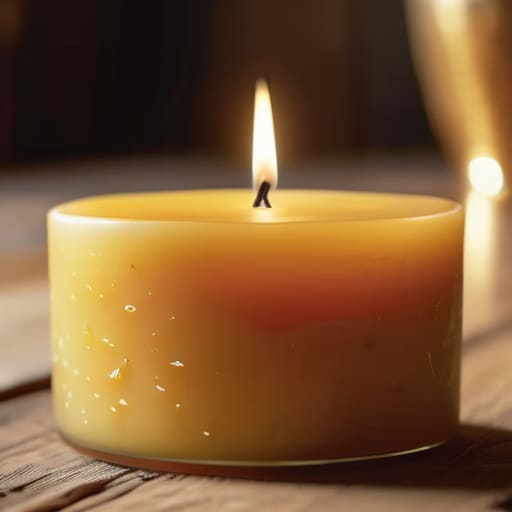
Most people walk into a department store and pick up a paraffin candle because it’s cheap and smells like a chemical factory. I won’t touch them. Paraffin is a petroleum byproduct that burns dirty and fills your lungs with unnecessary soot. If you’re going to burn something in your living room, it should be pure beeswax. It burns cleaner, longer, and has a natural, honey-like scent that doesn’t need a mountain of artificial additives to be pleasant.
Essential Oil Diffusers in Ceramic
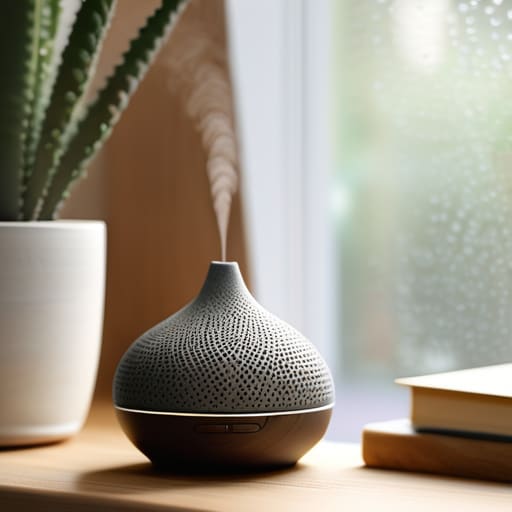
I’ve seen enough flimsy plastic gadgets to last a lifetime. The market is flooded with these cheap, electronic diffusers that look like they’ll crack the moment you move them. They’re essentially disposable junk wrapped in a sleek design. If you want to scent a room using essential oils, skip the plastic and look for a heavy, high-quality ceramic or stone diffuser. These pieces have weight to them, and they actually look like they belong on a shelf.
High-Quality Reed Diffusers
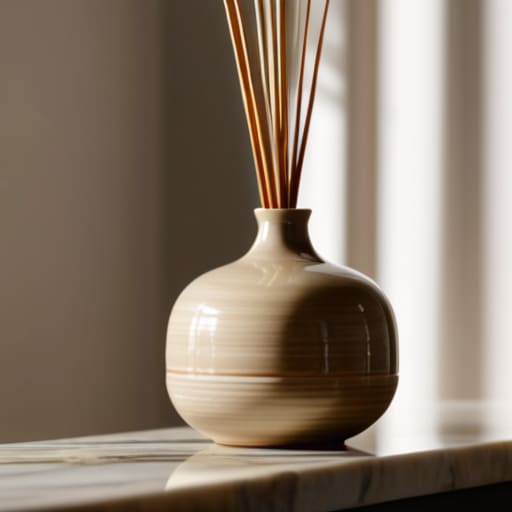
Reed diffusers are a classic for a reason, but most of them are poorly constructed. You see them in every gift shop, often using synthetic fragrances that smell more like cleaning supplies than anything natural. If you’re going to gift one, ensure the base is made of sturdy glass or stoneware and that the reeds are high-quality rattan. You want a product that provides a steady, consistent scent without needing constant intervention.
Hand-Poured Soy Wax Tins
There is something to be said for the simplicity of a well-made soy candle in a metal tin. I particularly like these because they are exceptionally practical. Unlike glass jars that can shatter or become difficult to repurpose, a sturdy tin can be cleaned out and used to hold small hardware, nails, or even woodworking bits once the wax is gone. It’s the kind of zero-waste thinking I wish more manufacturers would adopt.
Sandalwood or Cedarwood Incense
Incense gets a bad reputation because most people buy the cheap, charcoal-heavy sticks that smell like a campfire gone wrong. If you want to gift something truly atmospheric, steer clear of the mass-market brands. Instead, look for natural wood-based incense like sandalwood or cedar. These provide a deep, grounding aroma that feels substantial and timeless, rather than the fleeting, sugary scents of modern air fresheners.
The Bottom Line on Buying Scents
Stop chasing the cheap, synthetic sprays that lose their smell in ten minutes; if it doesn’t have a lasting presence, it’s a waste of money.
Prioritize natural ingredients like beeswax or soy, which offer a cleaner burn and better value over time than paraffin junk.
Look for reusable vessels—a high-quality glass or ceramic jar is a gift that keeps giving long after the scent is gone.
Quality Over Novelty
A scent shouldn’t be a fleeting gimmick or a chemical cloud that disappears before you’ve even finished unwrapping it; a proper gift uses natural ingredients to create an atmosphere that lingers long after the occasion has passed.
Hugo Steenkamp
Quality Over Everything
When you are selecting a scented gift, the goal shouldn’t be to just check a box on a shopping list. Whether you opted for the long-lasting burn of a beeswax candle, the natural complexity of essential oil diffusers, or a high-quality reed set, you’ve moved past the impulse to buy something cheap and disposable. Remember that a scent is more than just a smell; it is an investment in someone’s living space. By avoiding those synthetic, mass-produced sprays that vanish the moment you leave the room, you are choosing products that offer genuine value and a sense of permanence. Don’t settle for clutter that ends up in a landfill by next season; aim for items that possess substance and longevity.
At the end of the day, my philosophy remains the same regardless of what you are buying: buy it once and buy it well. A well-chosen fragrance can transform a house into a home, providing a sense of comfort that lasts far longer than a fleeting trend. When you gift something that is built to endure, you aren’t just giving an object; you are giving a piece of quality that respects the recipient’s home and their wallet. Stop chasing the flashy, temporary gimmicks you see advertised online. Instead, focus on the functional and the timeless. If it doesn’t serve a purpose and stand the test of time, it isn’t worth the shelf space.
Frequently Asked Questions
How can I tell if a candle is made with real essential oils rather than those cheap, synthetic fragrances that cause headaches?
Look, if a scent hits you like a hammer and leaves you with a throbbing headache, it’s garbage. Synthetic fragrances are just cheap chemicals masquerading as luxury. To spot the real deal, check the label for “pure essential oils.” If it just says “fragrance” or “parfum,” walk away. Real oils have a complexity to them—they shouldn’t smell like a candy factory. If the price seems too good to be true, it is.
Is it worth paying a premium for soy or beeswax, or am I just paying for fancy marketing?
Look, I’ve spent my career looking at supply chains and material quality, so I know a gimmick when I see one. Most cheap paraffin candles are just petroleum byproducts—they soot up your walls and smell like a chemical plant. You aren’t just paying for a label when you choose soy or beeswax; you’re paying for a cleaner burn and a scent that actually lasts. It’s an investment in your air quality, not just marketing fluff.
What’s the best way to ensure a scent actually lasts in a room without being overpowering?
Stop trying to drown your living room in heavy, synthetic sprays. That’s a fool’s errand that just leaves a headache. If you want a scent that lingers without being obnoxious, stick to high-quality reed diffusers or real beeswax candles. Place them in low-traffic areas or near a subtle air current—like a hallway—to let the fragrance drift naturally. It’s about a steady, low-level presence, not a sudden chemical assault.
