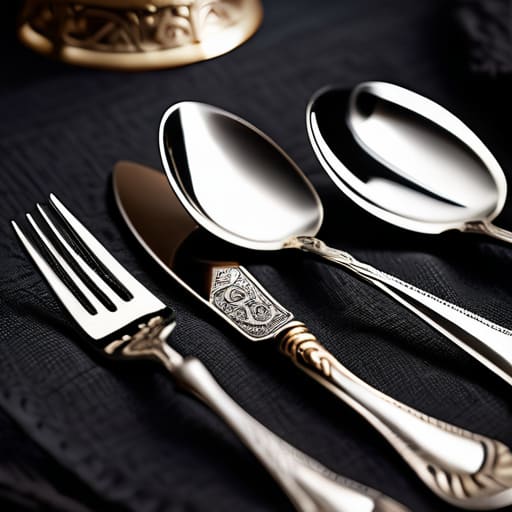
I remember sitting at my grandmother’s heavy oak table, watching her pull a set of heavy, tarnished spoons from a velvet-lined box. There was a weight to them—a real, physical presence—that you just don’t find in the flimsy, stamped-metal nonsense they sell in big-box stores today. Nowadays, people seem to think that buying a shiny, cheap set of silver cutlery is the same thing as owning an heirloom, but they’re mistaken. Most of what you see on those flashy retail websites is nothing more than disposable junk masquerading as luxury, designed to look decent for six months before the plating starts peeling off like a bad sunburn.
I’m not here to sell you on some high-priced brand name just because it has a fancy logo. My goal is to cut through the marketing fluff and tell you exactly what to look for so you don’t end up throwing money down the drain. I’m going to show you how to identify genuine quality and how to select pieces that are actually worth the investment. We’re going to focus on items that serve a purpose, endure the test of time, and can eventually be passed down to your children rather than ending up in a landfill.
Table of Contents
- Sterling Silver vs Silver Plated Making the Right Investment
- Luxury Flatware Sets That Defy the Passing Trends of Time
- How to Buy and Maintain Your Set Without Wasting a Dime
- The Bottom Line on Your Investment
- The True Cost of Cheap Metal
- The Long View on Your Dining Table
- Frequently Asked Questions
Sterling Silver vs Silver Plated Making the Right Investment
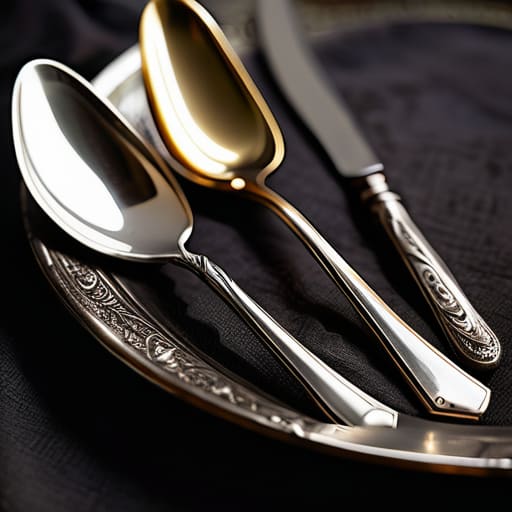
Now, let’s get down to the brass tacks of what you’re actually paying for. When you’re looking at sterling silver vs silver plated options, you aren’t just comparing two different looks; you are deciding between a legacy and a temporary fix. Silver plating is little more than a thin layer of precious metal chemically bonded to a cheaper base, like copper or brass. It looks fine on the shelf for a few months, but eventually, that thin coating wears down through use, leaving you with a mismatched, ugly mess. It’s the definition of disposable junk.
If you want to do this right, you buy sterling. It is solid silver all the way through. Yes, it requires more work—you’ll spend some time polishing silver silverware to keep the luster alive—but that is a small price to pay for something that won’t degrade. I’ve seen too many people try to save a few dollars on plated sets, only to find they have to throw the whole lot away within a few years. If you are interested in vintage silverware collecting or simply setting a proper table, stick to the real thing. It’s an investment that actually holds its value.
Luxury Flatware Sets That Defy the Passing Trends of Time
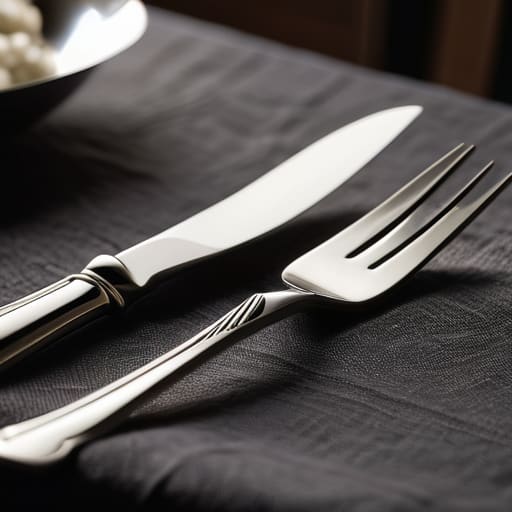
When you’re looking at luxury flatware sets, you need to look past the flashy marketing and focus on the weight and the build. I’ve seen too many people fall for those lightweight, polished sets that look decent under a showroom light but feel like tin in your hand. A real investment piece should have a balanced heft that tells you it’s built to last decades, not just a few seasons. If the pattern is too ornate or “trendy,” you’ll regret it in five years when the style shifts. Stick to the classics—solid, clean lines that wouldn’t look out of place in a dining room from forty years ago or forty years from now.
I also suggest looking into vintage silverware collecting if you want something with a soul. Finding a pre-owned set from a reputable estate doesn’t just save you money; it guarantees you’re getting metal that has already stood the test of time. These pieces were manufactured with a standard of craftsmanship we rarely see in modern mass production. Just be prepared to commit to the upkeep; a little regular polishing silver silverware is the price you pay for owning something that truly endures.
How to Buy and Maintain Your Set Without Wasting a Dime
- Check the weight before you even think about opening your wallet. If a piece feels light and hollow in your hand, it’s likely thin, cheap metal that will bend the first time you try to cut a piece of steak. Real quality has a substantial heft to it.
- Inspect the hallmarks under a good magnifying glass. Don’t just take a salesperson’s word for it; look for the stamps that prove it’s sterling or high-quality plating. If they can’t show you the mark, walk away.
- Avoid those flashy, overly ornate patterns that look like they belong in a museum. Trends change, and what looks “grand” today will look ridiculous in ten years. Stick to clean, classic lines that will look just as good in 2050 as they do today.
- Stop using those harsh, abrasive chemical cleaners that strip the finish. If you want your silver to last, use a gentle polishing cloth and proper care. You’re maintaining an heirloom, not scrubbing a greasy engine block.
- Buy your pieces in sets or as part of a complete pattern. There is nothing more frustrating than owning a beautiful set of spoons only to realize you can’t find a matching fork anywhere. Buy the whole system once, and you won’t have to hunt for replacements later.
The Bottom Line on Your Investment
Stop chasing the cheap, plated sets that flake and peel within a year; if you want something that lasts, you have to pay for real sterling silver upfront.
Look for weight and balance in the handle, not just a shiny finish, because a tool you can’t hold properly is a waste of money.
Buy pieces that are timeless and functional so you aren’t replacing them every time a new design trend hits your social media feed.
The True Cost of Cheap Metal
I’ve seen enough flimsy, stamped-out nonsense in my time to know that if a piece of cutlery feels weightless in your hand, it won’t last a decade, let alone a lifetime. Don’t be fooled by a shiny finish on a cheap alloy; if you aren’t buying something with enough substance to be passed down to your grandkids, you’re just throwing money into the bin.
Hugo Steenkamp
The Long View on Your Dining Table
At the end of the day, choosing the right silver is a matter of simple arithmetic. You can either spend a small amount now on silver-plated sets that will eventually pit, peel, and end up in a landfill, or you can do the math and invest in solid sterling silver that actually holds its value. We’ve discussed the technical differences and the styles that won’t look dated in five years, but the core lesson remains the same: quality is a hedge against waste. Don’t let the allure of a “bargain” fool you into buying something that won’t survive a decade of meaningful use.
I’ve spent my retirement restoring old tools, and if there is one thing I’ve learned, it’s that true value is measured in longevity. A well-chosen set of silver cutlery isn’t just a way to eat dinner; it’s a piece of your family’s history that you are building, one meal at a time. Stop looking for the quickest way to fill your drawers and start looking for the things that are worth keeping. Buy it once, buy it well, and let it be something your grandchildren actually want to use.
Frequently Asked Questions
How much actual work am I going to have to put into polishing these pieces to keep them looking decent?
Look, I’ll be blunt: if you want the real thing, you have to be prepared to put in some elbow grease. Silver isn’t a “set it and forget it” purchase. If you leave it sitting, it’s going to tarnish. You’ll need to polish it every few months to keep that luster. It’s a bit of a chore, sure, but that’s the price of quality. It’s better than replacing cheap, plated junk every year.
Is it worth the extra money to buy a mismatched set of vintage silver if the patterns don't perfectly align?
Look, if you’re chasing a showroom-perfect look, don’t bother. But if you’re looking for quality, the answer is a resounding yes. I’d much rather have a mismatched collection of solid, heavy sterling silver that has character than a brand-new, flimsy set of plated junk that’ll end up in a landfill in five years. A bit of variation tells a story. As long as the metal is real, it’s a smart, enduring investment.
How do I know if I'm being ripped off by a seller claiming a piece is solid sterling when it might just be heavy plating?
Look, I’ve seen enough subpar shipments in my career to know when something isn’t what it claims to be. Don’t just take their word for it. First, check for hallmarks—you’re looking for “925” or “Sterling.” If it’s missing, walk away. Next, use a magnet; real silver isn’t magnetic. If it sticks, it’s junk. Finally, look for wear on the edges. If you see a different metal peeking through, you’ve been sold plated rubbish.
