I’ll be the first to admit that when I hear the term “smart home,” I usually think of a pile of plastic junk that’ll be sitting in a landfill by next Christmas. Most people treat technology like fashion—something to be chased, used, and discarded when the next shiny thing comes along. But if you’re looking for smart home gifts that actually serve a purpose, you have to look past the gimmicks. There is a massive difference between a gadget that just looks cool on a shelf and a tool that actually improves the way a household functions on a daily basis.
I’ve spent my career managing supply chains, so I have a low tolerance for inefficiency and poorly made products. I don’t want to see you wasting your hard-earned money on electronic clutter that breaks the moment the warranty expires. In this list, I’ve narrowed it down to five specific items that meet my standards for utility and durability. I’m going to show you which pieces of technology are worth the investment and which ones you should steer clear of. If you want to buy something that truly lasts, keep reading.
Table of Contents
- Smart Thermostats That Actually Save You Money
- Quality Smart Lighting for Practical Use
- Robust Smart Locks for Peace of Mind
- Smart Plugs That Don't Overcomplicate Life
- High-End Smart Speakers for Home Utility
- Buy for Utility, Not for Hype
- On the Value of Modern Gadgets
- Making the Right Choice
- Frequently Asked Questions
Smart Thermostats That Actually Save You Money
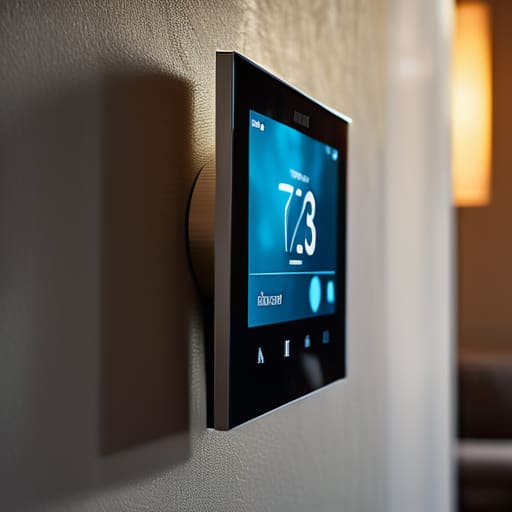
Most people think “smart” just means being able to control things from a phone while sitting on the couch, but if a device doesn’t improve your bottom line, it’s just a toy. I look for a thermostat that uses intelligent scheduling to optimize heating and cooling without you having to fiddle with it every single day. You want something that learns your patterns and adjusts accordingly, ensuring you aren’t burning money to heat an empty house.
Quality Smart Lighting for Practical Use
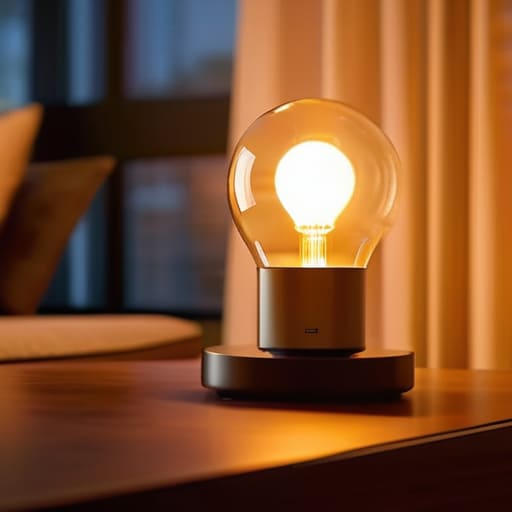
I’ve seen plenty of cheap, flickering LED bulbs that claim to be “smart” but end up being a headache within a month. If you’re going to gift smart lighting, steer clear of the bargain-bin stuff that relies on flimsy, proprietary hubs. Instead, look for systems that use standardized protocols like Zigbee or Matter. This ensures that the lights will actually work with the existing ecosystem in the home and won’t become obsolete bricks the moment a company changes its mind about support.
Robust Smart Locks for Peace of Mind
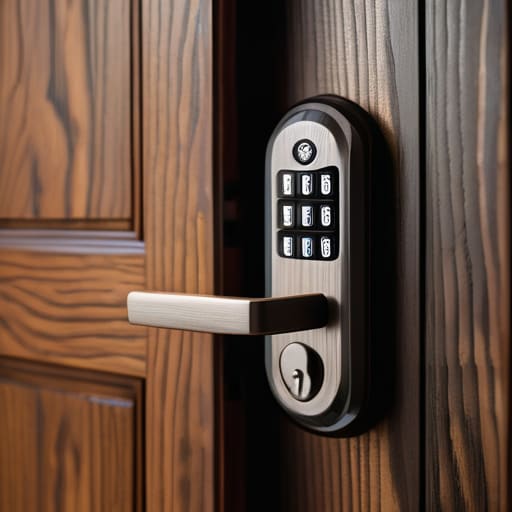
A door lock is the most fundamental piece of security in any home, so I don’t take “smart” upgrades lightly. I won’t recommend a plastic gadget that feels like it could be snapped off with a firm tug. You need to find a smart lock that features a heavy-duty deadbolt and a solid metal construction. If the hardware feels cheap in your hand, it’s going to fail when it actually matters, and that’s a risk no one should take with their home security.
Smart Plugs That Don't Overcomplicate Life
Now, don’t get me wrong, I’m usually skeptical of anything that requires an internet connection just to turn on a lamp. However, a well-made smart plug can be a workhorse for efficiency. They are excellent for automating older, high-quality appliances that aren’t “smart” by design. Instead of throwing away a perfectly good coffee maker or a vintage floor lamp, you can plug them into a sturdy smart outlet to manage their power usage.
High-End Smart Speakers for Home Utility
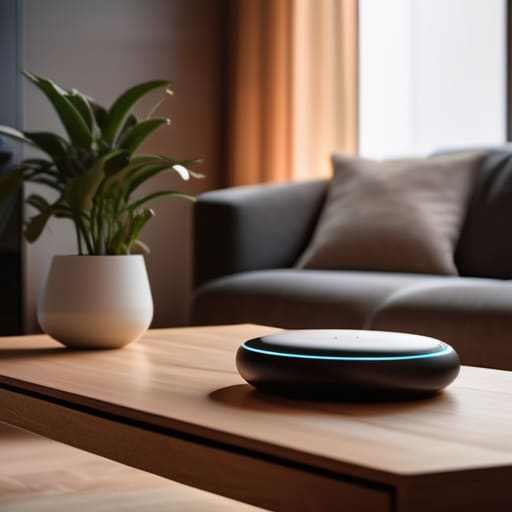
Most people treat smart speakers like glorified jukeboxes, but if you want to buy something that lasts, look for a device that acts as a centralized command hub. A good speaker should be able to manage your calendar, set timers for your cooking, and control your other smart devices with clear, accurate voice recognition. It shouldn’t just be about playing music; it should be about streamlining your daily routine so you spend less time fumbling with gadgets and more time getting things done.
Buy for Utility, Not for Hype
Stop chasing every shiny new gadget that promises to solve a problem nobody actually has; if it doesn’t serve a practical purpose in a daily routine, it’s just more clutter.
Prioritize build quality and longevity over clever software, because a smart device is useless if it’s made of cheap plastic and breaks before the warranty even expires.
Look for products that offer genuine value and seamless integration, ensuring your gift is a lasting addition to a home rather than a fleeting tech trend.
On the Value of Modern Gadgets
Most people treat smart home tech like a toy—something to play with until the next version comes out. If you’re going to spend your hard-earned money on a gift, don’t buy a novelty; buy a tool that actually streamlines a task and is built with enough quality to stay relevant for more than one season.
Hugo Steenkamp
Making the Right Choice
At the end of the day, choosing a smart home gift shouldn’t feel like a gamble on the next big tech fad. We’ve looked at everything from security systems that actually provide peace of mind to lighting that serves a genuine purpose, and the common thread is clear: utility must come before novelty. If you follow my advice, you won’t be handing over a box of plastic junk that ends up in a landfill by next Christmas. Instead, you’ll be giving something that integrates seamlessly into their daily routine and offers a tangible return on the investment. Remember, the best gifts aren’t the ones that flash the brightest or have the most bells and whistles; they are the ones that solve a real problem without requiring a degree in computer science to operate.
I know it’s tempting to just click “buy now” on whatever shiny gadget is trending on your feed, but I’m asking you to slow down. A home is a sanctuary, not a showroom for disposable electronics. When you shop with intention, you’re teaching the people you care about to value quality over quantity. Stop chasing the temporary high of a new trend and start looking for tools that will stand the test of time. Buy things that work, buy things that endure, and most importantly, buy it once and buy it well.
Frequently Asked Questions
How do I know if these smart gadgets will actually work with the systems I already have at home?
Look, don’t just take a salesperson’s word for it. Before you hand over your hard-earned cash, check the box for “compatibility.” You’re looking for specific protocols like Matter or Thread, or at least a clear mention of whether it works with the hub you already own—be it Alexa, Google, or Apple. If the packaging is vague about which ecosystem it plugs into, leave it on the shelf. If it doesn’t talk to your current setup, it’s just expensive scrap metal.
Is it worth spending more on a premium brand, or am I just paying for a fancy name?
Look, I’ve spent thirty years in logistics; I know exactly how much a “brand name” costs to move through a supply chain. Most of the time, you’re paying for a marketing budget and a shiny logo. But there’s a difference between paying for prestige and paying for quality. If that premium price tag covers better materials, superior engineering, and a warranty that actually means something, pull the trigger. If it’s just a fancy label on cheap plastic? Walk away.
What happens to all this technology once it becomes obsolete in a couple of years?
That’s the real problem with this industry, isn’t it? Most of these gadgets are designed with a shelf life shorter than a carton of milk. When the software stops updating or the hardware fails, they end up in a landfill, adding to the mountain of electronic waste. It’s a logistical nightmare and a complete waste of resources. If you can’t find something with modular parts or long-term support, you aren’t buying a tool—you’re buying future trash.
