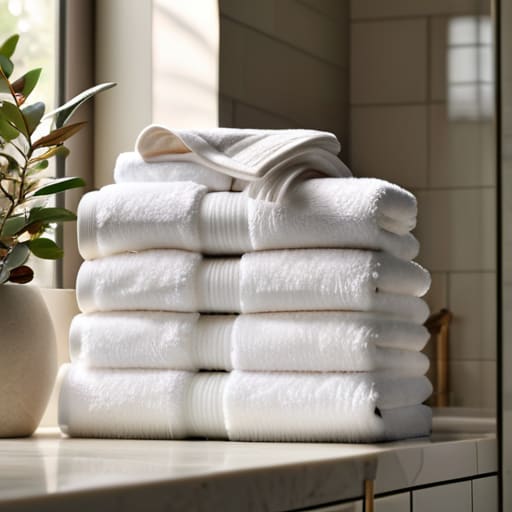
I remember standing in the middle of a big-box retail aisle last Tuesday, staring at a wall of “luxury” linens, and feeling nothing but pure frustration. The marketing fluff promised me a “spa-like experience,” but all I saw were overpriced, flimsy scraps of fabric wrapped in layers of unnecessary plastic. It’s the same old story: companies are selling you a lifestyle instead of a functional product. Most of these high-end cotton towels are nothing more than thin, glorified rags that lose their ability to actually absorb water after a mere handful of cycles in the wash. It’s a complete waste of hard-earned money to buy into the hype when the quality just isn’t there.
I’m not here to sell you on a dream or a fancy brand name. My goal is to cut through the nonsense and tell you exactly what to look for so you can buy it once and buy it well. I’ll be sharing my straightforward criteria for weight, weave, and durability, ensuring you invest in textiles that actually endure. We’re going to find you towels that serve their purpose without the empty marketing promises.
Table of Contents
- The Truth About High Gsm Cotton Towels and Longevity
- Choosing Sustainable Cotton Textiles Over Fleeting Luxury Trends
- Five Hard Truths for Buying Towels That Won't End Up in a Landfill
- The Bottom Line on Your Linen Closet
- The Cost of Cheap Fabric
- The Bottom Line on Your Linens
- Frequently Asked Questions
The Truth About High Gsm Cotton Towels and Longevity
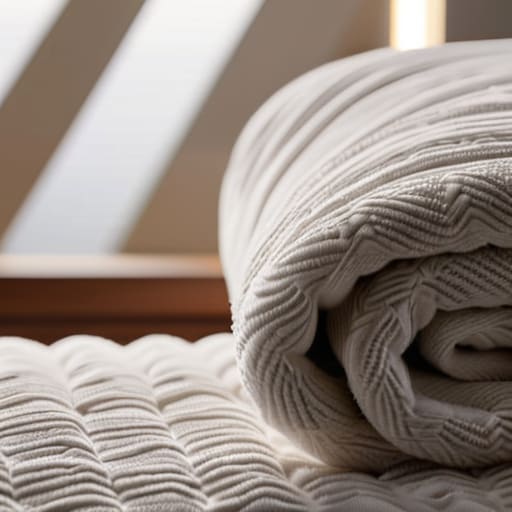
When you’re browsing for linens, you’ll see a number thrown around constantly: GSM. It stands for grams per square meter, and in my years managing logistics, I learned that the numbers don’t lie—they tell you exactly what you’re paying for in terms of density and substance. Most people see a high number and think “luxury,” but I see it as a measure of durability and absorption. If you want a towel that actually does its job, you need to look for high GSM cotton towels. A low-density towel might feel soft for the first five minutes, but it will lose its structural integrity faster than a cheap plastic tool.
A higher GSM means more fiber per inch, which directly impacts the cotton towel drying capacity. I don’t have the patience for towels that just move water around your skin without actually absorbing it. You want something heavy enough to hold its shape after a hundred cycles in the wash, not something that turns into a thin, useless rag after a single month. Investing in weight isn’t about vanity; it’s about buying something that actually works.
Choosing Sustainable Cotton Textiles Over Fleeting Luxury Trends
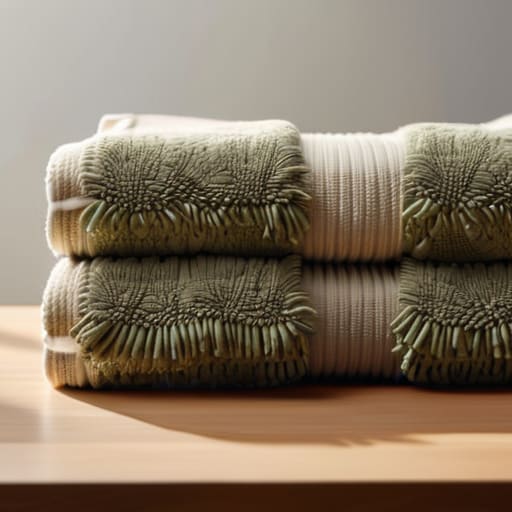
I’ve seen it all in my years managing supply chains—the endless cycle of manufacturers pumping out cheap, low-grade goods just to hit a price point. You see it in the “luxury” aisles too, where brands slap a high price tag on something that’s essentially disposable. They call it a trend, but I call it a waste of resources. When you’re looking for sustainable cotton textiles, don’t get blinded by fancy branding or gold-embossed packaging. Instead, look for the substance. I always tell my friends to prioritize organic cotton bath linens because they aren’t just better for the planet; they tend to hold their structural integrity much longer than their chemically-treated counterparts.
If you want to stop the cycle of constant replacement, you have to look past the marketing fluff. A truly quality piece of fabric shouldn’t just feel soft for the first week; it needs to maintain its cotton towel drying capacity even after a hundred trips through the wash. Investing in something built to last means you aren’t contributing to a landfill every six months. It’s about buying it once and buying it well.
Five Hard Truths for Buying Towels That Won't End Up in a Landfill
- Stop chasing the highest number on the label; a massive GSM is useless if the weave is loose and prone to snagging. Look for tight, dense loops that feel substantial in your hand, not just heavy on the scale.
- Demand 100% long-staple cotton. I’ve seen too many “blends” that feel soft in the store but turn into scratchy, lint-shedding messes after a single month of heavy use.
- Check the edges before you buy. If the hem looks flimsy or poorly stitched, that towel is going to unravel in your laundry machine. I only buy towels with reinforced, double-stitched borders.
- Avoid the trap of “ultra-soft” chemical coatings. Many manufacturers use silicone finishes to make cheap cotton feel plush on the shelf, but those coatings wash off instantly, leaving you with a rag.
- Look for single-source, organic certifications. If a company can’t tell you where their cotton comes from or how it’s packaged, they’re likely cutting corners on quality and sustainability to pad their margins.
The Bottom Line on Your Linen Closet
Stop chasing the highest GSM number just because a label says so; look for a dense, tight weave that won’t fray or pill after a few months of heavy use.
Prioritize long-staple cotton over cheap blends, because if the fibers are short, you’re essentially buying a disposable rag that will lose its shape by next season.
View your towels as a long-term investment rather than a seasonal purchase; a single set of sturdy, well-made cotton is far more economical than replacing thin, flimsy sets every year.
The Cost of Cheap Fabric
“I’ve spent enough years managing supply chains to know when a company is cutting corners; if a towel feels flimsy in the hand, it’s going to be a rag in six months. Stop buying the cheap, thin stuff just because it’s on sale—buy a heavy, honest cotton towel that actually does its job and stays in your linen closet for years, not weeks.”
Hugo Steenkamp
The Bottom Line on Your Linens
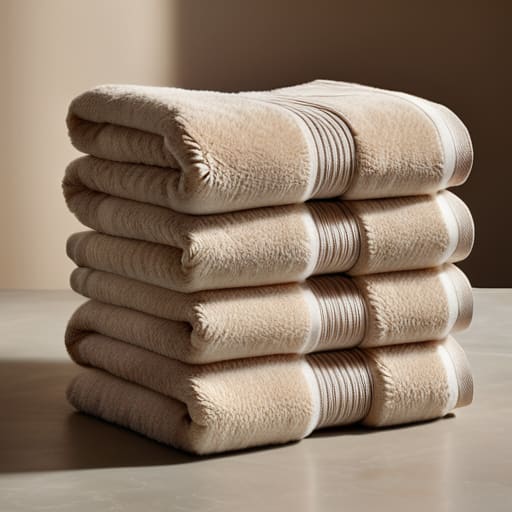
At the end of the day, choosing the right towel comes down to looking past the fancy marketing and focusing on the fundamentals. We’ve covered why a high GSM isn’t just a number on a label, but a measure of how much work that fabric can actually do, and why opting for sustainable, long-staple cotton is a smarter move for your wallet and the planet. Don’t get distracted by those thin, overpriced sets that look good on a showroom floor but turn into rags after a month of heavy use. If you prioritize structural integrity and high-quality fibers, you won’t find yourself replacing your entire linen closet every single season. Buy for durability, not for the brand name.
My philosophy has always been simple: if it doesn’t serve a purpose and stand the test of time, it doesn’t belong in your home. A good towel should feel substantial in your hands and continue to perform well long after the trendiness of the current season has faded. Stop participating in the cycle of buying cheap, disposable goods that inevitably end up in a landfill. Instead, take the time to select pieces that offer genuine value and lasting comfort. Invest in quality once, and you can finally stop worrying about the next replacement. Make it count.
Frequently Asked Questions
How often should I actually be replacing my towels if I'm buying high-quality ones?
If you’ve done your job right and invested in heavy-duty, high-GSM cotton, you shouldn’t be replacing them every year like those flimsy department store rags. If you treat them well—wash them with minimal detergent and avoid excessive heat—a quality towel should serve you for five to seven years. If yours are fraying or losing absorbency after only twelve months, you didn’t buy quality; you bought a trend. Buy once, use it well.
Is there a real difference between organic cotton and regular cotton when it comes to how long the fabric lasts?
Look, it’s not just about the label; it’s about the fiber. Regular cotton is often treated with harsh chemicals and pesticides that can actually weaken the natural integrity of the thread over time. Organic cotton, when grown properly, tends to be sturdier because the fibers haven’t been degraded by heavy chemical processing. If you want a towel that won’t shred after a year of heavy use, go organic. It’s a better investment for your wallet and the planet.
How can I tell if a towel is actually heavy-duty or if the manufacturer is just using marketing fluff to jack up the price?
Look, don’t let a fancy label fool you. Marketing departments love to throw around words like “premium” and “luxury” to justify a markup, but those are just empty words. To see if a towel has real substance, you have to look at the construction. Check the weave; if it feels loose or uneven, it’s going to fray. Most importantly, feel the weight and the density of the loops. If it feels flimsy in your hands, it’ll be useless after a month of laundry.
