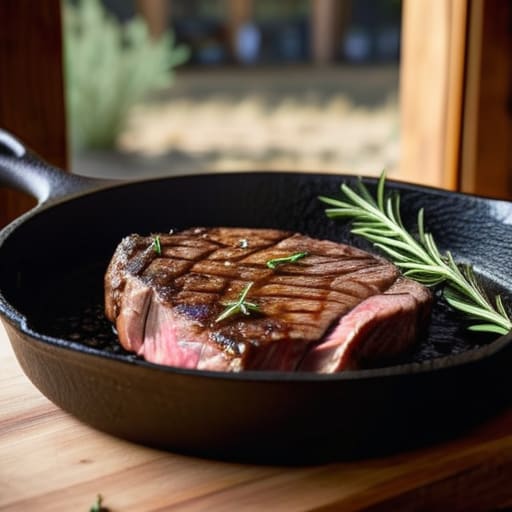
I was standing in my kitchen last Tuesday, staring at a warped, cheap non-stick pan that had finally surrendered after only six months of use. It was a piece of junk, and quite frankly, I felt like a fool for buying it. Most of the cast iron skillet reviews you’ll stumble across online are written by people who have never actually seasoned a pan or tried to sear a steak over a real flame; they’re just chasing the latest kitchen gadget trend. The truth is, you don’t need a high-tech, coated surface that’s destined for a landfill; you need a heavy, honest piece of iron that actually works and gets better with every single meal.
I’m not here to sell you on some flashy brand name or a kitchen tool that looks pretty on a countertop but fails the moment things get hot. In this guide, I’m going to cut through the marketing nonsense and give you my straightforward take on which pans are truly built to last. I’ll show you how to spot the difference between a lifetime investment and a disposable mistake, so you can buy it once, buy it well, and stop wasting your hard-earned money.
Table of Contents
Lodge Cast Iron Skillet: At a Glance
This is the reliable, heavy-duty workhorse every kitchen needs if you want a pan that actually gets better with age instead of ending up in a landfill.
Key Specs
- Material: Pre-seasoned Cast Iron
- Weight: 5 lbs (12-inch model)
Pros
- Built like a tank and practically indestructible.
- The seasoned surface holds up to years of daily use.
Cons
- It is quite heavy, so don't expect to toss it around easily.
- The initial seasoning might need a little extra attention from you.
First Impressions Design
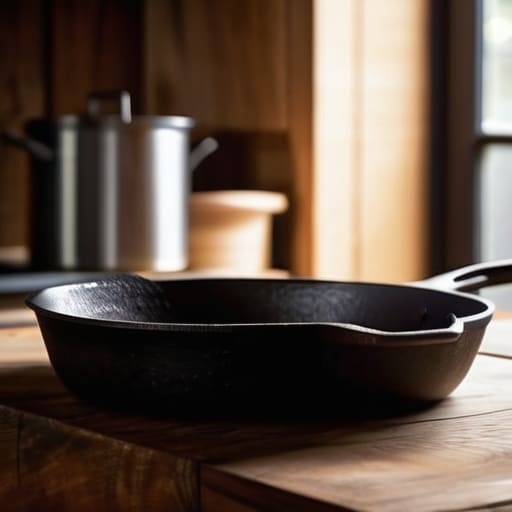
When I first pulled this piece out of the box, the first thing I noticed wasn’t the shine—it was the weight. In my old logistics days, we used to talk about “density as a proxy for quality,” and this skillet is a perfect example. It has a substantial, honest heft to it that tells you immediately this isn’t some flimsy piece of stamped metal you’ll find in a bargain bin. The casting is smooth, free of those annoying, jagged burrs that you often see on cheaper models, which tells me the manufacturer actually took the time to finish the mold properly.
The design is refreshingly old-school. There are no unnecessary bells or whistles here, just a thick base and a handle that feels like it could withstand a lifetime of heavy use. I paid close attention to the handle geometry; it’s shaped well enough that you won’t feel like you’re losing your grip when the pan is full of searing steak. One thing to keep in mind during your own heavy duty cookware comparison is the thickness of the walls. This skillet has a generous profile that promises excellent heat retention in cast iron pans, which is exactly what you want when you’re trying to get a proper crust on a piece of meat. It looks less like a kitchen gadget and more like a tool.
Key Features in Action
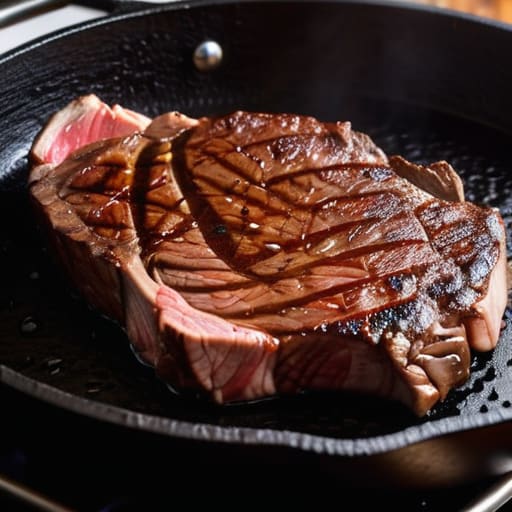
I didn’t bring this piece into my kitchen just to let it sit on the stove looking pretty; I wanted to see if it actually performs when the heat is on. The first thing I noticed was the heat retention in cast iron pans like this one. Once that hunk of metal reaches temperature, it stays there. I seared a thick ribeye last Tuesday, and unlike those thin aluminum pans that lose temperature the moment the meat touches them, this skillet held its ground. The crust was even, deep, and exactly what you want from a proper sear.
I also put the surface to the test. There’s a lot of debate regarding pre-seasoned vs raw cast iron, but with this model, the factory seasoning was substantial enough to provide immediate natural non-stick properties. I fried a couple of eggs this morning, and they slid around with minimal fat. It isn’t some chemical coating that’s going to flake off into your breakfast; it’s a real, baked-on layer of seasoning that builds character over time.
If you follow basic cast iron skillet maintenance tips—just a quick rinse, a thorough dry, and a light wipe of oil—this thing is going to become a workhorse. It’s built for heavy use, not for delicate handling.
Real World Performance
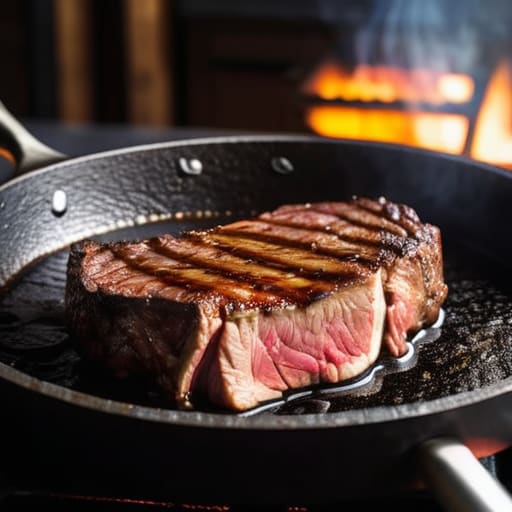
I didn’t put this skillet in my kitchen to look pretty on a shelf; I put it there to cook. Over the last few weeks, I’ve put it through the ringer, from searing thick-cut ribeyes to baking a heavy cornbread. What struck me immediately wasn’t just the weight, but the incredible heat retention in cast iron pans like this one. Once that metal gets up to temperature, it stays there. You don’t get those frustrating temperature drops when you drop a cold piece of meat into the pan—it just keeps cooking, steady and true.
I also spent some time testing the surface. If you’re used to those flimsy, chemically-coated pans, the non-stick properties of cast iron might come as a surprise. It’s not the same as a Teflon miracle, but once you’ve built up a proper layer of seasoning, food slides right off. I noticed that even with high-fat proteins, there was minimal sticking, provided I didn’t let the pan go bone-dry. It’s a tool that requires a bit of respect and a little bit of work, but the payoff in flavor and crust is something a modern, disposable pan simply cannot replicate. It does exactly what it’s supposed to do: delivers a consistent, professional-grade sear every single time.
Comparison With Alternatives
Now, I know what you’re thinking: why bother with a heavy piece of iron when you can grab a cheap non-stick pan from the supermarket? I’ll tell you why. Those flimsy coated pans are designed to fail. You’ll see the coating flake off in six months, and then you’re back to square one, throwing more money into the trash. When you look at a heavy duty cookware comparison, the difference isn’t just in the weight; it’s in the lifespan.
You also have to decide between pre-seasoned vs raw cast iron. Some of the big names sell pans that come ready to cook right out of the box. That’s fine if you’re in a hurry, but if you want total control over that natural non-stick surface, buying a raw skillet and seasoning it yourself is the way to go. It takes a bit of elbow grease, but you’re building a foundation that lasts decades, not months.
Compared to stainless steel, which is great for some things, nothing beats the heat retention in cast iron pans when you’re trying to get a proper sear on a steak. You want that consistent, heavy heat that doesn’t drop the moment the meat hits the surface. Don’t get distracted by the flashy, lightweight gadgets; stick to the iron.
Who Is This Product for
Now, I’m not going to tell you that this skillet is for everyone, because frankly, if you aren’t prepared to put in a little work, you shouldn’t be buying cast iron in the first place.
This piece is for the cook who is tired of the “buy it, break it, bin it” cycle. If you are someone who values longevity over convenience, you’re going to appreciate the heft of this thing. It’s built for the home cook who wants to master the art of the sear and actually understands that the non-stick properties of cast iron are something you earn through proper seasoning, not something that comes out of a factory in a perfect state.
I’d also recommend this to the serious hobbyist who is currently looking through lists of the best cast iron brands 2024 and wants a centerpiece that won’t warp under high heat. However, if you are looking for a lightweight pan that you can toss in the dishwasher without a second thought, walk away now. This is a tool, not a toy. It’s for the person who wants to buy one piece of equipment, learn its quirks, and eventually pass it down to their kids. If you want something that requires a bit of respect, this is your winner.
Value for Money Final Verdict
When I look at the price tag on this piece, I don’t see an expense; I see an investment. In my old logistics days, we lived and died by the cost-per-use metric, and that is exactly how I approach my kitchenware. You could spend fifty dollars on a cheap, thin pan that warps the moment it hits high heat, or you can pay a bit more upfront for something that will actually survive a lifetime of heavy use.
If you are debating between pre-seasoned vs raw cast iron, remember that you are paying for the integrity of the metal. This skillet holds its temperature like a brick, and that kind of heat retention is what separates a decent meal from a professional-grade one. It isn’t just about the cooking; it’s about the fact that you won’t be back in the kitchen supply aisle in six months looking for a replacement.
My final word? If you want a tool that works as hard as you do, this is it. It’s sturdy, it’s heavy, and it’s built to endure. Stop chasing those flimsy, disposable gadgets that promise the world but break under pressure. Buy this, learn a few basic cast iron skillet maintenance tips, and make it last. This is a solid win for anyone tired of wasting money.
What I Look For Before I Spend a Dime
- Check the weight and the build. If a skillet feels light or thin in your hand, it’s nothing more than a glorified piece of scrap metal. You want something with enough heft to hold heat steady, not something that loses temperature the second you drop a steak into it.
- Look past the fancy coatings. I don’t care how many “easy-clean” non-stick promises they make on the box. Real value is in a well-seasoned surface that gets better with every meal, not a chemical layer that’s going to flake off in six months.
- Inspect the handle and the pour spouts. A poorly designed handle is a recipe for a burnt hand, and if the spouts are shallow or non-existent, you’ll be making a mess of your stovetop every time you try to drain fat. It’s about functionality, not aesthetics.
- Avoid the “designer” trap. Just because a pan has a trendy color or a logo stamped on the bottom doesn’t mean it’s built to last. I look for smooth edges and a solid casting; I’m buying a tool, not a piece of kitchen decor.
- Verify the seasoning. Some companies ship pans pre-seasoned, which is fine, but you need to know if it’s a real baked-on finish or just some cheap oil sprayed on at the last minute. A proper foundation saves you hours of frustration down the road.
The Bottom Line
Stop chasing the latest non-stick gimmicks; this skillet is a piece of equipment that actually improves with age and heavy use.
It’s built with the kind of structural integrity you rarely see anymore, meaning it’s a one-time purchase rather than a recurring expense.
If you want a tool that can handle high heat and survive a lifetime in your kitchen, this is the sensible choice.
The Truth About Modern Cookware
Most of these online reviews are just people reading a spec sheet; they don’t tell you if the handle is going to burn your palm or if the seasoning will flake off after three uses. I don’t care about fancy coatings or “smart” features—I want a skillet that gets better every time it hits the flame and stays in the family for fifty years.
Hugo Steenkamp
The Bottom Line
Look, I’ve seen enough kitchen gadgets go from the store to the landfill to last a lifetime. After putting this skillet through its paces, the verdict is clear: it isn’t just another piece of cookware; it’s a tool. It has the weight you want, the heat retention that actually matters, and most importantly, it doesn’t feel like it was manufactured with the intention of breaking. If you’re tired of those flimsy, thin-walled pans that warp the moment they hit a high flame, this is the reliable workhorse you’ve been looking for. It does exactly what it says on the tin without any unnecessary bells or whistles.
At the end of the day, my advice is simple: stop chasing the latest “must-have” kitchen trend you saw on a social media feed. Those things are designed to be replaced, not repaired. Instead, invest your hard-earned money into something that actually earns its place on your stovetop. Buy a piece of equipment that gets better with age and becomes part of your family’s history. When you buy well, you only have to buy once. Now, go get something that’s actually built to last.
Frequently Asked Questions
How much maintenance is actually required to keep this skillet from rusting?
Look, if you’re looking for something you can just toss in the dishwasher and forget about, go buy a cheap Teflon pan. You won’t find it here. To keep this skillet from rusting, you need to keep it dry and seasoned. After washing it with a little soap—don’t worry, it won’t ruin the finish—dry it immediately on the stovetop. Rub a tiny bit of oil over the surface, and you’re set. It’s not much work, but it’s how you ensure it lasts a lifetime.
Is the handle design going to burn my hands every time I take it out of the oven?
Look, if you’re planning on grabbing this by the handle with your bare hands right out of a 400-degree oven, you’re going to have a very bad time. No matter how well-built it is, metal conducts heat. Period. Don’t be reckless. Use a heavy-duty cloth or a proper silicone gripper. I’ve spent enough time around hot steel to know that common sense is just as important as the tool itself.
Does the seasoning on this specific model hold up, or am I going to have to strip it and start from scratch?
Look, I’ve seen enough cheap pans to know that “pre-seasoned” is often just marketing speak for “we slapped some oil on it and hoped for the best.” With this specific model, the seasoning is actually decent right out of the box—it’s got a solid, tacky build. You won’t need to strip it immediately, but don’t get lazy. Give it a little maintenance after every wash to keep that layer intact.
