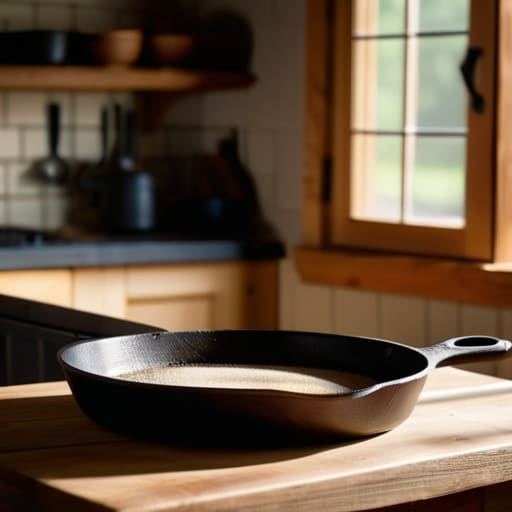
I remember sitting in my workshop last Tuesday, cleaning a rusted-out piece of junk I’d bought from a “specialty” kitchen boutique, and it hit me how much nonsense is out there. People are being sold these overpriced, designer versions of cast iron skillets that cost a fortune just because they have a fancy logo stamped on the bottom. It makes my blood boil. You don’t need a gold-plated handle or a marketing budget to get a decent sear on a steak; you just need heavy, honest metal that doesn’t flinch when you turn up the heat.
I’m not here to sell you on some lifestyle trend or a way to make your kitchen look “aesthetic” for a social media post. I’m going to give you the straight truth about what actually works and what is just expensive landfill fodder. I’ll show you how to identify a piece of equipment that will outlive you, how to maintain it without the theatrical nonsense, and why buying it once is the only way to shop. Let’s stop wasting money and start buying things that actually last.
Table of Contents
The Truth About Cast Iron vs Non Stick
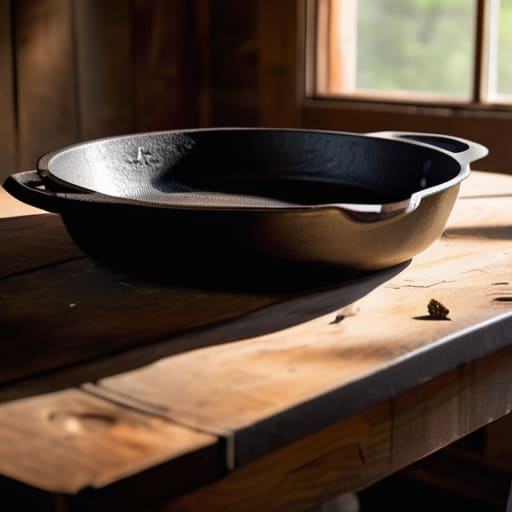
I see people walking through the aisles of big-box stores every week, grabbing these flimsy, Teflon-coated pans that promise “easy cleanup.” Let me tell you something: those pans have an expiration date. Within a year, the coating starts to flake, the surface scratches, and suddenly you’re back in the store buying another piece of disposable junk. When you compare cast iron vs non-stick, it isn’t even a fair fight. One is a temporary convenience that ends up in a landfill; the other is a tool that actually improves with age.
The real reason a seasoned pan beats a non-stick every time comes down to heat retention in cookware. A cheap pan loses its temperature the second you drop a cold steak into it, whereas a heavy piece of iron holds that heat like a champ. Yes, there is a slight learning curve with seasoning cast iron pans to get that natural non-stick surface right, but that’s a small price to pay for a tool that doesn’t quit on you. Stop chasing the easy way out and start investing in gear that actually works.
Superior Heat Retention in Cookware That Lasts
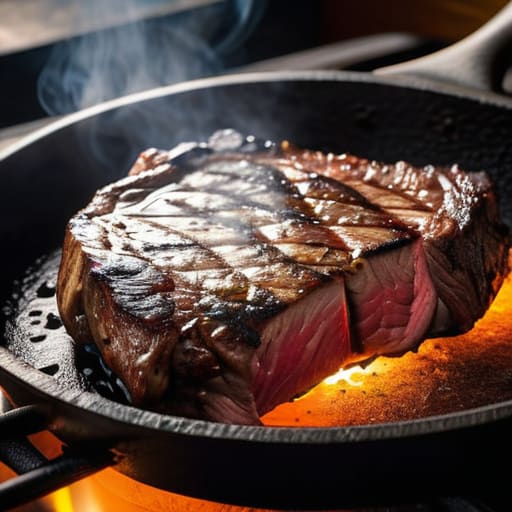
If you’ve ever tried to sear a steak in a thin, cheap aluminum pan, you know the frustration of the temperature dropping the second the meat hits the surface. It’s a losing battle. The reason I rely on these heavy pieces of metal is because of their incredible heat retention in cookware. Once a solid iron pan gets up to temperature, it stays there. It doesn’t flinch when you drop in a cold piece of protein; it holds its ground, providing that consistent, even heat that turns a mediocre meal into something worth eating.
However, you can’t just throw it on a burner and expect magic. You have to respect the physics of the material. I always make a point of preheating cast iron skillet surfaces slowly and thoroughly before I even think about adding oil or food. If you rush it, you’ll end up with hot spots that scorch your meal. It takes a bit of patience and a disciplined approach, but that’s the price you pay for professional-grade results. You aren’t just cooking; you’re managing thermal mass, and when you do it right, the results are unbeatable.
Five Rules for Making Your Skillet a Lifelong Companion
- Stop treating it like a delicate piece of china; cast iron is built for work, so don’t be afraid to use it, but don’t go soaking it in the sink overnight either.
- Season it properly from day one—you want a layer of polymerized oil that’s as tough as armor, not a greasy mess that flakes off into your eggs.
- Ditch the harsh chemical soaps; a little hot water and a stiff brush are all you need to keep it clean without stripping away that hard-earned patina.
- Always dry it immediately with a cloth and hit it with a quick drop of oil on the stove to prevent rust from setting in while it’s sitting in the cupboard.
- Use it for more than just frying; sear your steaks, bake your cornbread, and let that heavy metal do the heavy lifting that thin, modern pans simply can’t handle.
The Bottom Line on Your Kitchen Investment
Stop throwing money away on Teflon pans that peel and die after a year; a single cast iron skillet is a one-time purchase that actually pays for itself over decades.
Don’t let the “maintenance” myth scare you off—taking care of a good piece of iron is a simple, sensible habit that ensures the tool works as well in twenty years as it does today.
Look for weight and density when shopping; if a pan feels hollow or flimsy, it’s just more disposable junk destined for a landfill, and it’s not worth your hard-earned cash.
Stop Buying Disposable Kitchenware
“I’ve spent enough years managing supply chains to know when a product is designed to fail. Most modern pans are just cheap metal coated in chemicals that’ll peel off in six months; a cast iron skillet is the exact opposite—it’s a tool that actually gets better the more you use it.”
Hugo Steenkamp
Making the Right Call
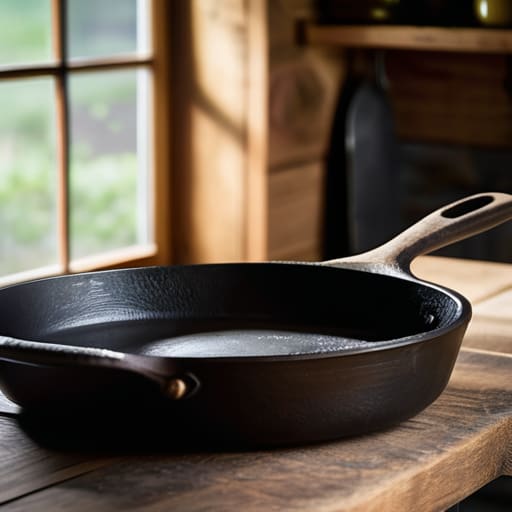
At the end of the day, choosing a cast iron skillet isn’t about following a culinary trend or buying whatever looks shiny on a social media feed. It’s about recognizing that a piece of equipment should be an asset, not a recurring expense. We’ve looked at how these pans hold heat better than any thin aluminum slab and why they leave those flimsy, chemical-coated non-stick pans in the dust. When you invest in a solid piece of cast iron, you aren’t just buying a way to fry an egg; you are investing in superior thermal mass and a tool that actually improves with age. Don’t let the marketing fool you into thinking you need a cabinet full of specialized, disposable gadgets when one reliable workhorse can do the job of ten.
My advice is simple: stop the cycle of constant replacement. It is frustrating to watch people toss out a “premium” pan every two years just because the coating failed. Instead, find a heavy, well-made skillet, take the time to season it properly, and treat it with the respect a quality tool deserves. There is a profound sense of satisfaction in using a tool that has been in your kitchen for decades and will likely be passed down to your children. Buy it once, buy it well, and stop contributing to the mountain of landfill junk. Your wallet, and your kitchen, will thank you.
Frequently Asked Questions
How much work is it really to maintain the seasoning, or am I going to spend my whole weekend scrubbing a pan?
Look, let’s get one thing straight: if you’re looking for a piece of cookware that requires a PhD and a full weekend of labor, go buy some Teflon. That’s not what this is. Maintaining a skillet isn’t a chore; it’s just a habit. You wash it, dry it thoroughly, and rub on a tiny bit of oil. That’s it. It takes five minutes, tops. Don’t let the myths scare you off.
Is it actually worth the extra weight, or am I going to struggle to move it from the stove to the table?
Look, I’ll be honest: yes, they are heavy. There’s no sugarcoating that. If you’re used to flimsy aluminum pans that feel like nothing, a seasoned skillet will catch you off guard. But that weight is exactly why it cooks so well—it’s thermal mass, plain and simple. Just use two hands, move with intention, and stop treating your cookware like it’s disposable. It’s a tool, not a toy. Handle it with respect, and it’ll serve you for decades.
Can I actually use these in a modern oven, or is this old-school gear too limited for how I cook today?
Listen, if you think cast iron is stuck on a wood-burning stove from 1920, you’ve got it wrong. These pans are built for the modern oven. Whether you’re roasting a chicken at 400 degrees or baking a loaf of sourdough, a skillet can handle the heat without breaking a sweat. It’s one of the few pieces of gear that actually bridges the gap between old-school durability and how we cook today.
