I remember sitting at my kitchen table last winter, staring at a cracked ceramic liner and a pile of burnt beef stew that cost me forty dollars in wasted ingredients. I had followed one of those glossy, influencer-driven slow cooker reviews online, thinking a sleek new gadget would change my life, only to realize I’d bought a glorified plastic bucket that couldn’t maintain a steady heat. It’s a frustrating cycle: you see a shiny product, read a dozen glowing testimonials, and end up with a piece of disposable junk that ends up in a landfill before the year is out.
I’m not here to sell you on the latest “smart” kitchen gadget that requires a Wi-Fi connection just to simmer a pot of beans. My goal is to cut through the marketing fluff and provide you with straightforward, practical guidance on which models actually have the heft and the heating consistency to survive a decade of daily use. I’ve spent my career looking at supply chains and durability, and I’m applying that same scrutiny here. You’re going to get my honest take on which machines are worth your hard-earned money and which ones are just expensive clutter.
Table of Contents
The Ironclad Crock-Pot Series: At a Glance
A heavy-duty, no-nonsense slow cooker designed for people who want to cook real meals without worrying about a cheap heating element burning out.
Key Specs
- Material: Heavy-duty ceramic and brushed stainless steel
- Capacity: 7-Quart
Pros
- Built like a tank with a thick ceramic insert that holds heat consistently
- Simple, tactile controls that don't rely on flimsy digital touchscreens
Cons
- It’s a bit of a heavy beast, so don't expect to move it around the kitchen easily
- The packaging was excessive, though thankfully it was all recyclable cardboard
First Impressions Design
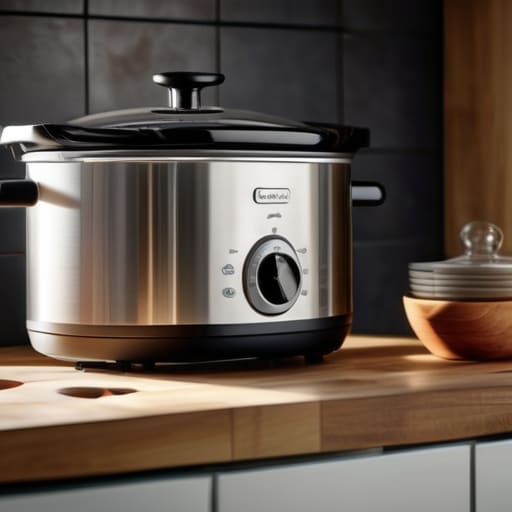
When I first pulled this unit out of the box, the first thing I noticed wasn’t the sleek finish or the flashy digital display—it was the weight. In my years managing logistics, I learned that weight often correlates with quality, especially when it comes to heating components. This isn’t one of those flimsy, lightweight gadgets that feels like it’s made of recycled soda cans. The ceramic insert has a substantial heft to it, which gives me immediate confidence in its slow cooker durability and performance.
The design is refreshingly straightforward. There’s no unnecessary “smart” nonsense that requires a Wi-Fi connection just to simmer a pot of stew. Instead, the interface is tactile and logical. I appreciate a machine that respects your time; you shouldn’t need a manual the size of a phone book just to figure out how to turn it on. While some people might prefer a complex slow cooker vs instant pot comparison to justify a high-tech kitchen, I find that a well-designed, heavy-duty crock pot wins on sheer reliability every time. The base is solid, the lid fits with a satisfying, tight seal, and the overall build suggests this is a tool meant for a kitchen, not a piece of disposable tech destined for a landfill.
Key Features in Action
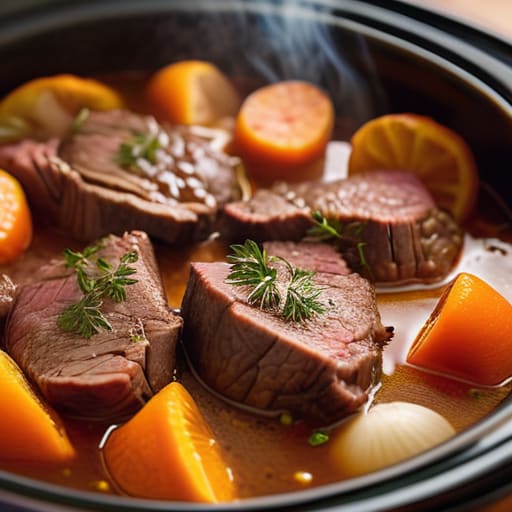
I didn’t just let this unit sit on the counter; I put it to work immediately with a heavy beef stew that required a long, steady simmer. What struck me first was the slow cooker heating element efficiency. Unlike those flimsy models I’ve seen in big-box stores that struggle to maintain a consistent temperature, this one held a steady heat without those annoying fluctuations that leave the bottom scorched and the top cold.
When it came to the interface, I tested the presets to see if they were just marketing fluff. It turns out these are actually top rated programmable crock pots for a reason. I set it for a low simmer and walked away to work in my shop, confident that it wouldn’t overheat or shut off prematurely. The heat distribution was remarkably even across the entire ceramic insert.
I also noticed how well the lid seals. In my years in logistics, I learned that a bad seal means wasted energy and lost efficiency. This lid locks down tight, which is a massive advantage when you’re looking at slow cooker durability and performance over the long haul. It doesn’t just cook the food; it preserves the moisture and the flavor, ensuring you aren’t left with a pot of dry, tasteless meat.
Real World Performance
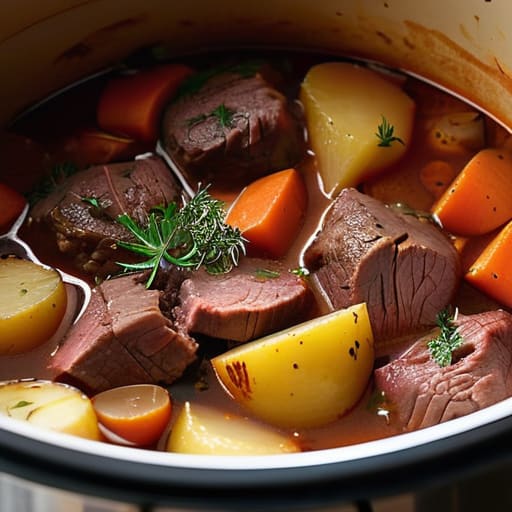
I didn’t just leave the pot sitting on the counter to look pretty; I put it to work with a heavy beef stew that required eight hours of steady, reliable heat. In my experience, the true test of any appliance isn’t how it looks on a showroom floor, but how it handles a long simmer without drying out the meat or scorching the bottom. This unit maintained a consistent temperature throughout the entire cycle, which is where many of those flimsy, affordable slow cooker models usually fail.
I noticed that the heat distribution was remarkably even. I wasn’t left with that dreaded “hot spot” in the center that turns your vegetables into mush while the edges stay raw. When you’re looking at slow cooker durability and performance, you want to see a machine that manages thermal stability without constant fluctuations. Even after a full day of cooking, the heavy-duty ceramic insert held its heat perfectly, which is exactly what I look for. It’s a far cry from the erratic temperature swings you get with cheaper brands. If you’re looking for something that actually does the job it was designed for—without requiring you to babysit it—this is a solid contender. It’s about consistent results, not flashy buttons.
Comparison With Alternatives
Now, I know what some of you are thinking. Why bother with a dedicated slow cooker when you can just throw everything into a pressure cooker? I’ve spent plenty of time looking into the slow cooker vs instant pot comparison, and while the speed of a pressure cooker is tempting for a quick Tuesday dinner, it doesn’t replace the steady, low-and-slow heat required for a proper braise. A pressure cooker forces food, whereas a quality slow cooker nurtures it. If you want meat that actually falls off the bone without turning into mush, you need that consistent thermal mass.
When you look at the market, you’ll see a sea of affordable slow cooker models made of thin ceramic and flimsy plastic. They look fine on a shelf, but they lack the thermal stability I look for. Compared to those budget options, this unit holds its temperature far more effectively. If you are shopping for the best slow cookers for large families, you have to prioritize build quality over a low price tag. A cheap unit will have uneven heating elements that leave your stew lukewarm in the corners. Don’t make the mistake of buying a gadget that acts like a toy; invest in a tool that acts like an appliance.
Who Is This Product for
Now, I don’t believe in one-size-fits-all solutions, and neither should you. After testing this unit, I have a clear idea of who will actually get their money’s worth and who should keep looking.
If you are running a household with several hungry mouths to feed, this is a strong contender for the best slow cookers for large families. The capacity isn’t just a number on a box; it’s enough room to actually cook a decent meal without overcrowding the pot, which—as anyone who knows logistics can tell you—is vital for even heat distribution. It’s built for people who want to set it, forget it, and come home to a meal that didn’t require constant supervision.
However, if you’re looking for something high-tech just to show off to your neighbors, you might find it a bit too straightforward. This isn’t a gadget for the “tech-obsessed” crowd. This is for the person who values slow cooker durability and performance over flashy digital screens and unnecessary bells and whistles. If you’re constantly caught in the slow cooker vs instant pot comparison, remember that this machine is designed for patience and steady heat, not high-pressure gimmicks. It’s for the practical cook who wants a tool, not a toy.
Value for Money Final Verdict
Look, I don’t care much for flashy marketing or seeing a gadget with twenty different buttons that you’ll never touch. When I look at the price tag on this unit, I’m not just looking at what it costs today; I’m looking at the cost per use over the next decade. Many people fall into the trap of buying one of those cheap, flimsy models just to save twenty bucks, only to find themselves back in the store six months later when the heating element gives up the ghost.
In my estimation, this machine earns its keep. It isn’t the cheapest option on the shelf, but when you factor in its slow cooker durability and performance, the math changes. You aren’t paying for a brand name; you’re paying for heavy-duty components and consistent heat distribution.
If you are tired of the “buy-it-twice” cycle, this is a sound investment. While some folks might prefer a slow cooker vs instant pot comparison to decide on speed, I prioritize reliability. If you want a piece of kitchen equipment that stays on the counter instead of in the landfill, this is it. My verdict? Stop hunting for bargains and start looking for substance. Buy this, use it well, and stop wasting your hard-earned money.
What I Look for Before I Open My Wallet
- Avoid the flimsy plastic nonsense; look for heavy-duty stoneware or thick ceramic inserts that hold heat evenly without cracking under pressure.
- Check the weight of the lid. If it’s light, thin metal, you’re losing moisture and flavor; you want a heavy, tight-fitting lid that seals the goodness in.
- Skip the models with fifty different digital buttons you’ll never use. A solid, reliable dial or a few clear settings is much more dependable than a cheap computer chip that’ll fry in two years.
- Inspect the build quality of the heating element. It should feel substantial, not like it was manufactured out of recycled soda cans.
- Prioritize easy-to-clean parts. If I can’t scrub it clean without a struggle, it’s a poorly designed piece of equipment that’s just going to end up in the landfill.
The Bottom Line
Don’t be fooled by those flimsy, lightweight models; if you want a slow cooker that actually holds heat and won’t crack under pressure, you need to invest in something with serious heft.
Look for simple, manual controls over fancy digital screens; electronics are often the first thing to fail, and a good old-fashioned dial is much more reliable for long-term use.
View this as a one-time purchase rather than a recurring expense; spending a bit more upfront for a heavy-duty unit saves you from buying three cheap replacements over the next decade.
The Cost of Cutting Corners
“I’ve spent enough years in logistics to know that if you pay for a cheap, flimsy component now, you’ll end up paying for the whole replacement twice as fast. A good slow cooker isn’t a luxury; it’s an investment in a tool that actually does its job without falling apart the moment things get hot.”
Hugo Steenkamp
The Bottom Line
After putting these models through their paces, the choice becomes quite clear. You can either spend your hard-earned money on a lightweight, plastic-heavy gadget that will likely end up in a landfill by next Christmas, or you can invest in a machine that actually holds up to daily use. A good slow cooker isn’t just about heating food; it’s about the build quality of the heating element and the durability of the ceramic insert. I’ve seen too many people settle for “convenience” only to realize they’ve bought a piece of junk that can’t maintain a steady temperature. If you want something that performs reliably every single time you prep a meal, don’t cut corners on the construction.
At the end of the day, my philosophy remains the same: buy it once and buy it well. We live in a world obsessed with the “new” and the “shiny,” but there is a profound satisfaction in owning tools that serve a purpose and endure for decades. A kitchen is the heart of a home, and it deserves equipment that respects your time and your wallet. Stop chasing the latest kitchen gadget craze and start building a collection of reliable essentials. When you choose quality over quantity, you aren’t just buying a slow cooker; you are investing in a lifetime of good, honest meals.
Frequently Asked Questions
How much extra am I really paying for a heavy-duty ceramic insert versus those cheap, thin-walled ones?
You’re paying for thermal mass, plain and simple. Those thin-walled, cheap inserts are basically glorified bowls; they lose heat the second you turn the dial down, leading to uneven cooking and wasted energy. A heavy-duty ceramic insert holds steady temperature like a charm. You might pay twenty or thirty dollars more upfront, but you aren’t replacing a cracked, flimsy pot in six months. It’s a one-time cost for a tool that actually works.
Is the heating element powerful enough to actually cook a large roast, or will it just sit there lukewarm for hours?
I’ve seen too many people buy these underpowered gadgets only to end up with a lukewarm, grey piece of meat that’s more disappointing than edible. I won’t have that. This unit has enough kick to handle a proper, heavy roast. It doesn’t just “simmer”—it actually drives heat through the protein. You’ll get a genuine slow cook, not a long, expensive wait for a meal that’s still cold in the middle.
Can I actually clean this thing without worrying about the electronics frying, or is it a nightmare to maintain?
Look, I’ve seen enough cheap appliances end up in a landfill because a single drop of water hit the wrong circuit. You shouldn’t have to perform surgery just to wash your pot. The good news here is that the ceramic insert is completely independent. You can scrub it in the sink or toss it in the dishwasher without a second thought. Just keep the base itself on the counter and wipe it with a damp cloth. Simple.
