
I spent thirty years in logistics, so I have a low tolerance for anything that’s built to fail. Lately, I’ve been seeing these flimsy, plastic essential oil diffusers being peddled online like they’re some kind of miracle cure for your home environment. Most of them are nothing more than glorified, overpriced trinkets that start sputtering or leaking within three weeks of use. It’s the same old story: companies design products to be disposable, banking on the fact that you’ll just toss the broken piece into a landfill and buy another one. I’m tired of seeing good money wasted on cheap gadgets that lack any real substance or longevity.
I’m not here to sell you on some lifestyle trend or a “zen” fantasy. My goal is to cut through the marketing fluff and help you identify essential oil diffusers that are actually worth the space on your sideboard. I’ll show you how to spot quality materials, reliable mechanics, and builds that will actually last for years, not months. If you want to stop the cycle of buying junk and start investing in things that serve a real purpose, you’ve come to the right place.
Table of Contents
Water Based vs Nebulizing Diffusers Choosing What Endures

Most folks walk into a shop and grab the first plastic gadget they see, but if you want something that actually serves a purpose, you need to understand the mechanics. Most common units are ultrasonic, which use water to create a fine mist. The ultrasonic diffuser benefits are clear: they act as a subtle humidifier and are generally much easier on your wallet. However, because they rely on water, you have to be diligent about how to clean an oil diffuser to prevent buildup and mold. If you neglect the maintenance, you’re just circulating dust and grime instead of scent.
On the other hand, you have nebulizing models. These don’t use water at all; they use pressurized air to break the oil into a pure, potent mist. They are more expensive and a bit more finicky, but they are built for those who want the most direct scent delivery possible. When weighing water-based vs nebulizing diffusers, ask yourself what you actually need. If you want a gentle background scent for the bedroom, go ultrasonic. If you want a powerful, pure aroma that doesn’t rely on a water tank, go nebulizing. Just make sure you buy a model built with quality components, not cheap, thin plastic.
Improving Indoor Air Quality With Scents That Last
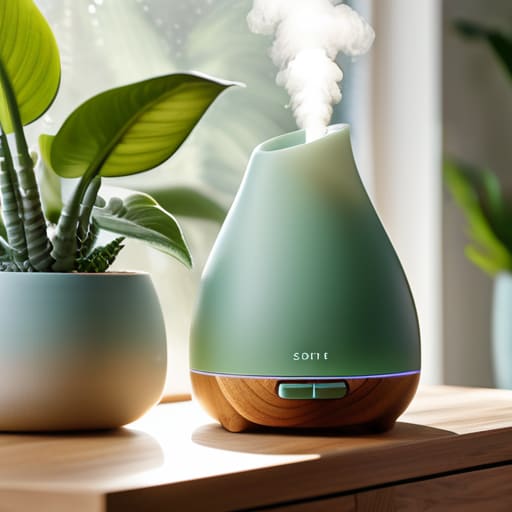
Most people think they’re just buying a way to make a room smell like a spa, but they’re missing the bigger picture. If you’re looking at improving indoor air quality with scents, you need to treat it like any other piece of home maintenance. You aren’t just masking odors with cheap synthetic sprays; you’re using high-quality oils to create a cleaner, more intentional environment. When you use a reliable machine, you’re adding a functional layer to your home that does more than just sit there looking pretty on a shelf.
However, the benefits only stick if you actually maintain the equipment. I’ve seen too many people buy a decent unit only to let it become a breeding ground for mold because they neglected the upkeep. If you want to see the real ultrasonic diffuser benefits, you have to learn how to clean an oil diffuser properly every single week. A bit of rubbing alcohol and a cotton swab goes a long way. If you take care of the tool, the tool takes care of your home. It’s about discipline, not just decoration.
Five Ways to Stop Wasting Money on Cheap Scents
- Stop buying the cheap, synthetic fragrance oils from the supermarket. They’re full of fillers that clog up your machine and do nothing for your air. If you’re going to invest in a diffuser, invest in pure, single-origin essential oils. It’s the difference between a real tool and a plastic toy.
- Look for ultrasonic diffusers with a solid ceramic or glass reservoir. I’ve seen too many people buy those flimsy plastic models that start leaking or cracking after three weeks of use. If it isn’t built with materials that can handle moisture and heat, it belongs in the bin, not your living room.
- Don’t let your diffuser become a dust magnet. If you aren’t cleaning the ultrasonic plate once a week with a bit of white vinegar, you’re just circulating grime. A little maintenance goes a long way in making a quality device last a decade instead of a season.
- Size matters, and I don’t mean the aesthetics. If you try to use a tiny, travel-sized diffuser in a large living room, you’re just wasting oil. Match the capacity of the unit to the square footage of the room so the scent actually reaches the corners where it’s needed.
- Avoid the “smart” gimmicks. You don’t need a diffuser that connects to your Wi-Fi or has a dozen flashing LED colors. Those extra circuits are just more points of failure. Stick to a machine with a simple, reliable timer and a sturdy power connection. Keep it functional.
The Bottom Line on Making a Smart Investment
Stop looking at the price tag alone; a cheap plastic diffuser is just future landfill, so prioritize build quality and ease of cleaning to ensure it actually lasts years.
Match the technology to your actual needs—use water-based models for a gentle room mist and nebulizers when you want the pure, undiluted strength of the oil.
Treat your scents as a functional tool for your environment rather than a fleeting trend, choosing high-quality oils that serve a purpose in your daily routine.
Stop Buying Plastic Trinkets
Most people treat diffusers like disposable tech—buy a cheap plastic one, wait for the motor to die in three weeks, and throw it in a landfill. If you’re going to bring scent into your home, buy a machine built with actual components that can withstand daily use; it’s better to own one solid piece of equipment than a drawer full of broken gadgets.
Hugo Steenkamp
Making a Sound Investment in Your Home
At the end of the day, choosing a diffuser isn’t about picking the prettiest gadget on a social media feed; it’s about understanding what you actually need for your space. Whether you decide on a water-based model for consistent, gentle moisture or a high-performance nebulizer to get the most out of your oils, the goal remains the same: durability and function. I’ve seen enough cheap, plastic-heavy electronics end up in landfills to last a lifetime, so I urge you to look past the flashy lights and focus on the build quality. If you prioritize a machine that is built to last and pair it with high-quality, pure oils, you aren’t just buying a scent—you are investing in a reliable tool for your home environment.
Don’t let the marketing hype convince you that you need a new device every season. A home should be a sanctuary of stability, filled with items that serve a purpose and stand the test of time. When you stop chasing every fleeting trend and start focusing on substance over style, you’ll find that your living space feels much more intentional. Buy something that works, buy it well, and let it become a permanent part of your daily ritual. It’s a small change, but it’s a sensible one.
Frequently Asked Questions
How often do I actually need to clean these things to prevent them from becoming a mess of mold and grime?
If you leave standing water sitting in a plastic reservoir, you’re just cultivating a science experiment. I don’t care how expensive the unit was; if it’s slimy, it’s useless. You should empty and wipe it out after every single use. At least once a week, give it a proper scrub with white vinegar to dissolve any mineral buildup. It takes five minutes, but it ensures the machine actually lasts instead of ending up in a landfill.
Is it worth spending the extra money on a glass-based unit, or is high-grade ceramic just as durable?
Look, if you’re asking about durability, you’re already thinking the right way. High-grade ceramic is sturdy and holds heat well, but it can chip if you aren’t careful. Glass, however, is the gold standard for me. It’s non-porous, meaning it won’t absorb the oils and get funky over time, and it’s easier to keep clean. If you can afford the slight premium, go with glass. It’s a cleaner, more permanent solution.
What’s the real difference in long-term cost between running a water-based model versus a nebulizer?
Look, if you’re looking at the sticker price, the water-based models seem like the winner. They’re cheap to buy, sure. But you’ll spend a fortune on oils because you’re diluting them with water every single time. A nebulizer is a higher upfront investment, but it uses pure oil. Over a year, the nebulizer actually pays for itself because you aren’t burning through your expensive bottles just to get a decent scent. Buy the nebulizer; it’s the sensible play.
