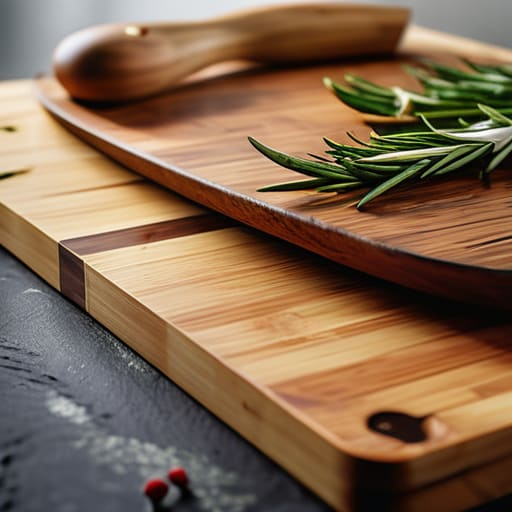
I was cleaning out my garage last weekend and found a stack of those flimsy, thin plastic boards I used to buy during my early years in logistics. They were warped, stained, and honestly, a complete waste of space. It’s the same nonsense I see online today—people spending a fortune on “designer” kitchenware that falls apart the moment you actually try to chop an onion. Most folks think they need some high-tech, expensive gadget, but the truth is, most bamboo cutting boards on the market these days are just cheaply glued-together scraps masquerading as premium goods.
I’m not here to sell you on some lifestyle trend or a kitchen aesthetic that looks good on a screen but fails in practice. I’ve spent my life managing supply chains and fixing broken tools, so I know how to spot real quality from a mile away. In this guide, I’m going to show you exactly what to look for so you can buy it once and buy it well. I’ll cut through the marketing fluff and tell you how to pick a board that actually stands up to a lifetime of heavy use.
Table of Contents
- Bamboo vs Wood Cutting Boards Choosing Longevity Over Hype
- Sustainable Kitchen Accessories That Actually Serve a Purpose
- How to Actually Make Your Board Last (Instead of Tossing It Next Month)
- The Bottom Line on Bamboo
- The Cost of Cheapness
- The Bottom Line on Your Kitchen Investment
- Frequently Asked Questions
Bamboo vs Wood Cutting Boards Choosing Longevity Over Hype
Now, let’s get down to brass tacks: the debate of bamboo vs wood cutting boards. People will tell you it’s all about the look, but I look at it through the lens of durability and utility. Traditional hardwoods like maple or walnut are the old reliable; they have a natural density that stands up to heavy chopping. However, bamboo is a different beast entirely. Because it’s technically a grass, it grows incredibly fast, making it one of the most reliable pieces of sustainable kitchen accessories you can own. It’s harder than most people realize, which means it won’t warp the moment you give it a quick rinse.
The real question is whether you want a board that feels like a piece of art or one that works like a tool. Bamboo is much harder on your knife edges than soft woods, so if you’re a serious cook, keep that in mind. That said, if you’re looking for something that resists moisture and stays hygienic without a dozen chemical treatments, bamboo is a winner. It offers excellent antibacterial food surfaces because it doesn’t soak up liquids like a sponge. Just don’t expect it to be a heirloom you pass down to your grandkids; treat it right, and it’ll serve you well for years.
Sustainable Kitchen Accessories That Actually Serve a Purpose
When I look at a kitchen, I don’t see a showroom for the latest gadgets; I see a workspace that needs reliable tools. Most of the “green” products flooding the market these days are nothing more than clever marketing designed to make you feel good while you spend money on more junk. If you want to build a collection of non-toxic kitchen essentials that actually matter, you have to look past the flashy packaging. It’s about finding items that do their job without creating a mountain of waste.
A solid bamboo board is a prime example. Unlike those flimsy, brightly colored plastic slabs that end up in a landfill after six months of knife scarring, a quality bamboo piece is built to endure. Because bamboo is naturally dense, it provides excellent antibacterial food surfaces, which is a practical necessity, not just a trend. If you take the time to care for it properly, it won’t just sit in a drawer—it will become a staple of your kitchen for years to come. Stop collecting clutter and start investing in tools that have some backbone.
How to Actually Make Your Board Last (Instead of Tossing It Next Month)
- Stop the soak. I’ve seen enough warped wood in my time to know that leaving a board sitting in a pool of water is the fastest way to ruin it. Wipe it down, dry it immediately, and get it off the counter.
- Treat it like real equipment. Once a month, rub some food-grade mineral oil into the grain. It keeps the bamboo from drying out and cracking, which is exactly what happens when you treat it like a piece of disposable plastic.
- Use the right edge. Don’t go hacking away at your board with a dull knife. A dull blade requires more force, and more force means deeper gouges that harbor bacteria. Keep your knives sharp and your board intact.
- Avoid the dishwasher at all costs. I don’t care what the packaging says; the high heat and intense water spray will destroy the structural integrity of the bamboo. Hand wash only, or you’re just throwing money down the drain.
- Check for stability. If your board starts wobbling on the counter, don’t just ignore it. A steady surface prevents unnecessary stress on the material. If it’s uneven, sand it down slightly or use a damp cloth underneath to keep it steady.
The Bottom Line on Bamboo
Stop cycling through cheap, flimsy boards every few months; invest in a thick, solid bamboo piece that can actually handle a knife.
Look past the fancy marketing and check the grain and weight—if it feels light and hollow, it’s just more landfill waiting to happen.
Choose bamboo because it’s a hard-working, sustainable material that serves its purpose without needing constant replacement.
The Cost of Cheapness
I’ve spent enough years in logistics to know that the cheapest option is usually the most expensive one in the long run; stop throwing money away on flimsy boards that warp the moment they hit water and just invest in a solid piece of bamboo that’s built to endure.
Hugo Steenkamp
The Bottom Line on Your Kitchen Investment
At the end of the day, choosing a bamboo cutting board isn’t about following some kitchen design trend you saw on social media. It’s about making a sensible decision based on how a tool actually performs under pressure. We’ve looked at why bamboo holds its own against traditional hardwoods and why opting for sustainable materials is more than just a buzzword—it’s about reducing the waste that clogs up our landfills. If you pick a board that is dense, well-constructed, and comes in properly recyclable packaging, you aren’t just buying a kitchen utensil; you are investing in a piece of equipment that will serve your household for years to come.
My advice is simple: stop the cycle of buying a new, flimsy board every time the old one warps or cracks. It’s a waste of your hard-earned money and a waste of resources. Instead, take a moment to evaluate what you’re bringing into your home. Aim for quality, prioritize utility, and look for items that have the backbone to endure daily use. When you stop chasing the cheap and disposable, you start building a home that is truly functional and lasting. Buy it once, buy it well, and let your tools work as hard as you do.
Frequently Asked Questions
Won't the bamboo fibers splinter or crack more easily than a traditional hardwood board?
That’s a fair question, and I get why you’d ask it. If you buy a cheap, mass-produced bamboo board from a big-box store, you’re likely to see splintering. But here’s the thing: it’s not about the material; it’s about the density. High-quality bamboo is incredibly hard—often harder than maple. As long as you keep it seasoned with a bit of food-grade mineral oil and don’t let it warp in a dishwasher, it’ll hold up just fine.
How do I keep the board from drying out and warping without using a bunch of fancy, unnecessary chemicals?
Look, you don’t need a chemistry degree or a cabinet full of overpriced sprays to maintain a good board. Keep it simple. Every month or so, rub some food-grade mineral oil into the grain. It soaks in and keeps the fibers from cracking. If you want to get fancy, a bit of beeswax works too, but don’t overthink it. Just stay away from vegetable oils; they’ll go rancid and make your kitchen smell like old grease.
Is it actually better for my knives, or am I going to end up dulling my blades on a surface that's too hard?
That’s a fair question, and it’s exactly the kind of practical thinking most people skip. You don’t want to trade a good knife for a good board. The short answer is: bamboo is harder than maple or walnut, so it can be a bit tougher on your edge if you aren’t careful. But if you get a high-quality, dense bamboo board and keep it well-maintained, it’s a solid compromise that won’t turn your blades into butter knives overnight.
