I spent thirty years in logistics, where I learned that if a component isn’t built to withstand repeated stress, it’s nothing more than expensive garbage. Lately, I’ve noticed a ridiculous trend where people spend a fortune on “designer” table linens that feel more like tissue paper than actual fabric. They call it luxury, but I call it planned obsolescence. You shouldn’t have to hunt through a dozen overpriced boutiques just to find a set of linen napkins that won’t fray or fall apart after three trips through the laundry. If a product can’t stand up to a heavy-duty wash cycle, it doesn’t belong on your table.
I’m not here to sell you on some fleeting aesthetic or tell you which color is trending on social media this week. My goal is to cut through the marketing fluff and show you how to identify genuine, heavy-weight linen that actually gets better with age. I’ll give you the straight truth on what to look for in the weave, how to spot the difference between quality flax and cheap blends, and why investing in the right cloth is a sensible decision for your home. Let’s stop wasting money on disposables and start buying things that last.
Table of Contents
The Last Set Youll Ever Need Natural Fiber Textiles
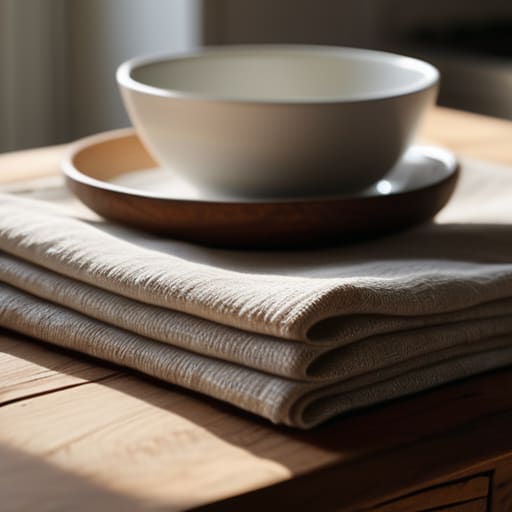
When you look at the sheer amount of waste produced by single-use disposables, it’s enough to make a man shake his head. I spent decades in logistics watching how much “disposable” inventory ends up in a landfill, and frankly, it’s a disgrace. Choosing natural fiber textiles isn’t just about a fancy table setting; it’s about making a sensible decision for your household. Unlike those cheap polyester blends that pill after three washes or feel like plastic against your skin, real linen has a weight and a structural integrity that you can actually feel.
Investing in high-quality reusable cloth napkins means you are finally breaking the cycle of buying junk. These aren’t delicate museum pieces, either. They are built to handle the rigors of daily life, from heavy gravy spills to frequent laundering. If you take decent care of them, they don’t just survive; they actually get softer and more characterful with every single wash. It is a rare thing these days to find something that improves with age rather than falling apart, but that is exactly what you get when you stop chasing trends and start buying for longevity.
Luxury Dining Aesthetics That Outlast Every Passing Fad
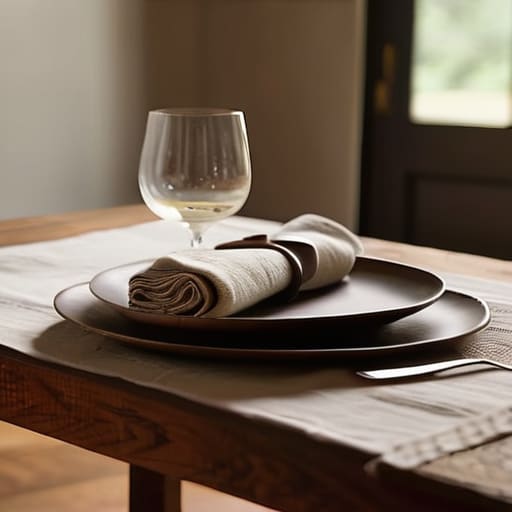
I’ve seen plenty of dining trends come and go in my time—neon colors, plastic accents, and those ridiculous “disposable” themed setups that end up in a landfill by next Tuesday. They look fine for a single dinner party, but they lack soul. If you want to achieve true luxury dining aesthetics, you have to stop looking for what’s “trendy” and start looking for what is timeless. A well-set table shouldn’t look like a catalog page; it should feel grounded.
By opting for reusable cloth napkins in muted, earthy tones, you create a sense of permanence that no cheap polyester could ever mimic. There is a weight and a texture to high-quality fabric that signals to your guests that this meal—and this home—is built on substance. It’s about minimalist table styling that doesn’t rely on clutter to impress. When you strip away the gimmicks and focus on the quality of the materials, you aren’t just setting a table; you’re setting a standard that stays relevant decade after decade.
How to Spot Quality and Make Them Last
- Check the weight of the fabric before you buy. If a napkin feels thin or translucent like a cheap curtain, it’s going to shred after three washes. You want a heavy, substantial weave that has some heft to it.
- Look for 100% flax linen. I’ve seen plenty of “linen blends” that are mostly polyester masquerading as something premium. Those blends don’t breathe well, they don’t age properly, and frankly, they’re just more landfill waiting to happen.
- Don’t be afraid of the wrinkles. One of the biggest mistakes people make is treating linen like a hotel sheet that needs to be pressed to perfection. A little character in the fold shows it’s a natural fiber, not some factory-made plastic imitation.
- Skip the harsh chemical softeners. If you want your linen to stay soft, just wash it properly and tumble dry it on low. Using heavy detergents or synthetic softeners actually coats the fibers and ruins the natural texture over time.
- Inspect the edges for a tight hem. A rushed, loose stitch is a dead giveaway of cheap manufacturing. If the edges aren’t finished with a sturdy, straight hem, those napkins will start fraying at the corners within a month of regular use.
The Bottom Line on Linen
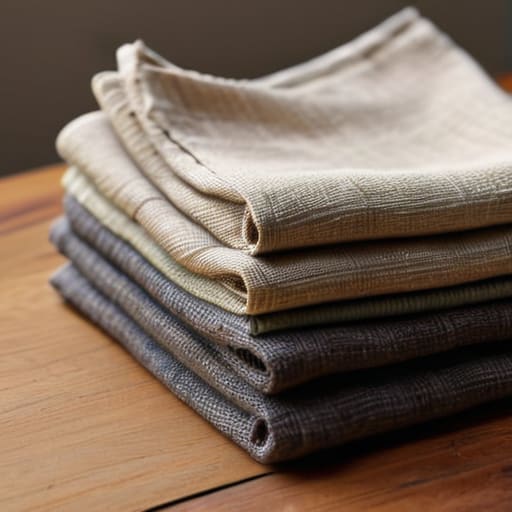
Stop wasting money on cheap polyester blends that pill and fray after three washes; real linen is a one-time investment that only gets better with age.
Prioritize natural fibers that can handle heavy-duty laundering, because a napkin that can’t survive a washing machine isn’t a tool, it’s trash.
Look for weight and weave density over flashy patterns—if it feels flimsy in your hands, it won’t survive your dining table for long.
## A Lesson in Longevity
“I’ve spent enough years in logistics to know that if a product is designed to be replaced every season, it’s not a purchase—it’s a recurring tax on your wallet. A good linen napkin doesn’t just sit on a table; it earns its place through decades of use, getting better with every wash while the cheap cotton alternatives fall apart.”
Hugo Steenkamp
The Bottom Line on Linen
At the end of the day, choosing linen napkins isn’t about following a high-end decor trend or trying to impress the neighbors. It’s a practical decision rooted in common sense. When you look at the durability of the fibers, the ease of maintenance, and the fact that they don’t end up in a landfill after three washes, the math is simple. You are trading a handful of cheap, disposable cotton rags for a textile that actually improves with age. By investing in natural fibers, you are effectively eliminating the cycle of constant replacement that plagues modern households.
My advice is to stop looking for the cheapest option on a screen and start looking for the one that will still be in your linen closet ten years from now. A well-set table is a sign of respect for your guests and for the food you serve, but more importantly, it’s a sign of a well-ordered home. Don’t settle for the flimsy and the fleeting. Build a collection of goods that possess substance and character, and you’ll find that you spend much less time shopping and much more time actually enjoying your life. Buy it once, buy it well.
Frequently Asked Questions
Are these actually practical for everyday use, or am I going to spend my whole evening worrying about a single stain?
Look, I get it. You don’t want to host a dinner party only to spend the rest of the night hovering over the laundry basket like a nervous hawk. But here’s the truth: linen is tougher than those thin cotton blends you see everywhere. It handles heavy use and frequent washing with ease. A little stain isn’t a disaster; it’s part of the character. Just wash them properly, and they’ll only get better with age.
How do I know if I'm buying real flax linen or just some cheap synthetic blend masquerading as the real thing?
Don’t let a fancy label fool you; you have to use your hands. Real flax linen has a distinct, slightly irregular texture—it won’t be perfectly smooth like a cheap polyester blend. Give it a squeeze. Real linen feels cool to the touch and has a certain “crunch” or stiffness that synthetics just can’t mimic. If it feels unnaturally silky or suspiciously stretchy, put it back on the shelf. That’s just plastic in disguise.
Do they actually get better with age, or will they just fall apart after a few dozen trips through the washing machine?
That’s the real question, isn’t it? Most people expect things to fray and fail, but with high-quality linen, it’s actually the opposite. Because the fibers are long and incredibly strong, they don’t snap like cheap cotton. Every time you wash them, the fabric softens and the weave settles. They don’t fall apart; they just lose that stiff, scratchy feeling and become more supple. You aren’t just buying napkins; you’re buying something that improves with use.
