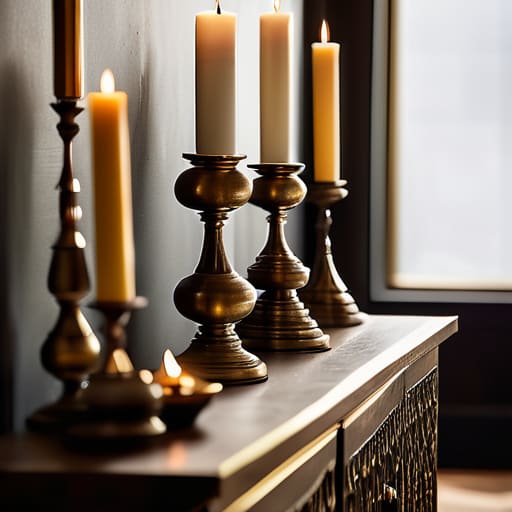
I was cleaning out my workshop last weekend when I stumbled upon a set of old, tarnished brass candle holders that belonged to my father. They weren’t shiny or “perfect” like the flimsy, gold-painted junk you see in big-box stores today, but they had a heft that you just don’t find anymore. Nowadays, it seems like every retailer wants to sell you something made of thin, hollow tin disguised as metal, designed to look decent for a month before it bends or loses its finish. It’s a racket, and frankly, it’s a waste of your hard-earned money.
I’m not here to talk about “decorating trends” or how to match your candle holders to a specific seasonal color palette. Instead, I’m going to show you how to identify real, solid brass that actually carries some weight. I’ll tell you what to look for in the casting, how to spot the difference between high-quality metal and cheap plating, and why a little patina is actually a sign of longevity. If you’re tired of buying things that end up in a landfill by next year, let’s get down to business.
Table of Contents
Mid Century Modern Brass Accents for Timeless Spaces
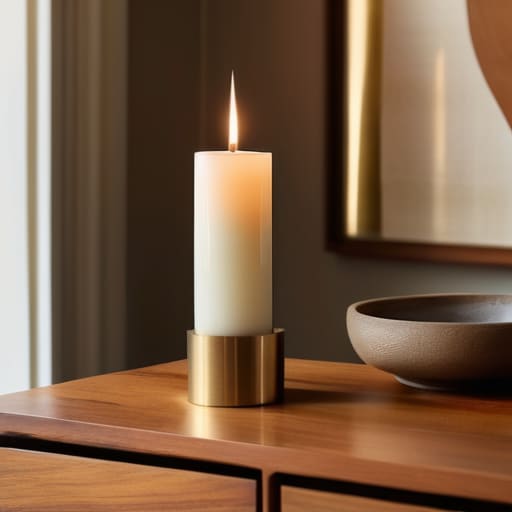
If you’re looking to bring some character into your living room without cluttering it up with useless knick-knacks, look toward the mid-century era. During that time, designers understood that a piece should have clean lines and a sense of weight. Integrating mid-century modern brass accents into your space isn’t about following a Pinterest trend; it’s about utilizing geometry and material to create a focal point that doesn’t feel flimsy. A single, well-weighted holder on a teak sideboard does more work than a dozen plastic ornaments ever could.
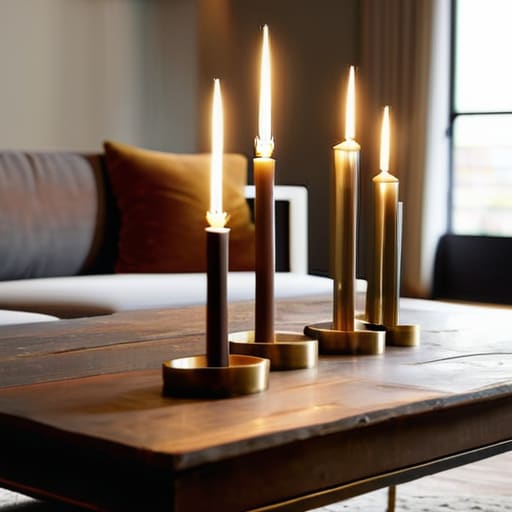
When you’re putting together a minimalist brass centerpiece, less is always more. I’ve found that a slim, tapered silhouette works best for modern dining setups. It provides enough height to catch the eye without obstructing the view of the person sitting across from you. Just remember, these pieces are meant to be lived with, not kept under glass. A little bit of natural patina adds history, but if you prefer that high-shine look, keep some basic polishing brass decor tips on hand to maintain that original luster. It’s about finding the balance between a sharp aesthetic and a piece that actually feels substantial.
The Art of Antique Brass Candlestick Styling
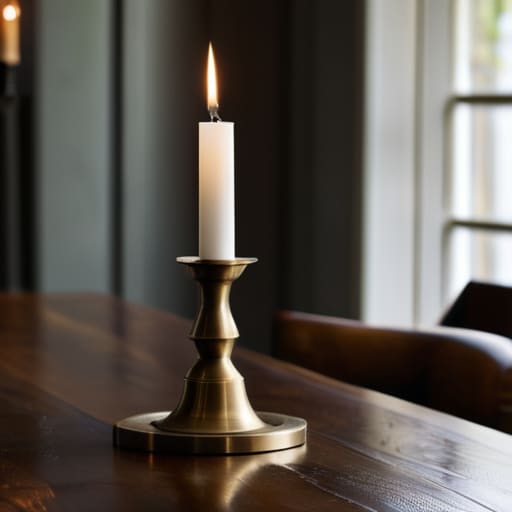
When you’re working with pieces that have a bit of history, you have to approach antique brass candlestick styling with a sense of restraint. I’ve seen too many people clutter their dining tables with a dozen mismatched trinkets, trying to force a “look” that just feels chaotic. If you want to do it right, treat your brass as a focal point, not background noise. A single, heavy candlestick placed off-center on a wooden table speaks much louder than a crowded display of cheap imitations. It’s about creating a minimalist brass centerpiece that commands respect through its sheer presence and weight.
Now, I know what some of you are thinking: “Hugo, how do I keep them from looking like old pennies?” There is a fine line between a dignified patina and neglect. I don’t advocate for constant, obsessive scrubbing—that’s a waste of time—but a little bit of regular maintenance goes a long way. If you want to keep that luster without spending every weekend cleaning, look into basic tarnish prevention for brass by keeping the metal dry and free of moisture. A little care ensures these pieces remain an asset to your home, rather than a chore.
How to Spot Real Value and Avoid the Cheap Stuff
- Check the weight before you reach for your wallet; if a brass holder feels light or hollow, it’s likely a thin, plated piece of junk that will peel and flake within a year.
- Look for solid construction rather than decorative flourishes; a heavy, well-balanced base is what keeps a candle steady and ensures the piece won’t tip over when the wax starts to melt.
- Avoid anything with a “perfect” factory finish; real brass develops a patina over time, and you want a piece that ages gracefully with your home rather than one that relies on a cheap, sprayed-on shine.
- Inspect the taper socket for depth and stability; a quality candlestick should have a secure, machined fit that holds the candle firmly without needing a mountain of melted wax to keep it upright.
- Prioritize timeless silhouettes over trendy shapes; if it looks like it belongs in a showroom designed to be replaced next season, leave it on the shelf and find something with actual character.
The Bottom Line on Brass
Stop buying the hollow, gold-plated scrap you see in big-box stores; look for solid brass that has actual heft and will age with a proper patina rather than peeling.
Prioritize versatility over trends by selecting classic silhouettes that work just as well in a modern dining room as they do on a rustic mantle.
View your purchase as a long-term investment in your home rather than a seasonal decoration, because a well-made piece should be something you pass down, not something you throw away.
## The Real Cost of Cheap Decor
“I’ve spent enough years watching supply chains move cheap, hollow junk across the globe to know a scam when I see one. Don’t waste your money on those lightweight, gold-plated tin things that’ll tarnish before the season is out; find yourself a solid brass holder that has some actual heft to it. If it doesn’t feel substantial in your hand, it isn’t worth the shelf space.”
Hugo Steenkamp
Making the Right Choice for the Long Haul
At the end of the day, choosing brass candle holders isn’t about following a design fad or filling a shelf just for the sake of it. We’ve looked at how mid-century pieces bring a clean, structured elegance to a room, and how antique styles can add a sense of history and soul to a mantle. Whether you are going for something sleek and modern or something with a heavy, weathered patina, the principle remains the same: look for substance over style. Avoid the hollow, gold-plated alloys that flake off after a single season. If you are going to give a piece of metal a place in your home, make sure it has the weight and integrity to earn its keep.
I’ve spent my life managing logistics, and if there is one thing I know, it’s that the most expensive way to live is to constantly replace things that were built poorly. Don’t let your home become a graveyard for disposable decor. Instead, curate a collection of pieces that tell a story and stand the test of time. When you invest in solid brass, you aren’t just buying a way to hold a candle; you are investing in permanence. Buy it once, buy it well, and let your home be a reflection of quality that lasts.
Frequently Asked Questions
How can I tell the difference between solid brass and cheap, plated metal that will just peel in a year?
Here’s the truth: weight and temperature are your best indicators. Pick it up. If it feels light like a tin can, it’s plated junk. Solid brass has a substantial, reassuring heft. Next, touch it. Real brass feels warm, whereas plated metals often feel cold or hollow. Finally, look at the edges or any scratches. If you see a different color of metal peeking through, walk away. You want a single, solid material that lasts.
Is it worth the effort to polish them, or is a natural patina better for long-term use?
Look, there’s no right answer, only what suits your lifestyle. If you want that bright, mirror-like shine, you’ll be polishing them every few months—it’s a chore. Personally, I prefer the natural patina. That darkened, lived-in look tells a story and requires zero maintenance. If you’re buying quality brass, don’t fear the aging process. A bit of oxidation isn’t damage; it’s character. Let them age naturally and save yourself the elbow grease.
What is the best way to clean them without using harsh chemicals that ruin the finish?
Look, don’t go reaching for those aggressive, store-bought chemical sprays. They’re designed for speed, not for preserving the integrity of the metal, and they’ll strip the character right off a good piece. If you want to keep that patina intact, stick to the basics: a soft microfiber cloth and a bit of mild, pH-neutral soap. For a deeper clean, a paste of lemon juice and baking soda works wonders without being destructive. Treat them with respect, and they’ll last.
