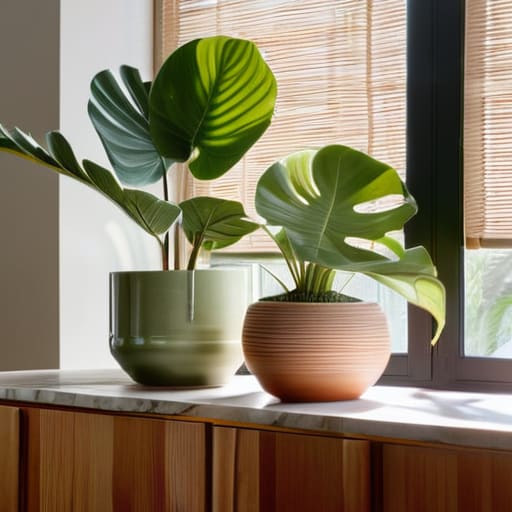
I was out in the garage last weekend, cleaning some old chisels, when I looked out the window and saw my neighbor struggling with a stack of those flimsy, brightly colored plastic pots he’d bought on sale. It’s the same story every spring: people spend a fortune on expensive plants only to house them in cheap, sun-bleached junk that cracks or warps before the season is even over. If you’re looking for a quick fix that looks good for exactly two weeks, go right ahead, but I’ve never understood the appeal of buying things that are designed to fail. Real quality starts with the foundation, and when it comes to greenery, that means investing in heavy-duty ceramic planters that actually have the weight and integrity to last a lifetime.
I’m not here to sell you on some fleeting design trend or a “must-have” collection from a big-box retailer. My goal is to give you the straight truth about what makes a piece worth your hard-earned money. I’ll be walking you through how to spot genuine craftsmanship, how to identify materials that won’t succumb to moisture damage, and why the right weight matters more than a fancy pattern. We are going to focus on buying it once and buying it well.
Table of Contents
- Glazed vs Unglazed Ceramic Pots Choosing Substance Over Style
- Modern Ceramic Plant Containers That Defy the Trends
- Five Rules for Buying Planters That Won't End Up in a Landfill
- The Bottom Line on Buying Ceramic
- The Cost of Cheap Plastic
- Making the Right Call for Your Home
- Frequently Asked Questions
Glazed vs Unglazed Ceramic Pots Choosing Substance Over Style
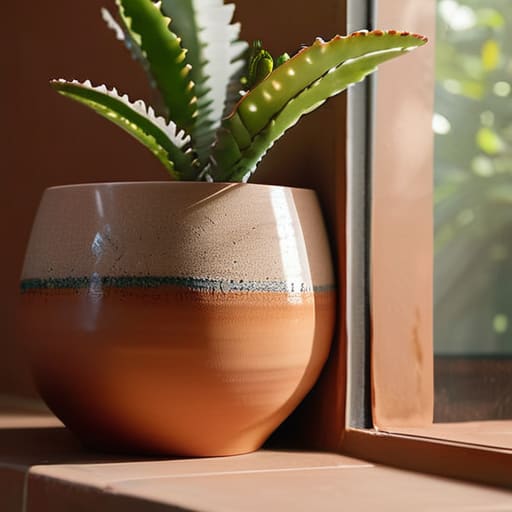
When you’re standing in the garden center, it’s easy to get distracted by the shiny finishes, but you need to look at how the material actually behaves. The debate between glazed vs unglazed ceramic pots isn’t just about aesthetics; it’s about how your plants breathe. Unglazed terracotta is porous, meaning it allows moisture to evaporate through the walls. This is a lifesaver if you have a tendency to overwater, but if you’re looking for the best ceramic pots for succulents, you have to be mindful of how quickly that soil dries out.
On the other hand, glazed pottery provides a non-porous barrier that holds moisture much longer. These are excellent for tropical varieties that crave humidity, but they require more discipline. If you choose a glazed option, ensure it has proper drainage holes in ceramic planters to prevent root rot. I’ve seen too many people buy a beautiful, sleek container only to realize they’ve essentially created a stagnant bathtub for their plants. Don’t just buy what looks good on a shelf; buy what matches your watering habits.
Modern Ceramic Plant Containers That Defy the Trends
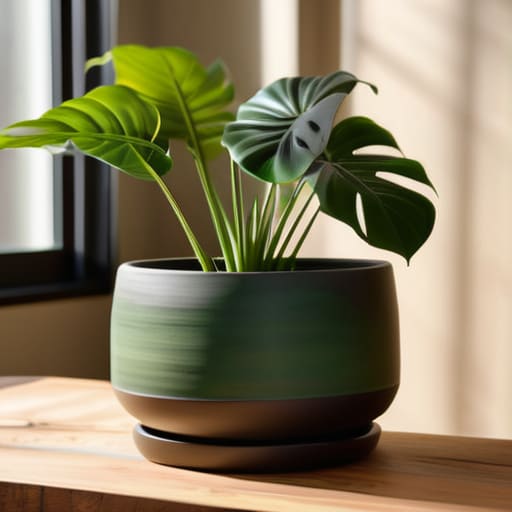
I see these sleek, minimalist designs popping up everywhere on social media, often wrapped in fancy branding but lacking any real structural integrity. When you’re looking at modern ceramic plant containers, don’t let a clean silhouette fool you into buying something flimsy. A piece might look “on-trend” today, but if the clay is too thin or the base is unstable, it’s just more clutter waiting for the landfill. I look for weight and a solid build; if it feels light as a feather, it’s going to tip over the moment your plant grows a bit of height.
True quality in contemporary pottery lies in the details that most manufacturers skip to save a buck. For instance, I always check for properly integrated drainage holes in ceramic planters before I even consider a purchase. Without them, you’re essentially asking your plants to live in a swamp, which leads to root rot and a dead plant within weeks. Whether you are hunting for the best ceramic pots for succulents or something larger for a fiddle-leaf fig, prioritize a design that respects the biology of the plant. If the container doesn’t serve the living thing inside it, it’s just an expensive paperweight.
Five Rules for Buying Planters That Won't End Up in a Landfill
- Check the weight before you commit. A quality ceramic planter should have some heft to it; if it feels light and hollow like a cheap toy, it’s likely thin-walled and prone to cracking when the temperature shifts.
- Inspect the drainage situation. I’ve seen too many people buy a beautiful pot only to realize it has no hole at the bottom. Don’t settle for a decorative piece that’s going to drown your plants; make sure there’s a functional way for excess water to escape.
- Look for thick, consistent walls. In my years managing logistics, I learned that structural integrity is everything. A planter with thin, uneven walls is a liability that will succumb to the elements within a single season.
- Prioritize scale over “cuteness.” Stop buying those tiny, trendy little pots that you’ll outgrow in a month. Buy a container that is appropriately sized for the plant’s mature root system so you aren’t constantly replacing them.
- Demand sustainable packaging. I won’t touch a product if it arrives wrapped in three layers of non-recyclable styrofoam. If a company cares about the quality of their ceramic, they should care about the footprint they leave behind.
The Bottom Line on Buying Ceramic
Stop buying cheap, lightweight pots that tip over or crack at the first sign of frost; look for heavy-duty ceramic that has some actual weight to it.
Don’t get distracted by flashy, seasonal patterns that will look dated in six months; stick to classic textures and earthy tones that stand the test of time.
Check the drainage and the material quality before you reach for your wallet—if it feels flimsy or lacks a proper base, it isn’t worth your hard-earned money.
The Cost of Cheap Plastic
I’ve spent enough years managing supply chains to know that when a product is priced like junk, it’s because it’s designed to become junk. Stop filling your home with flimsy plastic pots that crack under the sun; a heavy, well-fired ceramic planter is an investment in something that actually stays put.”
Hugo Steenkamp
Making the Right Call for Your Home
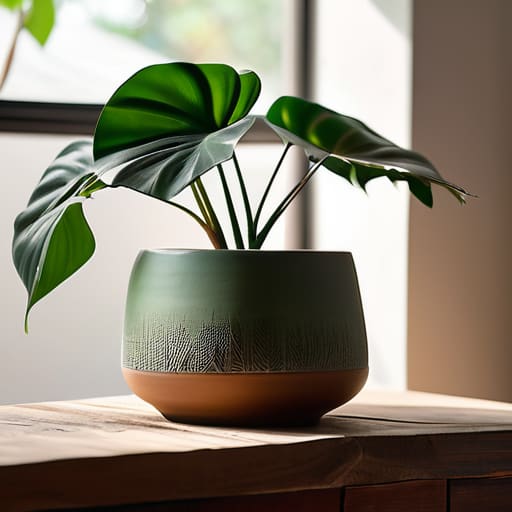
At the end of the day, choosing a ceramic planter isn’t about following a color palette you saw on a social media feed; it’s about understanding the material and how it functions in your space. We’ve looked at why the distinction between glazed and unglazed pots matters for your plant’s health, and why opting for classic, timeless shapes is a far better use of your hard-earned money than chasing those flimsy, trendy designs that look dated within a year. If you take nothing else away from this, remember that substance must always come before style. When you invest in heavy, well-made ceramic, you are buying a piece of functional decor that is built to endure the seasons rather than a piece of landfill-bound clutter.
I’ve spent enough years in logistics to know that the cheapest option is almost always the most expensive one in the long run because you end up replacing it three times over. Don’t let the convenience of cheap, mass-produced plastic fool you into thinking you’re saving money. Instead, take a moment to select a planter that has some weight to it, some character, and the ability to age gracefully alongside your greenery. Build a home filled with things that actually mean something. Buy it once, buy it well, and make it count.
Frequently Asked Questions
How can I tell if a ceramic planter is actually high-fired and durable, or just cheap clay with a thin coat of paint?
Don’t let a pretty pattern fool you; a thin coat of paint is just a mask for poor craftsmanship. To tell if a pot is truly high-fired, give it a gentle tap with your knuckle. A high-quality, vitrified piece will ring with a clear, metallic sound. If it gives a dull, flat thud, it’s likely low-fired, porous clay that’ll crumble or crack once the weather turns. Look for weight and density—substance matters.
Will a heavy ceramic pot crack if I leave it outside during a hard freeze, or is it built to handle the elements?
Here’s the truth: even the sturdiest ceramic can crack if you aren’t careful. When water gets into the soil and freezes, it expands like a slow-motion sledgehammer. If you’ve got a heavy, high-quality pot, it’ll hold up better than those flimsy alternatives, but I still wouldn’t risk it during a deep freeze. My advice? Bring your prized plants inside or move them to a sheltered spot once the temperature drops. Protect your investment.
How do I ensure the drainage system in these pots is actually functional and won't lead to root rot over time?
Look, a pretty pot is useless if it turns your plant into a swamp. Before you shell out your hard-earned money, flip the planter over. I’m looking for a wide, clear drainage hole—not some tiny slit that’ll clog with soil in a month. If there’s no hole, don’t buy it; “drainage layers” of pebbles are a myth that just lead to root rot. Buy a pot with real exits so your plants can actually breathe.
