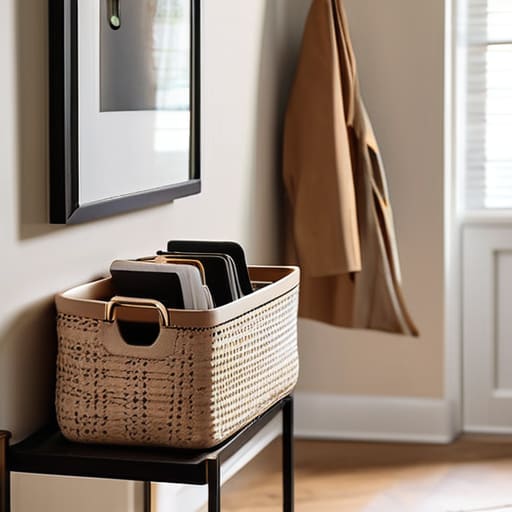
I was standing in the middle of a local big-box retailer last week, staring at a wall of flimsy, translucent plastic bins, and I felt a genuine sense of frustration. These aisles are flooded with “solutions” that are nothing more than glorified landfill fodder. People spend hundreds of dollars on these flimsy organizing tools thinking they’re getting a tidy home, but all they’re really doing is buying a collection of cracks and breaks waiting to happen. If a container can’t withstand a bit of weight or a slightly heavy hand, it doesn’t deserve a spot in your pantry or your workshop.
I’m not here to sell you on some aesthetic trend you saw on a social media feed. My goal is to cut through the noise and tell you what actually works. I’m going to show you how to select heavy-duty, purposeful equipment that earns its place in your house. We are going to focus on materials like steel, solid wood, and thick-gauge glass—items that serve a function and actually endure. If you’re tired of replacing the same cheap junk every six months, you’ve come to the right place.
Table of Contents
Modular Storage Bins Built for a Lifetime of Utility
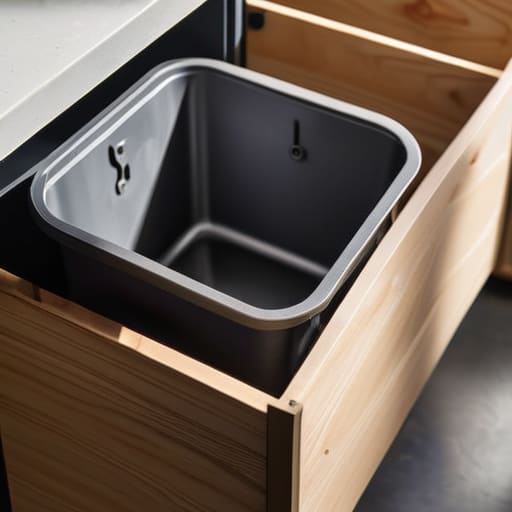
Most people treat organization like a weekend chore rather than a long-term strategy. They buy those flimsy, clear plastic bins from the big-box stores, only to find the handles snap or the plastic cracks after a few months of heavy use. That’s not a solution; it’s just more future landfill. If you want a real home decluttering system that actually holds up, you need to look toward high-density polyethylene or heavy-duty metal. I’ve spent enough time in warehouses to know that material integrity is everything.
When selecting modular storage bins, look for designs that stack securely without wobbling. A good system should be able to adapt to your changing needs—moving from a pantry setup to a workshop arrangement without needing a complete overhaul. Don’t get distracted by flashy colors or “aesthetic” trends that fade as soon as the novelty wears off. Instead, prioritize structural rigidity and stackability. If the bin can’t withstand the weight of what you’re putting inside it, it’s not worth the shelf space it occupies. Buy the heavy-duty version once, and you won’t be shopping for replacements in two years.
Drawer Dividers for Tidiness That Outlast the Season
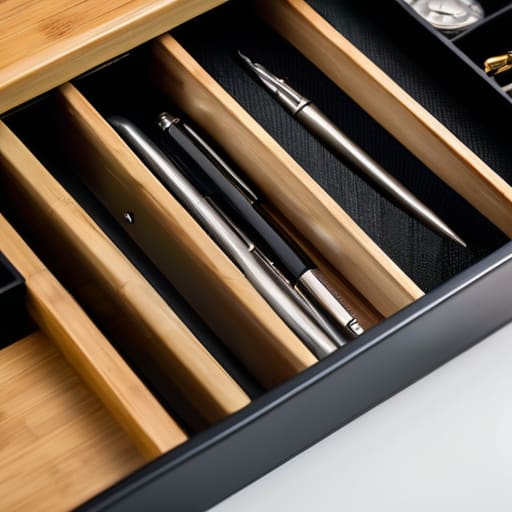
Most people treat their junk drawers like a graveyard for broken pens and loose batteries, thinking a quick tidy-up will fix it. It won’t. If you want real order, you need to move away from those flimsy, spring-loaded plastic inserts that lose their tension after three weeks of use. I’ve seen enough cheap manufacturing in my time to know when a product is designed to fail. Instead, look for solid bamboo or heavy-duty metal dividers that stay exactly where you put them.
When you’re building your own home decluttering systems, the goal isn’t just to hide the mess; it’s to create a repeatable structure. A well-placed set of dividers turns a chaotic drawer into a functional workstation. Don’t get distracted by those flashy, colorful plastic gadgets you see in social media ads. They look good for five minutes, but they crack under pressure. Invest in sturdy, adjustable pieces that provide actual stability. If you take the time to set up proper drawer dividers for tidiness now, you won’t be digging through a pile of loose hardware or tangled cables six months from now. Buy them once, and let them do their job.
Five Rules for Buying Storage That Won't End Up in a Landfill
- Stop buying flimsy plastic bins. They crack under pressure and warp over time. If you’re setting up a pantry or a closet, look for heavy-duty containers made of thick, high-quality polymers or, better yet, natural materials like wood or metal that can handle a bit of weight without buckling.
- Measure twice and buy once. There is nothing more wasteful than a drawer full of organizers that don’t actually fit the space. Before you spend a dime, get a tape measure out and map your dimensions. A tool that doesn’t fit the space is just more clutter.
- Prioritize transparency or labeling. If you can’t see what’s inside a container, you’ll forget it’s there and end up buying a duplicate. I prefer clear, thick-walled bins so I can see my inventory at a glance, or sturdy containers that allow for clear, permanent labeling.
- Look for modularity, not “sets.” Companies love to sell you a matching 12-piece set that looks nice on a shelf but doesn’t actually suit your specific needs. Buy individual pieces that can be added to or rearranged as your life changes. That’s how you build a system that actually works.
- Check the packaging before you reach for your wallet. I refuse to bring more waste into my home just to organize the things I already own. If a company wraps a single organizer in three layers of non-recyclable plastic, they aren’t worth my business. Find the brands that respect the product and the planet.
The Bottom Line on Buying Right
Stop falling for the “convenience” of cheap plastic organizers; they warp, crack, and end up in a landfill within a year.
Look for materials like solid wood, metal, or heavy-duty recycled composites that can actually handle the weight of your belongings.
Always calculate the cost-per-year rather than the sticker price—a sturdy tool bought once is far cheaper than a flimsy one bought five times.
The Cost of Cheap Convenience
Most people think they’re saving money by grabbing a handful of plastic organizers from a big-box store, but they’re actually just paying a tax on waste; if a tool doesn’t have the weight and the build quality to survive a decade of daily use, it isn’t an investment, it’s just more future landfill.
Hugo Steenkamp
Making the Investment Count
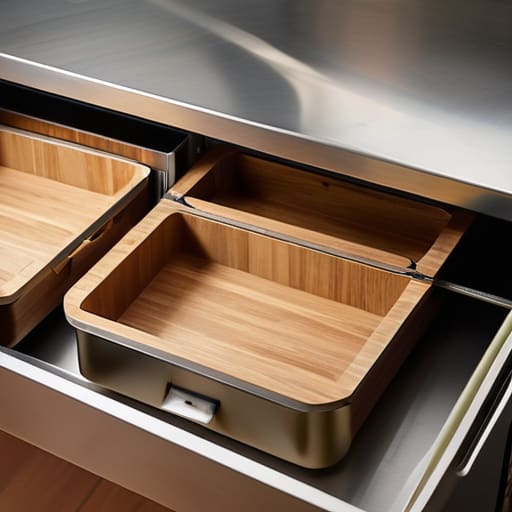
At the end of the day, organizing your home isn’t about chasing some aesthetic you saw on a social media feed; it’s about efficiency and durability. We’ve looked at why you should skip the flimsy plastic and instead opt for modular bins and solid drawer dividers that can actually handle the weight of daily use. Whether you are sorting through a workshop or tidying a kitchen pantry, the principle remains the same: if a tool is built from substandard materials, you’ll find yourself replacing it every twelve months. That is not just a waste of your time—it is a waste of your hard-earned money.
I want you to take a hard look at what you are bringing into your living space. Every item you purchase should earn its place by being functional and built to endure. When you stop settling for the “disposable culture” and start selecting tools that possess a bit of substance, you’ll find that your home becomes a much more stable, organized place. Don’t just buy things to fill a gap; buy them once and buy them well. A well-ordered home isn’t a trend; it is a testament to good judgment.
Frequently Asked Questions
How can I tell if a storage container is made of high-quality material or just cheap, recycled plastic that's going to crack in a year?
Look at the thickness and the weight. If it feels light and flimsy in your hand, it’s garbage. Give the sides a gentle squeeze; cheap plastic will flex too much or creak, which is a sign it’ll crack under pressure. I also look for a uniform texture. If you see uneven seams or jagged edges, walk away. You want something dense and solid—if it doesn’t feel substantial now, it won’t last the year.
Are there specific types of drawer dividers that won't slide around every time I open the drawer?
If you’re tired of chasing those flimsy plastic dividers that slide every time you pull a drawer, stop looking at the cheap stuff. You need dividers with built-in tension mechanisms or non-slip silicone bases. Even better, look for expandable wooden dividers that wedge firmly against the drawer walls. I prefer the heavy-duty bamboo variety; they have enough weight and friction to stay exactly where you put them. Don’t settle for anything that requires constant readjusting.
Is it worth spending more on heavy-duty metal organizers, or will wood-based solutions hold up better in a damp pantry or bathroom?
If you’re dealing with dampness in a pantry or bathroom, skip the wood. Even well-sealed timber eventually warps or grows mold when moisture gets trapped. In those environments, heavy-duty metal is your best bet. It won’t swell, it won’t rot, and it can handle the weight of heavy jars without buckling. It’s a bit more of an upfront investment, but it beats replacing a moldy wooden shelf every two years.
