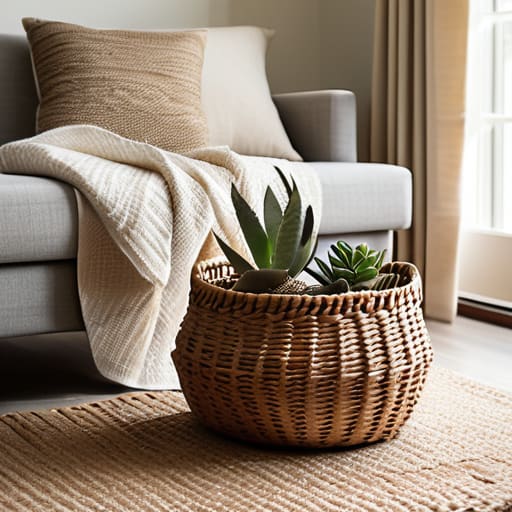
I was cleaning out my garage last weekend when I stumbled upon a stack of those flimsy, mass-produced plastic storage bins I’d bought a few years back. Most of them were cracked, warped, or just plain useless, destined for a landfill because they couldn’t handle a bit of real-world weight. It’s the same nonsense I see everywhere lately—people spending a fortune on “decorative” organizers that are nothing more than glorified trash. If you’re tired of seeing your storage solutions fall apart the moment you actually put them to work, it’s time to stop chasing the cheap stuff and start looking at handwoven baskets. A real basket isn’t just a design choice; it’s a piece of functional equipment that actually earns its keep.
I’m not here to sell you on some fleeting interior design trend or tell you which color will look best on a social media feed. My goal is to help you identify quality materials and construction so you can buy it once and buy it well. I’ll be sharing exactly what to look for in terms of weave density and fiber strength, ensuring you invest in items that will still be sitting in your home decades from now.
Table of Contents
- Mastering Artisanal Weaving Techniques for Longevity
- Why Sustainable Home Accessories Outlast Seasonal Fads
- How to Spot a Basket That Won't Fall Apart in Six Months
- The Bottom Line on Making the Right Choice
- The Cost of Cheap Convenience
- Making the Right Call for Your Home
- Frequently Asked Questions
Mastering Artisanal Weaving Techniques for Longevity
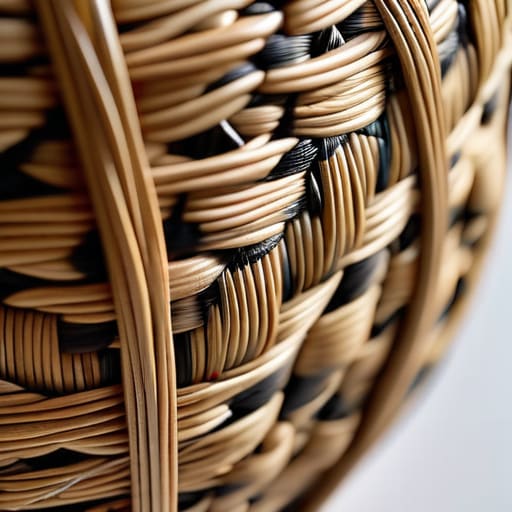
When you’re looking at these pieces, don’t just eye the color or the pattern. You need to look at the tension of the weave. In my years managing logistics, I learned that if the foundation is weak, the whole shipment is junk. The same applies here. True artisanal weaving techniques rely on tight, consistent structural integrity. If you see gaps or loose strands where the fibers meet, walk away. A poorly constructed piece might look fine under a dim lamp, but it won’t hold the weight of your books or linens for more than a season.
I’ve spent enough time in my workshop to know that material choice dictates lifespan. You want to see fibers that have been properly cured and dried. For instance, certain seagrass basket styles are much more resilient to humidity than others. If the weave feels brittle or looks overly processed, it’s likely going to crack within a year. You aren’t just buying a container; you are investing in a piece of craftsmanship that should remain sturdy and functional for decades. Don’t settle for anything less than a tight, disciplined weave.
Why Sustainable Home Accessories Outlast Seasonal Fads
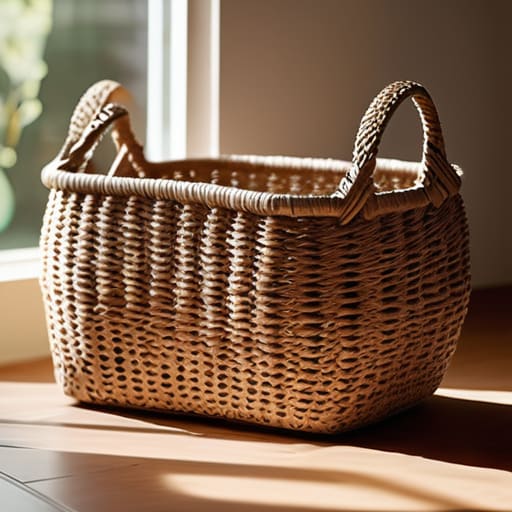
I’ve spent enough years in logistics to know the difference between a product built for a lifecycle and one built for a landfill. Most people fall into the trap of chasing “boho chic interior design” trends they see on social media, only to find their cheap, mass-produced decor looking ragged within six months. Those flimsy, factory-stamped items are designed to fail. When you opt for sustainable home accessories made from natural fibers, you aren’t just following a trend; you are investing in materials that possess inherent structural integrity.
A well-made piece of rattan basket decor or a sturdy seagrass container doesn’t rely on glue or plastic stabilizers that degrade over time. Instead, they rely on the tension of the weave and the strength of the plant itself. This is why I tell people to stop looking for “seasonal” items. If you choose items crafted with intention, they won’t look out of place when the next fad rolls around. You end up with a home filled with objects that possess character and, more importantly, the ability to actually do their job for decades.
How to Spot a Basket That Won't Fall Apart in Six Months
- Feel the weight and the tension. A quality basket should feel substantial in your hands, not flimsy or hollow. If the weave feels loose or inconsistent, it’s going to lose its shape the moment you put something heavy in it.
- Inspect the rim and the base. These are the two most common failure points. Run your fingers along the top edge; it should be smooth and tightly integrated into the weave, not a jagged mess of loose fibers that will fray.
- Check the material’s integrity. Whether it’s willow, seagrass, or rattan, the fibers should be supple but firm. If you see excessive brittle bits or dust falling out during inspection, that piece is already dying on the shelf.
- Look for structural reinforcement. Real craftsmanship often includes a thicker rim or a reinforced bottom to handle actual use. If it looks like it was made just to sit on a shelf for a photo, it’s decorative junk, not a tool for your home.
- Avoid the “perfect” factory look. If every single strand is identical to the millimeter, it was likely pumped out by a machine in a factory. You want to see the slight, honest variations that come from a human hand—that’s where the strength and the character live.
The Bottom Line on Making the Right Choice
Stop looking at the price tag in isolation; a cheap plastic bin is a recurring expense, whereas a well-made basket is a one-time investment that pays dividends in years of use.
Check the weave and the material before you buy—if it feels flimsy or relies on synthetic coatings to look good, leave it on the shelf.
Prioritize natural fibers and artisanal construction, because things built by hand tend to have a soul and a structural integrity that factory-line junk simply can’t replicate.
The Cost of Cheap Convenience
I’ve spent enough years in logistics to know that if you pay pennies for something, you’ll end up paying for it twice—once at the register and again when it falls apart in your hands. A handwoven basket isn’t just a container; it’s a piece of craftsmanship that earns its keep every single day.
Hugo Steenkamp
Making the Right Call for Your Home
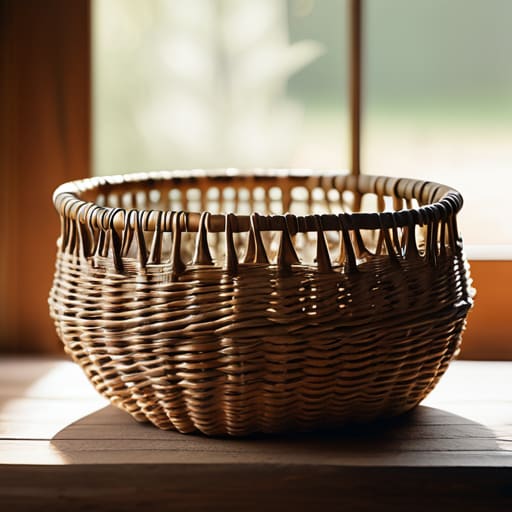
At the end of the day, choosing a handwoven basket isn’t about following a design trend you saw on a social media feed; it’s about making a sensible investment in your living space. We’ve looked at how superior weaving techniques ensure these pieces don’t fall apart under pressure and why choosing natural, sustainable materials is the only way to avoid the cycle of buying cheap, plastic junk every few years. When you prioritize structural integrity and quality materials, you aren’t just buying a container for your things—you are acquiring a piece of functional art that is built to withstand the test of time.
I’ve spent my career looking at supply chains and seeing exactly how much waste is generated by the “buy it cheap, throw it away” mentality. It’s exhausting, and frankly, it’s a waste of your hard-earned money. My advice is simple: stop settling for the disposable. Next time you need something for your home, look for the item that feels substantial, looks timeless, and carries the mark of real craftsmanship. Buy it once, buy it well, and make it count. Your home—and your wallet—will thank you for it.
Frequently Asked Questions
How can I tell if a basket is actually made from natural fibers or if it's just cheap plastic disguised to look artisanal?
Don’t let a clever marketing tag fool you; you have to use your hands. Give the basket a firm squeeze. Natural fibers like seagrass or rattan have a slight give and a distinct, earthy scent. If it feels unnaturally rigid or smells like a chemical factory, it’s plastic. Also, look at the weave. Real natural material has slight, honest imperfections. If every strand is mathematically identical and shiny, it’s just more disposable junk.
What is the best way to clean and maintain these baskets so they don't degrade or attract pests over the years?
Don’t go dumping these in a washing machine; you’ll ruin the weave instantly. Keep it simple. Use a soft brush or a vacuum with a brush attachment to clear out dust regularly. If they get a stain, a damp cloth with a tiny bit of mild soap is plenty. Most importantly, keep them dry. Moisture is the enemy—it invites mold and pests. Store them in a well-ventilated spot, not a damp basement.
Are there specific weaving patterns I should look for that indicate the structure is sturdy enough for heavy-duty storage?
Look for a tight, diagonal twill weave or a heavy ribbing pattern. If the weave looks loose or “airy,” it’s meant for a decorative fruit bowl, not your heavy tools or linens. A sturdy basket should feel dense to the touch. I always check the rim and the base; if the weave doesn’t feel integrated and solid at the joints, it’ll sag under weight. Don’t be fooled by looks—test the tension.
