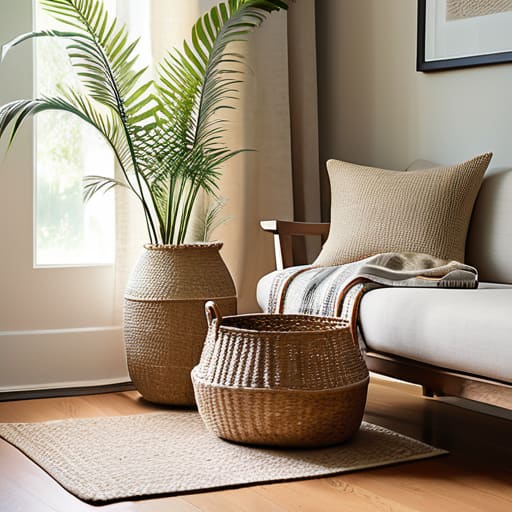
I was cleaning out my workshop last weekend when I found a pile of those cheap, mass-produced plastic storage bins I’d bought on a whim years ago. They were cracked, brittle, and frankly, a disgrace to my floor. It reminded me of the absolute nonsense currently flooding the market with “decorative” woven baskets that are nothing more than thin, glued-together twigs masquerading as home goods. Most of what you see in those big-box stores today is designed to look decent for exactly one week before the weave starts unravelling and the bottom gives out. It’s a waste of your hard-earned money and a disrespect to craftsmanship.
I’m not here to sell you on a lifestyle trend or tell you how a certain weave will “transform your aesthetic.” I’m here to tell you how to spot the difference between a piece of functional equipment and a piece of disposable junk. In this guide, I’m going to show you exactly what to look for in terms of material density, weave tightness, and structural integrity so you can buy it once and buy it well. We’re going to focus on items that actually earn their place in your home.
Table of Contents
The Lasting Value of Handcrafted Wicker Baskets
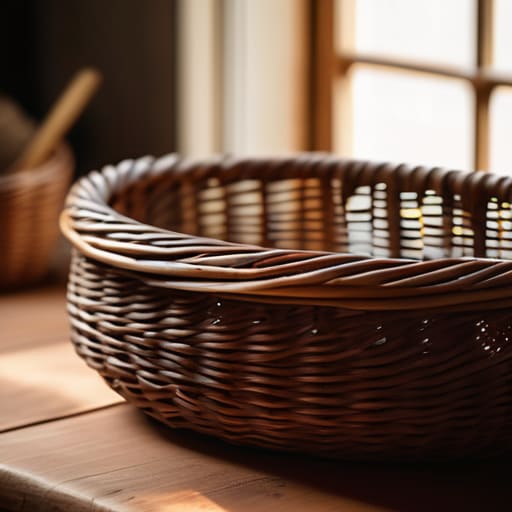
When I look at the shelves in my workshop, I see tools that have survived decades because they were built with intention. The same logic applies to your living room. Most people fall into the trap of buying those mass-produced, synthetic bins from big-box retailers that crack the moment you overstuff them. If you want something that actually holds up, you need to look toward handcrafted wicker baskets. There is a structural integrity in a hand-woven piece that a machine simply cannot replicate. You aren’t just buying a container; you are investing in a piece of craftsmanship that won’t end up in a landfill by next season.
Beyond the sheer durability, there is a practical side to choosing natural fibers. Using these items is one of those simple eco-friendly storage ideas that actually makes sense for your wallet and the planet. Unlike plastic, which is a nightmare to recycle and feels cheap in your hands, natural reed and willow age gracefully. They develop a bit of character over time rather than just looking worn out. If you’re going to spend money on organization, make sure it’s on something that serves a purpose and endures.
Sustainable Home Styling Over Fleeting Trends
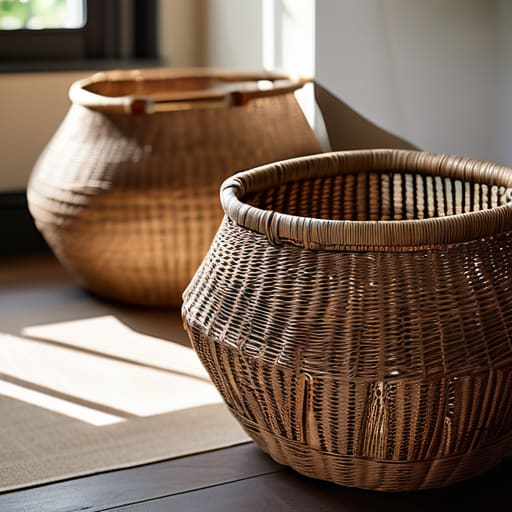
I see people all over the news and social media chasing that “boho chic interior design” look, buying cheap, mass-produced trinkets to match a color palette that will be out of style by next Christmas. It’s a waste of money and a waste of space. If you want to practice true sustainable home styling, you have to look past the temporary flash. You don’t need a house full of plastic decor that ends up in a landfill the moment the trend shifts.
Instead, focus on pieces that bring texture and utility to a room simultaneously. Using seagrass basket benefits—like their natural durability and ability to breathe—allows you to organize your living space without relying on synthetic materials. When you choose natural fibers, you aren’t just following a design fad; you are investing in materials that age gracefully. A well-placed piece of natural weave doesn’t scream for attention like a neon trend; it simply sits there, doing its job and looking better with every year of use. That is how you build a home that actually lasts.
How to Spot a Basket That Won't End Up in a Landfill
- Check the weave density before you buy. If you can see gaps large enough for a coin to slip through, that basket is going to lose its shape the moment you put anything of weight in it. A tight, consistent weave is a sign of quality.
- Avoid the “scented” trap. Some manufacturers spray cheap baskets with artificial fragrances to mask the smell of low-grade materials. A real, well-made wicker or seagrass basket should smell like nothing at all, or perhaps a faint hint of dried grass.
- Inspect the base for structural integrity. Turn the basket over. If the bottom feels flimsy or the weave looks rushed, it won’t hold up to daily use. It needs a solid foundation to serve its purpose for more than a single season.
- Look for natural fibers, not plastic imitations. I see far too many “wicker” items that are actually just dyed plastic strips. They look okay for a week, but they don’t breathe, they don’t age well, and they are a nightmare for the environment.
- Prioritize sturdy handles. If the basket has handles, they should be integrated into the weave of the body, not just glued or stitched on at the end. If the handle isn’t part of the structural integrity of the piece, it’s going to snap off when you actually need to move it.
Bottom Line: Buy for Substance, Not Just Style
Stop wasting money on cheap, mass-produced plastic bins that end up in a landfill by next season; invest in natural fibers that can actually handle a bit of wear and tear.
Prioritize craftsmanship over convenience by looking for tightly woven structures that won’t unravel the moment you put something of actual weight in them.
Think long-term about your storage needs to ensure the basket you buy today remains a functional part of your home ten years from now, rather than just another piece of clutter.
Forget the Plastic Bin
“I’ve spent enough years managing supply chains to know when a product is built to endure and when it’s just landfill in waiting; a real, hand-woven basket isn’t just a way to tidy up a room, it’s an investment in something that won’t end up in a bin by next season.”
Hugo Steenkamp
Making the Right Call
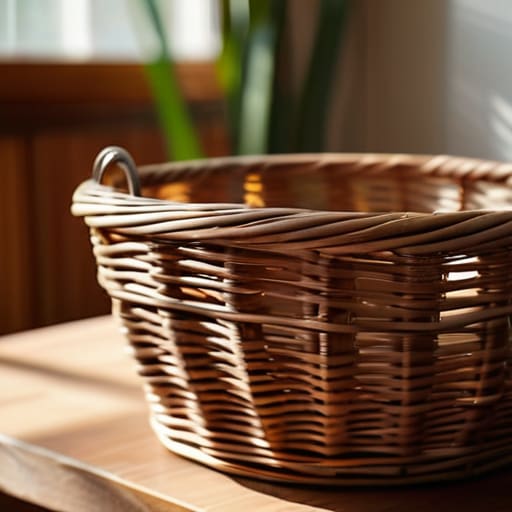
At the end of the day, choosing a woven basket isn’t about following a design fad you saw on a social media feed; it’s about making a practical decision for your home. We’ve looked at why handcrafted wicker holds its shape far better than those cheap, mass-produced imitations, and why prioritizing natural materials is the only way to ensure you aren’t just adding more disposable clutter to your living space. If you invest in quality materials and solid construction, you aren’t just buying a container—you are buying a tool that serves a purpose and stands the test of time.
I’ve spent enough years in logistics to know that the cheapest option usually ends up being the most expensive one when it breaks and needs replacing. Don’t fall into the trap of buying for the sake of “stuff.” Instead, look for pieces that feel substantial in your hands and look like they belong in a home that values substance over style. Build a collection of goods that actually endure, and you’ll find that your home feels a lot more settled and a lot less like a showroom. Buy it once, buy it well, and let the quality speak for itself.
Frequently Asked Questions
How can I tell the difference between a sturdy, hand-woven basket and one made of cheap, mass-produced fibers that will unravel in a year?
Don’t just look at the pattern; look at the structure. Give it a firm squeeze. A quality basket should feel solid and hold its shape, not go limp like a wet rag. Check the base—if it’s flimsy or wobbles, put it back. Most importantly, inspect the weave. If you see loose, hairy fibers or gaps that look like they’ll snag a sweater, it’s cheap junk. Real craftsmanship is tight, consistent, and built to endure.
What is the best way to clean and maintain natural fibers so they don't become brittle or moldy over time?
Don’t go dumping harsh chemicals on natural fibers; you’ll ruin them faster than you can say “disposable.” If you see dust, just use a soft brush or a vacuum with a brush attachment. For spills, a slightly damp cloth is plenty. The real trick is airflow. Keep them out of damp corners to prevent mold, and if they look a bit parched, a very light application of flaxseed oil can help. Treat them with respect, and they’ll last decades.
Are there specific types of natural materials, like seagrass or rattan, that are better suited for heavy-duty storage versus just looking good on a shelf?
If you’re looking to actually store things rather than just decorate a shelf, steer clear of seagrass. It’s fine for a light throw blanket, but it’s brittle and snaps under pressure. For heavy-duty work—think tools, books, or heavy linens—you want rattan or willow. Rattan is sturdy and holds its shape even when loaded up. It’s an investment in utility, not just a pretty face. Buy for strength, not just for show.
