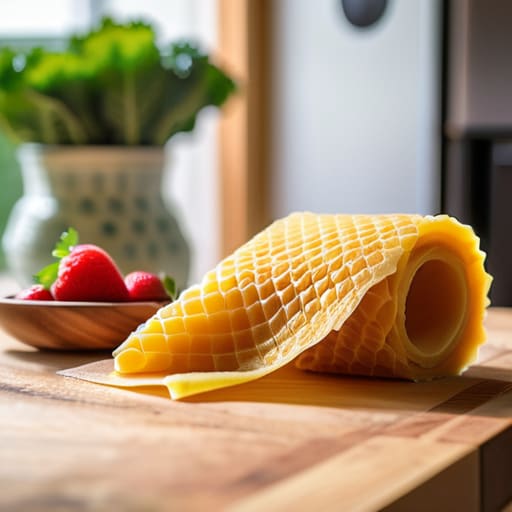
I was clearing out my pantry last Tuesday when I saw it: a mountain of crinkled, shredded plastic wrap clinging to a half-eaten block of cheddar like it was part of the cheese itself. It’s a ridiculous waste of money and even worse for the planet. People act like these flimsy rolls of polyethylene are a necessity, but they’re nothing more than disposable junk designed to fail the moment you actually need them. I’ve spent thirty years in logistics, and I know a bad supply chain when I see one; throwing away perfectly good food because your packaging couldn’t hold a seal is a logistical failure. That’s why I finally made the switch to reusable beeswax wraps, and I’m not looking back.
I’m not here to sell you on some trendy, overpriced lifestyle fad or tell you that these wraps will magically change your soul. What I am going to do is give you the straight talk on how they actually perform in a real kitchen. I’ll tell you which ones are worth the investment, how to make them last longer than a week, and exactly how to use them so you can stop wasting money on single-use garbage.
Table of Contents
Beyond Plastic Choosing Natural Food Storage Alternatives
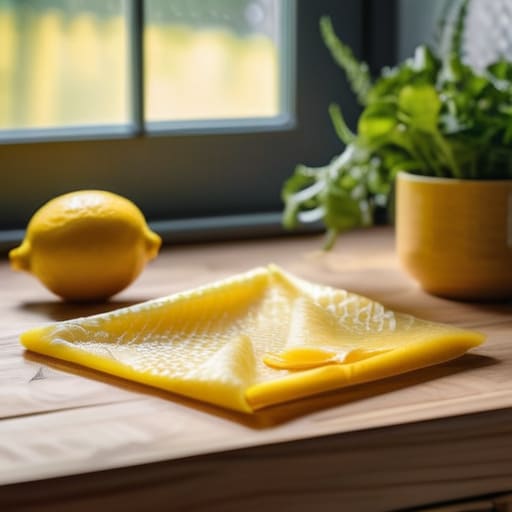
When you look at the sheer volume of single-use plastic cluttering our pantries, it’s easy to see why I find it so frustrating. Most of it is designed to be thrown away before it’s even truly useful. If you are looking for natural food storage alternatives, you have to look at what actually works without creating a mountain of waste. Glass containers are a solid, heavy-duty option for leftovers, but they lack the versatility of something you can mold around a half-cut lemon or a bowl of salad.
That is where the real value lies. When comparing beeswax wrap vs plastic wrap, the difference isn’t just about the environment; it’s about how your food behaves. Plastic suffocates produce in a non-breathable layer, often leading to premature rot. On the other hand, the natural properties of wax allow for a bit of airflow while maintaining moisture. It’s a more logical way to manage a kitchen. You aren’t just buying a product; you are investing in a system that respects the food you’ve paid for.
The Real Benefits of Beeswax for Food Longevity
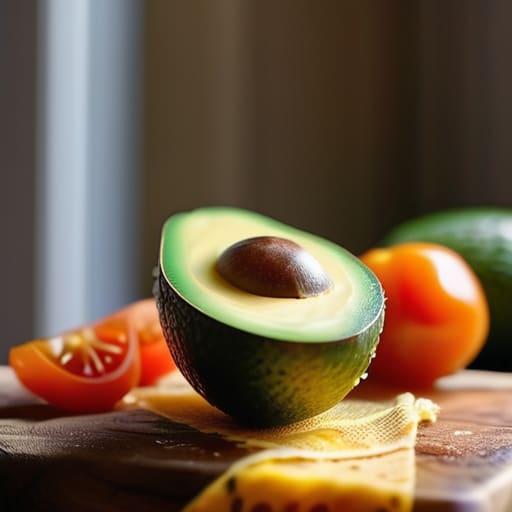
Most people don’t realize that plastic wrap works by suffocating your food. It creates a vacuum that traps moisture, which is a recipe for mold and premature rot. When you look at the benefits of beeswax for food, it’s all about the breathability. The wax coating allows for a microscopic amount of air exchange, which keeps your produce from getting that slimy, over-hydrated texture. It’s a much more logical way to manage your pantry if you actually want your groceries to stay fresh for more than a few days.
Furthermore, the antimicrobial properties of the wax itself act as a natural shield. Unlike those flimsy rolls of film that offer zero protection against bacteria, these wraps use the natural resins of the hive to help keep things clean. It’s a superior method of eco friendly food preservation that actually performs its job. You aren’t just saving the planet; you’re making sure that the money you spent on those organic vegetables doesn’t go straight into the compost bin because they spoiled overnight. It’s about efficiency and common sense.
How to Make Them Last (And Not Waste Your Hard-Earned Money)
- Stop washing them with hot water. I’ve seen too many people ruin a good wrap by using a boiling kettle or a dishwasher; use lukewarm water and a mild soap, or you’ll melt the wax right off the cloth.
- Use the warmth of your hands to seal the deal. These aren’t like those cheap plastic films that cling to everything automatically; you have to actually press the wrap against the bowl or food with your hands to get the wax to grip.
- Keep them away from the heat. Don’t you dare wrap up something straight out of a hot oven or a steaming pot of soup. If the food is too hot, the wax turns to liquid and the whole thing becomes a sticky, useless mess.
- Avoid the raw meat trap. I’m a practical man, and I know that using beeswax wraps on raw meat or fish is just asking for bacteria issues. Stick to vegetables, cheese, and leftovers to keep things hygienic.
- Store them flat and cool. When you aren’t using them, don’t just toss them in a drawer with your heavy tools. Keep them in a cool, dry place so the wax stays firm and ready for the next time you need to pack a lunch.
The Bottom Line: Why It’s Time to Ditch the Plastic
Stop treating your kitchen like a landfill; switching to beeswax wraps is a one-time investment that keeps food fresher for longer while cutting down on constant, wasteful spending.
Look for quality over novelty—ensure your wraps are made from genuine, high-grade beeswax and organic cotton so they actually hold their shape and function after a few washes.
Think long-term, not just for today—by choosing a reusable, natural option, you’re buying a tool that serves a purpose for months, not a single-use piece of plastic that’s gone in seconds.
A Simple Shift in Logic
“I spent three decades looking at supply chains and waste, and frankly, I’m tired of seeing good money flushed down the drain on rolls of plastic that serve no purpose after a single use; if you’re going to wrap your food, do it with something that has the decency to last more than a week.”
Hugo Steenkamp
Making the Switch for Good
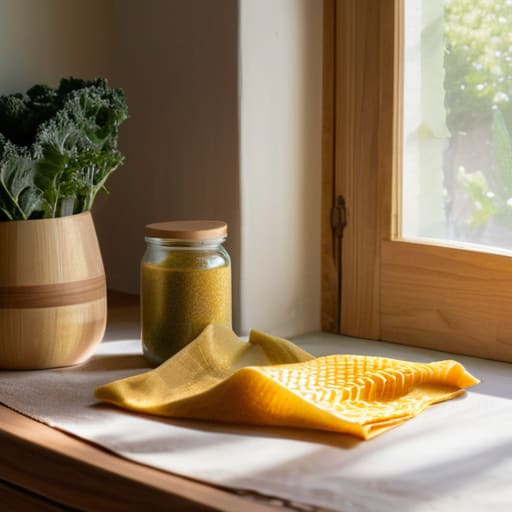
Look, I’ve spent my career looking at efficiency and waste, and nothing makes more sense than cutting out the middleman of single-use plastics. We’ve covered why beeswax is superior for keeping your produce fresh and why moving away from those flimsy, petroleum-based wraps is a no-brainer for your kitchen. When you choose beeswax wraps, you aren’t just buying a kitchen tool; you are investing in a durable, reusable solution that actually performs its job. It’s about moving away from the cycle of constant replacement and toward a pantry that is organized, sustainable, and—most importantly—built to last.
At the end of the day, my philosophy is simple: stop chasing the convenience of things that are designed to fail. Every time you reach for a roll of plastic, you’re participating in a system of waste that serves no one. Switching to beeswax wraps is a small, sensible step toward a more intentional way of living. It’s a way to reclaim your kitchen from the clutter of disposable junk and replace it with something sturdy and reliable. Buy them once, use them well, and stop letting your hard-earned money vanish into a landfill. Make it count.
Frequently Asked Questions
How often do I actually need to wash these, and can I just throw them in the dishwasher?
Listen, if you throw these in the dishwasher, you’re essentially throwing your money down the drain. The high heat will melt the wax right off, leaving you with nothing but useless scraps of fabric. Don’t do it. Just rinse them in cold or lukewarm water with a drop of mild soap when they get sticky. It’s simple maintenance, but it’s the only way to ensure they actually last for years.
Are these wraps going to leave a greasy residue on my bread or cheese?
Look, I get the concern. I don’t want my sourdough feeling like it’s been sitting in a bucket of oil. If you use them correctly, you won’t have a mess. The wax is embedded in the cloth, not just smeared on top. Just avoid using them on hot food—that’s when the wax softens too much. Use them on room-temperature cheese or bread, and they’ll do their job without leaving a greasy film behind.
What's the lifespan of a good set before I'm back to buying more?
Look, I’m not interested in products that require a replacement every few months. If you treat a good set of beeswax wraps with a bit of respect—meaning you wash them in cool water and avoid high heat—they’ll easily last you a year or more. Some sets even stretch to eighteen months. It’s a far cry from the endless cycle of buying rolls of plastic wrap that serve no purpose once they’re used.
