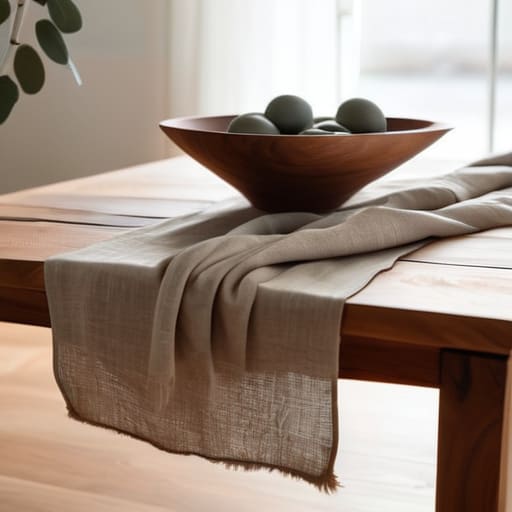
I was sitting in my workshop last weekend, sanding down a piece of reclaimed oak, when I realized how much of the modern home is filled with nothing but disposable nonsense. I saw an ad for some cheap, polyester-blend “decor” that looked like it would fray if you even looked at it sideways. It reminded me of the sheer amount of money people waste on seasonal trends that end up in a landfill by next spring. If you’re looking for linen table runners, don’t fall for the marketing trap of buying thin, synthetic imitations that claim to be “linen-look.” If it doesn’t have the weight, the texture, and the durability to survive a decade of family dinners, it isn’t worth your hard-earned money.
I’m not here to sell you on a lifestyle or show you some curated catalog of expensive fluff. My goal is simple: I want to help you identify real quality so you can buy it once and never have to think about it again. I’ll be breaking down exactly what to look for in the weave, how to spot genuine flax, and why a heavy, honest linen is the only sensible investment for your dining room.
Table of Contents
Beyond the Trend Choosing Sustainable Home Textiles
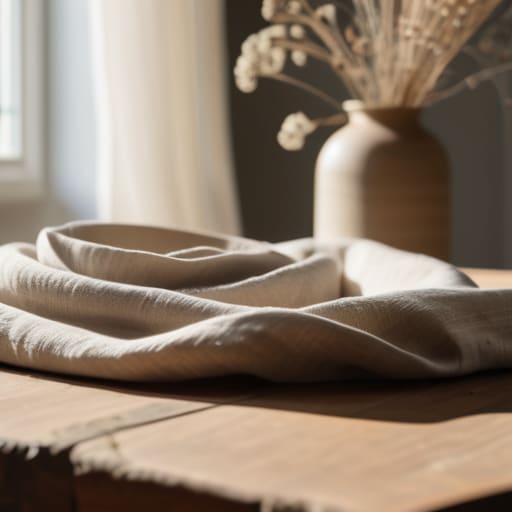
Most people fall into the trap of buying cheap, synthetic blends because they look decent under bright store lights. But those polyester-heavy fabrics are a waste of money; they pill, they fray, and they end up in a landfill before the year is out. If you want to do things right, look for sustainable home textiles made from flax. It’s a hardy plant that doesn’t require much water or pesticides, making it a sensible choice for anyone tired of the “throwaway” culture.
When you’re comparing options, don’t get distracted by flashy patterns. I always look for washed linen textures because they offer a weight and durability that you simply won’t find in a standard cotton weave. In the long run, the comparison of linen vs cotton runners usually comes down to longevity; linen stands up to repeated heavy washing without losing its shape. You aren’t just buying a piece of fabric to cover a table; you are investing in a tool for your home that will serve you for decades.
The Truth About Linen vs Cotton Runners
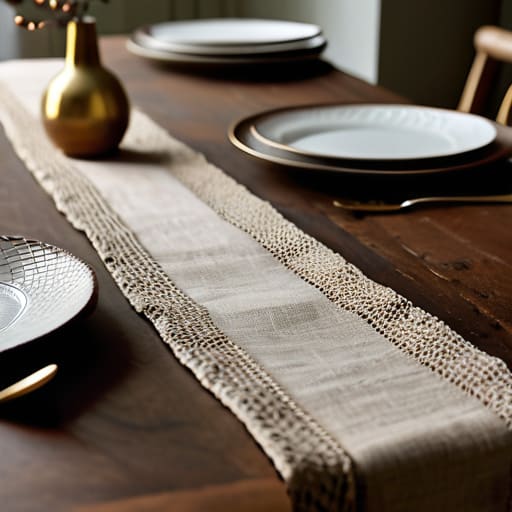
I’ve seen enough “bargain” cotton runners end up in the landfill after a single season of heavy use. Cotton might feel soft at first, but it lacks the structural integrity required for a real dining table. Once it’s been through the wash a handful of times, it loses its shape, begins to pill, and frankly, starts looking ragged. If you’re looking for natural fabric table decor that actually stands up to a Sunday roast or a holiday gathering, cotton is rarely the answer. It’s a temporary fix for a permanent problem.
Linen, on the other hand, is an investment in durability. When comparing linen vs cotton runners, the difference in longevity is night and day. Linen fibers are much stronger and actually become more supple and characterful with every wash. I prefer those washed linen textures because they don’t demand a perfect, stiff press to look decent; they have a natural weight that stays put on the table. You aren’t just buying a piece of cloth; you’re buying something that will likely outlast the very table it sits on.
How to Spot Real Quality Before You Open Your Wallet
- Check the weight of the fabric. If a linen runner feels thin and flimsy like a cheap tea towel, put it back on the shelf. You want a heavy, substantial weave that stays put on the table instead of sliding around every time someone reaches for the salt.
- Look for stone-washed or pre-washed labels. I’ve learned the hard way that buying “raw” linen without proper treatment means you’ll be fighting shrinkage and uneven textures for the rest of your life. Buy something that’s already been through the ringer so it sits right from day one.
- Inspect the hem stitching. A cheap manufacturer will skimp on the edges with loose, single-thread stitching that’ll fray after three washes. Look for a thick, reinforced hem. If the stitching looks rushed or uneven, the whole piece is going to fall apart within a year.
- Avoid the “synthetic blend” trap. Some companies try to pass off polyester-linen mixes as high quality to save a buck. Don’t fall for it. A blend might be cheaper, but it won’t breathe or age the way pure flax does. If it’s not 100% linen, it’s just a disposable imitation.
- Prioritize natural, muted colors. Bright, neon, or overly processed dyes are a sign of a product designed to look good in a single photo before being tossed. Stick to earthy tones—oatmeal, slate, or sage. These colors don’t go out of style, and they hide the natural character of the fabric much better.
The Bottom Line on Buying Linen
Stop looking at the price tag in isolation; a high-quality linen runner is a one-time investment that outlasts a dozen cheap cotton replacements.
Check the weight and weave before you buy—if it feels flimsy or translucent, it won’t survive a single wash cycle, let alone years of use.
Prioritize natural fibers and minimal processing to ensure the piece is both durable and easy on the environment.
The Real Cost of Cheap Decor
“I’ve spent enough years managing supply chains to know that if a product is priced like it’s disposable, it usually is. Don’t waste your money on flimsy cotton scraps that lose their shape after one wash; buy a heavy linen runner that can actually handle a lifetime of Sunday dinners.”
Hugo Steenkamp
The Bottom Line on Linen
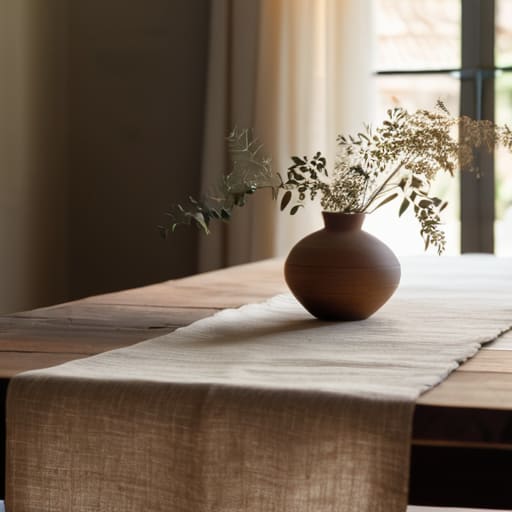
At the end of the day, choosing a linen table runner isn’t about following some interior design fad you saw on a social media feed. It’s about understanding the difference between a product that’s designed to be replaced and one that’s built to last. We’ve looked at why the durability of linen far outweighs the flimsy convenience of cheap cotton, and why opting for sustainable, high-quality textiles is a smarter move for both your wallet and the planet. When you stop looking at the price tag of a single season and start looking at the cost-per-year, you realize that investing in quality is the only way to shop.
My advice is simple: stop the cycle of buying disposable goods that end up in a landfill before the year is out. Your home deserves pieces that carry a bit of weight and character—items that look just as good after five years of family dinners as they did the day you unboxed them. Build a home filled with things that have a purpose and a soul. Buy it once, buy it well, and let your belongings be a testament to a life lived with intention rather than a collection of clutter.
Frequently Asked Questions
How do I tell the difference between high-quality heavy linen and those thin, cheap blends that feel like paper?
Don’t let a fancy label fool you. The easiest way to spot junk is the “light test.” Hold the fabric up to a window; if you can see the distinct outline of your hand through it, it’s thin, cheap nonsense. Real, heavy linen has a weight to it and a slightly irregular, slubby texture. If it feels unnaturally smooth or flimsy like tissue paper, it’s likely a low-grade blend that’ll fall apart after three washes.
Is it actually practical to use linen for daily meals, or am I just going to spend my whole life ironing out wrinkles?
Look, if you’re expecting a crisp, starched hotel look every single night, linen isn’t for you. But if you want something that works, listen to me: those wrinkles are part of the charm. They show the fabric is real. I stopped fighting the creases years ago. Just wash it, hang it, and let it be. It’s much more practical than a delicate cotton that shows every single spill and requires constant fussing.
How should I be washing these to make sure they actually last for decades instead of fraying after three cycles?
Look, if you treat linen like it’s disposable, it’ll act like it. Stop throwing these in with your heavy towels or rough denim; that friction is what kills the fibers. Wash them on a gentle cycle with cold water and a mild detergent. Most importantly, quit the high-heat dryer. It’s a slow death for good fabric. Air dry them, shake out the wrinkles, and give them a quick steam if you must. Do that, and they’ll outlive your cheap cotton alternatives.
