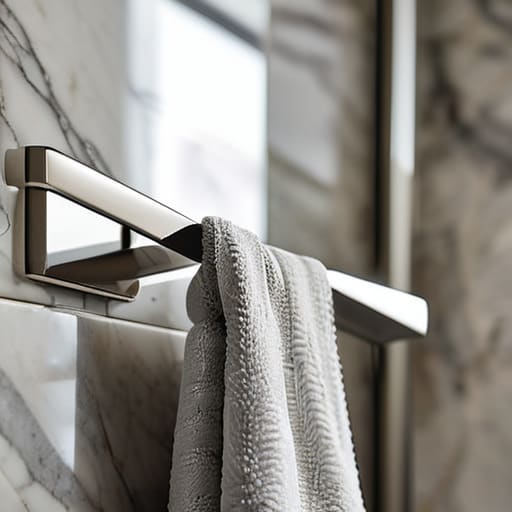
I was working in my shop last weekend, restoring an old hand plane, when I realized how much of modern manufacturing has gone to rot. You walk into any big-box store today and see rows of these flimsy, lightweight towel racks that look decent under bright showroom lights but are essentially made of recycled soda cans and hope. They use cheap, thin alloys that corrode the moment they encounter a bit of steam, and the mounting hardware is so weak you’d be better off using scotch tape. It drives me up the wall to see people paying premium prices for disposable junk that’s destined for a landfill before the year is out.
I’m not here to talk to you about “bathroom aesthetics” or what’s trending on social media. My goal is to help you navigate the nonsense so you can find hardware that actually stays mounted to the wall and survives the humidity. I’ll be sharing my straightforward, experience-based advice on materials, weight capacities, and mounting methods that matter. We’re going to focus on buying things once and buying them well, so you can stop wasting money on replacements every time a screw strips or a finish peels.
Table of Contents
The Longevity of Brushed Nickel Towel Bars
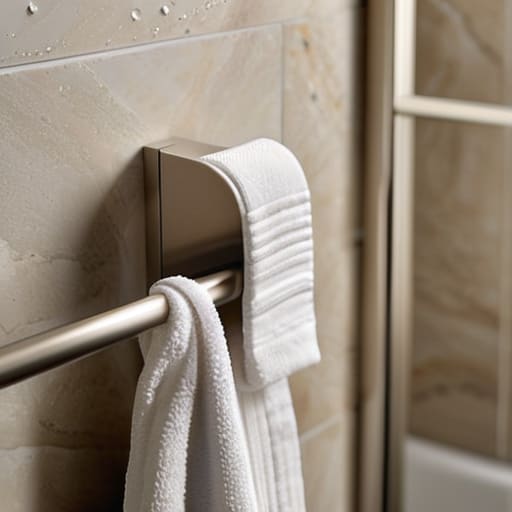
I’ve spent enough time in logistics to know that the finish on a product is often the first thing to fail when it meets real-world conditions. Most people jump on modern bathroom hardware trends without thinking about how a finish will hold up against constant moisture and humidity. That’s where brushed nickel comes into play. Unlike polished chrome, which shows every single fingerprint and water spot, or cheap painted finishes that peel after six months, brushed nickel is built for the long haul. It has a subtle, textured grain that hides wear and tear, meaning it won’t look like a piece of junk after a year of heavy use.
When you’re looking at brushed nickel towel bars, you aren’t just buying a way to hang a cloth; you’re investing in a surface that maintains its integrity. It resists the corrosive effects of soap scum and steam much better than the low-grade alternatives you see in big-box stores. If you choose a solid, heavy-duty model, you’re making a choice that actually makes sense for your budget. You buy it once, you install it properly, and you don’t have to worry about replacing it when the finish starts to flake off.
Why Wall Mounted Towel Holders Beat Disposable Decor
I’ve seen enough “temporary” fixes in my time to know that if it isn’t anchored to something solid, it isn’t worth the space it occupies. These days, everyone seems obsessed with those flimsy over the door towel organizers. They might seem convenient for a rental or a quick fix, but they’re nothing more than glorified clutter. They slide around, they dent the door, and eventually, they end up in a landfill because the cheap metal bends under the weight of a single damp towel.
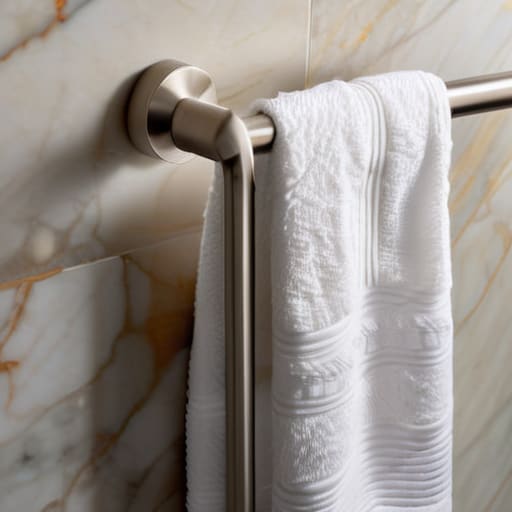
If you want to do things right the first time, you need to look at wall mounted towel holders. There is a fundamental stability in a fixture that is actually part of the room’s architecture. When you commit to a proper installation, you aren’t just following modern bathroom hardware trends; you are creating a permanent, functional station. A well-installed fixture doesn’t shift, it doesn’t wobble, and it doesn’t require you to replace it every time you move. It’s about building a bathroom that works for you, rather than a space you’re constantly managing.
Five Rules for Buying a Rack That Won't Fall Off the Wall
- Check the mounting hardware before you even look at the finish. If it comes with cheap, thin plastic anchors, toss it back on the shelf; you want heavy-duty metal screws that bite into the stud or the drywall properly.
- Avoid anything with excessive “decorative” cutouts or overly intricate patterns. Those tiny crevices are just magnets for dust and moisture, and they’ll be a nightmare to keep clean in six months.
- Test the weight capacity by hand. A quality rack should feel solid and heavy, not like a hollow piece of tin that’s going to bend the moment you hang a damp, heavy bath towel on it.
- Look for seamless construction. I’ve seen too many cheap pieces where the joints are poorly welded or glued; those are the first places that will start to rust or pull apart when the humidity in your bathroom rises.
- Prioritize material over “look.” A trendy finish might look good in a showroom, but if it’s just a thin coating over cheap alloy, it’s going to peel. Stick to solid brass, stainless steel, or high-quality nickel that can actually withstand constant moisture.
The Bottom Line on Bathroom Hardware
Stop chasing cheap, plastic-heavy designs that look fine in a showroom but crack under real use; stick to solid metals like brass or high-grade nickel that can actually handle a damp environment.
Prioritize wall-mounted fixtures over freestanding units—if it isn’t bolted into the stud, it isn’t worth the space it takes up in your bathroom.
View your hardware as a long-term investment rather than a seasonal decor update; buying quality once saves you the headache and the cost of replacing flimsy junk every two years.
Stop Buying Disposable Hardware
I’ve spent enough time in logistics to know that if a component is built to be replaced every twelve months, it wasn’t designed—it was engineered to fail. A towel rack shouldn’t be a seasonal decoration; it should be a permanent fixture that stays bolted to the wall long after the bathroom trends have changed.
Hugo Steenkamp
Making the Right Call for Your Home
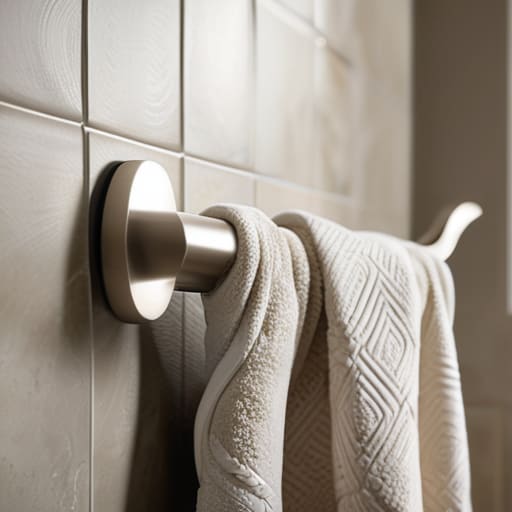
At the end of the day, choosing a towel rack shouldn’t be a decision you have to revisit every time you remodel. We’ve looked at why brushed nickel holds its ground against wear and tear, and why a properly mounted fixture is a far superior investment compared to those flimsy, adhesive-based gadgets that end up in a landfill within six months. If you opt for solid materials and secure installation, you aren’t just buying a place to hang a towel; you are eliminating a future headache. It comes down to simple math: the cost of buying a quality piece once is significantly lower than the cumulative cost of replacing cheap junk every single year.
My advice is simple: stop treating your home like a showroom for temporary trends. A bathroom is a functional space, and every piece of hardware in it should be able to stand up to the humidity and daily use without flinching. When you choose items built with integrity, you create a sense of stability and order in your living space. Don’t let the marketing fool you into thinking “new” is better than “sturdy.” Build your home on a foundation of substance and durability, and you won’t find yourself constantly chasing the next replacement. Buy it once, buy it well, and let your tools and fixtures serve you for a lifetime.
Frequently Asked Questions
How do I tell the difference between solid brass and cheap plated metal that's just going to peel?
Here’s the trick: weight and temperature. Pick it up. If it feels light like a toy, it’s cheap hollow steel or zinc with a thin coating that’ll flake off by Christmas. Real solid brass has a substantial, heavy heft to it. Also, touch the metal. Real brass holds a certain coolness that feels different from cheap, painted-on plating. If it feels “plasticky” or suspiciously light, leave it on the shelf.
What’s the best way to mount a heavy-duty rack if I don't want to mess with drilling into my tiles?
Look, I’ll be blunt: if you’re looking for a heavy-duty rack, you’re going to have a hard time avoiding the drill. I’ve seen too many “no-drill” adhesive solutions end up in a heap on the floor because they couldn’t handle the weight of a damp towel. If you absolutely refuse to touch the tile, look for high-end tension poles that wedge between the floor and ceiling. They’re sturdy, they stay put, and they don’t leave a mess.
Is it worth paying more for a towel bar with a weighted base, or is that just another marketing gimmick?
Look, I’ve spent enough time in logistics to know when a company is selling you a feature versus a function. If you’re talking about a freestanding towel bar, that weight isn’t a gimmick—it’s physics. A light, cheap base will tip over the moment you hang a damp, heavy bath towel on it, leaving you frustrated and reaching for the floor. Pay the extra few dollars for the weight; it keeps the damn thing upright.
