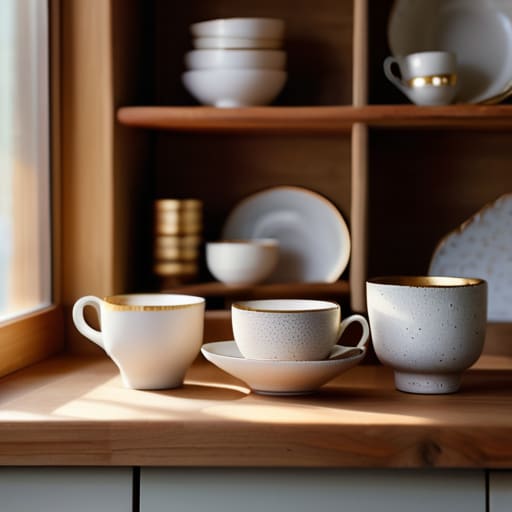
I was sitting in my workshop last Tuesday, cleaning the grit off a set of old chisels, when I realized how much of modern life is just disposable garbage. I looked at the cupboard in my kitchen and saw a stack of those thin, brightly colored ceramic things people buy just because they saw them on a social media feed. It drove me mad. Most of the mugs and teacups flooding the market today are nothing more than fragile, overpriced trinkets designed to end up in a landfill before the year is out. You shouldn’t have to worry about a hairline fracture every time you set your drink down on a granite countertop.
I’m not here to sell you on some fancy, artisanal trend or a brand name that costs more than the tea inside it. My goal is simple: I want to help you identify the heavy, honest pieces that actually belong in a home. I’m going to show you how to spot real craftsmanship and weight, ensuring that whatever you choose stays in your cupboard for decades rather than months. We’re going to focus on utility, durability, and value—the kind of stuff that actually makes sense.
Table of Contents
The Soul of Handcrafted Pottery Mugs
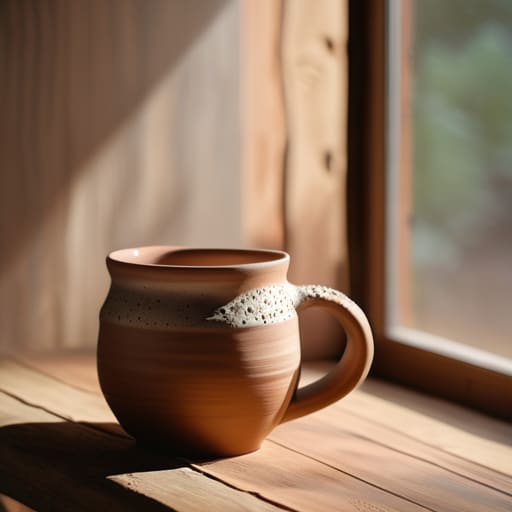
There is a massive difference between a vessel mass-produced in a factory and something shaped by human hands. When I look at a piece of handcrafted pottery mugs, I don’t just see a way to hold liquid; I see the thumbprints of the maker and the honesty of the clay. These pieces have a weight and a texture that you simply won’t find in those thin, hollowed-out things sold in big-box stores. They feel substantial, like they were built to survive a lifetime of use rather than a single season of trends.
A well-made piece also respects the way you actually hold it. I’ve spent enough time in logistics to know that efficiency matters, and that applies to your morning, too. A proper ergonomic coffee mug design ensures that the handle isn’t just a decorative afterthought, but a sturdy extension of your hand. It should feel balanced, even when full. When you stop treating your kitchenware like disposable plastic and start investing in items with character, your morning beverage ritual transforms from a rushed chore into a moment of genuine stability.
Mastering Porcelain Teacup Aesthetics for Longevity
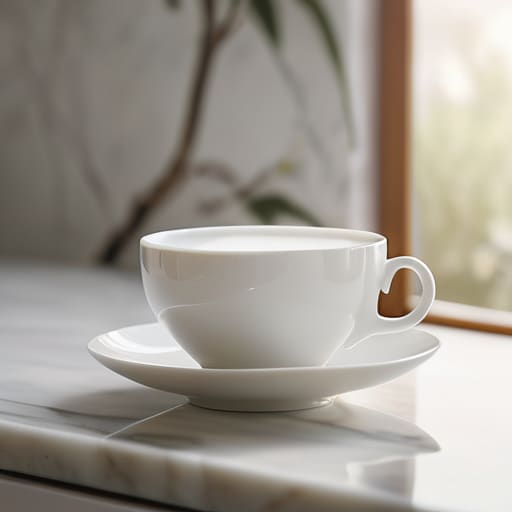
Now, if you’re moving away from the heavy, rustic feel of clay and looking toward something more refined, you’ll encounter porcelain. There is a common misconception that because porcelain is thin and delicate, it is inherently fragile or “disposable.” That is nonsense. When you invest in quality porcelain teacup aesthetics, you aren’t buying something precious that must be locked in a cabinet; you are buying a material that is actually incredibly dense and durable if it’s fired correctly. A well-made porcelain piece holds heat better than almost anything else in your kitchen, making it a superior choice for your morning beverage ritual.
However, don’t let the elegance fool you into buying something useless. I’ve seen plenty of “fine” sets that are a nightmare to actually hold. If you are building a proper ceramic drinkware collection, look for a balance between that classic silhouette and a practical weight. You want a cup that feels substantial in your hand, not one so thin it feels like you’re holding a piece of paper. A good set should be built to endure daily use, not just sit on a shelf looking pretty while you drink your tea out of a plastic travel tumbler.
How to Spot a Cup That Won't End Up in a Landfill
- Check the weight and balance before you commit. A quality mug should have enough heft to feel substantial in your hand, but it shouldn’t feel like you’re lifting a brick. If it feels hollow or unnaturally light, it’s likely thin, cheap material that’ll crack the first time it hits the counter.
- Look for a reinforced rim. I’ve seen far too many “designer” cups with edges as thin as paper. If the rim isn’t sturdy, it’s going to chip within a few months of regular use. You want something that can handle a daily rinse without losing its integrity.
- Inspect the handle’s attachment points. This is where most mass-produced junk fails. I always look for a seamless or heavily reinforced join between the handle and the body. If it looks like it was just glued on or is disproportionately small, walk away; that’s a structural failure waiting to happen.
- Prioritize material honesty over flashy patterns. A simple, high-fired stoneware or a thick porcelain is always a better investment than a cheap ceramic piece covered in a printed pattern that will eventually peel or fade. Stick to textures and glazes that are part of the material itself.
- Demand dishwasher and microwave compatibility. I don’t care how beautiful a teacup is if I have to hand-wash it every single morning just to keep it alive. If it can’t handle the heat of a microwave or the rigors of a dishwasher, it isn’t practical for a real home—it’s just a dust collector.
The Bottom Line on Choosing Your Next Cup
Stop looking at the pattern and start looking at the weight; a quality mug should feel substantial in your hand, not like a piece of hollow plastic.
Prioritize materials like stoneware or high-fired porcelain that can actually withstand daily use and a trip through the dishwasher without cracking.
Ignore the seasonal trends on your social media feed and invest in a classic, timeless design that you won’t feel the need to replace in six months.
## The Cost of Cheap Ceramics
“I’ve spent enough years watching supply chains move cheap, hollow junk across the globe to know the difference between a vessel and a trinket; a real mug should have enough weight to ground you and enough integrity to survive a lifetime of daily use, not just a few weeks of novelty.”
Hugo Steenkamp
Making the Right Call
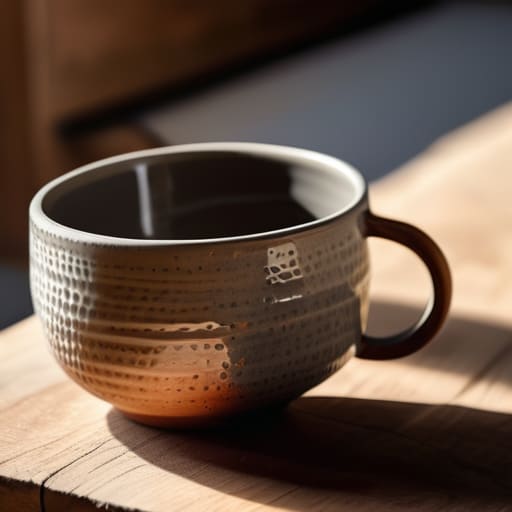
At the end of the day, choosing between the rugged character of handcrafted pottery and the refined elegance of porcelain isn’t just about how they look on your shelf. It’s about understanding what you actually need for your daily routine. Whether you are looking for a heavy, earth-toned mug that can withstand a lifetime of morning coffee or a delicate teacup that respects the ritual of an afternoon brew, the goal remains the same: avoid the landfill. Don’t get distracted by the flashy, mass-produced sets that look good in a catalog but shatter the moment they hit a granite countertop. Focus on material integrity and weight, because a piece you can actually rely on is always worth the extra investment.
My advice is simple: stop treating your kitchenware like it’s disposable. We live in an era where everything is designed to be replaced, but your home deserves better than that cycle of waste. When you select a mug or a teacup, look for the piece that feels like it has a story to tell and the strength to keep telling it for the next thirty years. Build a collection of items that serve a purpose and stand the test of time. Buy it once, buy it well, and make it count.
Frequently Asked Questions
How can I tell if a ceramic mug is actually high-quality stoneware or just cheap, mass-produced clay disguised with a nice glaze?
Don’t let a pretty glaze fool you; that’s the oldest trick in the book. To tell the difference, pick the mug up. High-quality stoneware has a substantial, reassuring weight to it. Give it a gentle tap with your fingernail—if it produces a clear, ringing note, it’s well-fired. If it sounds dull or thuddy, it’s likely cheap, porous clay. Also, check the bottom. A real piece should feel smooth and intentional, not gritty or unfinished.
Is it worth the extra money to invest in bone china, or is standard porcelain more practical for daily use?
Look, if you’re looking for a workhorse, stick to standard porcelain. It’s sturdy, honest, and handles the daily grind of a busy kitchen without much fuss. Bone china is beautiful, sure, but it’s delicate—it’s meant for special occasions, not for being shoved in a dishwasher every morning. Don’t pay a premium for something you’ll be too afraid to actually use. Buy porcelain for your daily ritual; save the china for when guests arrive.
What are the best ways to care for these pieces so they don't end up chipping or cracking after a few months in the dishwasher?
Look, if you want these pieces to last decades instead of months, stop treating them like disposable plastic. If you must use a dishwasher, use a dedicated cycle with low heat and avoid those harsh, abrasive detergents. Better yet, hand-wash them with a soft sponge. It takes two minutes, but it prevents the micro-cracks that eventually lead to a total break. Treat your tools with respect, and they’ll serve you well.
