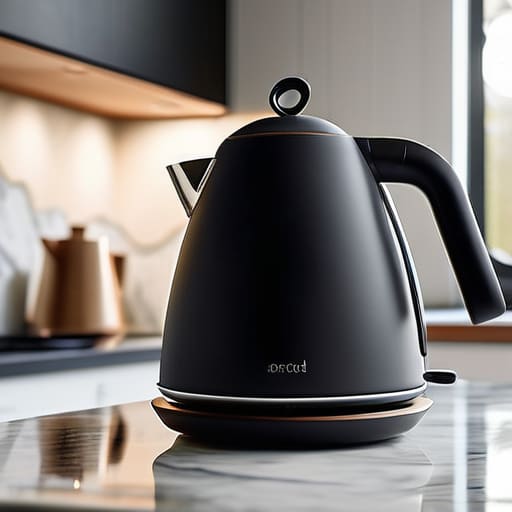
I was in my workshop last Tuesday, working on a stubborn hand plane, when I realized my kitchen counter was becoming a graveyard for cheap, plastic junk. It started with a “smart” kettle that promised to connect to my phone—as if I need a notification to tell me my water is hot—and ended with a flimsy piece of nonsense that leaked after three months. Most of the electric tea kettles hitting the shelves today are nothing more than disposable gadgets wrapped in flashy marketing and unnecessary bells and whistles. They’re designed to fail, and frankly, I’m tired of seeing people throw good money after bad just because a product looks sleek in a digital advertisement.
I’m not here to show you the trendiest models or the ones with the most buttons. My goal is to help you cut through the noise and find a machine that actually does its job without needing a software update. I’m going to share what I’ve learned about materials, heating efficiency, and build quality so you can buy it once and buy it well. We’re looking for tools that earn their place on your counter and stay there for years, not weeks.
Table of Contents
The Truth About Stainless Steel vs Glass Kettles
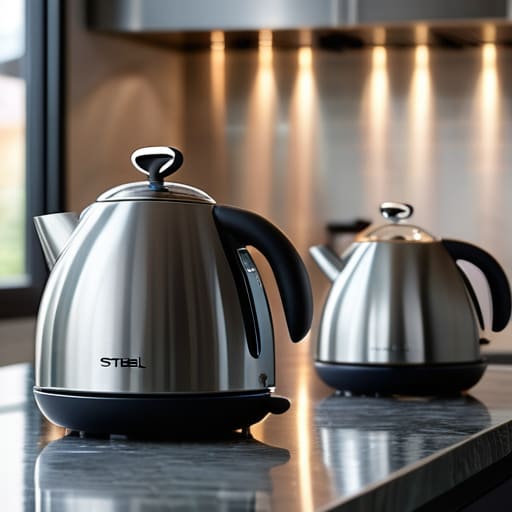
When you’re looking at the shelf, you’ll see two main contenders: stainless steel and glass. Most people make the mistake of choosing based on looks, but I say you should choose based on how much abuse the item can take. Glass looks modern and lets you see the water heating up, which is fine if you have a gentle touch. However, if you’re prone to bumping things around on a crowded counter, a glass model is a liability. One wrong move and you’re looking at a mess and a wasted investment.
On the other hand, a high-quality stainless steel model is built for the long haul. It’s rugged, it’s easy to clean, and it doesn’t care if it gets knocked against a granite countertop. When comparing stainless steel vs glass kettles, the metal option wins on sheer durability every single time. I’ve seen too many people buy a pretty glass carafe only to have it crack within six months. If you want a piece of equipment that feels substantial in your hand and stays in your kitchen for a decade, stick to the steel.
Why Fast Boiling Water Technology Actually Matters
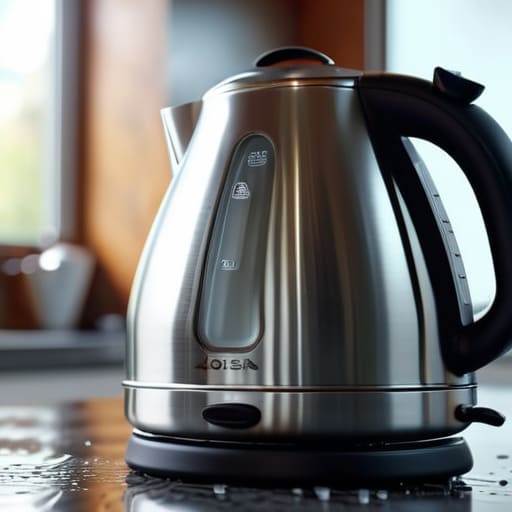
Now, let’s talk about speed. I’ve seen too many people settle for a sluggish heating element just because the machine looks pretty on a countertop. In my old logistics job, efficiency was everything; if a process took twice as long as it should, it was a failure. The same logic applies to your morning routine. Fast boiling water technology isn’t just a marketing buzzword to justify a higher price tag; it’s about getting a reliable result without standing around watching a little red light blink for ten minutes. If you’re someone who values their time, you want a unit that hits the mark quickly and consistently.
However, speed shouldn’t come at the cost of precision. If you’re serious about your morning brew, you’ll quickly realize that “boiling” isn’t a one-size-fits-all term. This is where variable temperature control becomes a necessity rather than a luxury. Pouring rolling-boil water over delicate green tea is a quick way to ruin the leaves and end up with a bitter mess. A quality machine allows you to hit the exact degree required, ensuring you aren’t just heating water, but actually mastering the craft of a good cup.
Five Rules for Buying a Kettle That Won't End Up in a Landfill
- Look for a heavy-gauge base. If the bottom of the kettle feels thin and flimsy like a soda can, it’s going to heat unevenly and fail within a year. You want something with some weight to it.
- Avoid plastic where it matters. There’s no reason for boiling water to touch cheap, low-grade plastic. If you aren’t going with stainless steel, ensure the interior is glass or high-quality ceramic.
- Check the cord and the connection. I’ve seen too many people buy “sleek” designs where the power base is so delicate it snaps after a few months of being moved around. A sturdy, well-weighted base is non-negotiable.
- Demand an auto-shutoff feature that actually works. It’s not just about safety; it’s about efficiency. A kettle that stays on too long wastes electricity and puts unnecessary stress on the heating element.
- Skip the “smart” gimmicks. I don’t need a kettle that connects to my phone or sends me notifications. All that extra circuitry is just another point of failure. Stick to a solid switch and a reliable heating element.
Bottom Line: How to Choose a Kettle That Lasts
Prioritize heavy-gauge stainless steel over cheap plastic; if it feels light and flimsy in your hand, it’s destined for the landfill within a year.
Don’t get distracted by unnecessary digital displays or “smart” features that will inevitably malfunction; stick to a solid heating element and a reliable manual switch.
Look for a wide, easy-to-clean opening so you can actually descale the unit, ensuring it performs as well in five years as it does on day one.
Stop Buying Disposable Gadgets
I’ve spent enough years in logistics to know that if a product is built with cheap plastic and planned obsolescence, it isn’t a tool—it’s just future landfill. When it comes to your kettle, stop looking at the flashy digital displays and start looking at the weight of the metal and the quality of the seal; you want something that earns its spot on your counter for a decade, not a month.
Hugo Steenkamp
Making the Right Call
At the end of the day, choosing an electric kettle isn’t about picking the prettiest box on the shelf or the one with the most flashing lights. It’s about understanding the mechanics of what you’re bringing into your kitchen. We’ve looked at why you should steer clear of cheap plastic components and why a solid stainless steel build is almost always the smarter long-term investment. Whether you prioritize the visual clarity of glass or the rugged durability of metal, and whether you need that rapid-boil technology to keep your morning moving, the goal remains the same: avoiding the landfill. Don’t settle for a gadget that’s destined to become electronic waste before the year is out.
My advice is simple: stop treating your kitchen like a showroom for temporary trends. A good kettle is a tool, much like the woodworking planes I spend my afternoons restoring, and it should be treated with that same respect. When you buy something that is built to endure, you aren’t just saving money; you’re reclaiming your time and your peace of mind. Buy a piece that feels substantial in your hand and performs reliably every single morning. Buy it once, buy it well, and let your tools serve you for a lifetime instead of the other way around.
Frequently Asked Questions
Is it worth paying extra for a kettle with precise temperature control, or is that just another unnecessary gadget?
Look, if you’re just making a quick cup of builder’s tea, you don’t need a digital readout. That’s just more circuitry to fail down the road. But, if you actually care about the flavor of a decent loose-leaf green tea or a pour-over coffee, those precise settings are worth the investment. It’s the difference between scalding your leaves and brewing them properly. Buy the control if you use it; skip it if you don’t.
How can I tell if a stainless steel kettle is actually high-grade or just cheap metal disguised with a polish?
Look for the “18/10” stamp on the bottom. That tells you the ratio of chromium to nickel, which is the real indicator of corrosion resistance. If the manufacturer won’t tell you the grade, walk away. Also, give it a weight test. High-grade steel has a certain heft and doesn’t feel like a tin can. If the finish looks suspiciously mirror-like but feels paper-thin, it’s just cheap metal hiding behind a heavy polish.
What should I look for in a base and cord to ensure the unit won't short out after a few months of heavy use?
Don’t settle for a flimsy, lightweight base that wobbles every time you pour. You want a heavy-duty, weighted base with a 360-degree swivel—it keeps the connection stable and prevents those annoying sparks or shorts. Check the cord, too. It should be thick, well-insulated, and not feel like cheap, thin plastic. If the connection feels loose or the cord is paper-thin, put it back on the shelf. You want something built to handle daily heat.
