I’ve spent thirty years in logistics, where I learned exactly what happens when you try to cut corners on quality: everything eventually breaks, and you end up paying twice to fix it. I see it all the time with modern couples—they get swept up in the whirlwind of planning and end up filling their lists with plastic gadgets that will be sitting in a landfill by their fifth anniversary. When you are looking for wedding registry ideas, you shouldn’t be looking for what’s trendy on social media; you should be looking for substance. A wedding is a beginning, and the tools you use to build your life together should be as sturdy as the commitment you’re making.
In this post, I’m cutting through the noise to give you a shortlist of items that actually matter. I’ve narrowed it down to five essential pieces that prioritize durability over decoration. I’m going to show you how to select wedding registry ideas that focus on long-term utility and craftsmanship. If you follow this list, you won’t just be collecting “stuff”—you’ll be investing in a foundation of quality goods that will serve your household for decades to come.
Table of Contents
Heavy-Duty Cast Iron Cookware
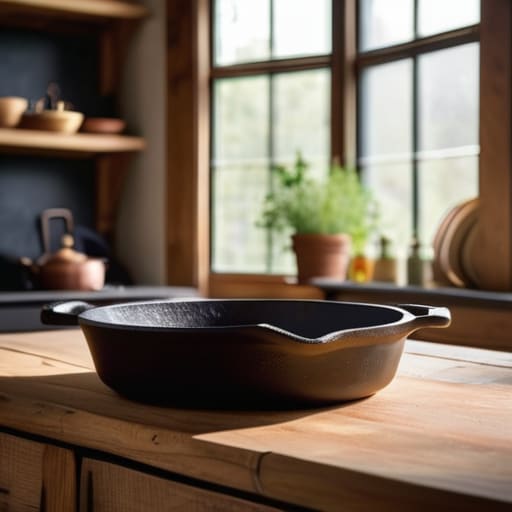
I’ve spent enough time in industrial kitchens to know that if a tool is made of thin, flimsy aluminum, it’s destined for the scrap heap. When you’re setting up a home, stop looking at those flashy, non-stick pans that lose their coating after six months of use. Instead, put a high-quality cast iron skillet on your registry. It’s a piece of equipment that doesn’t just sit there; it actually gets better the more you use it.
Solid Wood Dining Furniture
Most of the furniture you see in big-box stores today is nothing more than pressed sawdust and a thin veneer held together by cheap glue. It looks fine in the showroom, but once you move it or spill a bit of water, the whole thing starts to fall apart. If you want a dining table that actually means something, skip the particle board and ask for solid hardwood.
High-Quality Linens and Textiles
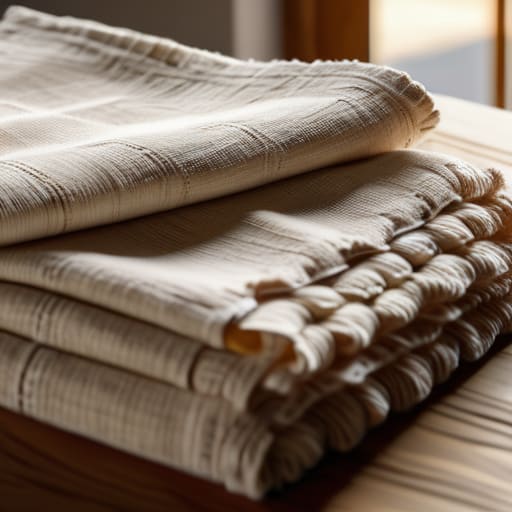
People tend to get caught up in the “theme” of their wedding, buying matching sets of polyester napkins and thin, scratchy towels just because they look pretty in a catalog. That is a waste of good money. You should be looking for 100% long-staple cotton or linen. These materials are breathable, incredibly durable, and they don’t fall apart after three trips through a heavy-duty wash cycle.
Professional-Grade Kitchen Cutlery
A kitchen is only as functional as the tools you use to prep your food, and nothing frustrates me more than seeing someone struggle with a dull, poorly balanced knife. Don’t bother with those massive, fifty-piece knife sets that come in a cheap wooden block; half of them are useless. Instead, pick out a few essential, high-carbon steel knives that are forged properly and weighted for balance.
Stainless Steel Cookware Sets
If you aren’t going the cast iron route, your next best bet is a set of heavy-gauge stainless steel pots and pans. I’ve seen too many people buy these lightweight sets only to find that they have “hot spots” which burn food unevenly. You want something with a thick, encapsulated base that distributes heat evenly across the entire surface.
The Bottom Line on Building a Registry
Stop collecting clutter; prioritize heavy-duty, functional pieces that will actually survive decades of daily use.
Focus your budget on quality over quantity to ensure you aren’t replacing cheap, broken gadgets every two years.
Think long-term about the utility of every item, choosing timeless tools that serve a real purpose in your home.
A Note on Value
A wedding registry shouldn’t be a collection of plastic trinkets designed to collect dust; it should be a blueprint for a functional home, filled with tools and essentials that are built to endure the decades.
Hugo Steenkamp
Build a Foundation, Not a Junk Drawer
At the end of the day, your registry shouldn’t be a wishlist of every shiny gadget you saw in a social media advertisement. We’ve covered the essentials: heavy-duty cookware that can withstand decades of heat, high-quality linens, and those sturdy kitchen tools that actually feel substantial in your hand. The goal is to move away from the “buy cheap, buy twice” mentality that plagues modern consumerism. By focusing on investment-grade pieces rather than fleeting trends, you are ensuring that your new household is equipped with tools that serve a genuine purpose. It is about selecting items that are built to endure the daily rigors of life together.
Marriage is a long-term commitment, and I believe the objects you surround yourselves with should reflect that same level of permanence. When you look back on your wedding ten or twenty years from now, I want you to see a kitchen filled with reliable tools, not a collection of plastic waste that ended up in a landfill. Don’t let the pressure of “completing a list” drive you toward mediocrity. Instead, take the time to curate a collection of goods that carry weight, history, and utility. Buy it once, buy it well, and build a home that stands the test of time.
Frequently Asked Questions
How do I know if a piece of cookware is actually high-quality or just has fancy marketing behind it?
Don’t let a shiny box or a celebrity chef fool you. Real quality is felt, not read about in a brochure. Pick up the pan; if it feels light and hollow, it’s junk. Look for heavy-gauge construction and a thick, bonded base—that’s what prevents warping. Check the rivets, too; they should be sturdy, not glued. If the marketing focuses more on “lifestyle” than on material specs and heat distribution, walk away.
Is it better to register for a large number of small items or a few high-end, expensive pieces?
Look, I’ve spent thirty years watching supply chains move junk across the globe, and I’ve seen enough “value sets” to know they’re usually just a collection of future landfill. Don’t clutter your kitchen with twenty cheap gadgets that will snap by your first anniversary. Register for the heavy-duty, high-end pieces. It’s better to own one solid cast-iron skillet than a drawer full of flimsy, non-stick nonsense. Buy it once, buy it well.
How much should I actually spend on a single registry item without making guests feel uncomfortable?
Look, I’m not interested in seeing a registry filled with $500 espresso machines that just sit there collecting dust. It’s tacky. You want to give your guests options. Aim for a range: include some practical $30 essentials and maybe one or two “investment” pieces around $150. If you push too high, you’re just making people feel awkward. Keep it sensible. Give them something they can actually afford to buy once and use forever.
