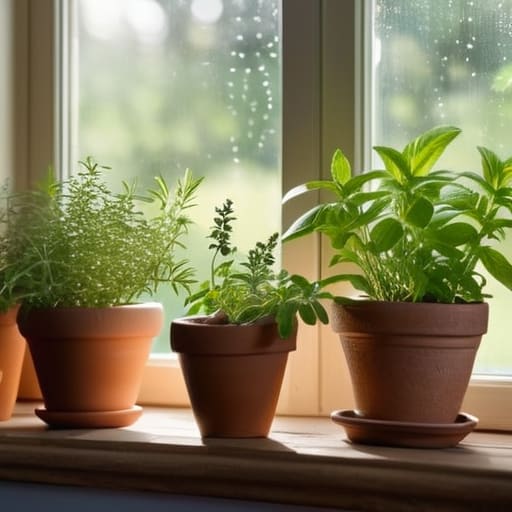
I walked into the local supermarket last week and saw a display of “designer” herb kits—tiny, flimsy plastic pots filled with half-dead basil that cost more than a decent steak. It’s a ridiculous way to spend money. Most people treat potted herbs like a temporary decoration, buying these cheap, disposable scraps that wither the moment you get them home. They follow the trend, throw them in the bin a month later, and wonder why they can’t grow a single sprig of rosemary. To me, that’s just bad logistics and even worse spending.
I’m not here to teach you how to follow some complicated, aesthetic gardening trend you saw on a screen. Instead, I want to show you how to do this right by investing in quality vessels and hardy plants that actually serve a purpose in your kitchen. I’ll walk you through the essential gear and the specific varieties that offer real value, ensuring you buy it once and buy it well. If you want a kitchen that functions with efficiency rather than just looking pretty for a week, listen up.
Table of Contents
- Mastering Container Gardening for Beginners and Longevity
- Finding the Best Herbs for Windowsill Utility
- Five Rules for Keeping Your Herbs Productive, Not Disposable
- The Bottom Line on Building a Productive Herb Garden
- On Investing in Your Kitchen Garden
- Investing in Your Own Kitchen Utility
- Frequently Asked Questions
Mastering Container Gardening for Beginners and Longevity
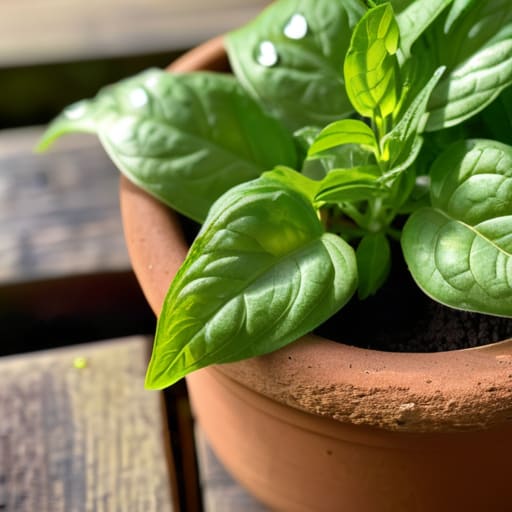
If you’re just starting out, don’t make the mistake of grabbing those flimsy, thin-walled plastic pots you see at the big-box stores. They crack under temperature shifts and hold moisture poorly, which is a recipe for root rot. If you want to get into container gardening for beginners, invest in heavy-duty terracotta or thick ceramic. These materials breathe and have the weight to stay put. When it comes to the foundation, skip the cheap garden soil from a bag that looks more like dirt than anything useful. You need a high-quality potting mix for culinary herbs that is well-draining and aerated; if the soil stays sodden, your investment is dead within a month.
Once you have the right vessels, the real work is consistency. Most people kill their plants by being either too neglectful or too overzealous with the tap. I’ve found that the secret isn’t a complex system, but rather observing the soil texture before you reach for the watering can. If it’s bone dry an inch down, give it a soak. If it’s damp, leave it alone. Don’t let a little bit of guesswork ruin a good setup.
Finding the Best Herbs for Windowsill Utility
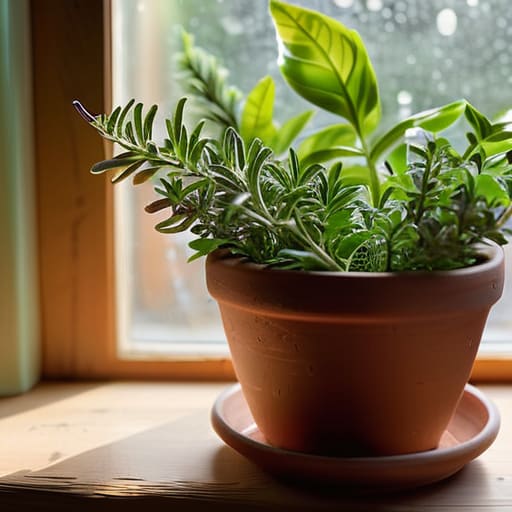
If you’re going to dedicate space on your windowsill, don’t clutter it with half-dead sprigs from a grocery store plastic clamshell. You need plants that actually provide a return on your investment. For most folks, I recommend starting with the heavy hitters: rosemary, thyme, and sage. These are hardy, woody perennials that can handle a bit of neglect and actually reward you with flavor that lasts. If you want something more delicate for daily cooking, basil is the standard, but be warned—it’s a bit of a temperamental beast compared to the others.
The real secret to success here isn’t some fancy gadget; it’s the foundation. You need a high-quality potting mix for culinary herbs that drains well. If your soil stays soggy, your roots will rot before the month is out, and you’ll be back at the store wasting more money. Also, pay attention to your indoor herb garden lighting. Most of these plants crave as much sun as they can get, so if your window is facing north, you might be fighting a losing battle. Pick plants that suit your light, or don’t bother at all.
Five Rules for Keeping Your Herbs Productive, Not Disposable
- Stop buying those flimsy plastic starter pots from the supermarket. They crack in the sun and the roots suffocate. Invest in real terracotta or heavy ceramic; they breathe better and won’t end up in a landfill by next month.
- Drainage isn’t a suggestion; it’s a requirement. If your pot doesn’t have a proper hole at the bottom, you’re just brewing a graveyard for expensive plants. I’ve seen too many people drown their rosemary because they wanted a “pretty” decorative bowl with no exit for the water.
- Don’t settle for cheap, generic potting soil. If you want these herbs to actually provide flavor for your cooking, you need soil with substance. Buy a high-quality organic mix that holds nutrients, rather than that dusty, peat-heavy nonsense that turns into a brick after three weeks.
- Consistency is the key to longevity. Herbs hate being neglected one week and flooded the next. Set a schedule—check the soil with your finger every morning. If it’s dry, water it. If it’s damp, leave it be. Precision saves money and plants.
- Prune for utility, not just for looks. If you let an herb like basil grow leggy and thin, it’s useless. Pinch off the tops regularly to encourage bushy, sturdy growth. It’s better to have a compact, productive plant than a tall, weak one that snaps at the first sign of a breeze.
The Bottom Line on Building a Productive Herb Garden
Stop buying those flimsy plastic starter pots; invest in quality ceramic or terracotta containers that provide proper drainage and won’t crack after one season.
Prioritize herbs with high culinary utility—like rosemary or thyme—rather than chasing decorative varieties that serve no real purpose in your kitchen.
View your herb garden as a long-term investment in your pantry, not a temporary decoration that you’ll throw away when the first leaf turns yellow.
On Investing in Your Kitchen Garden
Stop buying those flimsy, plastic-wrapped herb starter kits that die before you even get them home; buy a proper terracotta pot and a seed that actually has the grit to grow, because a kitchen is meant for utility, not for managing a graveyard of wilted greens.
Hugo Steenkamp
Investing in Your Own Kitchen Utility
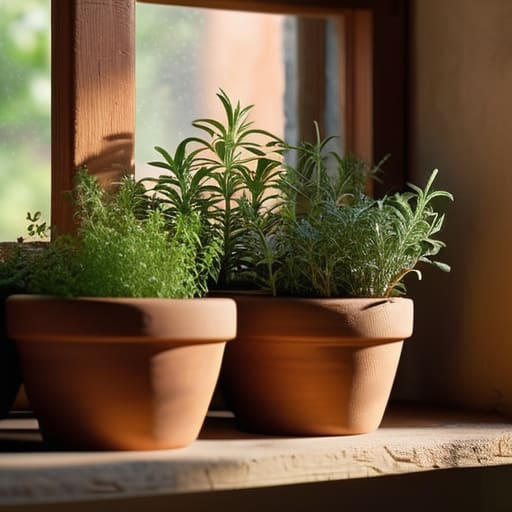
At the end of the day, growing your own herbs isn’t about following some fancy lifestyle trend you saw on social media; it’s about practical efficiency. If you’ve followed my advice, you’ve moved past the idea of buying flimsy plastic pots that crack in a month and instead focused on sturdy, breathable containers and the right soil to sustain life. You’ve selected herbs that actually serve a purpose in your cooking, ensuring that when you reach for rosemary or thyme, you aren’t grabbing a wilted, overpriced supermarket scrap. By prioritizing quality materials and proper drainage, you are setting up a system that works for you, rather than a chore that you have to constantly fix.
Stop looking for the quickest fix and start looking for the most sustainable one. A well-tended windowsill garden is a testament to the idea that we can provide for ourselves if we simply choose to invest in things that endure. It takes a little more effort upfront to pick the right ceramic pot or the right seedling, but the payoff is a kitchen that is functional, fragrant, and far more economical in the long run. Don’t just decorate your home; build a home that works. Buy the good tools, plant with intention, and enjoy the results of a job done right.
Frequently Asked Questions
How often do I actually need to replace the soil to keep these plants from dying off after a few months?
Look, don’t fall into the trap of thinking soil is a permanent fixture. It’s a living medium, and eventually, it exhausts itself. For windowsill herbs, I find you should refresh the top few inches every season, but a full repotting with fresh, high-quality organic soil every twelve to eighteen months is the real way to ensure longevity. If the soil looks compacted or water just sits on top, it’s time to swap it out.
Are there specific types of pots that hold moisture better without causing root rot?
Look, if you want to avoid the headache of root rot, stay away from cheap plastic. It holds heat and traps moisture like a swamp. I always recommend unglazed terracotta. It’s porous, meaning it actually breathes and lets the soil dry out naturally between waterings. If you want something more substantial, go with heavy ceramic with a proper drainage hole. It’s an investment, but it keeps your plants alive instead of turning them into mush.
What is the most cost-effective way to fertilize them without using those chemical-heavy sprays that come in single-use plastic?
Skip those neon-colored chemical sprays in single-use plastic bottles; they’re a waste of money and bad for the soil in the long run. If you want real value, go with organic compost or a liquid seaweed fertilizer you can buy in bulk. Even better, save your kitchen scraps. A bit of crushed eggshells or used coffee grounds provides steady nutrients without the plastic waste. Feed the soil, not just the plant, and it’ll pay off.
