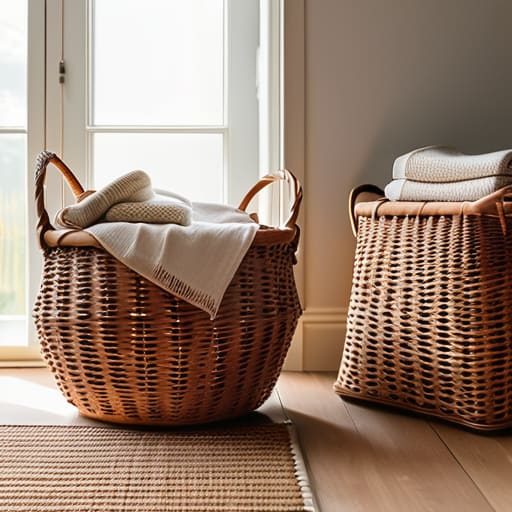
I was cleaning out my workshop last weekend when I stumbled upon a cheap, synthetic basket I’d bought years ago for the mudroom. The sides were fraying, the bottom was sagging, and it looked like absolute rubbish. It’s the same story everywhere you look: people are being sold “trendy” wicker storage that is actually just thin, flimsy plastic woven to look like natural fiber. It’s a scam designed to break the moment you put something with a bit of actual weight in it. I didn’t spend thirty years managing supply chains just to let disposable junk clutter up my home and my wallet.
I’m not here to show you a curated gallery of Pinterest-perfect rooms that look good for five minutes before falling apart. What I want to do is teach you how to spot the real thing—the sturdy, natural weaves that actually possess the structural integrity to last decades. I’ll show you exactly what to look for in terms of material and construction so you can buy it once and buy it well. If you’re tired of replacing the same three bins every single year, you’re in the right place.
Table of Contents
- Why Handcrafted Wicker Bins Outlast Fleeting Plastic Trends
- Sustainable Home Organization Through Quality Natural Materials
- How to Spot Real Quality Before You Open Your Wallet
- The Bottom Line on Wicker Storage
- The Cost of Cheap Convenience
- Making the Right Choice for Your Home
- Frequently Asked Questions
Why Handcrafted Wicker Bins Outlast Fleeting Plastic Trends
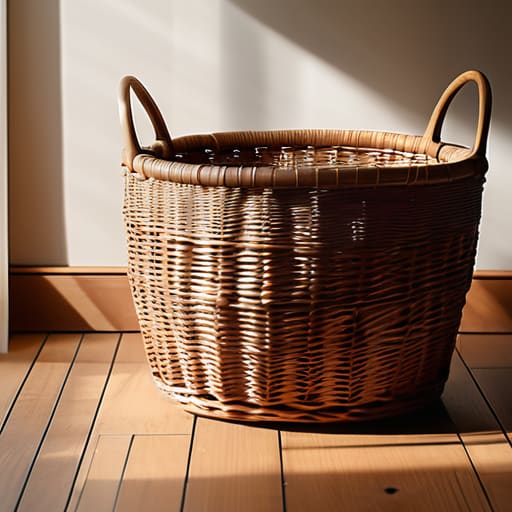
I’ve spent enough time in warehouses to know exactly how cheap, injection-molded plastic is made. It’s designed to fail. You buy a set of those colorful bins, they sit in the sun or take a bit too much weight, and before you know it, they’re cracking and heading straight for the landfill. That isn’t organization; it’s just managing future trash. When you opt for handcrafted wicker bins, you’re investing in a material that has been used for centuries because it actually works. These pieces have a structural integrity that plastic simply cannot replicate.
Unlike the flimsy alternatives, rattan storage solutions offer a natural flexibility that allows them to handle the rigors of daily use without snapping. There is a certain honesty to a well-made basket. It doesn’t pretend to be something it isn’t, and it doesn’t rely on chemical dyes to look decent. Instead, you get a product that ages gracefully alongside your home. If you want to move toward sustainable home organization, stop looking at the bargain bin and start looking for items built with intention.
Sustainable Home Organization Through Quality Natural Materials
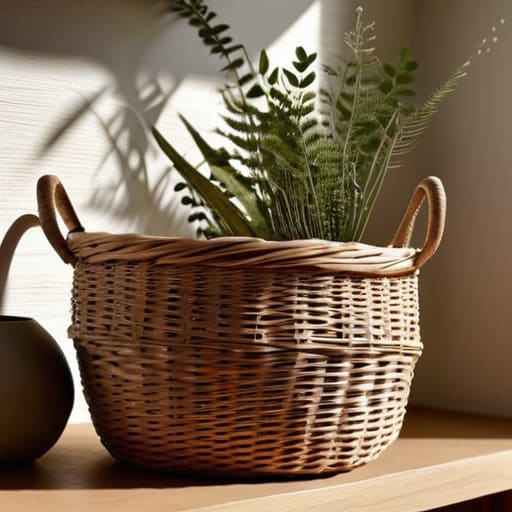
When I look at most modern “organization hacks” online, I see a sea of cheap, petroleum-based plastics designed to be thrown away the moment they lose their shape. That’s not organization; that’s just managing future landfill waste. If you want to commit to sustainable home organization, you have to look toward materials that the earth actually provides. I’ve always maintained that if a product can’t return to the soil, it shouldn’t be cluttering up your living room.
Choosing materials like rattan or seagrass isn’t just about following some “boho chic” trend you saw on a screen—though they do look decent enough. It’s about the lifecycle of the object. Using woven seagrass baskets or sturdy rattan means you are investing in a renewable resource that possesses a natural structural integrity. These pieces don’t just hold your belongings; they age with your home. When you opt for these natural fibers, you’re making a calculated decision to buy once and buy well, ensuring your efforts to declutter don’t result in a drawer full of cracked plastic bins three years down the line.
How to Spot Real Quality Before You Open Your Wallet
- Check the weave density immediately. If you can see large, uneven gaps in the pattern or if the fibers feel flimsy between your fingers, put it back on the shelf. A quality basket should feel solid and structurally sound, not like it’s going to collapse the moment you put a heavy book in it.
- Look for a reinforced rim. In my experience, the edges are where most cheap storage fails first. You want a thick, tightly woven border or a sturdy frame that holds the shape of the basket together under pressure.
- Avoid anything with a chemical smell. Real rattan or willow should smell like dried grass or earth, not a factory floor. If it reeks of synthetic dyes or cheap glues, it’s going to degrade quickly and likely won’t be good for the environment either.
- Inspect the base for stability. A good wicker bin shouldn’t wobble when you set it on a flat surface. If the bottom is unevenly woven, it’ll tip over, and you’ll end up with a mess of disorganized belongings every time you reach inside.
- Prioritize natural linings if you’re storing textiles. If you’re using these for linens or clothes, ensure they have a sturdy cotton liner. It protects the fabric from snags and keeps the contents contained, making the piece much more functional for long-term use.
The Bottom Line on Wicker Storage
Stop the cycle of buying cheap plastic bins that crack under pressure; a well-made wicker basket is a one-time investment that actually does its job.
Look for natural, sturdy materials that can handle real-world use rather than following a passing decor trend that will be in a landfill by next year.
Prioritize craftsmanship and durability to ensure your organization solutions serve your home for decades, not just a few months.
The Cost of Cheap Convenience
I’ve spent enough years in logistics to know that if you pay for something twice, you’ve actually paid double. Stop filling your cupboards with those flimsy plastic bins that crack the moment you put any real weight in them; a well-made wicker basket isn’t just a way to tidy up, it’s an investment in something that won’t end up in a landfill by next Christmas.
Hugo Steenkamp
Making the Right Choice for Your Home
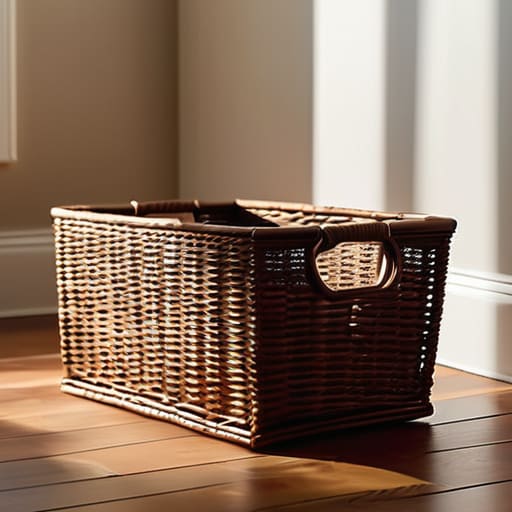
At the end of the day, choosing wicker isn’t just about picking a basket that matches your rug; it’s about making a calculated decision for your household. We’ve looked at how these natural fibers stand up to the test of time compared to those flimsy plastic bins that end up in a landfill after six months. By opting for handcrafted, sustainable materials, you are avoiding the cycle of constant replacement and investing in organizational tools that actually endure. It’s a simple matter of logistics: if you buy something built with integrity, you won’t have to spend your weekends shopping for a replacement.
My advice is simple: stop letting the endless cycle of cheap, disposable trends dictate how you furnish your living space. A well-organized home shouldn’t be built on a foundation of “fast goods” that break the moment you put some weight in them. Instead, aim for a home filled with items that possess both utility and character. When you choose quality wicker, you aren’t just tidying up a room; you are curateing a space that respects your hard-earned money and the environment. Buy it once, buy it well, and let your home reflect that standard.
Frequently Asked Questions
How do I tell the difference between high-quality, sturdy wicker and the cheap, flimsy stuff that's going to fall apart in six months?
Don’t just look at the price tag; get your hands on it. High-quality wicker should feel substantial, not hollow. Give it a firm squeeze—if the weave shifts or feels “squishy,” put it back on the shelf. Look for tight, consistent weaving and a solid frame, usually willow or rattan, underneath. If the strands are thin and uneven, it’s just decorative junk that’ll unravel the first time you actually use it.
Are these natural materials going to cause issues with moisture or mold if I use them in a bathroom or laundry room?
It’s a fair question. In my experience, moisture is the enemy of anything natural. If you’re putting wicker in a damp laundry room or a bathroom without good ventilation, you have to be smart about it. Don’t just shove it in a dark corner. Ensure there’s airflow, and if you notice any dampness, let the basket dry out completely. A little common sense goes a long way in making natural materials last.
What’s the best way to clean and maintain wicker so it stays looking good for years instead of becoming a dust trap?
Look, if you treat wicker like a piece of disposable plastic, it’ll fail you. To keep it from becoming a dust trap, skip the harsh chemicals; they’ll dry out the fibers and cause cracking. Use a soft brush or a vacuum with a brush attachment once a week to get into those weaves. For deeper cleaning, a damp cloth and a bit of mild soap will do. Treat it with respect, and it’ll serve you for decades.
