
I’ve spent thirty years in logistics, so I know exactly what happens when a company prioritizes flashy marketing over structural integrity. Lately, it seems like every big-box retailer is trying to sell you “luxury” bedding that’s nothing more than a glorified blend of cheap synthetics and thin, glorified paper. You see these high-priced labels promising the world, but the moment you wash them, the fabric thins out and the seams start to fray. It’s a racket. If you’re looking for real cotton duvet covers, you shouldn’t be looking for a designer logo or a fancy thread count that’s been inflated by clever marketing; you should be looking for substance.
I’m not here to sell you on a lifestyle or some fleeting bedroom trend you saw on a social media feed. My goal is simple: I want to help you identify the heavy-duty, high-quality cotton that actually stands up to a hot wash and years of use. I’m going to break down what to look for in terms of weave and weight so you can buy it once and stop wasting your hard-earned money on disposable junk.
Table of Contents
The Truth About Breathable Cotton Bedding
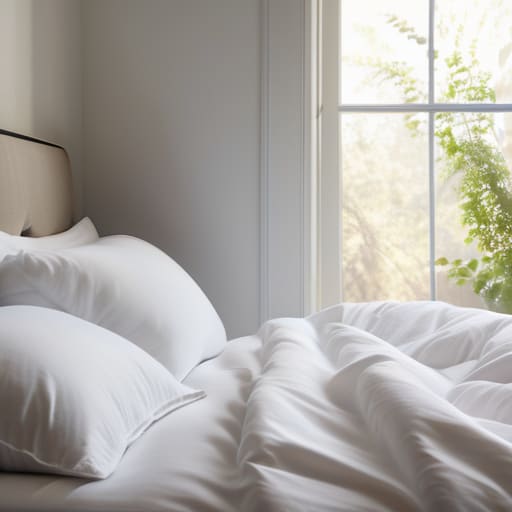
Most people think a high thread count is the holy grail of sleep, but they’ve been misled by clever marketing. In my years managing logistics, I saw how companies prioritize flashy numbers over actual material integrity. When it comes to breathable cotton bedding, a massive thread count often just means the fabric is packed so tightly that air can’t circulate. You end up trapped in a heat pocket, waking up damp and restless. If you want to stay cool, you need to look at the construction of the fabric rather than just a number on a label.
This is where understanding the percale vs sateen weave becomes essential for your wallet. A percale weave is crisp, matte, and allows for excellent airflow, making it the superior choice for anyone who runs hot at night. Sateen, while feeling smoother to the touch, is denser and tends to trap more heat. I always tell people: don’t be swayed by a silky feel if it means sacrificing temperature regulation. Choose a weave that works with your body, not against it.
Organic Cotton Duvet Benefits for a Lasting Sleep

When you look at the sheer amount of synthetic junk being pumped into the market, it’s no wonder people are waking up tired and restless. Most of those cheap, polyester-blend covers are nothing more than glorified plastic sheets that trap heat and shed microplastics. If you want a bed that actually serves its purpose, you need to look toward organic cotton duvet benefits. Because organic cotton is grown without the heavy chemical pesticides and fertilizers used in conventional farming, the fibers remain stronger and more intact. This results in a more durable product that won’t pill or thin out after a few dozen trips through the laundry.
Beyond just durability, choosing sustainable textile choices is a matter of common sense. You aren’t just buying a piece of fabric; you are investing in a healthier sleep environment. Organic fibers are naturally more robust, making them excellent hypoallergenic bedding options for anyone with sensitive skin or allergies. I’ve always believed that if you’re going to spend a third of your life in bed, you might as well do it with materials that are built to last and won’t irritate your system.
Five Things to Check Before You Open Your Wallet
- Look at the thread count with a grain of salt; a massive number often means thinner, weaker threads. I’d rather have a lower thread count made of long-staple cotton that stays strong than a high-count blend that pills after three washes.
- Check the weight of the fabric. If the duvet cover feels thin and translucent in the store, it’s going to feel like cheap paper on your bed. You want something with enough heft to actually feel substantial.
- Inspect the closures. Avoid anything with flimsy, tiny buttons that will snap off in a month. I always look for heavy-duty zippers or large, sturdy buttons that can handle a regular wash cycle.
- Verify the weave. A tight percale weave is excellent for those who want a crisp, cool feel, while a twill or flannel weave is better if you want something that holds heat. Know what you’re buying so you aren’t replacing it next season.
- Demand transparency on the material. If the label just says “cotton blend” without specifying the percentage, walk away. You’re likely paying full price for a product loaded with polyester that won’t breathe.
The Bottom Line on Choosing Your Next Duvet
Stop looking at the price tag alone; if a cover feels paper-thin in the store, it’ll be in a landfill by next year.
Prioritize long-staple cotton to ensure the fabric actually gets better with age instead of pilling and thinning out.
Stick to organic, high-quality weaves that serve a purpose for your sleep and your wallet, rather than chasing cheap, synthetic blends.
Stop Chasing Trends, Start Buying Quality
I’ve spent enough years managing supply chains to know when a manufacturer is cutting corners to save a cent; if a duvet cover feels paper-thin in the store, it won’t survive a single season of heavy washing, so stop wasting your hard-earned money on disposable bedding and buy a heavy-weight cotton that’s built to last a decade, not a month.
Hugo Steenkamp
Making the Right Call for Your Home
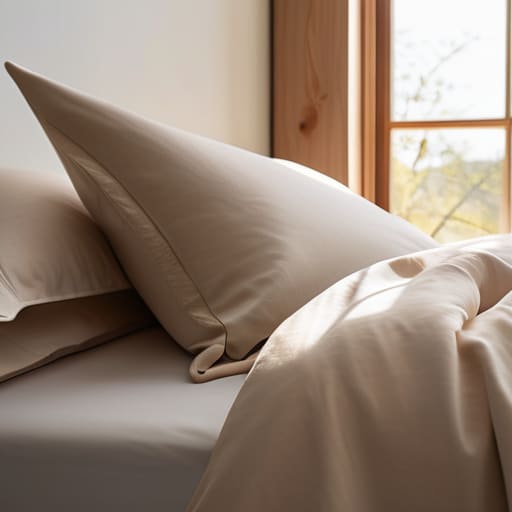
At the end of the day, choosing a cotton duvet cover isn’t about picking a color that looks good in a filtered photo on your phone. It’s about understanding the difference between a cheap, synthetic blend that will pill and tear within six months and a high-quality cotton weave that actually improves with age. We’ve looked at why breathability matters for your sleep quality and why investing in organic fibers is a smarter move for both your health and the environment. If you want bedding that handles the wash cycle without losing its shape, you have to prioritize material integrity over a low price tag. Don’t let a flashy marketing campaign trick you into buying disposable textiles that end up in a landfill by next year.
My advice is simple: stop treating your home like a showroom for temporary trends and start treating it like a sanctuary built to last. When you buy a proper, heavy-duty cotton duvet, you aren’t just buying a piece of fabric; you are making a practical decision to invest in your own daily comfort and long-term value. It’s a small way to push back against the culture of constant waste. Do yourself a favor and buy it once, buy it well, and then get back to enjoying a life filled with things that actually serve a purpose.
Frequently Asked Questions
How can I tell if a cotton duvet is actually high-quality or just cheap fabric with a fancy label?
Don’t let a fancy label fool you; marketing is cheap, but quality is felt. First, look at the weave. Hold the fabric up to the light—if it looks uneven or thin, put it back. Next, check the weight. A quality duvet should have a substantial, consistent feel, not that flimsy, paper-like texture. Finally, check the seams. If the stitching looks loose or rushed, it won’t survive the wash. Buy for construction, not for the brand name.
Is it worth paying more for long-staple cotton, or is that just marketing nonsense?
Look, I’ve spent enough time in logistics to know when a company is selling you fluff and when they’re selling you substance. Long-staple cotton isn’t some marketing gimmick; it’s basic engineering. Shorter fibers break and fray, leaving you with a pilled, scratchy mess after a few washes. Long-staple fibers are stronger and smoother. You pay more upfront, yes, but you aren’t replacing a cheap set every single year. Buy it once.
How often should I realistically be replacing my duvet cover if I'm taking proper care of it?
If you’re treating your bedding with respect—washing it on gentle cycles and avoiding harsh bleaches—a high-quality cotton duvet cover should last you five to ten years, easily. I’ve seen cheap sets thin out and pill after six months, which is just a waste of good money. Don’t replace it just because the color faded slightly; replace it when the structural integrity fails. Buy the heavy-duty stuff, and you won’t be shopping for this again anytime soon.
