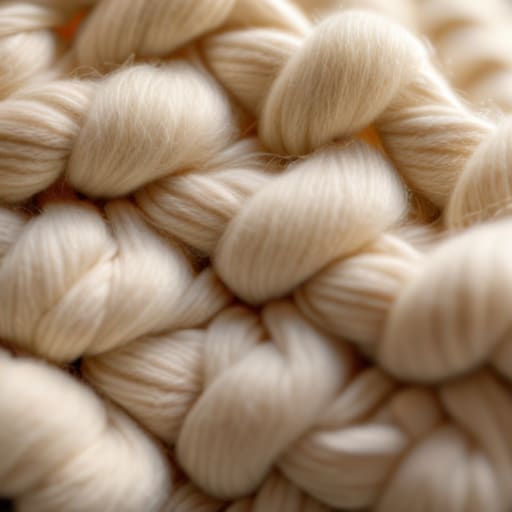
I was out in the workshop last weekend, working on an old lathe, when I realized just how much of our modern world is built on planned obsolescence. You see it everywhere: people buying these flimsy, synthetic “performance” layers that claim to wick moisture but end up smelling like a locker room after two hours of wear. It’s a racket. I’ve spent enough time in logistics to know when a supply chain is prioritizing cheap, disposable junk over actual durability. Most of the “technical” clothing hitting the shelves today is nothing more than glorified plastic, and frankly, it’s a waste of your hard-earned money. If you want something that actually performs, you need to stop looking at the flashy labels and start looking at merino wool.
I’m not here to sell you on some high-fashion trend or a luxury brand name that costs more than my first truck. My goal is simple: I want to show you how to identify high-quality merino wool that will actually stand the test of time. I’ll be giving you the straight truth on what to look for, how to care for it so it doesn’t shrink in the wash, and why it’s the only sensible investment for your wardrobe.
Table of Contents
Mastering Merino Wool Temperature Regulation
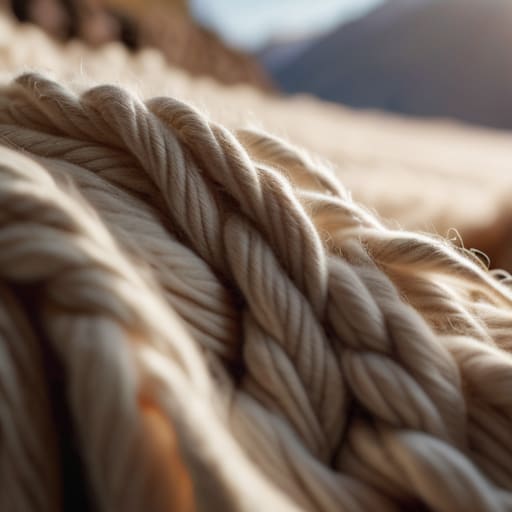
One of the biggest mistakes I see people make is overpacking for a trip or layering up in heavy, clunky synthetics that leave you sweating the moment you step indoors. That’s where the science of merino wool temperature regulation actually earns its keep. Unlike those cheap polyester blends that trap heat and moisture against your skin, these natural fibers act like a smart thermostat. They possess a unique ability to absorb heat when you’re cold and release it when your body temperature climbs. It’s a level of efficiency you just won’t find in mass-produced junk.
Beyond just keeping you warm, the breathable natural fabrics inherent to this material mean you aren’t constantly adjusting your clothes. I’ve found that wearing a single, high-quality layer often beats wearing three layers of subpar gear. Because the fibers manage moisture so effectively, you stay dry even when you’re active. If you want to stop the cycle of buying “seasonal” clothes that only work in specific weather, you need to invest in pieces that work with your body, not against it.
Sustainable Textile Fibers for the Discerning Wardrobe
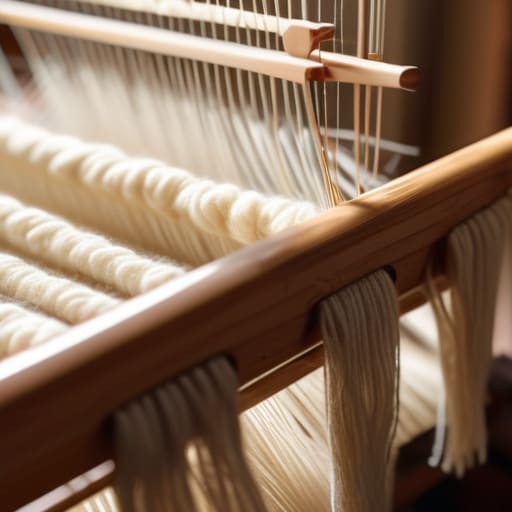
Most people don’t realize that their wardrobe is essentially a collection of planned obsolescence. You buy a cheap polyester blend, it loses its shape after three washes, and it ends up in a landfill. That isn’t just bad for the planet; it’s a waste of your hard-earned money. If you want to build a wardrobe that actually lasts, you need to look toward sustainable textile fibers that work with your body rather than against it.
I’ve always preferred materials that have a bit of history and proven utility. When you compare the longevity and performance of merino wool vs cashmere, you start to see why natural fibers win every time. While cashmere is fine for a soft sweater, merino offers a level of durability and odor resistant clothing benefits that make it much more practical for daily life. It’s about choosing pieces that serve a purpose and don’t require constant replacement. Investing in high-quality, breathable natural fabrics means you aren’t just buying clothes; you’re investing in a system that works for years, not weeks.
Five Ways to Make Your Merino Investment Last a Lifetime
- Check the weight before you buy. If you’re looking for a sturdy base layer that won’t lose its shape after three washes, look for a higher GSM (grams per square meter). Thin, flimsy merino is fine for a single hike, but it won’t stand up to daily wear like a heavier knit will.
- Stop throwing it in the dryer. I’ve seen too many good pieces ruined by high heat. If you want your wool to stay soft and keep its structural integrity, wash it on a gentle cycle and lay it flat to dry. Heat is the enemy of natural fibers.
- Avoid the “blend” trap. Some retailers will slap a “merino” label on a garment that is actually 70% cheap polyester. That’s a waste of your hard-earned money. Read the tag; if it isn’t primarily natural fiber, it’s just disposable junk in disguise.
- Use a proper wool wash. Harsh, alkaline detergents will strip the natural oils from the fiber and make it brittle. Invest in a dedicated wool wash; it’s a small price to pay to keep the garment from felting or thinning out prematurely.
- Store it properly, not hanging. Gravity is a slow killer for knitwear. If you hang a heavy merino sweater on a thin wire hanger, you’ll have permanent shoulder bumps in a week. Fold them neatly and keep them in a dry drawer to maintain their shape.
The Bottom Line on Merino
Stop buying cheap, synthetic blends that trap sweat and smell after two wears; real merino wool breathes and stays fresh far longer.
View quality wool as a long-term investment rather than a seasonal purchase—if it’s built right, you won’t be replacing it next year.
Prioritize natural fibers that work with your body instead of fighting against it, saving you money on both clothing and energy bills.
Stop Buying Disposable Clothes
I’ve spent enough time in logistics to know the difference between a supply chain built on quality and one built on planned obsolescence; don’t fall for the trap of buying cheap, synthetic layers every season when a single, well-made merino piece will outlast five of them and keep you warmer in the process.
Hugo Steenkamp
The Bottom Line on Merino
At the end of the day, choosing merino wool isn’t about following some high-fashion trend you saw on a social media feed; it’s about practical, sensible utility. We’ve looked at how its natural temperature regulation keeps you comfortable when the weather turns sour, and why its lifecycle makes it a far superior choice for the environment compared to those plastic-based synthetics. When you weigh the cost against the sheer longevity and performance of the fiber, the math is simple. You aren’t just buying a sweater; you are investing in a piece of gear that is built to endure the rigors of daily life without losing its shape or its soul.
My advice is to stop the cycle of buying cheap, disposable clothing that ends up in a landfill before the season is even over. It is frustrating to see how much money people throw away on junk that simply doesn’t work. Instead, take a breath, look at the label, and choose the material that actually serves a purpose. If you buy it once and buy it well, you’ll find that your life becomes a lot simpler and your wallet a lot heavier. Fill your home and your wardrobe with things that last, and let the rest of the noise fade away.
Frequently Asked Questions
How do I actually wash these things without ruining the fibers or shrinking them to doll size?
Look, I’ve seen enough ruined sweaters to know that a standard heavy-duty wash cycle is a death sentence for merino. Treat it with respect. Use cold water, a gentle cycle, and for heaven’s sake, use a dedicated wool detergent. Never, under any circumstances, throw it in the dryer; that’s how you end up with a garment fit for a doll. Lay it flat on a towel to air dry. It takes patience, but it keeps the fibers intact.
Is there a significant difference in longevity between a mid-range merino blend and a high-end 100% pure piece?
Look, I’ve seen this play out in supply chains for decades: you get what you pay for. A mid-range blend might feel fine today, but those synthetic fibers eventually pill and lose their shape. If you want a piece that survives years of wear and washing, go with the 100% pure high-end option. It’s a higher upfront cost, sure, but it’s an investment in longevity rather than just another disposable garment.
How can I tell if a brand is actually using ethical sourcing or just using "sustainable" as a marketing buzzword to hike up the price?
Look for specifics, not adjectives. If a brand just throws around words like “eco-friendly” or “green” without any data to back it up, they’re selling you smoke and mirrors. I want to see certifications like ZQ Merino or RWS (Responsible Wool Standard). Check their site for a transparent supply chain map. If they can’t tell you exactly which farms the wool comes from or how the workers are treated, keep your wallet closed.
