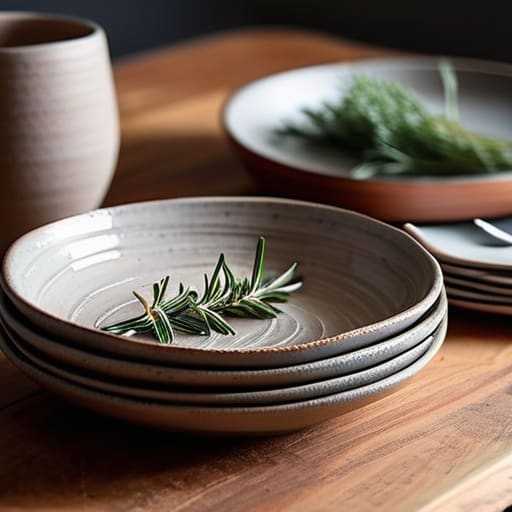
I was cleaning out my kitchen cabinets last week and found a stack of those thin, brightly colored ceramic plates I bought on a whim five years ago. Half of them were chipped, and the rest looked like they’d shatter if you even breathed on them wrong. It’s the same nonsense I see everywhere lately—people spending a fortune on “designer” sets that look good in a photo but lack any real structural integrity. If you’re tired of playing a guessing game with your kitchen supplies, you need to stop looking at trends and start looking at stoneware dinnerware. You want something with enough weight to feel substantial, but enough durability to survive a daily trip through the dishwasher without losing its soul.
I’m not here to sell you on some fancy lifestyle brand or a set of plates that requires a velvet-lined box for storage. My goal is simple: I want to help you find stoneware dinnerware that actually holds up to a lifetime of Sunday roasts and heavy use. I’ll be sharing what I’ve learned about density, glaze quality, and heat retention so you can buy it once and never have to shop for replacements again.
Table of Contents
Understanding Ceramic vs Stoneware Differences for Longevity
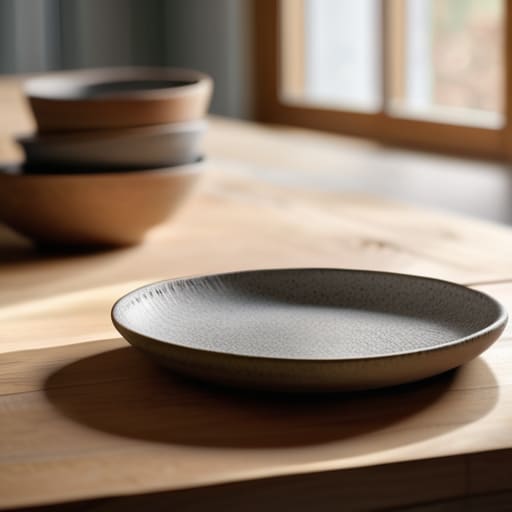
When you’re standing in a kitchen aisle, the labels can be incredibly misleading. Most people use “ceramic” as a catch-all term, but if you want gear that survives a lifetime of heavy use, you need to understand the ceramic vs stoneware differences before you open your wallet. Standard earthenware or low-fire ceramics are often porous and brittle; they look fine on a showroom floor, but they tend to crack or chip the moment life gets a little messy.
Stoneware, on the other hand, is fired at much higher temperatures, which creates a dense, vitrified body. This density is exactly what gives it superior stoneware chip resistance. Because the material is so tightly packed, it’s much less likely to absorb moisture or succumb to the thermal shock of a hot meal. If you’re looking for something that can handle a daily cycle in the machine, make sure you’re specifically seeking out dishwasher safe dinnerware sets made from this heavier-duty material. It’s the difference between buying something that looks pretty for a month and buying something that actually serves a purpose for a decade.
The Unmatched Strength of Stoneware Chip Resistance
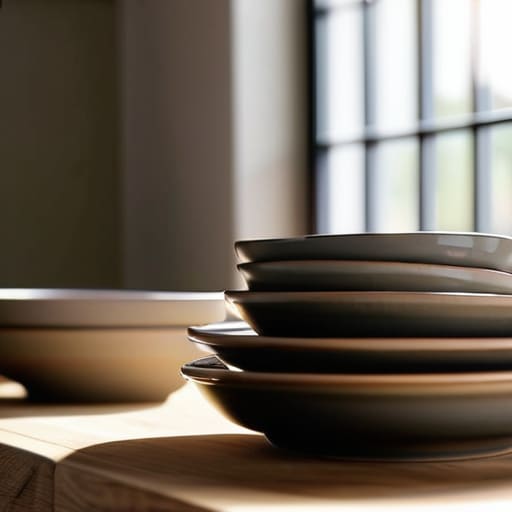
I’ve spent enough time in warehouses to know that if a material can’t handle a bit of rough handling, it’s a liability, not an asset. When it comes to your kitchen, most people don’t realize they are one accidental bump against the sink away from a ruined meal. This is where stoneware chip resistance becomes the deciding factor. Unlike more delicate earthenware that shatters or nicks at the slightest provocation, stoneware is fired at much higher temperatures. This process creates a dense, vitrified body that is inherently tougher. You aren’t just buying a plate; you’re buying the peace of mind that comes with knowing your investment won’t end up in a landfill because of a clumsy moment.
It’s a practical matter of physics. When you’re looking for dishwasher safe dinnerware sets that can actually survive the high-pressure spray and the rattling of a loaded rack, you need that structural integrity. I have no interest in “precious” dishes that require white-glove treatment. I want pieces that can handle the rigors of a busy household without losing their edge. If a plate can’t survive a standard cleaning cycle or a minor knock against a countertop, it’s simply not worth your hard-earned money.
How to Make Your Stoneware Last a Lifetime
- Stop stacking your plates haphazardly; use felt or paper dividers between them to prevent surface scratches when you pull them from the cupboard.
- Check the bottom of the piece for a manufacturer’s mark; if it doesn’t specify being oven or microwave safe, don’t risk it—quality stoneware should handle the heat.
- Avoid the temptation of cheap, thin sets; look for weight and density, because a plate that feels substantial in your hand is much less likely to crack under pressure.
- Don’t let a small chip turn into a disaster; if you notice a hairline fracture, stop using it for hot liquids immediately before it splits entirely.
- Skip the flashy, overly glazed patterns that look like they’ll peel in a year; stick to matte or simple reactive glazes that won’t show the wear and tear of daily use.
The Bottom Line on Buying Stoneware
Stop wasting money on thin, fragile ceramics that chip the moment you stack them; choose stoneware for its density and ability to withstand daily use.
Look for high-fired pieces that offer genuine durability, ensuring you won’t be back in the kitchenware aisle in six months looking for replacements.
Prioritize substance over style by investing in heavy-duty stoneware that serves a functional purpose and stands the test of time.
The Cost of Cheap Plates
I’ve spent enough years managing supply chains to know exactly when a manufacturer is cutting corners to save a cent. Most modern dinnerware is built to be replaced, not used; but if you invest in real stoneware, you’re buying a piece of your home that won’t end up in a landfill by next Christmas.
Hugo Steenkamp
Making the Right Investment
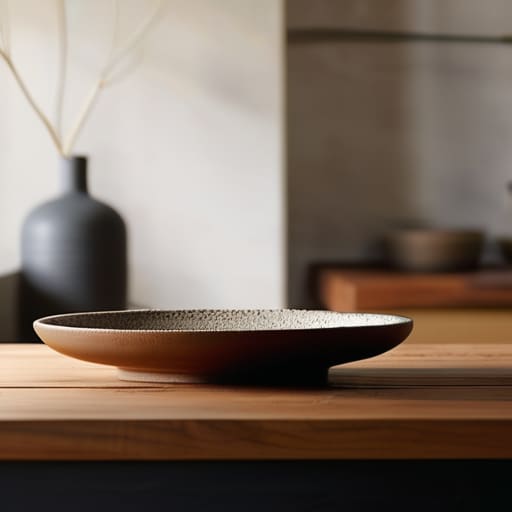
At the end of the day, choosing stoneware isn’t about following a kitchen trend or matching a specific color palette you saw in a magazine. It’s about understanding the physics of what you’re putting on your table. We’ve looked at why the density of stoneware beats out standard ceramic for daily use, and why that chip resistance is a necessity rather than a luxury if you actually plan on using your dishes. When you stop settling for thin, fragile plates that crack under the weight of a simple dinner, you realize that durability is the highest form of value. Don’t let a low price tag fool you into buying something that will end up in a landfill by next Christmas; invest in density and substance instead.
My philosophy has always been simple: buy it once, buy it well, and make it count. Your home shouldn’t be a revolving door of cheap, disposable junk that needs constant replacing. When you select a solid set of stoneware, you aren’t just buying plates; you are setting the foundation for years of shared meals and steady reliability. There is a certain peace of mind that comes from knowing your tools—even the ones used for dining—are built to endure. Stop chasing the fleeting whims of the market and start building a home that lasts. It’s time to prioritize quality over quantity and finally get it right.
Frequently Asked Questions
How do I know if this stoneware is actually safe for the microwave and dishwasher, or is it just marketing talk?
Don’t just take their word for it; marketing departments are paid to make everything sound indestructible. Look at the bottom of the piece. If it’s high-quality, you’ll see a stamp clearly stating “Microwave Safe” or “Dishwasher Safe.” If there’s no marking, don’t risk it. I’ve seen too many people ruin a decent set because they assumed “ceramic” meant “indestructible.” If the manufacturer isn’t explicit, walk away. Buy certainty, not promises.
Is there a significant difference in how these pieces hold up over years of daily use compared to cheaper earthenware?
It’s a massive difference. Earthenware is porous and fragile; it’s basically baked clay that hasn’t been fully vitrified. You’ll find it chipping at the edges or even absorbing moisture and odors after a few months of heavy use. Stoneware, however, is fired at much higher temperatures. This makes it dense, non-porous, and incredibly tough. If you want a set that survives the daily grind without looking like a relic of last year, stoneware is the only logical choice.
What should I look for in the glaze to ensure it won't crack or leach chemicals into my food over time?
Don’t get distracted by flashy, high-gloss finishes that look good under showroom lights. You need to look for a smooth, even glaze that shows no signs of crazing—those tiny spiderweb cracks—even in the sample. If you see cracks, moisture and bacteria are getting in. Most importantly, ensure it’s labeled lead-free and cadmium-free. I don’t care how pretty a plate is; if it’s leaching chemicals into my stew, it’s junk.
