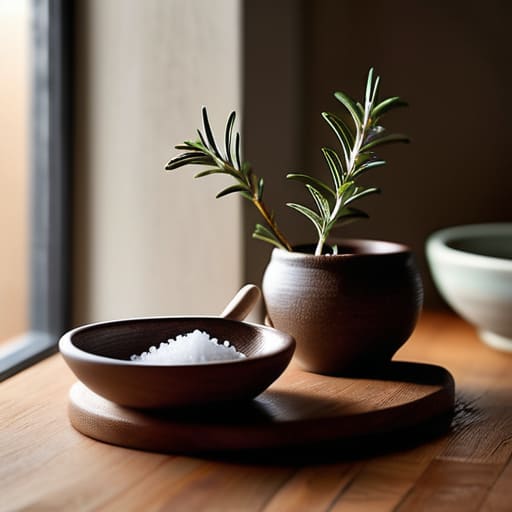
I was standing in my kitchen last Tuesday, staring at a cracked plastic lid from one of those “smart” salt dispensers I bought on a whim last year. It was a complete waste of money. Why are we letting these companies convince us that we need gadgetry and flimsy, disposable junk just to season a piece of steak? Most of the stuff you see in those glossy lifestyle magazines is designed to look pretty for five minutes before it ends up in a landfill. If you want a tool that actually works, you need to stop looking at high-tech nonsense and start looking at ceramic salt cellars. They are simple, they are heavy, and they don’t have a single moving part that can break.
I’m not here to sell you on some overpriced designer brand that’s all style and no substance. My goal is to cut through the marketing fluff and help you find properly made ceramic salt cellars that will sit on your countertop for the next thirty years. I’ve spent my life managing logistics and evaluating quality; I know the difference between a well-fired piece of stoneware and a cheap imitation. I’m going to show you exactly what to look for so you can buy it once and buy it well.
Table of Contents
The Enduring Value of Handcrafted Stoneware Salt Bowls

I’ve spent enough years in logistics to know that mass-produced, injection-molded plastic is a scam. It’s designed to fail, and frankly, it’s a waste of space on your countertop. When you switch to handcrafted stoneware salt bowls, you aren’t just buying a dish; you’re investing in something that has weight, character, and a soul. These pieces aren’t made on a high-speed assembly line by a machine that doesn’t care about quality. They are shaped by hands, meaning the thickness of the walls and the glaze are consistent with durability in mind, not just cost-cutting.
Beyond the sheer toughness, there is a practical logic to using these over a standard shaker. If you ask me, the difference between a salt cellar vs salt shaker comes down to control and accessibility. A shaker clogs up with humidity and spills half the contents every time you tip it. A proper stoneware bowl keeps your salt dry and ready at your fingertips. It’s one of those minimalist kitchen accessories that actually simplifies your workflow instead of adding clutter. If it doesn’t make the job easier or last longer, I don’t want it in my kitchen.
Salt Cellar vs Salt Shaker Choosing Purpose Over Convenience
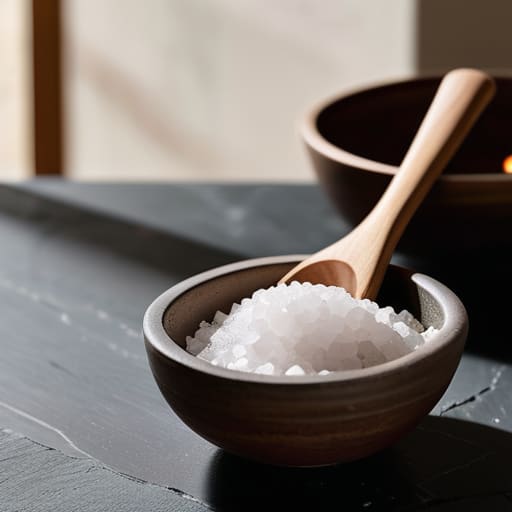
I’ve seen enough flimsy plastic shakers end up in the landfill to last a lifetime. Most people reach for a standard shaker because it’s convenient, but if you actually care about the quality of your food, you need to reconsider the salt cellar vs salt shaker debate. Shakers are designed for speed, sure, but they often clog with humidity or restrict the flow of larger, high-quality sea salts. When you’re seasoning a meal, you want control, not a mechanical struggle with a tiny hole that gets jammed every other week.
A proper cellar is one of those minimalist kitchen accessories that actually makes your workflow smoother. Instead of shaking a container and hoping for the best, you use your fingers to pinch exactly what you need. It’s a tactile, intentional way to cook that respects the ingredient. Whether you’re using handcrafted stoneware salt bowls or a simple open dish, you’re choosing a tool that works with you rather than against you. Stop settling for gadgets that prioritize a quick fix over long-term utility.
How to Spot a Salt Cellar That Isn't Just Decorative Junk
- Check the weight before you commit. If a ceramic piece feels light and hollow, it’s likely thin-walled and prone to cracking. You want something with a bit of heft that feels substantial in your hand.
- Inspect the glaze for smoothness. In my experience, a poorly glazed interior can trap moisture or even flake off over time. You need a high-fired, non-porous finish so the salt stays dry and clean.
- Look for a wide mouth, not a narrow one. I’ve seen too many “designer” bowls that are impossible to actually get your fingers into. If you can’t scoop easily, it’s a failure of design, plain and simple.
- Avoid anything with overly intricate, fragile carvings. They look fine on a shelf, but in a working kitchen, those little details just catch salt and grime. Stick to clean, functional lines that are easy to wipe down.
- Ensure the base is flat and stable. There is nothing more frustrating than a piece of stoneware that wobbles on your countertop. A steady base means it won’t tip over and waste your expensive sea salt.
The Bottom Line on Buying Better
Stop wasting money on flimsy plastic or cheap glass; invest in heavy-duty stoneware that can handle daily use without cracking.
Prioritize accessibility and function over aesthetics; a wide-mouth cellar is a tool for cooking, not just a piece of countertop decor.
Look for quality materials and sustainable packaging so you aren’t contributing to the cycle of disposable junk that ends up in a landfill.
## A Lesson in Kitchen Longevity
“I’ve spent enough years in logistics to know that if a tool is built poorly, it’s just future landfill. A cheap plastic shaker is a nuisance that will crack by next season, but a heavy ceramic cellar? That’s an investment that sits on your counter for decades, serving its purpose without a single complaint.”
Hugo Steenkamp
Making the Right Choice
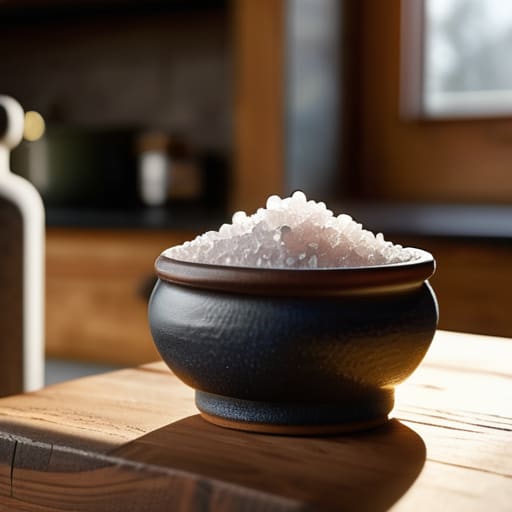
At the end of the day, choosing a ceramic salt cellar isn’t about following some kitchen gadget trend; it’s about understanding the difference between a tool and a toy. We’ve looked at why handcrafted stoneware offers a durability that mass-produced plastic simply cannot match, and why opting for an open cellar over a flimsy shaker is the smarter move for anyone who actually cooks. When you prioritize substance over convenience, you aren’t just organizing your countertop; you are investing in a piece of equipment that will handle the heat, the moisture, and the daily grind of a working kitchen without cracking or losing its utility.
My advice is simple: stop settling for the disposable culture that tells you everything is replaceable. A good piece of ceramics should feel heavy in your hand and look just as good ten years from now as it does the day you unwrap it. When you buy something built to last, you aren’t just saving money in the long run—you are decluttering your life from the cycle of constant replacement. Buy it once, buy it well, and let your kitchen be filled with things that actually have the grit to endure.
Frequently Asked Questions
How do I know if the glaze is food-safe and won't leach anything into my salt?
Look, I don’t care how pretty the pattern is if it’s poisoning my food. If you’re buying secondhand or from an artisan, don’t just take their word for it. Look for “food-safe” explicitly stated in the description. If it’s handmade, ask the potter directly if the glaze is lead-free and stable. Avoid anything with a dull, “crusty” texture that feels like it might flake off. If it looks cheap and mass-produced, it probably is.
Are these heavy ceramic bowls actually easy to clean, or do they just trap salt residue in the cracks?
That’s a fair question, and frankly, it’s the kind of thing people should ask before throwing money away. If you buy a cheap, mass-produced piece with uneven glazing or deep, decorative grooves, you’re asking for a headache. But a proper, high-fired stoneware bowl? It’s smooth as glass. Just give it a quick rinse with warm water and a bit of soap. No cracks, no salt buildup, and no scrubbing for twenty minutes. Simple.
Will a ceramic cellar hold up if I accidentally knock it off the counter, or is it too fragile for daily kitchen use?
Look, I’ll be blunt: it’s ceramic. If you drop it on a tile floor, it’s probably going to break. I’m not going to lie to you and say it’s indestructible like a piece of plastic junk. But there’s a difference between fragile and flimsy. A heavy, high-fired stoneware piece has real heft and stability. If you treat it with a bit of respect and keep it in a sensible spot, it’ll outlast anything else in your kitchen.
