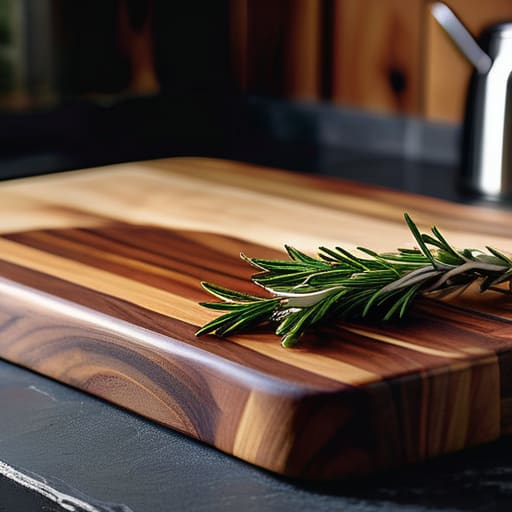
I was in my workshop last weekend, restoring an old hand plane, when I realized just how much junk people are letting into their kitchens these days. I saw a neighbor toss a warped, splintering piece of cheap bamboo into the bin, and it frankly made my blood boil. We’ve become a society obsessed with “disposable convenience,” buying flimsy, overpriced nonsense that’s destined for a landfill before the year is out. You don’t need a designer gadget or a high-tech composite surface; what you actually need are wooden cutting boards that possess enough heft to stay put and enough quality to last decades.
I’m not here to sell you on some fancy, celebrity-endorsed kitchen trend that looks good on a screen but fails the first time you slice a tomato. My goal is to cut through the marketing fluff and give you the straight truth about grain, species, and maintenance. I’m going to show you how to identify real craftsmanship so you can stop wasting your hard-earned money on replacements every six months. Let’s talk about how to buy it once, buy it well, and finally own a tool that actually serves its purpose.
Table of Contents
Choosing the Best Wood for Cutting Boards
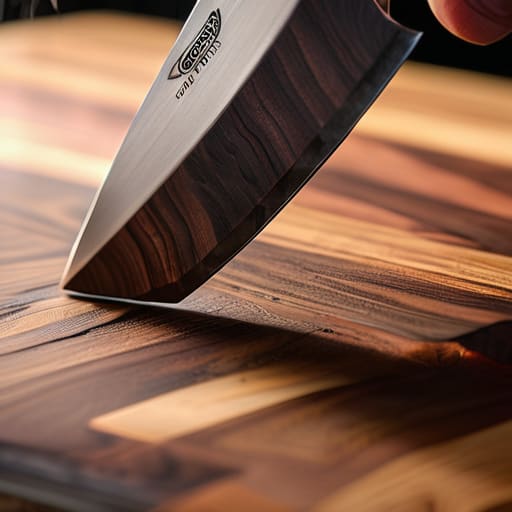
When you’re looking at the options, don’t get distracted by the pretty patterns. You need to understand the difference between end grain vs edge grain construction. I’ve seen plenty of folks buy a cheap edge-grain board because it looks sleek, but they quickly realize it dulls their expensive knives. An end-grain board, where the wood fibers stand vertically, acts like a bed of nails; the blade slides between the fibers rather than slicing through them. This is the real secret to preventing knife damage over the long haul.
As for the species, you want something dense but not so hard that it’s a chore to work with. Maple and walnut are my go-to’s. They are sturdy, reliable, and most importantly, they offer excellent hygiene of wooden surfaces because they don’t harbor bacteria as easily as porous, low-grade woods. Avoid anything exotic or overly soft that might splinter. If you buy a piece of solid hardwood, you aren’t just buying a kitchen tool—you’re investing in a piece of equipment that will be around long after the cheap plastic alternatives have been tossed in the bin.
End Grain vs Edge Grain the Enduring Choice
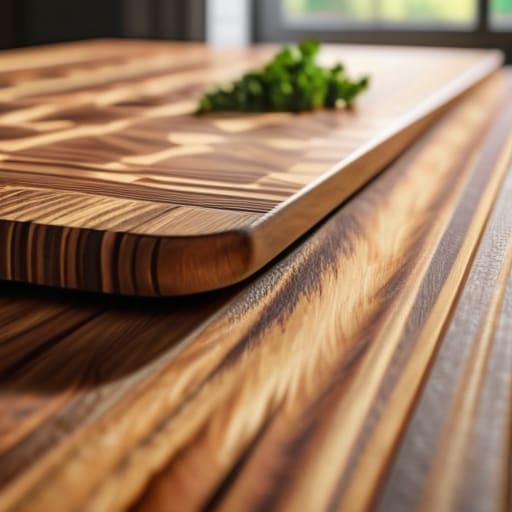
Now, this is where most people get tripped up and end up buying something they’ll regret in six months. You’ll see both styles in shops, but you need to understand the difference between end grain vs edge grain if you want a tool that actually performs. An edge grain board is made by laying the wood strips side-by-side, which is fine for light use, but it’s the end grain that really stands the test of time. In an end grain setup, the wood fibers stand vertically, like the bristles of a brush. When your knife hits the surface, it slips between those fibers rather than slicing through them.
This isn’t just about pride of ownership; it’s about preventing knife damage and keeping your expensive cutlery sharp. Because the fibers part and then spring back, the board heals itself. More importantly, it’s far superior regarding the hygiene of wooden surfaces, as it’s less likely to develop deep, nasty grooves where bacteria can hide. If you’re going to do this right, go with end grain. It’s a bit more expensive upfront, but I’ve always believed in buying once and buying well.
Five Rules for Keeping Your Investment in Working Order
- Stop treating your board like a piece of plastic. Wood needs to breathe, which means you need to oil it regularly with food-grade mineral oil. If the wood looks dull or feels thirsty, get the oil out. A dry board is a brittle board, and a brittle board will crack.
- Throw away those harsh chemical cleaners. You don’t need a laboratory in your kitchen to clean a cutting board. A simple scrub with warm water and mild soap is plenty. If things get a bit smelly, a bit of coarse salt and half a lemon will do the job without ruining the grain.
- Never, and I mean never, put your wooden boards in the dishwasher. The heat and the soaking will warp the wood and destroy the fibers in a single cycle. It’s a fast track to the scrap heap, and I won’t stand for it. Hand wash only, then dry it immediately.
- Watch your knife edge. While a good wood board is forgiving, using dull, serrated knives designed for cheap metal can still cause unnecessary wear. Keep your blades sharp so they glide through the grain rather than hacking at it.
- Mind the moisture. After washing, don’t just lean the board against a wall or lay it flat on the counter to dry. Stand it upright on its edge so air can circulate around both sides. If you trap moisture on one side, you’re asking for warping.
The Bottom Line: Buying for Longevity
Don’t be fooled by low prices; a cheap board is a waste of money if it warps or cracks within six months.
Choose end grain if you want a tool that protects your knives and lasts decades, even if it requires a bit more maintenance.
Stick to hard, closed-grain woods like maple or walnut to ensure you aren’t buying something that will harbor bacteria or fall apart.
The Cost of Cheapness
“I’ve spent thirty years watching supply chains prioritize speed over substance; don’t let your kitchen be another victim of that mindset. A cheap board is just future landfill, but a solid piece of wood is a tool that earns its keep every single day.”
Hugo Steenkamp
The Last Board You'll Ever Need to Buy
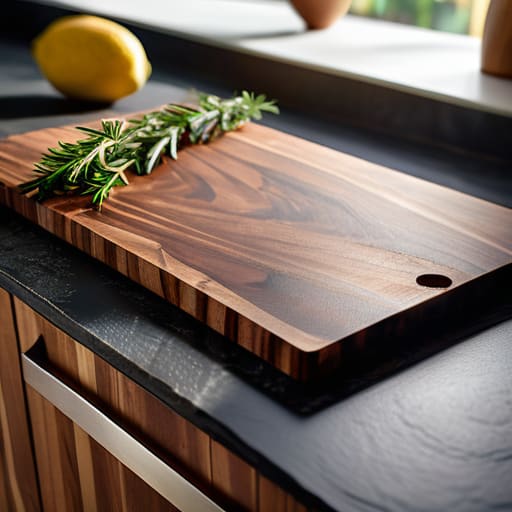
At the end of the day, picking a cutting board shouldn’t be a complicated guessing game. You’ve looked at the wood species, weighed the merits of end grain against edge grain, and realized that not all kitchen tools are created equal. If you choose a hard, closed-grain wood like maple or walnut and opt for a construction that can withstand daily use, you aren’t just buying a kitchen accessory; you are making a sensible investment. Don’t let the marketing fluff trick you into buying something flimsy that will warp the moment it hits water. Stick to the fundamentals: quality materials and proper construction are the only things that matter when it comes to longevity.
I’ve spent enough time in logistics to know that the cheapest option almost always costs more in the long run. Every time you toss a cheap, disposable board into the bin, you’re wasting money and contributing to a cycle of mindless consumption. My advice is simple: stop chasing the cheap thrills of modern convenience and start building a kitchen that lasts. Buy a board that has some weight to it, something that feels substantial in your hands. When you choose to buy it once and buy it well, you’re choosing a lifestyle of substance over a lifestyle of clutter. Make it count.
Frequently Asked Questions
How often do I actually need to oil these boards to keep them from cracking?
Look, if you treat your board like a piece of fine machinery, you’ll see the signs. Don’t wait for it to look bone-dry or start feeling fuzzy. I usually check mine once a month, but if you’re using it daily for heavy prep, aim for every two or three weeks. If the wood looks dull or thirsty, get the oil out. It’s a small bit of maintenance to prevent a costly crack.
Can I safely put a real wooden board in the dishwasher, or is that a death sentence for the wood?
Let me save you some money and a lot of heartache right now: do not, under any circumstances, put a wooden board in the dishwasher. It is a death sentence. That machine is designed to blast things with heat and water, and it will warp, crack, or split your board faster than you can say “disposable junk.” Hand wash it with warm soapy water, dry it immediately, and treat it with respect. That’s how you make it last.
What is the best way to clean off meat juices without ruining the surface or wasting time?
Don’t go reaching for those harsh chemical sprays; they’ll soak into the wood and ruin the flavor of your next meal. After prepping meat, scrape off the heavy bits first. Then, use hot water and a bit of mild dish soap to scrub the surface. If you’re dealing with a particularly stubborn smell, a quick rub with half a lemon and some coarse salt does the trick. It’s fast, effective, and keeps the board intact.
