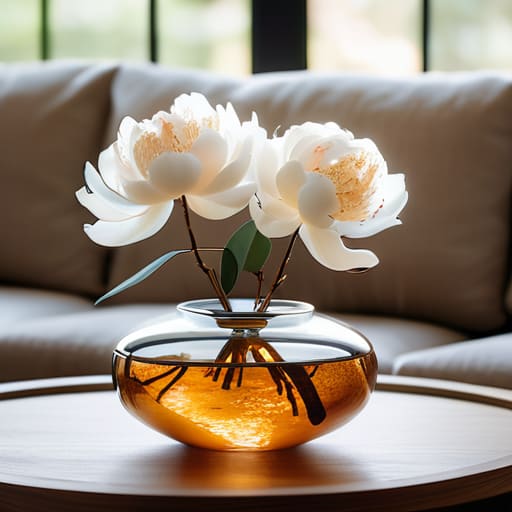
I was clearing out my late mother’s sideboard last summer when I found a collection of those thin, mass-produced glass flower vases you see in every big-box discount aisle. One slip of the hand and they shattered like sugar, leaving nothing but a mess of useless shards and a wasted trip to the store. It’s infuriating how much money people pour into disposable decor that’s designed to fail. We’ve become a society that settles for flimsy, lightweight junk instead of investing in pieces that actually have some weight and character to them.
I’m not here to sell you on some high-priced designer label or a fleeting “aesthetic” you saw on a social media feed. My goal is to help you cut through the noise and identify glass flower vases that are built to endure. I’ll show you how to spot real craftsmanship, from the thickness of the base to the clarity of the material, so you can buy something once and make it count. Let’s stop wasting money on clutter and start choosing things that actually belong in a home.
Table of Contents
The Timeless Allure of Transparent Glass Decor
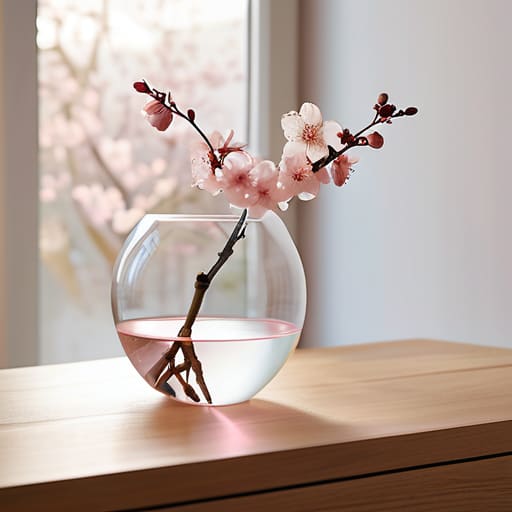
There is something to be said for simplicity. In my years managing logistics, I learned that the most efficient systems are often the most straightforward, and the same applies to your living room. Transparent glass decor doesn’t try to scream for attention or compete with the room’s existing character. Instead, it sits quietly, letting the natural beauty of a branch or a fresh bloom do the heavy lifting. Unlike those heavy, ornate ceramic pieces that feel like they belong in a museum, a clear vessel offers a sense of lightness that keeps a space from feeling cluttered.
I’ve always preferred items that serve a dual purpose: looking good while remaining functional. When you opt for minimalist floral design, you aren’t just following a trend; you are embracing a style that won’t look dated by next season. A well-made piece of glass provides a clean backdrop for tabletop floral displays, ensuring the focus remains on the life within the vessel rather than the container itself. It’s about choosing pieces that provide clarity and calm, rather than adding to the visual noise of a modern home.
Mastering Minimalist Floral Design With Purposeful Pieces
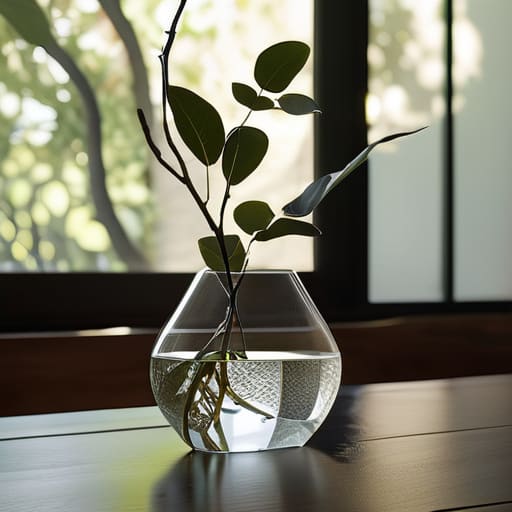
When it comes to minimalist floral design, less is almost always more. I’ve seen too many people clutter their dining tables with a chaotic mess of multicolored blooms and flimsy plastic containers that look like they belong in a bargain bin. If you want to do it right, pick a single, high-quality vessel that has some weight to it. A clean, structural piece of transparent glass decor allows the natural lines of a single branch or a few stems of greenery to take center stage. You aren’t trying to hide the container; you’re choosing a piece that commands respect through its simplicity.
The trick to successful tabletop floral displays is ensuring the vessel complements the plant, rather than competing with it. I prefer using decorative glass vessels with thick walls—they feel substantial and won’t tip over if someone bumps the table. Don’t get caught up in the latest modern vase aesthetics that prioritize shape over function. If a vase is too top-heavy or difficult to clean, it’s a waste of space. Stick to the basics: find a shape that holds water steadily and looks just as good empty as it does filled.
Five Rules for Buying Vases That Won't End Up in a Landfill
- Check the weight before you buy. A quality glass vase should have some heft to it; if it feels light and hollow like a cheap plastic toy, it’s going to tip over the moment you add a heavy bouquet.
- Inspect the base for flatness. I’ve seen too many flimsy pieces that wobble on a dining table. A sturdy, level base is the difference between a centerpiece and a mess waiting to happen.
- Prioritize thick-walled glass over thin, delicate designs. While those paper-thin pieces might look fancy in a catalog, they crack easily and aren’t built for daily use. Go for something substantial that can handle a bit of real life.
- Avoid overly complicated shapes that are impossible to clean. If you can’t get a brush inside to scrub out the mineral buildup, you’ll end up throwing it away out of frustration. Stick to clean, functional lines.
- Look for hand-blown or artisan craftsmanship. It costs a bit more upfront, but you’re paying for durability and character. It’s better to own one exceptional piece of glass than a cupboard full of mass-produced junk that lacks soul.
The Bottom Line on Buying Glass
Stop buying those thin, flimsy glass pieces that feel like they’ll shatter if you look at them wrong; look for weight and thickness that signal real craftsmanship.
Choose a classic silhouette that works with any season, because a well-made vase shouldn’t need to be replaced just because the decor trends change.
Prioritize quality over quantity—one sturdy, hand-blown vessel is worth more to your home than a dozen cheap, mass-produced trinkets that end up in a landfill.
Stop Buying Disposable Trinkets
A proper glass vase shouldn’t just sit there looking pretty; it should have enough weight in your hand to tell you it’s built to last. Most of what you see in stores today is thin, flimsy nonsense designed to be tossed in the bin by next season. If you’re going to clear a spot on your table, make sure it’s for something substantial—something that won’t crack the first time a heavy stem hits the rim.
Hugo Steenkamp
Stop Collecting Junk, Start Curating Value
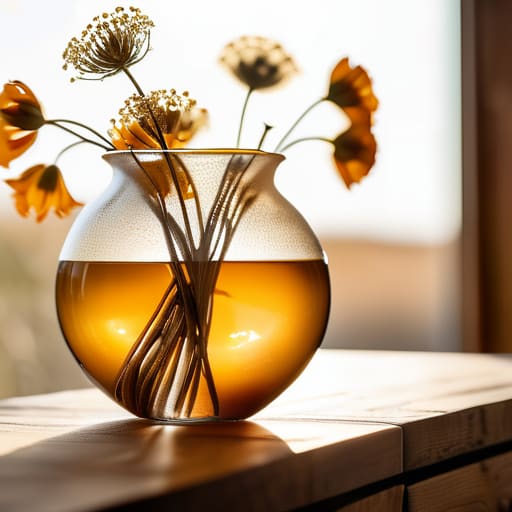
At the end of the day, choosing a glass vase isn’t about following a design trend you saw on a social media feed; it’s about selecting a vessel that respects the flowers you put in it and the room it sits in. We’ve discussed why transparency offers a timeless look and how a minimalist approach prevents your home from feeling cluttered with useless trinkets. When you opt for heavy, hand-blown glass over those thin, mass-produced pieces that shatter if you look at them wrong, you aren’t just buying decor. You are making a deliberate choice to invest in quality that stands the test of time.
My advice is simple: stop the cycle of buying cheap, disposable items that end up in a landfill by next season. Whether you are looking for a centerpiece for a formal dinner or a simple bud vase for your workbench, make sure it has some weight to it and a sense of purpose. A home should be a collection of things that have earned their place on your shelves. Buy it once, buy it well, and make it count. If it doesn’t feel like it’s built to last, leave it on the shelf and keep looking.
Frequently Asked Questions
How can I tell the difference between high-quality hand-blown glass and the cheap, mass-produced junk that's prone to cracking?
Look for the imperfections. Mass-produced junk is unnaturally uniform because it’s churned out by machines. If you pick up a vase and it feels suspiciously light or perfectly symmetrical, walk away. High-quality, hand-blown glass has a certain heft and weight to it. Run your fingers along the rim; you should feel subtle variations, not a clinical, sharp edge. If it looks like it came off an assembly line, it’ll break like one.
What kind of glass thickness should I look for if I plan on using heavy, long-stemmed arrangements?
If you’re planning on heavy, long-stemmed arrangements, don’t even bother with those thin, flimsy little things you see in discount aisles. They’ll tip over the moment you add a bit of weight. You need to look for substantial, heavy-gauge glass. I prefer something with a thick, weighted base—it provides the center of gravity needed to keep things upright. If the glass feels light in your hand, it’s not going to hold your flowers.
Are there specific types of glass that are easier to keep clear and free of those annoying hard-water stains over time?
If you’re tired of scrubbing white crust off your decor, look for borosilicate glass. It’s much more resilient than the standard soda-lime stuff you find in big-box stores. It’s denser and handles temperature shifts better, which helps prevent that cloudy buildup. Also, keep an eye out for hand-blown pieces with a thicker base; they’re easier to clean thoroughly. Don’t settle for thin, cheap glass that turns milky after two weeks.
