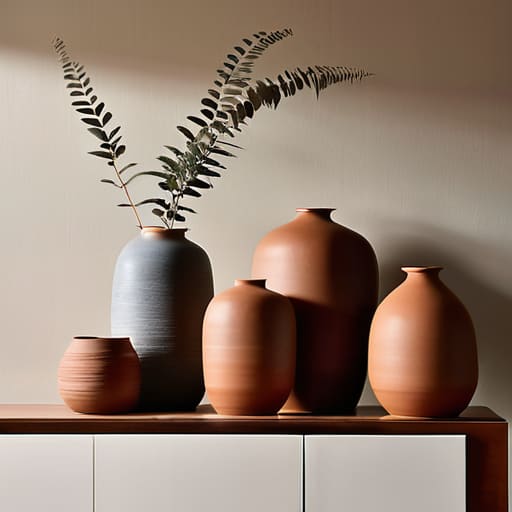
I was cleaning out my workshop last weekend when I stumbled upon a piece of mass-produced pottery I’d bought nearly five years ago. It was a thin, hollow-feeling thing that I’d picked up on a whim, and it had already developed a hairline crack that made it utterly useless for anything other than collecting dust. It’s the same story I see every time I walk through a big-box retailer: shelves lined with cheap, flimsy ceramic vases that are designed to look “trendy” for exactly one season before they end up in a landfill. We’ve become a society obsessed with disposable aesthetics, trading quality for a momentary spark of novelty, and frankly, it’s a waste of hard-earned money.
I’m not here to tell you which colors are “in” this spring or to push some overpriced designer label on you. My goal is much simpler: I want to help you identify the pieces that actually have weight, craftsmanship, and the structural integrity to last a lifetime. I’m going to cut through the marketing fluff and show you exactly what to look for in quality stoneware and porcelain so you can stop replacing your decor every twelve months. Let’s focus on buying things that are built to endure.
Table of Contents
The Enduring Soul of Handcrafted Stoneware Vases
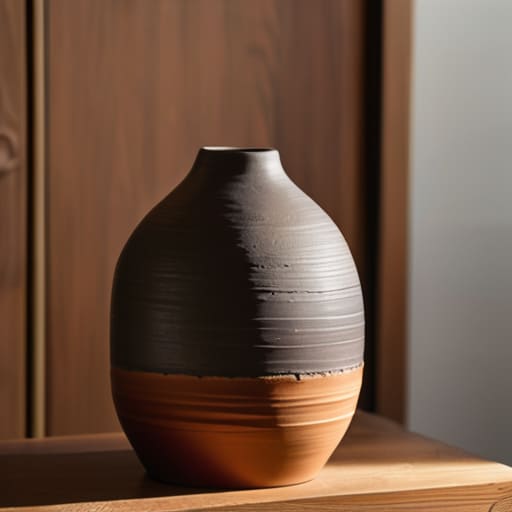
I’ve spent enough time in warehouses to know the difference between something mass-produced on a conveyor belt and something made by a person with a purpose. When you look at handcrafted stoneware vases, you aren’t just looking at a container for flowers; you’re looking at the evidence of a process. There’s a weight to them, a certain density that tells you immediately this isn’t going to chip the first time it bumps against a wooden sideboard. You can feel the intention in the clay.
Most of the stuff you see in big-box retailers is hollow—literally and figuratively. It’s designed to look good under bright showroom lights for exactly three weeks before it ends up in a landfill. I prefer the character found in sculptural clay vases that show the slight, honest imperfections of the kiln. Whether it’s a subtle variation in the glaze finishes for ceramics or a thumbprint left by the maker, those details are what give a piece its soul. If you’re going to clear space on your mantle, don’t waste it on something disposable. Invest in a piece that has the substance to actually stay there.
Modern Ceramic Vessel Design That Defies Time
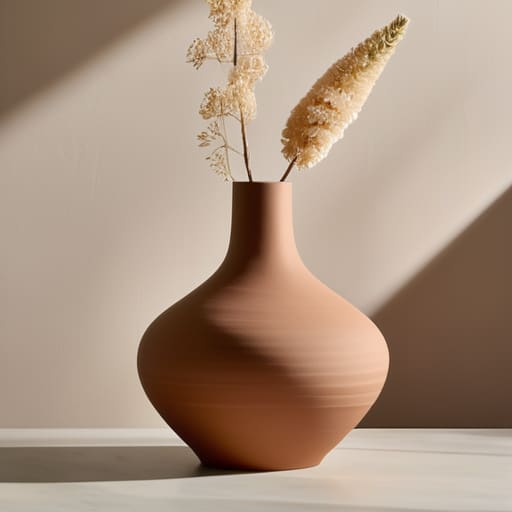
Now, I know what you’re thinking: “modern” usually means “flimsy” or “outdated by next season.” But when I talk about modern ceramic vessel design, I’m not talking about those mass-produced, hollow-looking pieces you see in big-box retailers. I’m talking about pieces that lean into clean lines and intentional shapes. A good sculptural clay vase shouldn’t scream for attention with loud, gaudy patterns; it should command the room through its silhouette and the quality of its build.
When you’re looking at these pieces, pay attention to the weight and the texture. I’ve spent enough time in logistics to know that if a product feels light and airy in a way that suggests it’s mostly air, it’s going to break. Look for minimalist pottery decor that feels substantial in your hands. Whether it’s a matte finish or a subtle, reactive glaze, the goal is to find something that looks as good empty on a mantle as it does filled with a single branch. If it doesn’t have a sense of structural integrity, leave it on the shelf.
Five Things to Look For Before You Open Your Wallet
- Check the weight and the base. A quality ceramic vase shouldn’t feel like a hollow piece of plastic; it needs enough heft to sit steady on a table without wobbling every time you set a bouquet down.
- Inspect the glaze for consistency. I don’t care for those mass-produced, perfectly uniform finishes that look like they came off a conveyor belt. Look for subtle variations that prove a human hand actually touched the piece.
- Avoid the “seasonal” trap. If a vase is covered in bright, trendy patterns that will look ridiculous by next Christmas, leave it on the shelf. Stick to earthy tones and classic shapes that won’t clash with your home in five years.
- Look at the bottom of the vessel. A well-made piece will have a clean, finished base. If it’s rough, uneven, or poorly fired, it’s going to scratch your furniture and won’t last the decade.
- Prioritize material integrity over price. It is better to buy one heavy-duty stoneware vase than five cheap, thin-walled porcelain ones that are destined to chip or crack the moment you clean them.
The Bottom Line on Buying Ceramics
Stop looking at the price tag alone; a cheap, mass-produced vase is a waste of money if it cracks in six months, so prioritize material density and craftsmanship.
Look for timeless silhouettes over “trendy” patterns that will look dated by next season; you want a piece that works as well in ten years as it does today.
Demand quality in the details, from the weight of the base to the finish of the glaze, because a well-made vessel is an investment in your home, not a disposable decoration.
## The Cost of Cheap Decor
I’ve spent enough years in logistics to know that the cheapest option is usually the most expensive mistake you can make; stop filling your shelves with flimsy, mass-produced plastic imitations and invest in a ceramic vase that actually has the weight and character to stand the test of time.
Hugo Steenkamp
Making the Right Choice
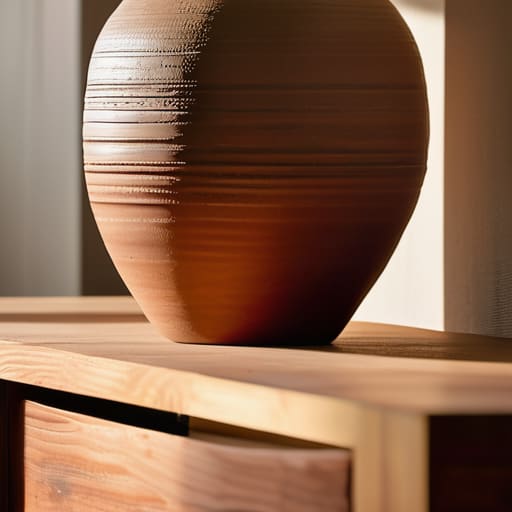
At the end of the day, choosing a ceramic vase isn’t about following a color palette you saw on a social media feed this morning. It’s about recognizing the difference between a mass-produced piece of hollow decor and a vessel that possesses genuine substance. We’ve discussed why handcrafted stoneware carries a soul that factory molds simply can’t replicate, and why modern, minimalist designs are often the smartest long-term investment for a growing home. Whether you go for the rugged texture of a kiln-fired stoneware piece or the clean lines of a contemporary vessel, the goal remains the same: prioritize quality over quantity. Don’t clutter your shelves with fragile, cheap imitations that will end up in a landfill by next season.
My advice is simple: look for the weight, the texture, and the intention behind the piece. When you find a vase that feels right in your hands, you aren’t just buying an object; you are selecting a future heirloom. Stop the cycle of mindless, disposable consumption and start building a collection that actually means something. Buy something that can withstand the movement of a life well-lived and the changing seasons of your home. If you do it right, you won’t have to go shopping for this again for another twenty years. Buy it once, buy it well.
Frequently Asked Questions
How can I tell if a ceramic vase is actually high-quality stoneware or just cheap, mass-produced clay masquerading as art?
Don’t be fooled by a shiny glaze; that’s often just a mask for poor craftsmanship. Pick it up. High-quality stoneware has a reassuring weight and a dense, solid feel—it shouldn’t sound hollow or “tinny” when you tap it. Look at the base; if it’s rough, unglazed, and substantial, you’re on the right track. If it feels light, porous, or looks like it was popped out of a plastic mold, leave it on the shelf.
Are these pieces practical for everyday use, or are they too fragile to actually hold water and flowers?
Look, I’ve spent enough time dealing with flimsy logistics to know that if a tool—or a vase—can’t handle a basic task, it’s useless. Don’t let the artistry fool you; these aren’t just delicate ornaments for a glass case. If you’re buying quality stoneware or thick-walled ceramics, they are built to hold water and weight without a problem. Just check that the glaze is fully sealed. Buy something sturdy enough to actually live with.
How do I ensure the packaging won't end up in a landfill just because the item is breakable?
Look, I get it. You want quality, but the last thing I want is a mountain of Styrofoam cluttering up my bin. Before you click ‘buy,’ check the company’s shipping policy. Look for brands that prioritize corrugated cardboard, molded pulp, or even honeycomb paper wrap. If they only use plastic peanuts, walk away. A reputable maker knows that a sturdy, well-crafted item shouldn’t require a pile of non-recyclable junk to survive the trip.
