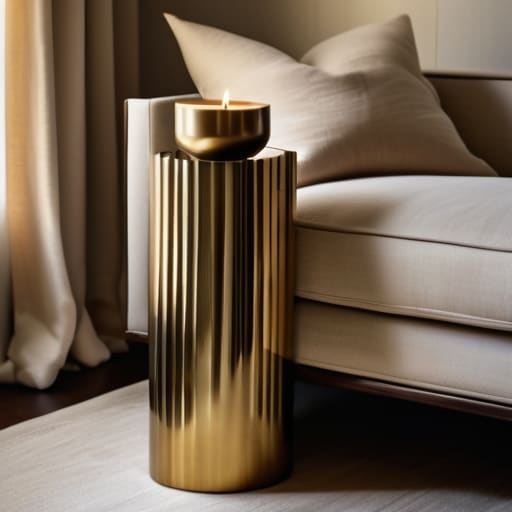
I was cleaning out my old workshop last weekend when I stumbled upon a heavy, solid brass lamp I bought back in the late seventies. It didn’t have a fancy designer label or a colorful box, but it had substance. Lately, I’ve been seeing so much “brass decor” popping up in big-box stores that is nothing more than thin, gold-painted plastic designed to look expensive for about three weeks before the coating flakes off. It infuriates me. We’ve become a society obsessed with things that look good in a photo but lack the structural integrity to actually last a lifetime.
I’m not here to sell you on some fleeting interior design trend or tell you how to follow a color palette from a magazine. What I want to do is teach you how to spot the real deal. I’ll show you how to identify genuine, heavy-duty pieces that actually hold their value and how to maintain them so they age with character rather than just falling apart. If you’re tired of throwing money down the drain on disposable junk, then let’s talk about how to build a home that actually endures.
Table of Contents
The Quiet Elegance of Antique Brass Home Accents
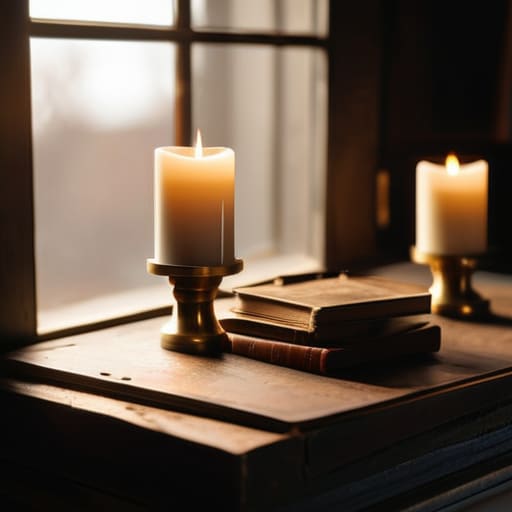
When I’m out in my workshop, I spend a lot of time working with materials that have a history. I think your home should be treated with that same respect. Instead of grabbing those shiny, plastic-coated trinkets that look like they belong in a landfill, look toward antique brass home accents. There is a certain weight to an older piece—a sense that it was actually made by someone, not just spat out by a machine. These pieces don’t scream for attention; they sit quietly on a mantle or a side table, gaining character every year they spend in your house.
The beauty of these older tones is that they don’t require you to follow every fleeting modern brass hardware trend that pops up on social media. In fact, the slight imperfections and the natural patina found on aged brass are what give a room its soul. If you find a piece that’s lost its luster, don’t toss it. A little time spent polishing brass decorative items can bring back the warmth without stripping away its history. It’s about finding items that age with you, rather than things you have to replace the moment they get a scratch.
Mastering Luxury Gold and Brass Styling With Purpose
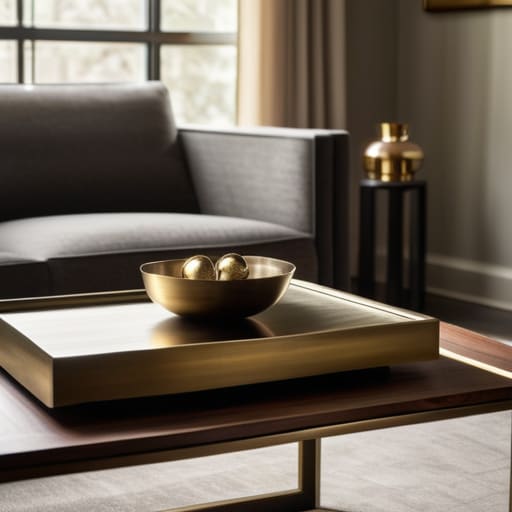
Now, if you’re going to bring these metals into your living space, don’t just scatter them around like you’re trying to win a lottery. There is a method to the madness. I’ve seen too many people fall for the trap of buying matching sets just because it’s easy, but that’s a mistake. Real style comes from mixing metal finishes in decor with a bit of intention. If you have a heavy, dark wood table, a few pieces of brushed brass interior design—like a sturdy lamp or a tray—can provide the necessary contrast without looking like you’re trying too hard.
The key is balance. You want the metals to complement each other, not fight for attention. I always say that if a piece feels flimsy or looks like it was spray-painted to look like gold, leave it on the shelf. Aim for weight and texture. Whether you are polishing brass decorative items to bring back their original luster or letting a piece age naturally, ensure every item serves a function. Luxury isn’t about how much you spend; it’s about the quality of the materials you choose to live with.
Five Rules for Buying Brass That Won't End Up in a Landfill
- Check the weight before you reach for your wallet. If a brass piece feels light or hollow, it’s likely a cheap alloy plated in a thin layer of gold-colored junk. Real brass has a substantial heft to it that tells you it was cast to last, not just to look shiny for a week.
- Embrace the patina instead of fighting it. I’ve seen people spend a fortune on chemical cleaners trying to keep everything looking like it just came off a showroom floor. Don’t bother. A bit of natural aging gives the metal character and proves it’s a real part of your home, not some plastic imitation.
- Look for solid construction, not just a surface finish. In my years in logistics, I learned that the quality of the core material dictates the lifespan of the product. Avoid “brass-finished” items; they’ll flake and peel within a year. Stick to solid brass so the beauty goes all the way through.
- Mix your metals, but do it with intention. You don’t need a matching set of everything to make a room look cohesive. A well-placed brass lamp next to some brushed steel can look excellent, provided the pieces themselves are high-quality. It’s about the integrity of the individual items, not following a catalog.
- Prioritize functional pieces over purely decorative ones. Why buy a brass figurine that just collects dust when you can buy a heavy, solid brass door handle or a well-weighted candle holder? If it doesn’t serve a purpose in your daily life, it’s just more clutter you’ll eventually have to throw away.
The Bottom Line on Brass
Stop buying gold-plated plastic that flakes off in six months; if you want the look, buy real brass that develops a genuine patina over time.
Focus on weight and substance—a quality brass piece should feel significant in your hand, serving as a functional tool rather than a hollow ornament.
Treat your purchases as long-term investments for your home, choosing timeless designs that won’t look like dated junk by next season.
## Stop Chasing Trends, Start Building a Legacy
“I’ve spent enough years in logistics to know the difference between something built to last and something built to be replaced. Most modern decor is just shiny plastic masquerading as luxury, but a real piece of brass? It has weight, it has history, and it only gets better as it ages. If you’re going to bring metal into your home, don’t buy a trinket; buy something that will still be sitting on your mantle when your grandkids are running around.”
Hugo Steenkamp
Making the Right Investment
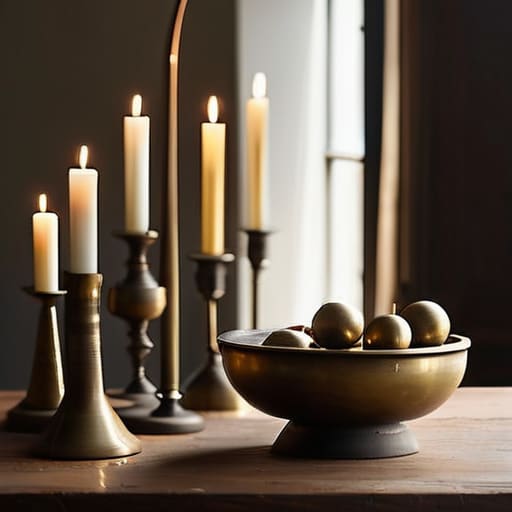
At the end of the day, decorating your home shouldn’t feel like a constant race to keep up with whatever the latest catalog is pushing. We’ve looked at how antique brass brings a sense of history to a room and how you can mix gold and brass tones without making the space look cluttered or gaudy. The common thread here is quality. Whether you are picking up a heavy brass candlestick or a solid tray, you aren’t just buying a piece of metal; you are selecting something that has the substance to endure the test of time. Don’t get distracted by those thin, plated imitations that lose their luster before you’ve even finished your first year of ownership. Buy for longevity, not for a quick fix.
My advice is simple: look for pieces that feel substantial in your hand and carry a bit of weight. A home filled with items that are built to last creates a sense of stability that no fleeting trend can ever replicate. When you choose brass, you are choosing a material that ages gracefully, developing a patina that tells a story rather than just showing wear and tear. Stop treating your living space like a showroom for disposable goods. Instead, focus on curating a collection of items that serve a real purpose and will still be sitting on your mantle when you’re long retired. Make it count.
Frequently Asked Questions
How can I tell the difference between solid brass and a cheap gold-plated coating that's just going to flake off in a year?
Look, don’t get fooled by a shiny finish. The easiest way to tell is the weight; solid brass has a substantial, heavy feel in your hand, whereas cheap plating feels light and hollow. Check the edges and any worn spots—if you see a different colored metal peeking through, it’s just a coating. Real brass develops a natural patina over time. If it looks like it’s going to flake off tomorrow, leave it on the shelf.
Is it worth the effort to polish these pieces, or should I just let them develop a natural patina over time?
That depends entirely on the piece and your own temperament. If it’s a heavy, functional item like a door handle or a lamp, I say let it age. That natural patina is just character building; it shows the item has lived a life. However, if you’ve invested in a fine decorative centerpiece, a bit of polishing keeps it from looking neglected. Personally? I prefer the patina. It’s honest, and it doesn’t require constant upkeep.
What’s the best way to clean brass without using harsh chemicals that ruin the finish?
Look, if you go out and buy those aggressive chemical sprays, you’re going to strip the character right off the piece. I’ve seen too many people ruin a good heirloom by being impatient. Keep it simple: a bit of mild dish soap, warm water, and a soft cloth. If it’s really tarnished, a paste of lemon juice and salt works wonders. Just rub gently. You want to clean it, not sand it down.
