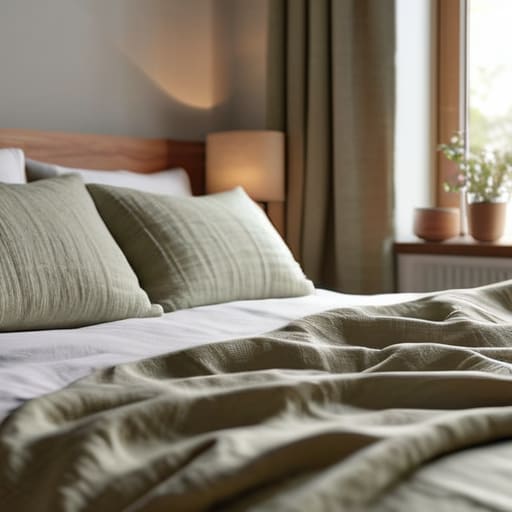
I spent thirty years in logistics, where I learned that if a part is cheap, it’s going to fail—and it’s going to fail when you need it most. Lately, I see the same mistake happening in bedrooms everywhere. People are being sold these flimsy, high-thread-count cotton blends that feel soft for a week before they turn into a wrinkled, pilling mess. They see a flashy advertisement and think they’ve found luxury, but they’re really just buying disposable junk. If you’re looking for a real linen bedding guide that actually tells you how to build a bedroom that lasts, you need to stop listening to the marketing departments and start looking at the fiber.
I’m not here to sell you on a lifestyle or a “sleep aesthetic” curated by someone who’s never worked a day in their life. My goal is simple: I want to show you how to identify genuine, heavy-weight linen that will actually get better with age rather than falling apart in the wash. I’ll walk you through what to look for, how to avoid the synthetic traps, and why buying quality once is the only sensible way to shop.
Table of Contents
Flax Linen Benefits Why Durability Trumps Every Trend
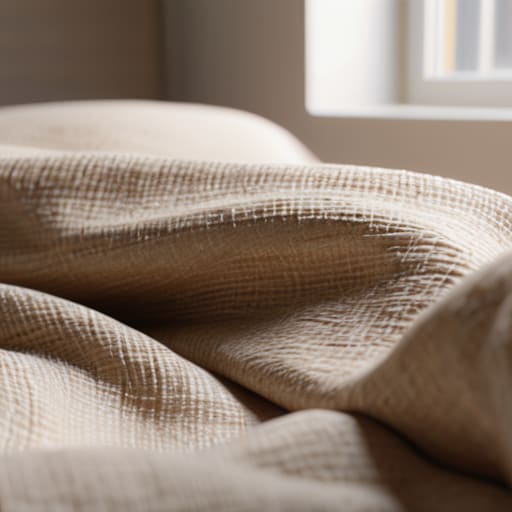
I’ve spent enough years in logistics to know that the cheapest way to do something is usually the most expensive in the long run. Most people fall into the trap of buying mass-produced cotton sets because they look smooth on a store shelf, but they don’t last. When you compare linen vs cotton sheets, the difference in longevity is night and day. Cotton fibers eventually thin out and pill, but flax is a powerhouse of a plant. The fibers are incredibly strong, meaning your bedding won’t develop those annoying holes after a dozen washes.
Beyond just staying intact, there are real functional advantages to choosing flax. It has natural moisture wicking properties that keep you from waking up in a sweat, something no synthetic “performance” fabric can truly replicate. It breathes with you. I don’t care about fancy marketing jargon; I care about a product that performs its job for a decade, not a season. Investing in linen isn’t about chasing a luxury aesthetic; it’s about buying something once and knowing it’s going to hold up through years of use.
Linen vs Cotton Sheets Choosing Substance Over Fads
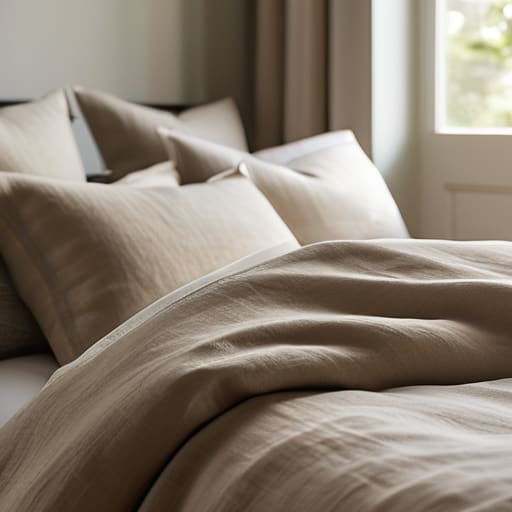
When you look at the comparison of linen vs cotton sheets, most people get distracted by how soft a high-thread-count cotton set feels in a showroom. But I didn’t spend thirty years in logistics by being swayed by surface-level appearances. Cotton is fine for a season, but it’s prone to thinning and pilling. Linen, on the other hand, is a workhorse. It’s made from the flax plant, which is naturally much tougher than the cotton plant. While cotton starts to degrade the moment you begin washing it, linen actually gains strength and character over time.
If you’re looking for sustainable bedding options that don’t require a replacement every two years, the choice is clear. Cotton often requires massive amounts of water and pesticides to produce, and much of it ends up in a landfill when the fibers break down. Linen is more efficient and, more importantly, it offers superior moisture wicking properties that cotton just can’t match. You aren’t just buying a sheet; you’re investing in a textile that handles temperature regulation far better than any trendy, synthetic blend. Stop settling for disposable fabrics.
Five Rules for Buying Linen Without Getting Ripped Off
- Check the weight, not the marketing. Don’t let a fancy brand name fool you; look for a fabric weight that feels substantial in your hands. If it feels flimsy or translucent, it won’t survive a single season of heavy use.
- Demand transparency on the source. Real linen comes from flax, and it should be clearly stated. If a company is being vague about where their material comes from, they’re likely hiding a blend of cheap synthetics.
- Ignore the “wrinkle-free” lie. Real linen is supposed to have character. If a company claims their linen stays perfectly smooth like a hotel sheet, they’ve treated it with chemicals that ruin the fiber’s natural strength. Buy the wrinkles; they’re a sign of authenticity.
- Inspect the stitching. I spent thirty years looking at how things are put together, and the seams tell the whole story. If the stitching looks thin or uneven, those sheets will unravel after three washes. Look for tight, reinforced seams.
- Prioritize OEKO-TEX certification. I refuse to bring anything into my home that’s coated in unnecessary toxins. Ensure the linen is certified to be free from harmful substances—it’s better for your skin and better for the planet.
The Bottom Line on Linen
Stop wasting money on cheap cotton blends that thin out after a few months; invest in flax linen because it’s built to endure for years, not seasons.
Look past the flashy marketing and prioritize breathability and moisture management—real quality is measured by how a fabric performs, not how it looks in a staged photo.
View your bedding as a long-term utility rather than a disposable trend; buying high-quality linen is a one-time expense that pays dividends in comfort and longevity.
## The Cost of Cheap Comfort
“I’ve spent enough years managing supply chains to know when a product is built to last and when it’s just designed to end up in a landfill. Stop throwing your money at cheap, synthetic sheets that pill after three washes; buy real linen once, and you won’t have to shop for bedding again for a decade.”
Hugo Steenkamp
Making the Right Call for Your Home
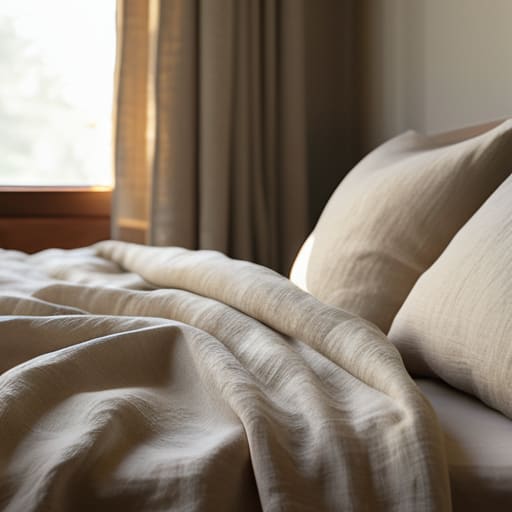
Look, I’ve seen enough supply chain cycles to know when a product is built to last and when it’s just clever marketing. We’ve covered the ground here: linen isn’t just a luxury fad; it’s a superior material that outperforms cotton in temperature regulation and, more importantly, longevity. When you choose flax linen, you aren’t just buying sheets; you are investing in a textile that actually strengthens with age rather than thinning out after a dozen trips through the wash. Stop the cycle of buying cheap, synthetic blends that end up in a landfill by next season. Buy it once, buy it well, and stop wasting your hard-earned money on disposables.
At the end of the day, your home should be a sanctuary of things that serve a purpose and endure. There is a certain quiet satisfaction in knowing that the items you surround yourself with—from the tools in my workshop to the sheets on my bed—are built on a foundation of quality. Don’t let the constant noise of online trends dictate your spending. Choose the path of substance over flash. If you invest in real linen today, you won’t be back in the market searching for replacements in six months. You’ll be sleeping soundly, knowing you made a sensible, lasting decision.
Frequently Asked Questions
How do I tell the difference between high-quality flax linen and the cheap, thin stuff that's going to pill after three washes?
Look, don’t let a fancy marketing label fool you. To spot the real stuff, feel the weight. High-quality flax linen has a substantial, slightly irregular texture—that’s the strength of the fiber. If it feels unnaturally smooth, thin, or slippery like a cheap synthetic, put it back. Also, check the weave; if you can see gaps that look flimsy rather than structured, it’s junk. Real linen is heavy, honest, and built to last decades, not weeks.
Is it actually worth the higher upfront cost, or am I just paying for a fancy label?
Look, I’ve spent my career looking at cost-per-unit and long-term depreciation. If you’re buying cheap cotton, you’re just renting a bedsheet that’ll be in a landfill by next season. You aren’t paying for a fancy label; you’re paying for the structural integrity of the flax fiber. Yes, the upfront cost stings, but linen is an investment that pays dividends in durability. Buy it once, and you won’t be back at the store in six months.
What’s the best way to wash these sheets so they actually last for years instead of falling apart in the machine?
Treat these sheets with a little respect and they’ll serve you for decades. Forget those heavy-duty, scalding cycles; they’ll shred the fibers. Use cool or lukewarm water and a mild, liquid detergent. Whatever you do, stay away from bleach and fabric softeners—they’re just chemicals designed to coat fibers and break them down prematurely. Air dry them when you can, or tumble dry on low. It’s about preservation, not speed.
