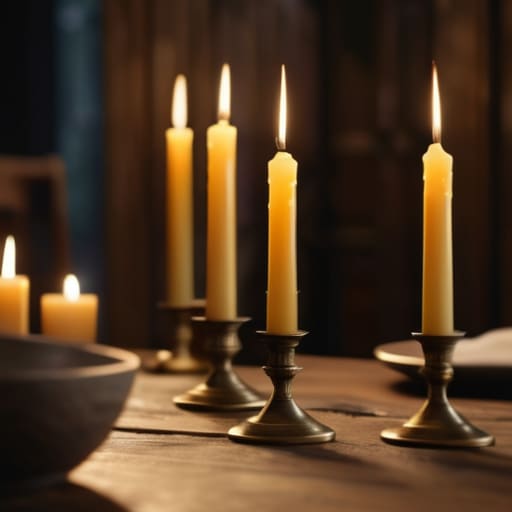
I was sitting in my workshop last Tuesday, cleaning out an old drawer, when I found a box of those flimsy, paraffin-filled taper candles I’d bought on a whim from a big-box retailer years ago. They were a disaster—warped, smelled like a chemical plant, and left a greasy, soot-covered mess on my dining table that took an hour to scrub off. It’s the same nonsense I see everywhere lately: people spending a fortune on “designer” labels only to realize they’ve purchased disposable junk that performs worse than a cheap tea light. If you’re looking for a way to light a room, don’t let the flashy marketing fool you into buying wax that’s mostly filler and fake fragrance.
I’m not here to sell you on a lifestyle or some fleeting interior design trend. My goal is simple: I want to show you how to identify real, high-quality taper candles that actually burn clean and hold their shape from the first light to the very end. I’ll tell you exactly what to look for in terms of wax composition and weight, so you can buy it once and stop wasting your hard-earned money on rubbish.
Table of Contents
Understanding Wax Candle Types and Quality
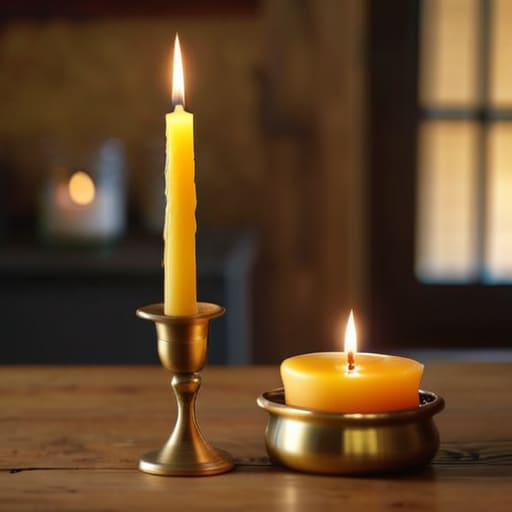
When you start looking at the shelves of a big-box retailer, you’ll see a mountain of cheap, paraffin-based sticks that look fine under fluorescent lights but perform poorly the moment you light them. Most of that stuff is just petroleum byproduct, and it burns fast, smoky, and messy. If you want to do this right, you need to understand wax candle types and quality before you open your wallet. I always steer clear of the low-grade paraffin; it lacks the structural integrity needed for a clean burn. Instead, look for beeswax or high-quality soy. Beeswax is the gold standard in my book—it’s natural, it burns longer, and it doesn’t release those nasty chemicals into your living room.
If you’re setting a table for a proper meal, I highly recommend opting for unscented taper candles for dining. There is no sense in having a heavy artificial jasmine scent competing with the aroma of a well-cooked roast. You want the atmosphere to be warm, not perfumed like a department store. Stick to solid, heavy-weight options that won’t wilt or lean as the temperature rises. It’s about substance over style, every single time.
The Practical Benefits of Dripless Taper Candles
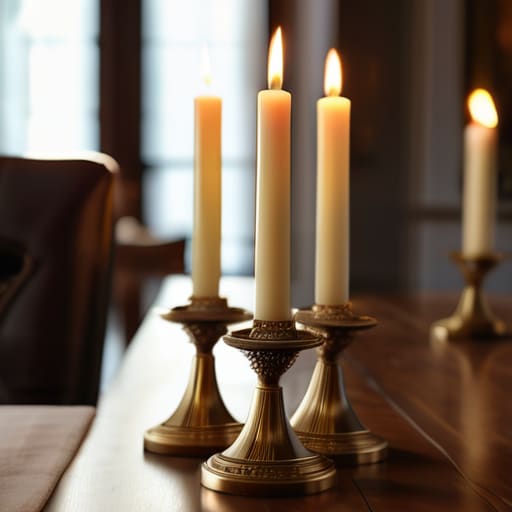
Look, I’ve spent enough time cleaning hardened wax off mahogany dining tables to know that cheap candles are a liability, not a luxury. When you opt for quality, the dripless taper candles benefits become immediately apparent. You aren’t just buying a light source; you’re buying peace of mind. A well-made, high-quality wax column holds its structural integrity as it burns, rather than collapsing into a puddle of mess. It’s the difference between a tool that works as intended and a piece of junk that creates more work for you.
Beyond the lack of cleanup, there is a practical side to how these affect your environment. If you are setting the table for a proper meal, I always suggest sticking to unscented taper candles for dining. There is no sense in having a heavy, artificial jasmine scent competing with the aroma of a good roast or a well-prepared stew. You want the ambiance to be subtle, not overwhelming. When you invest in candles that actually behave themselves, you can focus on the conversation and the meal, rather than hovering over the table with a paper towel.
Five Rules for Buying Taper Candles That Aren't a Waste of Time
- Check the weight before you buy. A quality candle should feel substantial in your hand. If it feels light and hollow like a piece of plastic, it’s likely filled with cheap fillers that will burn unevenly and leave you with a mess.
- Stick to natural waxes like beeswax or high-grade soy. I don’t care how much they smell like a department store; paraffin is a petroleum byproduct that soot-stains your walls and produces more smoke than light.
- Look for a straight, consistent pour. If you see air bubbles or uneven edges on the candle itself, the manufacturing process was rushed. A poorly made candle will lean or tip as it burns, which is a safety hazard you don’t need in your home.
- Invest in proper brass or heavy ceramic holders. Using flimsy, lightweight holders is a recipe for a tipped candle. You want something with enough heft to stay anchored on the table, no matter how much the wick burns down.
- Avoid the “scented” trap. Most mass-market scented tapers use synthetic fragrances that overwhelm the room and burn off too quickly. If you want atmosphere, use real beeswax—it has a natural, subtle honey scent that actually lasts.
The Bottom Line on Buying Tapers
Stop buying those cheap, paraffin-heavy candles that soot up your ceilings and burn out in an hour; look for high-quality beeswax or soy if you want a clean, steady burn.
If you’re tired of cleaning up wax puddles on your dining table, spend the extra few dollars on genuine dripless tapers—it’s a small investment that saves a massive amount of cleanup time.
Always check the weight and thickness of the candle before you buy; a flimsy, lightweight taper is just more disposable junk that’s going to lean and snap before the night is over.
## The Cost of Cutting Corners
“I’ve spent enough years in logistics to know that if a product is priced too low to be true, you’re paying for it later in waste and frustration. A cheap, soot-heavy candle isn’t a bargain; it’s just a mess waiting to happen. Buy a real wax taper that burns clean and steady—it’s better for your lungs, your furniture, and your wallet in the long run.”
Hugo Steenkamp
Making the Right Call
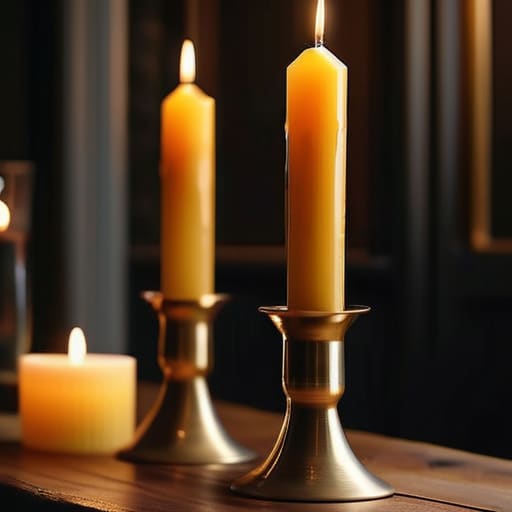
At the end of the day, choosing the right taper candle comes down to looking past the fancy packaging and focusing on what’s actually inside. You’ve learned that the type of wax matters immensely—whether it’s the clean, steady burn of beeswax or the reliable performance of a high-quality paraffin. You also know that opting for a dripless variety isn’t just about tidiness; it’s about the practical reality of not spending your evening scrubbing wax off your dining table. Don’t fall into the trap of buying those cheap, thin sticks from the discount aisle that gutter out halfway through dinner. If you take the time to invest in quality wax and sturdy construction, you’re buying a better experience for every meal and gathering you host.
My advice is simple: stop treating home essentials like they are disposable. A well-chosen candle isn’t just a piece of decor; it is a way to set a mood that lasts. When you buy things that are built to perform, you aren’t just spending money—you are rejecting the culture of waste that defines so much of modern life. Find the candles that burn clean, stay straight, and serve their purpose without a fuss. Buy them once, use them well, and let them bring a bit of timeless stability to your home.
Frequently Asked Questions
How can I tell if a candle is made from real beeswax or just cheap paraffin disguised with scents?
Don’t let a fancy label fool you; most retailers love hiding cheap paraffin behind “natural” marketing. Here’s the shortcut: smell it. Real beeswax has a distinct, subtle honey aroma that lingers even without added oils. If it smells like a chemical factory or nothing at all, it’s paraffin. Also, check the weight and color. Genuine beeswax is heavier and has a natural, warm golden hue that doesn’t look uniform or “perfect.”
What is the best way to store my candles so they don't warp or lose their shape in a warm room?
Keep them out of the sun and away from any heat vents. I’ve seen too many people leave their candles on a windowsill, only to find them slumped and useless by noon. If your house gets particularly warm, store them in a cool, dark cupboard or even the refrigerator. It sounds extreme, but keeping them in a stable, temperature-controlled environment ensures they stay straight and ready for when you actually need them.
Are there specific types of holders I should look for to ensure a heavy-duty taper doesn't tip over?
Look for holders with a wide, weighted base—nothing flimsy or top-heavy. If the base is lightweight brass or thin glass, it’s a disaster waiting to happen. You want something substantial that sits firmly on the table. Ideally, find solid metal or heavy ceramic. A sturdy base isn’t just about aesthetics; it’s about stability. If the holder can’t anchor a heavy-duty candle, it’s just more cheap junk destined for the bin.
