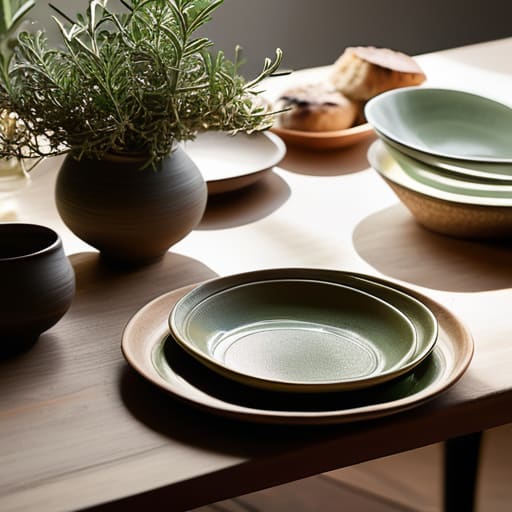
I was clearing out my daughter’s kitchen last weekend, and I couldn’t believe my eyes. She had three different sets of those thin, flimsy porcelain dishes—all because they matched the “color of the month” she saw on some social media feed. It’s a ridiculous cycle of waste. Most people think you need a different set of dishes for every occasion or aesthetic, but that’s just a way to bleed your wallet dry. If you want something that actually handles a heavy Sunday roast without chipping at the edges, you need to stop chasing trends and invest in stoneware plates. They aren’t about being “trendy”; they are about substance and durability.
I’m not here to sell you on some high-end designer brand that costs a month’s pension just because of a logo. My goal is to cut through the marketing fluff and tell you what actually holds up in a real, working kitchen. I’ll show you how to spot quality in the weight and glaze, so you can buy a set once and never worry about replacements again. Let’s get down to business and find you something that actually lasts.
Table of Contents
The Unyielding Strength of Durable Ceramic Dinnerware
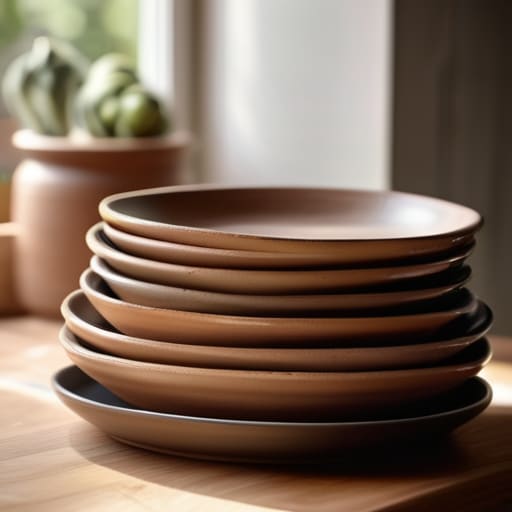
In my years managing logistics, I learned that the most expensive item is the one you have to replace three times. Most people fall into the trap of buying cheap, thin sets that chip the moment a fork hits them too hard. That’s why I always point people toward durable ceramic dinnerware. Unlike the delicate, fragile stuff you find in big-box discount aisles, high-quality stoneware is fired at much higher temperatures. This makes the material dense and incredibly resilient against the daily rigors of a busy kitchen.
It isn’t just about surviving a drop, though; it’s about practical utility. I have no interest in “decorative” pieces that sit in a cupboard because they’re too finicky to use. You want something that is dishwasher safe tableware so you aren’t spending your evening hand-washing every single meal. If you’re looking for longevity, you need pieces that can handle the heat of a microwave without cracking or losing their finish. When you stop viewing dinnerware as a seasonal fashion statement and start seeing it as a tool, you realize that investing in quality is the only way to shop.
Stoneware vs Porcelain Choosing Substance Over Surface
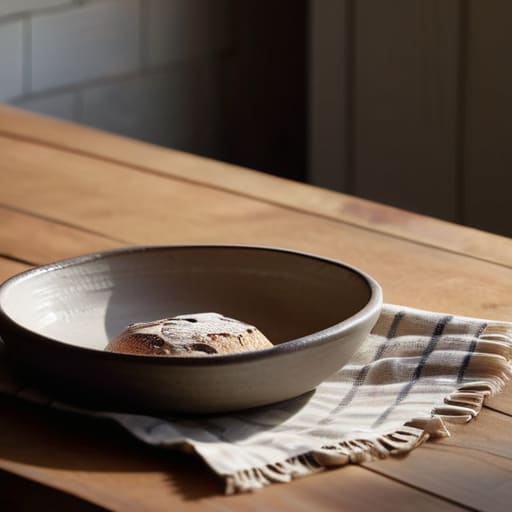
When you’re standing in the kitchenware aisle, it’s easy to get distracted by the thin, delicate sheen of porcelain. It looks expensive, sure, but in my experience, there is a significant difference between something that looks pretty on a shelf and something that can actually handle a Tuesday night dinner. When comparing stoneware vs porcelain, the real distinction lies in the density and the firing process. Porcelain is fine and lightweight, but it’s brittle; one slip against the sink and you’re looking at a crack. Stoneware, on the other hand, is fired at higher temperatures to create a much more robust, non-porous structure.
I’ve always preferred pieces that feel substantial when you pick them up. You want durable ceramic dinnerware that doesn’t feel like it might shatter if you set it down a little too firmly. Most quality stoneware is also designed for the realities of modern life—meaning it should be dishwasher safe tableware and, more importantly, microwave safe stoneware. You aren’t just buying a dish; you’re buying a tool for your home. Don’t trade long-term utility for a bit of superficial gloss.
How to Spot Real Quality Before You Open Your Wallet
- Check the weight and density. If a plate feels light and hollow like a cheap saucer, it’s going to chip the first time it hits the sink. A proper stoneware piece should have some heft to it; you want something that feels substantial when you pick it up.
- Inspect the glaze for consistency. You aren’t looking for a perfect, plastic-looking factory finish. Look for a glaze that is deeply integrated with the clay. If the surface looks like it’s just sitting on top, it’ll peel or crack under heat.
- Look for a non-porous finish. In my old logistics days, we talked about material integrity. For your kitchen, that means the plate shouldn’t absorb moisture or oils. If the glaze isn’t high-fired and tight, your plates will eventually smell like last week’s leftovers.
- Avoid the “set of 24” trap. Cheap retailers love to sell massive, low-quality sets at a discount. It’s a scam to get you to buy more junk. Buy a smaller set of high-quality pieces instead; it’s better to have six plates that last a decade than twenty-four that end up in a landfill by Christmas.
- Test the rim for smoothness. Run your finger along the edge of the plate. If there are any tiny imperfections or rough spots, walk away. Those little flaws are where the structural failures start, and they’ll eventually turn into jagged cracks.
The Bottom Line on Your Next Tableware Investment
Stop chasing thin, fragile porcelain that chips the moment life happens; choose stoneware for its density and ability to withstand daily use.
Look for pieces that balance weight and texture, ensuring they feel substantial in your hands rather than like cheap, mass-produced plastic.
Prioritize timeless designs over seasonal trends so you aren’t forced to replace your set every time a new “look” hits the internet.
The Cost of Cheapness
I’ve spent enough years managing supply chains to know that ‘cheap’ is just a down payment on a future headache; if you’re going to set a table, buy stoneware that can handle a lifetime of real use instead of something that chips the first time you look at it sideways.
Hugo Steenkamp
The Bottom Line on Your Tableware
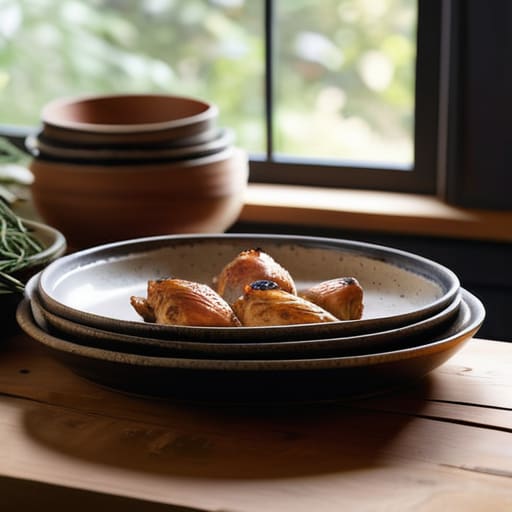
At the end of the day, choosing stoneware isn’t about following a kitchen decor trend you saw on social media; it’s about making a sensible investment in your home. We’ve looked at why the density of ceramic matters, how the thermal mass of stoneware keeps your food warm, and why you should opt for substance over the fragile, thin-walled porcelain that chips the moment life gets a little messy. If you want pieces that can handle a heavy roast, a dishwasher cycle, and the occasional bump against a sink without shattering, stoneware is the only logical choice. Stop settling for disposable-quality dinnerware that ends up in a landfill every time you move apartments or host a holiday.
My advice is simple: look at your dining table as an extension of your household’s stability. When you buy a set of quality stoneware, you aren’t just buying plates; you are buying the peace of mind that comes with knowing your tools are reliable. There is a certain satisfaction in using something that feels substantial in your hands and stays beautiful through years of use. Don’t let the marketing machine trick you into buying more junk. Buy it once, buy it well, and let your dinnerware be something that actually lasts long enough to become part of your family’s history.
Frequently Asked Questions
How do I know if these plates are actually dishwasher and microwave safe, or if they'll crack the first time they get hot?
Look, don’t just take the manufacturer’s word for it—they’re paid to say it’s fine. Check the bottom of the plate for a stamped mark; real stoneware usually has it right there. If there isn’t one, ask the seller for the firing temperature. You want something fired at high heat; that’s what makes it dense enough to handle a microwave without cracking or a dishwasher without losing its glaze. Don’t gamble on it.
Are these going to chip easily if I'm stacking them in a tight cupboard like I do with my everyday dishes?
Look, I’ve spent decades managing logistics where things get banged around in crates, so I know a thing or two about impact. If you’re stacking them tight, you need to be sensible. Stoneware is dense and much more forgiving than delicate porcelain, but nothing is invincible. To keep them pristine in a cramped cupboard, just throw a small felt protector or even a paper towel between the plates. It’s a simple fix that prevents unnecessary wear.
What's the best way to clean them to make sure the glaze doesn't wear down or get those ugly metal marks from my silverware?
Don’t go throwing them in a high-heat industrial dishwasher every night; that’s how you strip the glaze. Hand-washing with a mild soap is the safest bet for longevity. To avoid those grey metal marks from your silverware, stop scraping your forks across the surface like you’re digging a trench. Use wooden or silicone utensils when serving, and when stacking them, put a small piece of felt or a paper towel between plates to prevent scratching.
