Every year, I watch the same cycle repeat: people rush out to buy mountains of cheap, plastic trinkets that end up in a landfill before the season is even over. It’s a massive waste of hard-earned money and a clutter nightmare for anyone lucky enough to receive them. We’ve become a society obsessed with “more,” but more is often just more trouble. If you want to actually show someone you care, you need to stop chasing the latest disposable fad and start looking for minimalist gifts that actually serve a purpose. A gift shouldn’t just take up space on a shelf; it should earn its keep in a household.
In this list, I’ve narrowed down five specific items that pass my personal test for durability and utility. I’m not interested in anything flashy or temporary; I’m looking for the stuff that stays in the family for years. I’ll show you exactly what to look for so you can stop overthinking the holidays and start investing in quality. These aren’t just ideas; they are sensible choices that prioritize substance over style. Follow these guidelines, and you’ll give something that truly lasts.
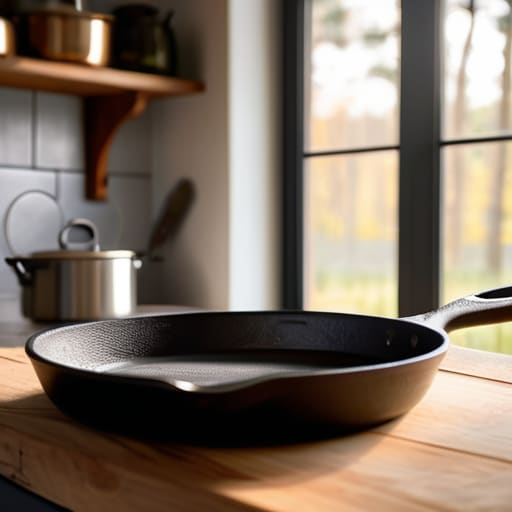
Most people today are content buying a thin, non-stick pan that will peel and flake within a year. It’s a waste of money and a waste of space in the kitchen. If you want to give a gift that actually means something, get them a heavy-duty cast iron skillet. It’s a tool that doesn’t rely on chemical coatings to do its job; it relies on quality material and proper care.
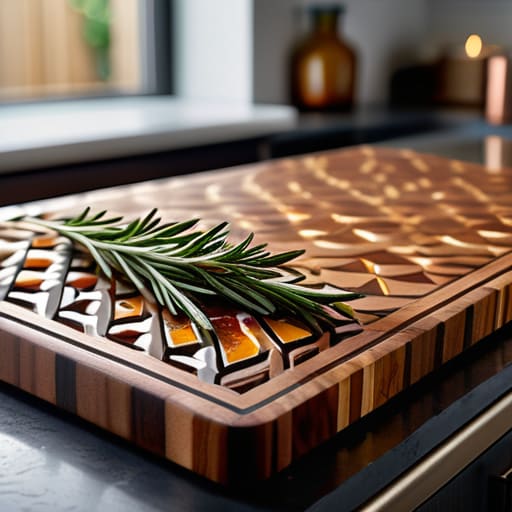
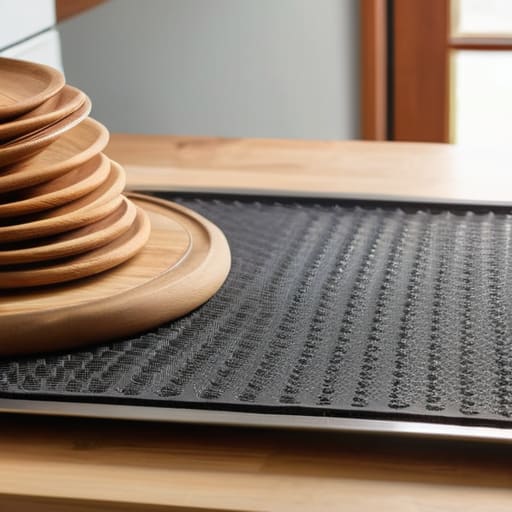
Solid Wood Cutting Board
I see way too many plastic cutting boards being sold in big-box stores. They scratch easily, they harbor bacteria, and they look utterly cheap on a countertop. If you’re looking for a gift that fits a minimalist lifestyle, look toward a thick, end-grain wooden cutting board. It’s a piece of functional art that actually stands up to heavy use.
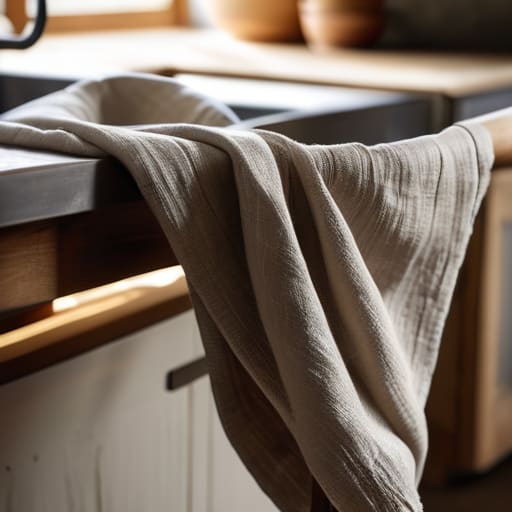
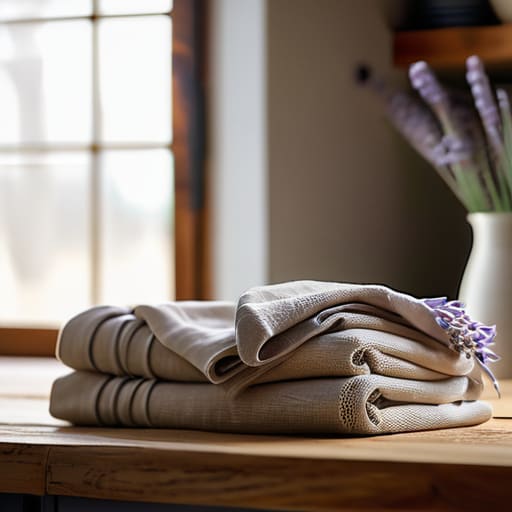
High-Quality Linen Bedding
We spend a third of our lives in bed, yet people insist on buying cheap, synthetic sheets that feel like plastic and pill after three washes. That’s just bad logistics applied to personal comfort. Instead, consider a set of pure linen sheets. Linen is a natural fiber that is incredibly durable and actually becomes softer the more you use it.
A Precision Chef's Knife
A kitchen full of specialized gadgets is a sign of a cluttered mind. Most people don’t need a garlic press, a strawberry huller, and a specialized egg slicer; they just need one exceptional knife. A single, high-carbon steel chef’s knife can handle almost any task thrown at it if it’s built with proper craftsmanship.
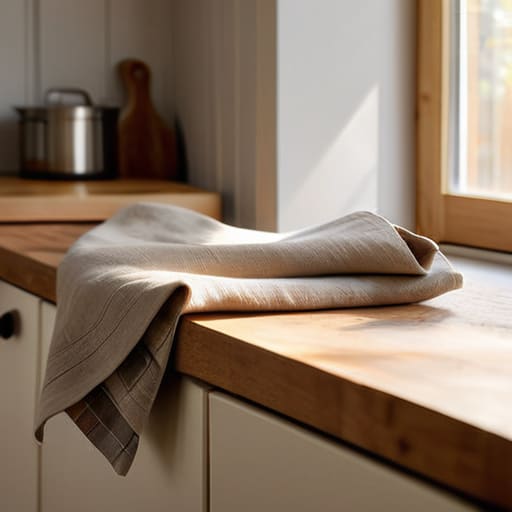
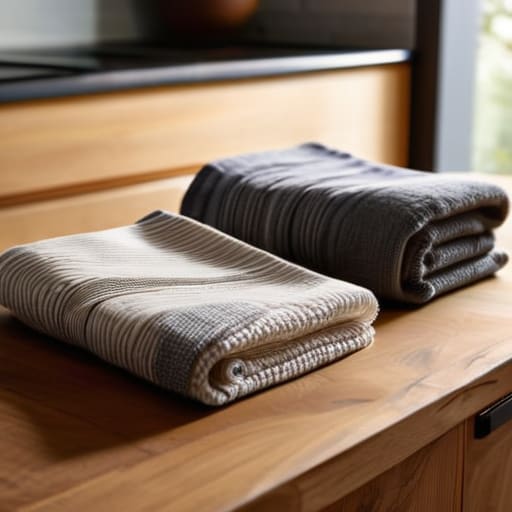
Heavyweight Cotton Throws
I’m tired of seeing those lightweight, synthetic fleece blankets that look nice on a screen but feel like nothing in your hands. They’re designed to be disposable. If you want to give something meaningful, find a heavy-weight, 100% cotton weave throw. It has a weight and a texture to it that tells you immediately it was made to last.
The Bottom Line on Buying Better
Stop chasing cheap novelty items that will end up in a landfill by next season; if it doesn’t have a clear purpose, don’t buy it.
Prioritize build quality and materials over clever packaging or trendy aesthetics to ensure the gift actually lasts.
True minimalism isn’t about owning nothing, it’s about owning things that work well and serve a real function in a person’s daily life.
On the Value of a Gift
A gift shouldn’t be a burden of clutter that someone has to find a place for; it should be a tool, a utility, or a piece of quality that earns its spot in a home by simply being useful.
Hugo Steenkamp
Making the Choice to Buy Better
At the end of the day, choosing a minimalist gift isn’t about being stingy or giving less; it’s about giving better. Whether you opted for a high-quality kitchen tool that will survive a decade of heavy use, or a simple, durable piece of stationery, you’ve avoided the trap of adding to the world’s landfill. We’ve looked at items that prioritize utility over flash and longevity over novelty. By focusing on these five categories, you are ensuring that your gesture doesn’t just sit in a drawer gathering dust, but actually becomes a useful staple in their daily routine.
I spent thirty years watching logistics chains move millions of pieces of junk across the ocean, most of which ended up in a scrap heap before the year was out. It’s a waste of resources and a waste of your hard-earned money. My advice is simple: stop following the noise of every new gadget or seasonal fad. When you give something that is built to last, you are giving a gift that carries weight and respect. Aim to buy it once and buy it well. That is how you build a home, and that is how you show someone you truly value them.
Frequently Asked Questions
How can I tell if a "minimalist" product is actually built to last or if it's just another piece of cheap junk in a plain box?
Don’t let a clean, white box fool you. “Minimalist” is often just a marketing term for “we stripped out the quality to save a buck.” To find the real deal, look at the weight and the joints. If it’s wood, check for solid construction rather than veneer. If it’s metal, it should feel substantial, not hollow. If the description is all vague “aesthetic” buzzwords and no technical specs, walk away. Real quality doesn’t need a fancy label.
Is it better to buy one high-quality item or a few smaller, useful things that won't clutter up the house?
Look, if you’re asking me, the answer is simple: buy the one high-quality item. I spent thirty years in logistics; I know exactly how much waste is created by a dozen cheap, mediocre gadgets that end up in a landfill within a year. One well-made tool or piece of kitchenware serves a purpose for a lifetime. A handful of small things just becomes clutter that you’ll eventually have to clear out. Buy it once, buy it well.
How do I find meaningful gifts for people who already claim they don't want any more "stuff"?
Look, when someone says they don’t want “stuff,” they’re usually telling you they’re tired of managing clutter. Don’t ignore them. Instead of a knick-knack that’ll sit in a drawer, look for consumables or experiences. A high-quality bottle of olive oil, a bag of decent coffee, or a gift card to a local hardware store—these things serve a purpose and then they’re gone. You aren’t adding to their inventory; you’re adding value to their day.
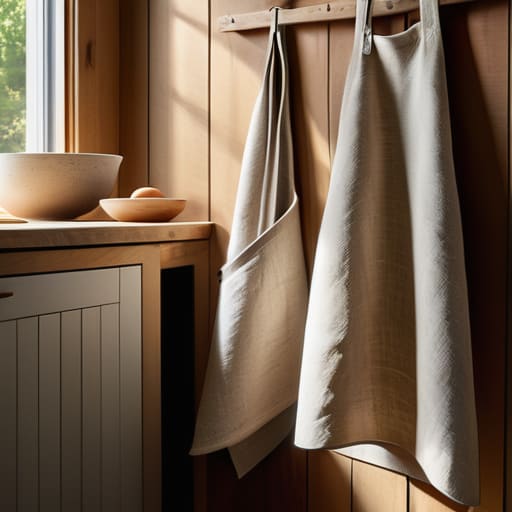
I was in my workshop last Tuesday, trying to clean some old plane irons, when I realized my old cotton apron had finally given up the ghost. It was frayed at the edges, thin as a sheet of paper, and honestly, a complete waste of money. It’s the same story I see everywhere lately: people buying these cheap, synthetic “kitchen accessories” that look fine on a screen but fall apart the moment they hit a bit of heat or a splash of grease. I’m tired of seeing folks throw money down the drain on disposable junk. If you’re looking into linen aprons, you’ve likely seen the high-end boutique versions priced like they’re made of gold thread. Let me tell you, most of that is just marketing fluff designed to separate you from your hard-earned cash.
I’m not here to sell you on a lifestyle or a trend. I’m here to tell you how to find a piece of gear that actually earns its keep. I’ve spent my career looking at supply chains and durability, and I know the difference between a well-made tool and a seasonal fad. In this guide, I’m going to cut through the nonsense and show you exactly what to look for in linen aprons so you can buy it once and never have to think about it again.
I’ve spent enough years in logistics to know that material composition isn’t just a spec on a sheet; it’s the difference between a tool that works and a piece of trash. Most modern kitchen gear is made from thin, synthetic blends that trap heat and shred the moment they hit a heavy wash cycle. That’s not how you build a kitchen. When you invest in durable linen textiles, you’re choosing a fiber that actually gains character over time. Unlike those flimsy polyester rags that pill and lose their shape, linen gets softer and more resilient with every single wash.
It’s also about common sense when things get hot in the kitchen. I don’t have time for heavy, suffocating fabrics when I’m working near a stove. These sustainable fabric aprons offer the kind of breathability you just can’t get from cheap synthetics. They wick moisture and allow for airflow, which is vital if you’re actually doing any real work. You aren’t just buying a piece of clothing; you’re buying a piece of equipment that is built to stand the test of time.
Why Sustainable Fabric Aprons Outlast Every Passing Trend
I’ve seen enough “fast fashion” trends in my time to know they are nothing more than a way to separate fools from their hard-earned money. You see these cheap, synthetic aprons in every big-box store, promising to make you look like a professional chef, but they’re made of plastic-heavy blends that won’t survive a single heavy scrub in the wash. They lose their shape, they pill, and eventually, they end up in a landfill. I don’t have time for that kind of waste.
When you invest in sustainable fabric aprons, you aren’t just buying a piece of cloth; you’re buying longevity. Natural fibers have a way of getting better with age, unlike those flimsy polyester imitations that degrade the moment they hit high heat. These natural fiber kitchen accessories handle the rigors of a busy kitchen—spills, heat, and constant washing—without losing their structural integrity. If you want to stop the cycle of buying something new every six months, stick to materials that were built to endure. It’s simply common sense.
How to Spot a Quality Apron Before You Waste Your Money
Check the weight of the fabric. If it feels thin and translucent like a cheap curtain, put it back on the shelf. You want a heavy-weight linen that has some actual substance to it.
Look closely at the stitching, especially around the neck strap and waist ties. If the threads look loose or the pattern is uneven, it’s going to unravel the first time you actually use it in a kitchen.
Avoid anything with excessive, unnecessary decorative frills. In my experience, those little extra bits of fabric just get caught in things or stained by grease, and they serve no real purpose.
Ensure the ties are substantial. A flimsy string won’t hold up to a long day of work; look for wide, sturdy linen strips that can be tied securely without slipping.
Inspect the pockets. They should be sewn into the main body of the apron, not just tacked onto the surface. A poorly attached pocket is a liability the moment you put a heavy tool or a phone in it.
The Bottom Line on Linen
Stop wasting money on thin, synthetic aprons that shred the first time they hit a hot stove or a sharp tool; invest in heavy-duty linen that actually gains strength with every wash.
Real value isn’t found in a cheap price tag today, but in a garment that stays in your kitchen for a decade instead of ending up in a landfill next season.
Look for weight and weave over fashion; a sturdy linen apron is a functional tool for your home, not a disposable accessory.
A Lesson in Longevity
“I’ve spent my life watching supply chains move cheap, disposable rubbish across the globe, only for it to end up in a landfill six months later. A heavy linen apron is the exact opposite of that nonsense; it’s a tool that gets better with every wash and every year of hard work.”
Hugo Steenkamp
Making the Right Choice
At the end of the day, choosing a linen apron isn’t about following some kitchen fashion trend; it’s about making a sensible investment in your daily life. We’ve looked at why the structural integrity of linen beats out those thin, synthetic blends, and why choosing a sustainable fabric is the only way to avoid the cycle of constant replacement. When you opt for a heavy-duty linen, you aren’t just buying a piece of cloth; you are securing a tool that handles heat, resists wear, and actually improves with every single wash. Stop wasting your hard-earned money on those flimsy, disposable options that end up in a landfill before the season is even over. Buy for longevity, not for looks.
I’ve spent my career looking at supply chains and seeing exactly how much waste is generated by products designed to fail. It’s frustrating, but it’s avoidable. When you step into your kitchen, you deserve equipment that works as hard as you do. A good linen apron is a testament to the idea that quality still matters in a world obsessed with the temporary. So, do yourself a favor: skip the cheap junk, invest in something sturdy, and choose a piece that will be sitting on your hook ten years from now. Buy it once, buy it well, and make it count.
Frequently Asked Questions
How do I actually clean these things without ruining the fabric?
Look, don’t go treating a quality linen apron like a piece of fast-fashion junk. Throw it in the wash on a cold, gentle cycle with some mild detergent. Avoid the heavy-duty settings; you aren’t scrubbing a concrete floor. Most importantly, skip the dryer. High heat is the enemy of good fibers. Hang it up to air dry. It might wrinkle, but that’s part of the character. Treat it with respect, and it’ll last decades.
Is there a difference in quality between heavy-duty linen and the cheaper stuff you see online?
There’s a massive difference, and it’s usually found in the weight and the weave. That cheap stuff you see online is often thin, loosely spun, and designed to look decent in a photo before it falls apart in the wash. Real, heavy-duty linen has a substantial heft to it. It feels rugged, holds its shape, and actually gets better with age. If it feels flimsy in your hands, it’s junk. Don’t waste your money.
Will a linen apron actually protect my clothes from grease and heavy kitchen spills?
Look, if you’re expecting a waterproof plastic sheet, you’re looking in the wrong place. But if you want something that actually stands up to the rigors of a real kitchen, linen is the answer. The tight weave of high-quality linen acts as a formidable barrier against grease and heavy splashes. It doesn’t just sit on top of the fabric; it absorbs and deflects. It’s a functional tool, not a fashion statement.
I was sitting in a crowded airport terminal last month, surrounded by the relentless drone of jet engines and screaming toddlers, trying to find a moment of peace. I had spent a small fortune on a pair of “premium” headphones I’d seen advertised everywhere, only to realize within twenty minutes that the plastic headband felt like it would snap if I breathed on it too hard, and the noise cancellation was nothing more than a mild suggestion. It’s frustrating how most noise cancelling headphones reviews online focus on flashy software features or how many colors a brand offers, rather than asking if the damn things are actually built to last or if they’ll end up in a landfill by next Christmas.
I’m not here to sell you on the latest tech fad or help you chase a trend that will be obsolete in six months. My goal is to cut through the marketing fluff and provide you with a practical guide based on durability and real-world performance. I will show you which models actually silence the world and which ones are just expensive plastic gimmicks. If you want to buy something once and buy it well, you’re in the right place.
Sony WH-1000XM5 Noise Cancelling Headphones: At a Glance
A reliable, high-performance piece of kit that actually delivers on its promise to shut out the world, provided you can stomach the premium price tag.
Overall Rating: 9/10
Key Specs
Battery Life: 30 Hours
Connectivity: Bluetooth 5.2
Pros
Exceptional noise cancellation that handles low-frequency hums with ease.
Build quality feels substantial enough to survive a daily commute.
Cons
The non-folding design takes up more room in a travel bag than I'd like.
The price point is steep, even if the longevity justifies it.
First Impressions Design
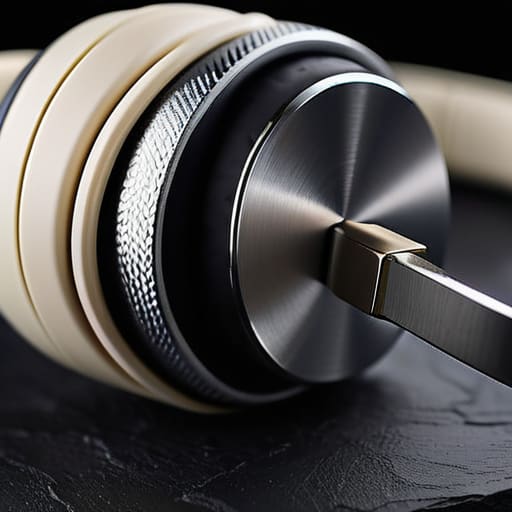
When I first pulled these out of the box, the first thing I looked for wasn’t the brand name, but the build quality. I’ve spent enough years in logistics to know that if a product feels like a hollow toy in your hands, it’s going to fail you when you actually need it. These don’t feel like that. There’s a certain substantiality to the hinge mechanism and the headband that tells me these aren’t destined for a landfill by next Christmas.
The aesthetic is understated—no flashing LEDs or gaudy neon accents that scream “look at me.” It’s a functional, clean design that fits my preference for things that are timeless rather than trendy. In the debate of over-ear vs in-ear noise cancellation, I’ve always leaned toward the larger cups. They provide a natural physical seal that small buds just can’t replicate, and frankly, they feel much more durable.
The padding on the ear cups is thick and well-stitched. I tested them for an hour immediately, and they didn’t pinch or feel like they were made of cheap, thin foam. If you are looking for the best headphones for deep work and focus, you need something you can wear for four hours without needing a break to massage your ears. These feel like they were built to be tools, not toys.
Key Features in Action
When I put these on, I wasn’t looking for a fancy light show or a mobile app that demands my data; I wanted to see if the tech actually did its job. I took them into my workshop, a place usually filled with the constant, irritating drone of a shop vac and the hum of the ventilation system. The moment I toggled the switch, that low-frequency roar simply vanished. It isn’t magic, but the noise cancellation technology explained in the manual actually delivers on its promise by neutralizing those consistent, heavy sounds that usually drive me mad.
I also spent a few afternoons using them for what I call “deep work” sessions—reading and organizing my files. If you are looking for the best headphones for deep work and focus, you need something that doesn’t just muffle sound, but creates a vacuum of silence. These managed to drown out the neighbor’s lawnmower without making my ears feel like they were under high pressure, which is a common flaw in cheaper models. I also tested the transition between my phone and my laptop. In my line of work, efficiency was everything, and the seamless switching here meant I wasn’t fumbling with settings every time a call came in. It’s reliable, predictable performance, which is exactly what I look for.
Real World Performance
I didn’t put these through their paces in a quiet study; I put them through the gauntlet of everyday life. I took them on a cross-country train ride and wore them through a crowded hardware store—the kind of place where the constant hum of machinery usually makes my head ache.
In terms of pure isolation, these are some of the best headphones for deep work and focus I’ve tested in years. When I toggled the ANC on, the low-frequency drone of the train engine didn’t just fade; it practically vanished. It wasn’t that artificial, pressurized feeling you get with some cheap models, either. It felt natural. I found myself actually concentrating on my book rather than fighting the environment.
I also spent some time comparing the over-ear vs in-ear noise cancellation during a particularly loud afternoon at a local cafe. While those tiny earbuds are convenient for a quick jog, they simply cannot compete with the physical seal and the sheer power of these cups. If you are looking for top rated wireless headphones for travel, you need that heavy-duty isolation. They didn’t just muffle the chatter around me; they created a private sanctuary. It’s the difference between a temporary fix and a proper tool that does exactly what it claims to do.
Comparison With Alternatives
Now, I know what you’re thinking. Why spend this much on one pair of headphones when you can pick up a handful of budget models for the same price? The answer is simple: durability and actual performance.
When you look at the current market, you’re often forced to choose between over-ear vs in-ear noise cancellation. While those tiny earbuds are convenient for a quick commute, they simply cannot compete with the physical seal and driver size of a proper over-ear set. If you want to truly disappear into your work, you need the isolation that only a dedicated headset provides.
I’ve looked at several of the top rated wireless headphones for travel recently, and most of them fall into the same trap. They boast impressive specs on the box, but the moment you try to use them for four hours straight, the comfort fails or the plastic begins to creak. Compared to the heavy hitters in the industry, this model holds its own by prioritizing build quality over flashy, unnecessary gimmicks. Many competitors are chasing trends with touch-sensitive panels that glitch out after six months; I’d much rather have tactile buttons that actually work every single time I reach for them. Don’t get distracted by the cheap alternatives—they’ll cost you more in the long run.
Who Is This Product for
Now, I’m not in the business of telling you what to buy just because a shiny advertisement says so. I want to tell you if these are actually worth your hard-earned money based on how you live your life.
If you are the type of person who spends half their life in transit, these are likely the top rated wireless headphones for travel you’ve been looking for. I’ve spent enough time in noisy terminals to know that you need something that doesn’t just muffle the sound, but actually shuts the world out. If you value a bit of peace while crossing time zones, these will serve you well for years.
On the other hand, if you are a professional looking for the best headphones for deep work and focus, you’ll find these indispensable. I know what it’s like to try and get a job done when the environment around you is pure chaos. These are built for the person who needs to create a private sanctuary in a crowded room to actually get things done.
However, if you’re just looking for something cheap to toss in a gym bag for a quick workout, keep looking. These are precision instruments, not disposable plastic. They are for the person who wants to buy something once and never have to worry about it again.
Value for Money Final Verdict
Now, let’s get down to the brass tacks: is this actually worth your hard-earned cash? I’ve spent my career looking at spreadsheets and supply chains, so I don’t care much for marketing fluff. I care about the bottom line. When you look at the price tag on these, you aren’t just paying for a brand name; you are paying for the build quality and the longevity of the components.
In a market flooded with disposable plastic, these stand out because they feel substantial. If you are looking for the best active noise cancelling headphones 2024 has to offer, you have to weigh the initial cost against how many years they’ll actually last. I’d much rather pay a premium now for a piece of kit that survives a decade of travel than buy a budget pair every eighteen months.
My final verdict? If you need a reliable tool for your daily life—whether that’s for a long-haul flight or finding the best headphones for deep work and focus in a noisy house—these are a solid investment. They aren’t cheap, but they aren’t a waste. Buy them once, use them well, and stop cycling through junk. It’s a sound decision.
Five Things to Look for Before You Open Your Wallet
Don’t get blinded by the sleekness; check the hinge quality and the headband padding. If the plastic feels thin or the joints creak when you move, those headphones are destined for a landfill within a year.
Test the battery longevity under actual heavy use, not just the manufacturer’s “optimistic” laboratory numbers. You want a pair that can survive a long-haul flight or a full work week without needing to be tethered to a wall every few hours.
Look for physical buttons over finicky touch controls. In my experience, trying to swipe a piece of glass to adjust volume while you’re on the move is a recipe for frustration; a tactile click is much more reliable.
Prioritize comfort for long-term wear. A pair of headphones might sound great for ten minutes, but if the clamping force is too high or the ear cups don’t breathe, they’ll be nothing more than an expensive headache after an hour.
Demand a solid warranty and replaceable parts. I refuse to support the “disposable” tech culture. If a company won’t stand behind their build quality with a real guarantee, they don’t deserve your hard-earned money.
The Bottom Line
Stop looking for the cheapest pair on the market; these headphones are built with enough structural integrity to actually survive being tossed in a travel bag daily.
The noise cancellation isn’t some gimmicky software trick—it’s a functional tool that provides genuine silence, making it worth every cent for anyone who values peace.
If you want a product that avoids the “disposable” cycle and will still be functioning well after years of heavy use, this is a sensible investment.
A Hard Truth About Modern Tech
Most of these reviews will try to sell you on flashy bells and whistles that’ll be obsolete by next Christmas; I’m not interested in gadgets, I’m interested in whether these headphones can actually deliver a moment of peace and stay in one piece for the next five years.
Hugo Steenkamp
The Bottom Line
After putting these headphones through their paces, the verdict is clear. You aren’t just paying for a brand name or a flashy logo; you are paying for the engineering that keeps the world at bay. From the build quality that feels substantial in your hands to the way the noise cancellation handles a crowded room without clipping the audio, this is a piece of kit that meets my standards. While there are certainly cheaper options cluttering the market, most of them are nothing more than disposable plastic that will end up in a landfill by next year. If you want consistent performance and a battery that doesn’t quit on you mid-flight, this is a sound investment that justifies every cent.
At the end of the day, my philosophy hasn’t changed since my days in logistics: efficiency and durability are everything. We live in a culture that celebrates the “new” every single week, but there is a quiet dignity in owning something that actually works the way it’s supposed to. Don’t let the endless cycle of tech upgrades distract you from finding tools that serve a genuine purpose. Stop settling for mediocre gear that forces you to replace it every twelve months. Buy something that is built to last, use it until it’s worn out, and stop wasting your hard-earned money on the junk.
Frequently Asked Questions
How long can I actually expect the battery to hold up before it starts losing its charge?
Look, I’ve spent enough time in logistics to know that a spec sheet is often just marketing fluff. They’ll claim forty hours, and you might get thirty-eight if you’re lucky. In my experience, you should expect the battery to hold its ground for about 30 to 35 hours of actual use. Don’t be surprised if it starts dipping slightly after a year, but if it dies in six months, send it back.
Are these built with enough durability to survive being tossed in a travel bag, or is it all just flimsy plastic?
Look, I’ve spent enough time in logistics to know that “portable” shouldn’t mean “fragile.” I’ve seen too many gadgets made of thin, brittle plastic that crack the moment you apply real pressure. These aren’t built like toys. The chassis has a solid, reassuring weight to it, and the hinges don’t feel like they’ll snap if you look at them wrong. You can toss them in a travel bag without holding your breath, provided you use a decent case.
Will the noise cancellation still work effectively after a year or two of regular use, or will the tech just become obsolete?
Look, I’ve seen enough machinery in my time to know that hardware outlasts software. The physical noise-canceling components—the microphones and the drivers—won’t suddenly stop working just because the calendar turned. However, you have to be smart. Don’t buy into the hype of “cutting-edge” tech that relies on a proprietary app to function; if the company goes bust, your headset becomes a paperweight. Stick to the established brands that prioritize build quality and long-term firmware support.
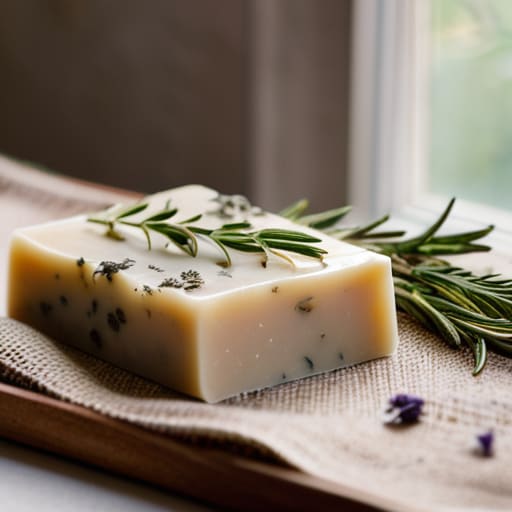
I was out in the workshop last Saturday, cleaning the grease and sawdust off my hands, when I realized I’d wasted half a bottle of some “luxury” scented liquid nonsense that felt more like dish detergent than anything meant for skin. It’s infuriating how the modern market tries to sell you overpriced, water-heavy sludge in massive plastic bottles, claiming it’s premium when it’s really just expensive filler. I’ve spent my life managing supply chains, and I can tell you from experience: if you’re paying for ninety percent water and a fancy label, you’re being taken for a ride. We need to get back to basics with a real bar of natural soap that actually does its job without the chemical circus.
I’m not here to sell you on some fleeting wellness trend or a product wrapped in three layers of non-recyclable plastic. My goal is simple: I want to show you how to identify a bar that is built to last and actually respects your skin. I’ll be sharing what to look for in ingredients, how to spot the marketing gimmicks, and how to find products that offer real value for your money. Let’s stop wasting our hard-earned cash on disposable junk and start buying things that actually serve a purpose.
The Cold Process Soap Benefits You Can Actually Feel
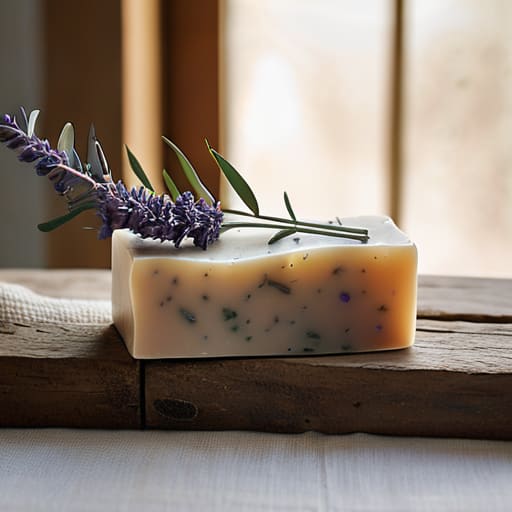
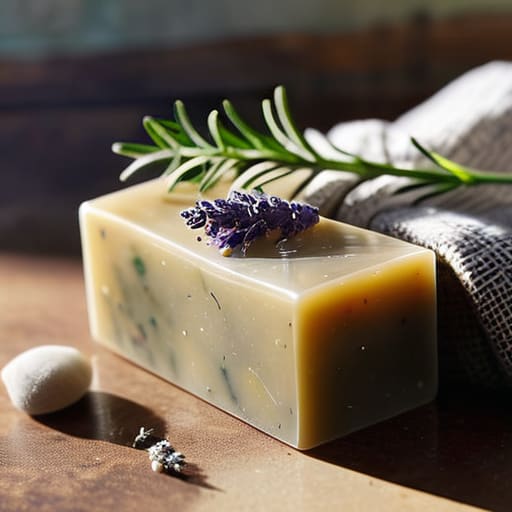
Most of the bars you see sitting on supermarket shelves are little more than glorified detergents. They’re mass-produced, stripped of anything useful, and packed with synthetic foaming agents that leave your skin feeling tight and parched. When I look for something to use in my own bathroom, I look for the old-fashioned way: cold process soap. Because this method doesn’t use high heat, it preserves the integrity of the oils. You aren’t just washing away dirt; you’re benefiting from sulfate free cleansing that respects your skin’s natural barrier rather than stripping it bare.
The real difference is in the substance of the bar itself. A properly made cold process soap is dense, sturdy, and doesn’t turn into a pile of mush after three uses. By utilizing organic botanical ingredients, makers can create a product that actually provides nourishment. You can feel the difference in the lather—it’s creamy and substantial, not that thin, chemical bubble you get from the cheap stuff. If you want a product that serves its purpose and lasts, this is where you put your money.
Sulfate Free Cleansing a Choice for Longevity
Most of the “cleansers” you find on supermarket shelves these days are nothing more than glorified detergents. They’re packed with harsh chemicals designed to create a mountain of bubbles, but they strip your skin of its natural oils in the process. I’ve seen enough supply chains to know when a company is cutting corners to save a buck. They swap out quality fats for cheap, synthetic foaming agents that leave you feeling tight and itchy. When you opt for sulfate free cleansing, you aren’t just following a trend; you’re choosing a product that respects the biology of your skin rather than attacking it.
A real bar made through proper methods relies on the natural glycerin produced during the saponification process. This is where you see the real value. Instead of those aggressive chemicals, you get a wash enriched with organic botanical ingredients that actually nourish the skin as you clean. It’s a more efficient way to manage your personal care. You aren’t just washing away dirt; you’re maintaining your body’s natural barrier. It’s about buying something that does its job properly without causing unnecessary irritation.
Five Ways to Stop Wasting Money on Poorly Made Soap
Check the ingredients, not the marketing. If you see long lists of chemical names you can’t pronounce, put it back on the shelf; real soap should be made from simple, honest oils and fats.
Look for bar density. A good, natural bar should feel heavy and solid in your hand, not light and airy like those cheap, mass-produced pucks that dissolve into mush after three uses.
Demand better packaging. I won’t touch anything wrapped in layers of unnecessary plastic; look for brands that use paper or cardboard that you can actually recycle once the bar is gone.
Prioritize scent over “fragrance.” Avoid anything labeled simply as “fragrance” or “parfum,” which is often just a cocktail of synthetic junk; stick to essential oils that actually come from plants.
Buy in bulk when it makes sense. If you find a quality maker that produces a soap that lasts, buy a few bars at once to save on shipping and ensure you aren’t left with nothing but a half-empty bottle of liquid nonsense.
The Bottom Line on Better Soap
Stop wasting money on mass-produced bars filled with harsh sulfates; they strip your skin and force you to buy more product just to feel clean.
Look for cold-process methods that preserve the integrity of the ingredients, ensuring you get a sturdy bar that actually lasts longer in the soap dish.
Prioritize real, honest ingredients over flashy marketing; if it isn’t made to endure and serve a purpose, it’s just more clutter for your home.
The Cost of Cheap Suds
“Most of what you see on supermarket shelves isn’t soap at all; it’s just engineered detergent in a fancy wrapper. If you want something that actually cleans without stripping your skin bare, stop chasing the cheap, bubbly stuff and start looking for ingredients that have been around longer than a marketing campaign.”
Hugo Steenkamp
Making the Right Call for Your Home
At the end of the day, choosing a natural soap isn’t about following some fancy wellness trend you saw on social media. It’s about basic common sense. We’ve looked at why the cold process method is superior for preserving quality, and why stripping your skin with harsh sulfates is a waste of both your money and your health. When you stop buying those mass-produced, chemical-laden bars that dissolve into nothingness in a week, you realize that real value lies in the ingredients. You aren’t just buying a way to get clean; you are investing in a product that actually does its job without leaving a mess of plastic waste behind. It is about buying things that work the way they are supposed to.
My advice is simple: stop settling for the cheap, disposable junk that fills the supermarket shelves. A home should be a place of quality, and that extends even to the smallest items in your bathroom cabinet. If it doesn’t serve a purpose and it doesn’t last, it doesn’t belong in your life. Take a moment to look at what you’re actually spending your hard-earned money on. When you choose to invest in quality, you aren’t just taking care of yourself; you’re reclaiming a standard of living that values substance over flash. Buy it once, buy it well, and make it count.
Frequently Asked Questions
How can I tell if a bar of soap is actually natural or just clever marketing in a brown paper wrapper?
Don’t let a rustic brown wrapper fool you; that’s just aesthetics, not quality. To see if a soap is the real deal, flip it over and read the ingredient list. If you see long, unpronounceable chemical names or synthetic detergents, put it back. A proper natural bar uses recognizable oils—like olive, coconut, or shea—and nothing else. If it doesn’t list the actual fats used to make it, it’s just marketing fluff.
Does real, cold-process soap actually last longer on the soap dish, or does it turn to mush faster than the cheap stuff?
Here’s the truth: if you leave a quality bar sitting in a puddle of water, it’ll mush up regardless of what it’s made of. But there’s a difference. Those cheap, mass-produced detergents are mostly air and fillers; they dissolve into nothingness almost instantly. A proper, dense cold-process bar has real substance. Use a draining soap dish, keep it dry between uses, and you’ll find it outlasts those flimsy, supermarket scraps every single time.
If I'm switching from standard drugstore brands, will the change in texture or scent be a major adjustment?
Look, if you’re used to those neon-colored, chemical-heavy bars from the drugstore, yes, you’ll notice a difference. Real soap doesn’t feel like a slick, synthetic film; it feels substantial. The scent won’t hit you like a perfume factory, either—it’ll be subtle and honest, not artificial. It takes a day or two to adjust, but once you realize you aren’t stripping your skin dry, you won’t go back to that junk.
I walked into a boutique last week that was practically begging me to spend fifty dollars on a “hand-poured, artisanal” candle that smelled more like a chemical factory than a forest. It’s the same nonsense I see everywhere lately—people chasing these overpriced, flashy gadgets and synthetic sprays that claim to offer room aromatherapy, but all they’re actually doing is filling their lungs with cheap additives and wasting good money. If a scent vanishes the moment you walk into the next room, it isn’t a premium experience; it’s just expensive air.
I’m not here to sell you on the latest lifestyle trend or some complicated ritual you’ll abandon in a week. My goal is simple: I want to show you how to build a collection of scents and tools that actually serve a purpose and stand the test of time. I’ll be cutting through the marketing fluff to help you identify quality essentials—from solid stone diffusers to pure, unadulterated oils—that offer real value. We’re going to focus on buying things that actually last, so you can stop throwing money away on disposable junk and start investing in a home that truly feels right.
Investing in Quality the Real Ultrasonic Diffuser Benefits
Most people make the mistake of buying those cheap, plastic plug-ins that flood your house with synthetic chemicals. If you want to do this right, you need to look at the ultrasonic diffuser benefits from a practical standpoint. Unlike those heat-based burners that can degrade the quality of your oils, an ultrasonic model uses high-frequency vibrations to turn water and oil into a fine mist. This method preserves the integrity of the plant extracts, ensuring you’re actually getting the therapeutic value you paid for rather than just a watered-down scent.
I’ve always believed that if a tool doesn’t serve a functional purpose, it doesn’t belong in the house. A quality diffuser isn’t just a decorative trinket; it’s a piece of equipment for improving indoor air quality with scents that actually have a physiological effect. When you use pure oils, you aren’t just masking odors; you are utilizing scent therapy for stress relief after a long day. It’s about efficiency and longevity—buying a well-built machine once, rather than replacing a flimsy piece of junk every few months.
Natural Home Fragrance Methods That Actually Endure
If you want to move away from those chemical-laden plug-ins that do nothing but irritate your lungs, you need to look toward natural home fragrance methods that rely on actual botanical extracts. I’ve seen enough cheap, synthetic sprays to last a lifetime, and frankly, they’re a waste of good money. Instead, I recommend sticking to high-quality essential oils paired with a reliable delivery system. Whether you are using a stone diffuser or a simple reed setup, the source material is what matters. If the oil smells like a candy factory, it’s garbage; if it smells like a forest after a rainstorm, you’ve found something worth keeping.
For those of us looking to unwind after a long day, I’ve found that certain best essential oil blends for home use can do more than just smell pleasant. I personally use a blend of cedarwood and lavender in the evening—it’s become my go-to for aromatherapy for sleep improvement. It isn’t about chasing a trendy scent; it’s about finding a tool that serves a functional purpose in your daily routine. Buy the pure stuff, use it sparingly, and you won’t need to replace it every time the wind changes.
Five Rules for Buying Scent Without Wasting Your Money
Stop buying those cheap, synthetic reed diffusers from the big-box stores. They’re mostly water and alcohol, and the scent disappears faster than a summer breeze. Look for high-quality glass vessels and essential oils that actually have some weight to them.
Check the ingredient list before you reach for your wallet. If you see “fragrance” or “parfum” listed without any explanation, it’s likely a cocktail of cheap chemicals. Stick to pure, single-origin essential oils that serve a purpose rather than just masking odors.
Invest in a heavy-duty ultrasonic diffuser made from ceramic or wood, not thin, flimsy plastic. I’ve seen enough cheap manufacturing in my time to know that if it feels light and hollow in your hand, it’s going to crack or leak within a month.
Think about the longevity of the scent, not just the immediate hit. A good aromatherapy setup should provide a steady, subtle presence in a room, not a chemical assault that gives you a headache ten minutes later.
Watch the packaging. If a company ships a small bottle of oil in a massive amount of non-recyclable plastic foam, they don’t care about quality or the future—they just care about the sale. Find brands that respect the product and the planet.
The Bottom Line on Scent
Stop chasing the cheap, plastic diffusers that clog up after a month; if you’re going to buy one, invest in a solid ultrasonic unit that’s built to last.
Avoid those synthetic, chemical-heavy sprays that just mask odors; stick to pure essential oils that actually provide a clean, natural atmosphere.
Think about the long-term value of what you bring into your home—buy quality ingredients and durable tools once, rather than replacing disposable junk every few weeks.
The Cost of Cheap Scents
Most people treat room fragrance like a disposable habit, buying plastic gadgets and synthetic sprays that lose their potency before you even finish the bottle; if you want a home that actually feels grounded, stop chasing those fleeting scents and invest in quality oils and tools that are built to last.
Hugo Steenkamp
Making the Right Call for Your Home
At the end of the day, room aromatherapy shouldn’t be about buying a dozen plastic gadgets that end up in a landfill by next season. We’ve covered why a high-quality ultrasonic diffuser is a better long-term investment than those flimsy, single-use alternatives, and why sticking to pure, natural oils is the only way to actually get the results you’re paying for. It comes down to a simple calculation: the cost of buying something decent once versus the cost of replacing cheap junk every few months. If you prioritize durability and ingredient integrity, you aren’t just scenting a room; you are investing in your environment.
My advice is simple: stop letting marketing gimmicks dictate what enters your living space. A home is a sanctuary, and it deserves to be filled with things that have substance and serve a clear purpose. Whether it is a solid stone diffuser or a well-sourced essential oil, make sure it is something you can rely on. Don’t get distracted by the latest seasonal scent craze or a flashy, poorly made device. Buy it once, buy it well, and let your home reflect a standard of quality that actually lasts. It’s about more than just a good smell; it’s about living with intention.
Frequently Asked Questions
How can I tell if an essential oil is actually pure or just a cheap, synthetic fragrance in a fancy bottle?
Don’t let a pretty label fool you; most of what you see on those flashy websites is nothing more than scented water and chemicals. Here is the rule of thumb: check the bottle. If it doesn’t list the specific botanical name (like Lavandula angustifolia) and the country of origin, put it back. Real essential oil is an investment, not a bargain. If the price seems too good to be true, it’s synthetic junk.
Is it worth spending more on a ceramic diffuser, or will a plastic one do the job just as well?
Look, if you’re asking the question, you already know the answer. Plastic is cheap, it’s flimsy, and it’s designed to end up in a landfill the moment a seam cracks. I’ve seen enough supply chain waste to last a lifetime. Spend the extra money on ceramic. It has the weight, it lasts for years, and it doesn’t leach chemicals into your essential oils. Buy the ceramic one once; don’t buy a plastic one every six months.
How often do I really need to clean these devices to keep them from smelling like old oil and breaking down?
Look, if you leave stagnant water and oil sitting in that reservoir, you’re just breeding sludge. I wouldn’t let a single piece of machinery in my old warehouse sit unmaintained, so don’t do it to your diffuser. Empty it and give it a quick rinse after every few uses. Once a week, do a proper deep clean with a bit of white vinegar to strip away the residue. Keep it clean, or you’ll be throwing money in the bin when it breaks.
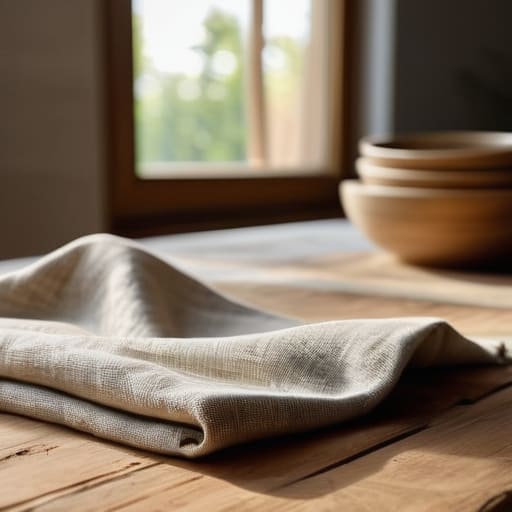
I was out in the workshop the other day, cleaning some old chisels, when I realized how much of our modern lives is cluttered with things that simply aren’t built to work. I see it every time I walk into a big-box retailer: aisles upon aisles of thin, overpriced, polyester-blend “kitchen linens” that are essentially glorified paper towels. It drives me mad. People are being sold these flimsy, decorative scraps that lose their shape after one wash and can’t even absorb a simple spill without leaving streaks behind. If you’re looking for cloth tea towels that actually serve a purpose rather than just looking pretty on a social media feed, you’re looking for something with substance.
I’m not here to sell you on some trendy pattern or a designer label that costs more than the food you’re drying. My goal is to cut through the marketing fluff and tell you exactly what to look for in a heavy-duty, reliable textile. I’ll show you which materials actually hold up to daily use and which ones are just a waste of your hard-earned money. I want to help you buy it once and find those few essential pieces that will still be working hard in your kitchen ten years from now.
When it comes to drying your glassware or wiping down a countertop, you need something that actually pulls moisture away rather than just pushing it around. This is where absorbent cotton tea towels earn their keep. I’ve spent enough time in professional kitchens to know that a flimsy, synthetic blend is a waste of space. You want a heavy-weight cotton that feels substantial in your hand. Unlike those thin, cheap alternatives you find in bulk packs, a high-quality cotton weave gets better with every wash, becoming more effective at soaking up spills without leaving behind those annoying little lint trails on your clean plates.
If you are looking to move away from the constant cycle of buying more disposables, switching to organic cotton kitchen linens is a sensible move for your wallet and your pantry. It’s a simple matter of physics and material science: a dense cotton fiber is simply the best fabric for drying dishes because it holds onto water efficiently. Stop reaching for a roll of paper towels every time you spill a bit of water; it’s expensive, wasteful, and frankly, unnecessary. Get a few sturdy cotton towels, wash them, and use them until they finally wear out.
Linen Kitchen Towels Benefits Endurance Over Convenience
If you want to talk about real longevity, you have to talk about linen. I’ve spent enough time in workshops to know that some materials just get better with age, and linen is one of them. While many people gravitate toward absorbent cotton tea towels for their immediate softness, linen is the heavy hitter when it comes to sheer durability. It doesn’t fray after three trips through the wash, and it doesn’t lose its structural integrity when things get heavy in the kitchen.
Choosing linen is a move toward smarter, long-term utility rather than chasing the quick fix. When you look at the linen kitchen towels benefits, it isn’t just about how they handle water; it’s about the fact that they won’t fall apart in six months. This is a cornerstone of building a set of zero waste kitchen essentials that actually serve a purpose. Stop treating your kitchen like a disposable zone. If you invest in high-quality linen, you aren’t just buying a rag; you are buying a tool that will outlast most of the modern junk cluttering your cupboards.
How to Spot a Real Workhorse in the Kitchen
Check the weight before you buy. If a towel feels thin or flimsy in your hands, it’s going to fail you the moment it hits a wet dish. You want something with heft—a heavy weave that can actually hold water rather than just moving it around the counter.
Look for tight weaves, not loose ones. A loose, decorative weave might look nice on a social media feed, but it’s useless for drying. You need a tight, structured fabric that won’t snag or fray after three trips through the wash.
Avoid the “decorative” trap. I see far too many people buying towels with useless lace edges or delicate embroidery. Those are for show, not for work. Stick to functional borders and clean edges that can withstand heavy use and frequent laundering.
Prioritize natural fibers only. Synthetic blends might be cheaper, but they don’t absorb half as well as pure cotton or linen. If it’s a mix of polyester and something else, put it back on the shelf. You want material that works with the water, not against it.
Test the “scent factor.” High-quality natural fibers like linen breathe better than synthetics. This means they dry out faster between uses, which prevents that sour, musty smell that plagues cheap, poorly made kitchen cloths.
The Bottom Line on Choosing Your Towels
Stop buying thin, cheap cotton blends that lose their shape after three washes; look for heavy-weight weaves that can handle real kitchen work.
If you want something that actually gets better with age, invest in pure linen—it’s more durable than any synthetic shortcut.
Think about the long-term value of the material, not just the price tag on the shelf, so you aren’t constantly replacing junk every few months.
Stop Buying Disposables
I’ve spent enough years in logistics to know that anything designed to be cheap is designed to fail; stop cluttering your kitchen with flimsy rags and buy a proper cloth towel that actually holds water and survives the wash year after year.
Hugo Steenkamp
Making the Right Choice for Your Kitchen
At the end of the day, choosing between heavy-duty cotton and high-grade linen comes down to how you actually use your kitchen. If you need something that can handle a heavy soak and a quick wash, a thick cotton towel is your best bet. But if you want something that will still be performing perfectly a decade from now, you can’t beat the sheer resilience of linen. Don’t get distracted by those cheap, multi-pack sets of thin, patterned rags you see in big-box stores; they are designed to fall apart so you’ll buy more. Instead, focus on material integrity and weight. Whether you go with cotton or linen, ensure the weave is tight and the fabric has some substance to it.
Stop treating your kitchen supplies like they are disposable. We live in a culture that is obsessed with the “new,” but there is a deep, quiet satisfaction in using a tool that has become a reliable part of your daily routine. When you invest in quality cloth tea towels, you aren’t just buying a way to dry a dish; you are rejecting the cycle of waste. Buy the good stuff, treat it with respect, and let it stand the test of time. Buy it once, buy it well, and let your kitchen be filled with things that actually matter.
Frequently Asked Questions
How do I tell the difference between high-quality heavy-duty linen and the cheap, thin stuff being sold online?
Don’t let a glossy photo fool you. When you’re looking online, check the weight—you want something substantial, not a glorified handkerchief. If the description doesn’t list the GSM (grams per square meter), walk away. Once it arrives, do the light test: hold it up. If you can see the silhouette of your hand clearly through the weave, it’s junk. Real, heavy-duty linen should feel slightly coarse and have a structural weight to it.
Are these natural fabrics actually easier to maintain, or am I going to spend all my time fighting wrinkles and stains?
Look, I get the hesitation. You don’t want another chore. But here’s the reality: these fabrics are tougher than the cheap synthetic blends that fall apart after three washes. Yes, linen wrinkles, but that’s just character—it doesn’t affect how the towel performs. As for stains, a heavy-duty cotton or linen towel handles a hot wash just fine. Stop worrying about perfection and start focusing on durability. They work hard, and they’re built to be washed.
How often should I actually be replacing them before they lose their absorbency and become useless?
Look, there’s no magic date on a calendar, but if you’re using a towel that just pushes water around instead of soaking it up, it’s done. For heavy-duty cotton, I’d say every six to twelve months of regular use. Linen lasts longer, but once it feels stiff or starts smelling even after a hot wash, toss it. Don’t cling to rags that don’t work; a tool is only useful if it performs.
I was standing in my kitchen last Tuesday, scraping a charred, half-melted mess of cookies off a “premium” mat I’d bought only three months prior, and I realized something: most silicone baking mat reviews online are absolute nonsense. They’re written by people who wouldn’t know a structural failure in a supply chain if it hit them in the face, focusing on flashy colors instead of actual heat resistance and thickness. You don’t need a gadget that looks good in a lifestyle photo; you need a tool that survives a 450-degree oven without turning into a sticky, useless piece of plastic.
I’ve spent my career managing logistics and ensuring things arrive exactly as they should, and I apply that same scrutiny to my kitchen. In this guide, I’m cutting through the marketing fluff to give you the straight truth on which mats actually hold their shape and provide a reliable non-stick surface. I’m not here to sell you on a trend; I’m here to help you buy it once and buy it well. If you’re tired of wasting money on disposable junk, let’s get to work.
Professional-Grade Heavy-Duty Silicone Baking Mats: At a Glance
These are high-density, non-stick mats designed for people who want to stop wasting money on parchment paper and cheap, flimsy alternatives.
Overall Rating: 8.5/10
Key Specs
Material: Food-grade, reinforced silicone
Heat Resistance: Up to 480°F
Pros
Exceptional durability that survives years of high-heat use
Eliminates the constant, wasteful cycle of buying disposable parchment paper
Cons
Requires a flat, even baking sheet to prevent warping
Higher upfront cost than the flimsy junk you see in big-box stores
First Impressions Design
When I first pulled these mats out of the box, the first thing I noticed wasn’t the color or the branding—it was the weight. In my old logistics days, I learned quickly that density usually tells you more about a product’s integrity than a flashy marketing pitch. These mats have a substantial, heavy-duty feel to them that immediately signaled they weren’t going to curl up or slide around the moment they hit a hot tray.
The texture of the non-stick baking surfaces is fine-grained and consistent, which is exactly what you want to see. I checked the edges for any signs of thinness or uneven molding, but the construction is solid all the way around. It’s clear these are designed to be a legitimate reusable parchment paper alternative rather than a cheap imitation. There’s no weird chemical odor, either—just the clean, neutral scent of high-grade food-safe silicone.
I also looked closely at the thickness. A lot of the junk you see online is paper-thin, which leads to uneven heat distribution and burnt bottoms. These mats have enough heft to provide a steady thermal barrier. They feel like a piece of properly engineered kitchenware that belongs in a serious kitchen, not something destined for a landfill after three uses.
Key Features in Action
I didn’t just put these mats in the cupboard to look pretty; I put them to work. When I pulled my first batch of chocolate chip cookies out of the oven, I wasn’t looking for a miracle, just a clean release. Most of the cheap stuff I’ve seen fails the moment the sugar starts to caramelize, but these non-stick baking surfaces actually held up. The cookies slid right off without needing a spatula to scrape them loose, which is exactly what you want when you’re trying to avoid a mess.
I also put them through a bit of a silicone mat durability test by seeing how they handled high heat and repeated washing. In my years managing logistics, I learned that if a tool can’t handle the standard operating procedure, it’s useless. These mats didn’t warp or develop that weird, greasy film that usually plagues the low-end brands.
Beyond the performance, they serve as a solid reusable parchment paper alternative. I’m tired of seeing rolls of single-use paper tossed in the bin every single week. These are thick enough to feel substantial, not like a piece of thin plastic wrap. If you’re looking for the best baking mats for cookies that won’t end up in a landfill by next month, this is the way to go.
Real World Performance
I didn’t just pull these out of the box and stare at them; I put them through a proper trial in my own kitchen. I started with a batch of chocolate chip cookies—the real test for any best baking mats for cookies—and I was impressed. Usually, with cheap alternatives, you’re fighting a losing battle against sticking or uneven browning. With these, the heat distribution was remarkably consistent. I didn’t have to scrape at the surface once; the cookies simply lifted off, leaving the mat clean.
Next, I pushed them to the limit with a tray of sticky cinnamon rolls. This is where you see if a product is actually a viable reusable parchment paper alternative or just more kitchen clutter. Even with the high sugar content, the non-stick properties held firm. I also ran a quick silicone mat durability test by cranking the oven to its upper limit to ensure there was no warping or unpleasant chemical smell. They held their shape perfectly.
In my years managing logistics, I learned that a tool is only as good as its reliability under pressure. These mats don’t just perform well once; they provide a steady, predictable result every time you slide them into the oven. That is exactly what I look for.
Comparison With Alternatives
Now, let’s talk about why you’d bother with these instead of just sticking to what you know. Most people I talk to are still stuck in the habit of tearing off sheets of parchment paper every single time they preheat the oven. Look, parchment works, but it’s a waste of money and a constant trip to the grocery store. If you’re looking for a reusable parchment paper alternative, these mats are the logical choice. They stop that cycle of buying disposables that end up in a landfill after one use.
You might also be tempted to go back to greasing old-fashioned metal cookie sheets with butter or oil. I remember doing that for years, but it’s messy and inconsistent. Compared to traditional grease-and-bake methods, these mats provide a much more reliable non-stick baking surface without the extra cleanup.
The real question, though, is how they stack up against the cheap, thin mats you see in those big-box discount aisles. I’ve put a few of those through a personal silicone mat durability test, and frankly, they’re junk. They warp under heat and lose their grip almost immediately. If you want something that actually holds its shape and performs year after year, don’t settle for the flimsy stuff. Buy the heavy-duty version once, and you’re set for life.
Who Is This Product for
If you’re the type of person who treats your kitchen like a workshop—expecting tools to perform reliably every single time—then these mats are built for you. I don’t care much for gadgets that sit in a drawer gathering dust, but this is a practical piece of heat resistant kitchenware that earns its keep.
This is for the home baker who is tired of the constant, wasteful cycle of buying rolls of parchment paper only to throw them in the bin after one use. If you want a sensible, reusable parchment paper alternative that actually holds up under high heat, you’ll find value here. It’s a perfect fit for anyone looking to streamline their cleanup and stop cluttering their pantry with disposables.
I’d also recommend these to the serious cookie enthusiast. If you’re constantly fighting with burnt edges or sticking dough, these provide the consistent non-stick baking surfaces you need to get professional results without the headache. However, if you only bake once a year for a holiday, don’t feel pressured to buy these; they are designed for people who actually use their kitchen. This is an investment for the person who wants to buy it once and buy it well.
Value for Money Final Verdict
Look, I’ve spent enough years in logistics to know that the cheapest price tag is often the most expensive mistake you can make. If you’re constantly buying rolls of parchment paper that tear or burn, you aren’t actually saving money; you’re just throwing it away. When I look at these mats, I don’t see a luxury item—I see a reusable parchment paper alternative that pays for itself within the first few months of heavy use.
In my view, the true metric of worth is how many times a tool can perform its job before it fails. After putting these through a rigorous silicone mat durability test in my own kitchen, I can say they hold their shape and their non-stick properties remarkably well. They aren’t flimsy, cheap imitations. They are solid pieces of heat resistant kitchenware that belong in a serious kitchen.
My final verdict? If you are tired of the “buy-break-replace” cycle, stop looking at the entry-level junk. These mats are a sensible investment for anyone who wants to bake consistently without the headache. They do exactly what they claim to do, and they do it without any unnecessary bells and whistles. Buy them once, and you won’t have to think about them again.
What to Look for Before You Open Your Wallet
Check the thickness. If the mat feels thin and flimsy like a piece of cheap plastic, it’s going to warp the moment it hits a hot oven. You want something with enough heft to stay flat and distribute heat evenly.
Verify the temperature range. I don’t care how “non-stick” it claims to be if it starts degrading at 400 degrees. Ensure it can handle high heat without smelling like a chemical factory.
Look for food-grade certification. Don’t take the packaging’s word for it; make sure it’s clearly labeled as FDA-approved or food-grade silicone. I won’t have my family eating off something that leaches toxins into their food.
Inspect the edges. Cheap mats often have uneven or thin edges that fray or curl up after a few uses. A quality mat should have a consistent, reinforced feel from edge to edge.
Avoid the “multi-pack” trap. Just because you get four mats for the price of one doesn’t mean you’re getting a deal. Usually, those are low-quality junk items designed to be replaced in six months. Buy one good set instead of four bad ones.
The Bottom Line
Stop buying those thin, cheap mats that warp the second they hit a hot oven; if you want a tool that actually performs, look for heavy-duty thickness and reinforced edges.
This is a long-term investment for your kitchen that pays for itself by eliminating the need to constantly replace disposable parchment paper.
Look for sets that come in minimal, recyclable packaging—if a company can’t get the shipping right, they probably didn’t get the product right either.
A Lesson in Longevity
I’ve spent enough years in logistics to know that if a product is priced like it’s disposable, it’s going to be disposable. Don’t get distracted by flashy marketing or cheap sets of five; find a heavy-duty silicone mat that feels substantial in your hands, because a tool that fails you mid-bake is just more expensive trash for the landfill.
Hugo Steenkamp
The Bottom Line
After putting these mats through their paces, the verdict is clear. If you are tired of wrestling with parchment paper that tears or dealing with baked goods that stick to everything in sight, this is a solid investment. These mats aren’t just another kitchen gadget meant to sit in a drawer; they are a functional tool that simplifies the process and actually performs as advertised. They have the thickness required to withstand heat without warping, and more importantly, they don’t feel like they are going to fall apart after five uses. When you look at the durability and the ease of cleaning, it’s obvious that these are built to actually last.
At the end of the day, my philosophy remains the same: stop buying things that you know you’ll have to replace in six months. Every time you opt for a cheap, disposable alternative, you aren’t just wasting money; you’re contributing to a cycle of waste that serves no one. Invest in quality tools that respect your time and your wallet. Buy it once, buy it well, and make it count. Your kitchen—and your sanity—will thank you for it.
Frequently Asked Questions
How do I know if these mats are actually food-grade silicone and not just cheap, toxic fillers?
Look, I’ve seen enough cheap materials in my time to know that if a label doesn’t say “100% food-grade,” you should walk away. Don’t settle for “silicone-based” nonsense—that’s just a fancy way of hiding fillers. Look for a product that explicitly states it’s FDA-approved or LFGB certified. If the mat has a weird, chemical smell right out of the box, toss it. If it isn’t honest about its ingredients, it isn’t worth your kitchen.
Can I really toss these in the dishwasher, or will the heat warp them after a few cycles?
Look, I’ve seen plenty of “durable” kitchen gear turn into a warped mess after three trips through a high-heat cycle. It’s frustrating. With these specific mats, you can use the dishwasher, but if you want them to actually last a decade like they should, I’d suggest the top rack on a medium setting. Avoid those industrial-strength heat settings if you can. Treat your tools with a bit of respect, and they’ll return the favor.
Are these thick enough to prevent my pastries from burning on the bottom, or are they too flimsy?
Look, I’ve seen enough flimsy, thin-as-paper kitchen gadgets to last a lifetime, and these aren’t them. They have a substantial, heavy-duty weight to them that actually holds its shape. They’re thick enough to provide a consistent heat barrier, so you won’t be dealing with those dreaded burnt bottoms on your pastries. If you’re looking for something that feels like a tool rather than a piece of disposable plastic, these hit the mark.
I was out in the garage last weekend, cleaning some old chisels, when I looked out the window and saw my neighbor struggling with a stack of those flimsy, brightly colored plastic pots he’d bought on sale. It’s the same story every spring: people spend a fortune on expensive plants only to house them in cheap, sun-bleached junk that cracks or warps before the season is even over. If you’re looking for a quick fix that looks good for exactly two weeks, go right ahead, but I’ve never understood the appeal of buying things that are designed to fail. Real quality starts with the foundation, and when it comes to greenery, that means investing in heavy-duty ceramic planters that actually have the weight and integrity to last a lifetime.
I’m not here to sell you on some fleeting design trend or a “must-have” collection from a big-box retailer. My goal is to give you the straight truth about what makes a piece worth your hard-earned money. I’ll be walking you through how to spot genuine craftsmanship, how to identify materials that won’t succumb to moisture damage, and why the right weight matters more than a fancy pattern. We are going to focus on buying it once and buying it well.
Glazed vs Unglazed Ceramic Pots Choosing Substance Over Style
When you’re standing in the garden center, it’s easy to get distracted by the shiny finishes, but you need to look at how the material actually behaves. The debate between glazed vs unglazed ceramic pots isn’t just about aesthetics; it’s about how your plants breathe. Unglazed terracotta is porous, meaning it allows moisture to evaporate through the walls. This is a lifesaver if you have a tendency to overwater, but if you’re looking for the best ceramic pots for succulents, you have to be mindful of how quickly that soil dries out.
On the other hand, glazed pottery provides a non-porous barrier that holds moisture much longer. These are excellent for tropical varieties that crave humidity, but they require more discipline. If you choose a glazed option, ensure it has proper drainage holes in ceramic planters to prevent root rot. I’ve seen too many people buy a beautiful, sleek container only to realize they’ve essentially created a stagnant bathtub for their plants. Don’t just buy what looks good on a shelf; buy what matches your watering habits.
Modern Ceramic Plant Containers That Defy the Trends
I see these sleek, minimalist designs popping up everywhere on social media, often wrapped in fancy branding but lacking any real structural integrity. When you’re looking at modern ceramic plant containers, don’t let a clean silhouette fool you into buying something flimsy. A piece might look “on-trend” today, but if the clay is too thin or the base is unstable, it’s just more clutter waiting for the landfill. I look for weight and a solid build; if it feels light as a feather, it’s going to tip over the moment your plant grows a bit of height.
True quality in contemporary pottery lies in the details that most manufacturers skip to save a buck. For instance, I always check for properly integrated drainage holes in ceramic planters before I even consider a purchase. Without them, you’re essentially asking your plants to live in a swamp, which leads to root rot and a dead plant within weeks. Whether you are hunting for the best ceramic pots for succulents or something larger for a fiddle-leaf fig, prioritize a design that respects the biology of the plant. If the container doesn’t serve the living thing inside it, it’s just an expensive paperweight.
Five Rules for Buying Planters That Won't End Up in a Landfill
Check the weight before you commit. A quality ceramic planter should have some heft to it; if it feels light and hollow like a cheap toy, it’s likely thin-walled and prone to cracking when the temperature shifts.
Inspect the drainage situation. I’ve seen too many people buy a beautiful pot only to realize it has no hole at the bottom. Don’t settle for a decorative piece that’s going to drown your plants; make sure there’s a functional way for excess water to escape.
Look for thick, consistent walls. In my years managing logistics, I learned that structural integrity is everything. A planter with thin, uneven walls is a liability that will succumb to the elements within a single season.
Prioritize scale over “cuteness.” Stop buying those tiny, trendy little pots that you’ll outgrow in a month. Buy a container that is appropriately sized for the plant’s mature root system so you aren’t constantly replacing them.
Demand sustainable packaging. I won’t touch a product if it arrives wrapped in three layers of non-recyclable styrofoam. If a company cares about the quality of their ceramic, they should care about the footprint they leave behind.
The Bottom Line on Buying Ceramic
Stop buying cheap, lightweight pots that tip over or crack at the first sign of frost; look for heavy-duty ceramic that has some actual weight to it.
Don’t get distracted by flashy, seasonal patterns that will look dated in six months; stick to classic textures and earthy tones that stand the test of time.
Check the drainage and the material quality before you reach for your wallet—if it feels flimsy or lacks a proper base, it isn’t worth your hard-earned money.
The Cost of Cheap Plastic
I’ve spent enough years managing supply chains to know that when a product is priced like junk, it’s because it’s designed to become junk. Stop filling your home with flimsy plastic pots that crack under the sun; a heavy, well-fired ceramic planter is an investment in something that actually stays put.”
Hugo Steenkamp
Making the Right Call for Your Home
At the end of the day, choosing a ceramic planter isn’t about following a color palette you saw on a social media feed; it’s about understanding the material and how it functions in your space. We’ve looked at why the distinction between glazed and unglazed pots matters for your plant’s health, and why opting for classic, timeless shapes is a far better use of your hard-earned money than chasing those flimsy, trendy designs that look dated within a year. If you take nothing else away from this, remember that substance must always come before style. When you invest in heavy, well-made ceramic, you are buying a piece of functional decor that is built to endure the seasons rather than a piece of landfill-bound clutter.
I’ve spent enough years in logistics to know that the cheapest option is almost always the most expensive one in the long run because you end up replacing it three times over. Don’t let the convenience of cheap, mass-produced plastic fool you into thinking you’re saving money. Instead, take a moment to select a planter that has some weight to it, some character, and the ability to age gracefully alongside your greenery. Build a home filled with things that actually mean something. Buy it once, buy it well, and make it count.
Frequently Asked Questions
How can I tell if a ceramic planter is actually high-fired and durable, or just cheap clay with a thin coat of paint?
Don’t let a pretty pattern fool you; a thin coat of paint is just a mask for poor craftsmanship. To tell if a pot is truly high-fired, give it a gentle tap with your knuckle. A high-quality, vitrified piece will ring with a clear, metallic sound. If it gives a dull, flat thud, it’s likely low-fired, porous clay that’ll crumble or crack once the weather turns. Look for weight and density—substance matters.
Will a heavy ceramic pot crack if I leave it outside during a hard freeze, or is it built to handle the elements?
Here’s the truth: even the sturdiest ceramic can crack if you aren’t careful. When water gets into the soil and freezes, it expands like a slow-motion sledgehammer. If you’ve got a heavy, high-quality pot, it’ll hold up better than those flimsy alternatives, but I still wouldn’t risk it during a deep freeze. My advice? Bring your prized plants inside or move them to a sheltered spot once the temperature drops. Protect your investment.
How do I ensure the drainage system in these pots is actually functional and won't lead to root rot over time?
Look, a pretty pot is useless if it turns your plant into a swamp. Before you shell out your hard-earned money, flip the planter over. I’m looking for a wide, clear drainage hole—not some tiny slit that’ll clog with soil in a month. If there’s no hole, don’t buy it; “drainage layers” of pebbles are a myth that just lead to root rot. Buy a pot with real exits so your plants can actually breathe.
I’ve spent thirty years in logistics, so I know exactly what happens when a product is built with a “disposable” mindset. Most of what you see marketed today is nothing more than cheap, flimsy plastic designed to end up in a landfill before the season is even over. It’s particularly frustrating when you’re looking for pet lover gifts, because the market is flooded with junk that breaks the moment a dog decides to chew on it or a cat decides to scratch. I’m tired of seeing people throw money away on temporary fixes that don’t serve the animal or the owner for more than a month.
In this list, I’m cutting through the noise to bring you five items that actually meet my standards for durability and utility. I won’t waste your time with trendy gadgets that serve no real purpose; instead, I’ve selected goods that are built to endure the test of time. You’ll learn which products offer genuine value and which ones are just clever marketing schemes meant to empty your wallet. If you want to give something that actually lasts, you’re in the right place.
Most of the collars you see in big-box stores these days are made of flimsy nylon that frays the moment a dog gets a bit of mud on it. They look cheap, and frankly, they feel cheap. If you want to give a gift that actually holds up, look for a heavy-duty leather collar paired with solid brass hardware. It’s the kind of thing that develops a patina over time rather than just falling apart.
Cast Iron Pet Feeders
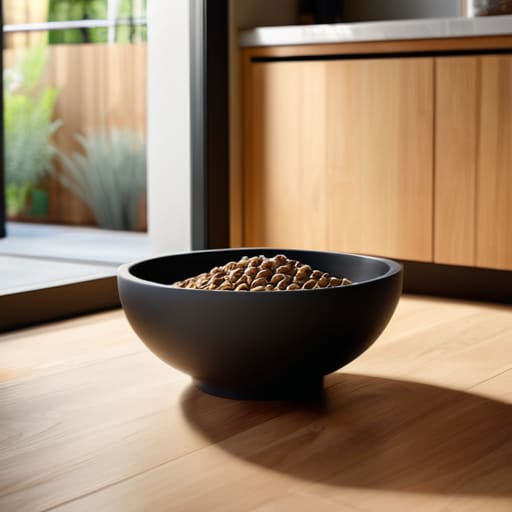
I can’t tell you how many times I’ve seen those lightweight plastic bowls slide across the kitchen floor every time a dog gets excited for breakfast. It’s a nuisance, and those plastics eventually crack or leach chemicals. Instead, look for a weighted cast iron or heavy ceramic feeder. It stays exactly where you put it, providing a stable base that doesn’t budge.
All-Natural Sisal Scratching Posts
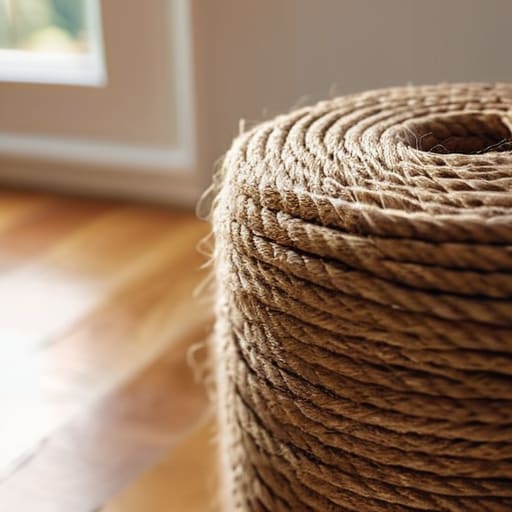
If you have a cat, you know the struggle of trying to save your furniture from certain destruction. The temptation is to buy those cheap, carpet-covered posts, but those are a waste of money. The carpet shreds within weeks, and then you’re just throwing more trash into the bin. A solid wood post wrapped in thick sisal is the only way to go.
Canvas and Cordura Travel Bags
People seem to think that a “pet carrier” needs to be a flimsy mesh bag that looks like a laundry basket. That’s a recipe for a broken zipper or a torn seam halfway through a trip. If you’re buying a gift for someone who travels with their dog, find them something made from high-denier Cordura or heavy canvas. These materials were designed for rugged use, not just a trip to the local park.
Hand-Carved Wooden Treat Boxes
We live in an era of disposable everything, where even pet treats are shoved into flimsy, single-use plastic canisters. If you want to give a gift that actually carries some weight, skip the gadgets and go for a hand-crafted wooden treat box. A simple, well-sealed box made from a decent hardwood like walnut or oak serves a purpose and looks dignified on a countertop.
The Bottom Line on Pet Gear
Stop falling for the flashy, brightly colored junk in big-box stores; if it’s made of flimsy plastic, it’s destined for a landfill.
Real value is found in materials like solid wood, heavy-duty canvas, or stainless steel—things that can actually withstand a bit of wear and tear.
When buying for a pet, remember that “cheap” is often the most expensive way to shop because you’ll end up replacing the item three times over.
A Lesson in Longevity
If you’re going to spend money on a gift for a pet, stop looking at the flashy, brightly colored nonsense designed to catch your eye for five seconds. Look for the craftsmanship. A gift should be an investment in their comfort and your peace of mind, not just another piece of landfill-bound plastic waiting to crack by next Tuesday.
Hugo Steenkamp
Quality Over Convenience
At the end of the day, choosing a gift for a pet lover shouldn’t be about scrolling through endless pages of brightly colored plastic junk that’s destined for a landfill by next Tuesday. We’ve looked at items that actually serve a purpose—from durable bedding that won’t fall apart under a bit of pressure to well-made accessories that stand the test of time. When you invest in these kinds of pieces, you aren’t just buying a product; you are investing in durability and genuine utility. It is far better to give one single, high-quality item that lasts for years than a basket full of cheap trinkets that break before the wrapping paper is even in the bin.
My advice is simple: stop chasing the seasonal trends and start looking for the substance underneath the marketing. Our pets are part of the family, and the things we bring into our homes should reflect that level of respect. If you buy something once and it does its job well for a decade, you’ve won. Don’t let the modern culture of “disposable everything” dictate how you care for your home or your loved ones. Buy it once, buy it well, and make it count.
Frequently Asked Questions
How can I tell if a pet bed is actually made of durable, high-quality materials rather than just cheap foam that will flatten in a month?
Don’t let a fancy pattern fool you. When you’re checking a bed, skip the fluff and get hands-on. Press your weight into it; if you feel the floor immediately, that’s cheap, low-density foam that’ll be flat by next month. Look for high-density orthopedic foam or heavy-duty canvas. If the fabric feels thin or suspiciously stretchy, it won’t stand up to a week of scratching. If it doesn’t feel substantial in your hands, leave it on the shelf.
Are there any reputable brands that offer high-end pet supplies without all that unnecessary, non-recyclable plastic packaging?
Look, I’ve seen enough flimsy plastic wrap to last a lifetime, and frankly, it’s a joke. If you’re looking for quality without the waste, check out brands like Wild One or even some of the smaller, boutique makers on Etsy who prioritize sustainable materials. They tend to use cardboard or compostable options instead of that useless film. It costs a bit more upfront, but you’re paying for durability and a conscience, not a landfill.
Is it worth investing more in heavy-duty chew toys for a large breed, or is that just a marketing gimmick?
It’s not a gimmick; it’s basic physics. If you’ve got a large breed, they have the jaw pressure to turn a standard rubber toy into confetti in under ten minutes. I spent thirty years managing logistics—I know the difference between a product built for durability and one built for a quick sale. Spend the extra money on something dense and heavy-duty. You’ll save a fortune by not replacing cheap junk every single week.
I was cleaning out my old workshop last weekend when I stumbled upon a set of heavy, hand-blown tumblers I bought nearly thirty years ago. They’ve survived three house moves, a dozen dinner parties, and more than a few accidental bumps against the granite countertop. It made me think about the absolute rubbish you see in big-box stores today—thin, fragile things that feel like they’ll shatter if you even look at them wrong. People are being sold a lie that “luxury” means a high price tag and a fancy logo, but real quality isn’t about the brand; it’s about the weight and the craftsmanship of true artisan glassware. If it feels hollow and cheap in your hand, it’s just more disposable junk destined for a landfill.
I’m not here to sell you on some overpriced lifestyle trend or tell you that you need a crystal collection to be sophisticated. My goal is simple: I want to help you identify the pieces that are actually worth your hard-earned money. I’ll be sharing what to look for in terms of durability, thickness, and construction so you can buy it once and buy it well.
When you look at a piece of mass-produced glass, you’re looking at a machine’s output—perfectly identical, perfectly soulless, and ultimately disposable. But when you step into the world of blown glass artistry, you’re seeing the result of human intent. There is a physical weight to a piece that has been shaped by breath and heat. You can see the slight, intentional variations in the rim or the way the light catches a tiny, natural bubble trapped within the walls. These aren’t defects; they are the fingerprints of the maker.
I’ve spent enough time in logistics to know that efficiency often comes at the cost of character, but bespoke glassware design refuses to compromise. It’s about the connection between the person who made it and the person who holds it. A well-made glass doesn’t just sit on your table; it has a presence. It feels substantial, it balances correctly in your grip, and it carries a sense of history that a factory line simply cannot replicate. That is the difference between something you use and something you keep.
Bespoke Glassware Design Over Fleeting Trends
I see it every time I walk into a modern kitchen: rows of identical, thin-walled glasses that look like they were stamped out of a machine by the thousands. They follow whatever color or shape is currently trending on social media, but they have no character and even less staying power. That’s not decorating; that’s just filling space. When you opt for bespoke glassware design, you aren’t just following a fad. You are choosing pieces that possess a weight and a presence that mass-produced junk simply cannot replicate.
The real value lies in the subtle imperfections that come from handcrafted glass aesthetics. A machine can’t replicate the slight variation in a rim or the way light hits a hand-shaped base. These pieces are built to be part of your home for decades, not just until the next season’s catalog arrives. If you are looking for unique glassware for entertaining, stop looking for what’s “in” and start looking for what is substantial. A piece that feels good in your hand and tells a story is worth ten times more than a dozen trendy items that will end up in a landfill by next year.
How to Spot Real Value Before You Open Your Wallet
Check the weight and balance. If a glass feels feather-light and hollow, it’s likely mass-produced junk. Real artisan glass has a certain heft and a balanced center of gravity that tells you it was shaped by a human, not a machine.
Look for the subtle imperfections. I’m not talking about cracks or chips—I’m talking about the tiny variations in the rim or a slight ripple in the base. Those marks are the signature of the maker, and they’re proof that the piece isn’t just another identical unit off a factory line.
Inspect the clarity and color. Cheap glassware often has a greenish or grayish tint caused by impurities in low-grade sand. High-quality artisan glass should be clear and vibrant, showing off the true color of the material without that murky, artificial look.
Prioritize durability over “the look.” Don’t get distracted by a trendy shape that makes the glass impossible to clean or too fragile for daily use. If you can’t use it for a Tuesday night dinner, it’s just a dust collector, and I don’t have room for dust collectors.
Demand transparency in the sourcing. A real craftsman should be able to tell you where their materials come from and how they’re made. If the salesperson can’t give you a straight answer about the production process, walk away—you’re being sold a marketing story, not a piece of art.
The Bottom Line on Quality Glass
Stop wasting money on mass-produced, thin-walled glass that shatters the moment it hits a granite countertop; look for weight and substance instead.
Prioritize character and craftsmanship over “perfect” factory finishes, because a piece with a bit of soul is far more durable than a disposable trend.
View artisan glassware as a long-term investment for your home, not a seasonal decoration that you’ll be throwing in the bin by next year.
## The Cost of Cheap Glass
“I’ve spent enough years managing supply chains to know exactly why those mass-produced glasses are so cheap: they’re designed to be replaced, not kept. When you hold a piece of artisan glassware, you aren’t just holding a vessel; you’re holding something with enough weight and character to actually survive a lifetime of use.”
Hugo Steenkamp
Making the Right Choice for Your Table
At the end of the day, choosing artisan glassware isn’t about following a design trend or filling a cabinet just for the sake of it. It’s about recognizing the difference between a mass-produced piece of thin, fragile glass and a vessel that has been crafted with intention. We’ve discussed how the artistry of the blowpipe adds character, and why choosing bespoke designs over those seasonal, disposable styles is the only way to ensure your investment holds its value. When you stop looking for the cheapest option and start looking for substance and durability, you stop participating in the cycle of waste that defines modern consumerism.
My advice is simple: look at your table and ask yourself if the items there will still be worth using ten years from now. If the answer is no, you’re just managing clutter, not building a home. Invest in pieces that feel substantial in your hand and tell a story every time you set them down. Don’t settle for the flimsy, “good enough” junk that ends up in a landfill after a single holiday season. Buy it once, buy it well, and surround yourself with things that are actually built to last.
Frequently Asked Questions
How do I tell if this is actual hand-blown glass or just mass-produced junk masquerading as "artisan"?
Look, don’t let a fancy label fool you. If the glasses look identical—like they rolled off a high-speed assembly line—they aren’t artisan. Real hand-blown glass has character. Look for slight, intentional variations in thickness or tiny air bubbles trapped inside. Pick one up; it should have a weight and a balance that mass-produced junk lacks. If it feels suspiciously light and uniform, put it back on the shelf. You’re paying for soul, not symmetry.
Is high-end glassware actually durable enough for daily use, or is it just something meant to sit in a cabinet gathering dust?
Look, I’ve seen enough flimsy, mass-produced junk to know the difference between “delicate” and “weak.” High-end glassware isn’t fragile; it’s just refined. When you buy a piece with real substance, you’re paying for better tempering and structural integrity. It’s not meant to sit behind glass gathering dust—it’s meant to be used. If it’s well-made, it’ll handle your Tuesday night dinner just fine. Buy quality, and you won’t be babying it.
What kind of maintenance does real artisan glass require to ensure it doesn't crack or cloud up after a few washes?
Look, if you’ve invested in real glass, don’t treat it like a plastic tumbler. Stop shoving it in the dishwasher; those high-heat cycles and harsh detergents are exactly what cause that cloudy film you can’t scrub off. Hand-wash them in warm, soapy water with a soft sponge. If you see mineral buildup, a quick soak in a bit of white vinegar will clear it right up. Treat them with respect, and they’ll last.