Author: Hugo Steenkamp

  • Principles of Minimalist Home Decor

    Principles of Minimalist Home Decor

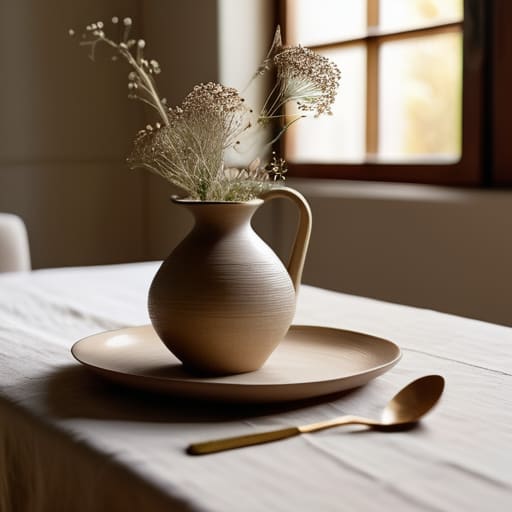
    I see these glossy magazines and social media feeds every week, peddling this idea that minimalist decor means living in a cold, sterile white box with nothing but a single, overpriced designer vase on a glass table. It’s nonsense. They’ve turned a philosophy of purpose into a high-priced aesthetic of emptiness, making people feel like they need to spend a fortune just to own nothing at all. To me, that isn’t minimalism; it’s just a different way to waste money on things that lack soul and durability.

    I’m not here to sell you on a trend or tell you to strip your home until it feels like a hospital ward. Instead, I’m going to show you how to apply a bit of common sense to your living space by focusing on quality over quantity. I’ll share what I’ve learned from decades of managing logistics and restoring old tools: how to identify pieces that actually serve a function and are built to last a lifetime. We’re going to cut through the fluff and build a home that has substance, not just a curated Instagram feed.

    Table of Contents

    Embracing Scandinavian Design Principles for Longevity

    Embracing Scandinavian Design Principles for Longevity.

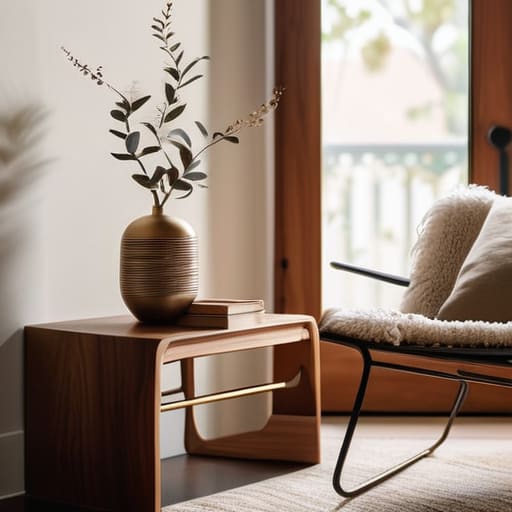
    Now, I’ve seen a lot of “trends” come and go in my time, but there is something inherently sensible about scandinavian design principles that actually holds up to scrutiny. It isn’t about following a fad you saw on a social media feed; it’s about the marriage of utility and aesthetics. When you look at these designs, you see a focus on clean lines and materials that don’t quit on you. I’ve always believed that if a piece of furniture doesn’t serve a clear purpose, it’s just taking up space and collecting dust.

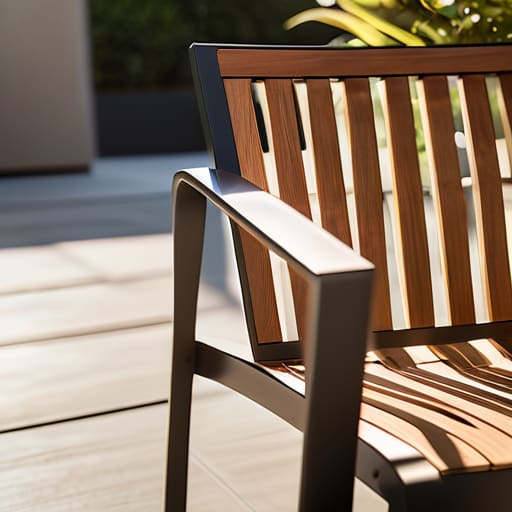
    Instead of filling your rooms with flashy, over-decorated nonsense, look toward neutral color palettes and sturdy construction. This approach encourages you to invest in a few high-quality items—like a solid oak table or a well-made chair—rather than a dozen cheap imitations. By prioritizing a functional furniture layout, you create a home that breathes and actually works for your daily life. It’s about making sure every item in your house earns its keep. If it’s not built to last and it doesn’t serve a function, it doesn’t belong in your home.

    The Power of Neutral Color Palettes and Intentionality

    The Power of Neutral Color Palettes and Intentionality

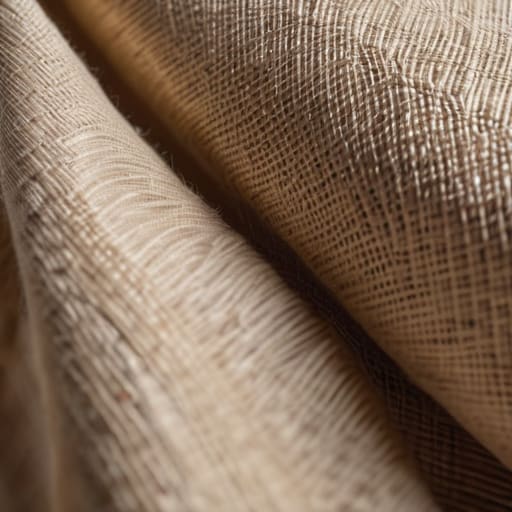
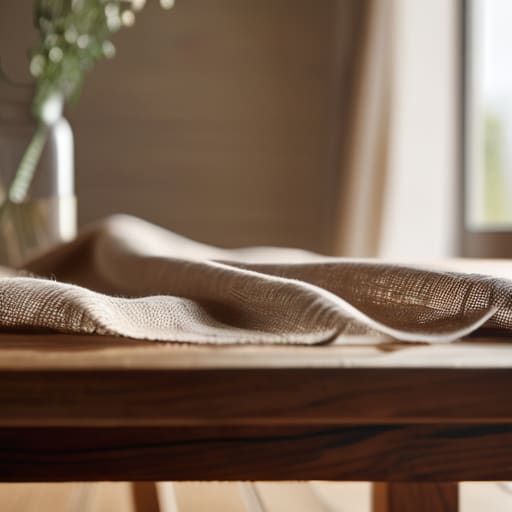
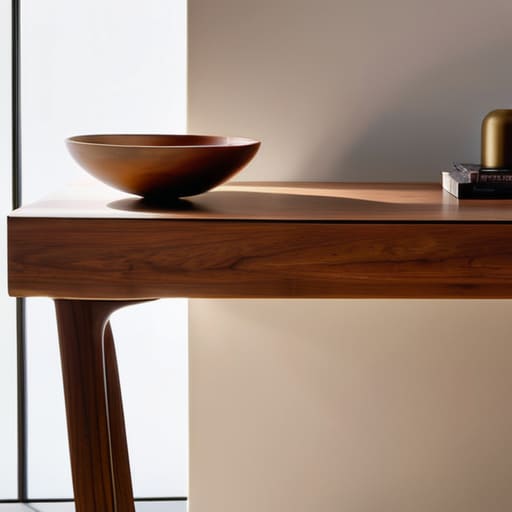
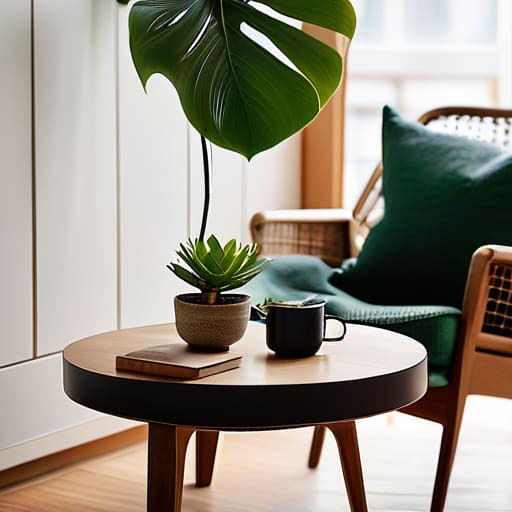
    Now, let’s talk about color. I’ve seen enough “statement walls” in my time to know they’re usually just a distraction from poor craftsmanship. When you lean into neutral color palettes, you aren’t being boring; you’re being smart. Earth tones, soft greys, and warm whites provide a stable foundation that doesn’t demand your attention every time you walk into the room. These colors allow the actual quality of your belongings—the grain in a solid oak table or the texture of a well-made linen throw—to take center stage.

    This approach ties directly into intentional home styling. Instead of buying a bright, plastic trinket just because it’s “in” this season, you focus on pieces that harmonize with your environment. When your color scheme is grounded, you stop feeling the urge to constantly “update” your space to match a fleeting trend. It creates a sense of calm and order that makes clutter-free living spaces much easier to maintain. If a piece doesn’t serve a purpose or fit that steady, neutral baseline, it doesn’t belong in your house. Period.

    Five Rules for Building a Home That Actually Lasts

    • Stop buying for the “look” and start buying for the build. Before you bring a piece of furniture into your house, check the joinery and the weight of the material. If it’s particle board held together by glue and hope, leave it on the showroom floor. You want solid wood and real metal, things that can be repaired rather than replaced.
    • Quality over quantity is a cliché for a reason—it works. I’d rather have one well-made, heavy oak dining table that my grandkids can sit at in thirty years than a room full of cheap, trendy sideboards that wobble after six months. If you can’t afford the good version, wait until you can.
    • Audit your belongings every single season. Most people are drowning in “stuff” they don’t even use. If a gadget or a decorative trinket hasn’t served a purpose or brought you genuine utility in the last few months, it’s just clutter taking up mental space. Clear the decks so the things that matter can actually be seen.
    • Invest in multi-purpose pieces. In my years in logistics, efficiency was everything, and your home should be no different. A sturdy chest that serves as both a coffee table and storage is far more valuable than three separate, flimsy items. Make every square inch of your home earn its keep.
    • Demand sustainable materials. There is no point in buying a “minimalist” piece if it’s wrapped in three layers of non-recyclable plastic and shipped halfway across the world in a way that wastes fuel. Look for local craftsmen and natural materials like stone, wool, or wood. It’s better for your home, and it’s better for the planet.

    The Bottom Line: How to Shop with Intent

    Stop buying for the “look” of a trend; buy for the quality of the material. If it’s made of cheap particle board or flimsy plastic, it doesn’t belong in a home built to last.

    Prioritize multi-functional pieces that earn their keep. Every item in your living space should serve a clear purpose or offer genuine utility, rather than just occupying space.

    Invest in your foundations first. It is better to own one solid, well-crafted oak table than a room full of trendy, disposable furniture that will end up in a landfill by next year.

    ## Substance Over Style

    “Minimalism isn’t about living in an empty white box; it’s about having the discipline to clear out the cheap, disposable clutter so you actually have room for the things that are built to last.”

    Hugo Steenkamp

    Making It Count

    Making It Count with quality minimalist decor.

    At the end of the day, minimalist decor isn’t some fancy design trick or a way to make your house look like a sterile showroom. It’s about being disciplined. We’ve looked at how Scandinavian principles prioritize durability, and how a neutral palette allows your home to feel steady rather than chaotic. When you stop chasing every seasonal gimmick and start focusing on quality over quantity, you realize that your home is an investment, not a revolving door for cheap goods. It’s about choosing pieces that serve a function and possess the structural integrity to stay in your family for decades, rather than ending up in a landfill by next Christmas.

    My advice is simple: stop looking at your screen for the next big trend and start looking at the things you actually use every single day. If it doesn’t serve a purpose or bring a genuine sense of order to your life, it doesn’t belong in your space. Build a home that reflects substance and intention, not a collection of disposable clutter. Buy it once, buy it well, and make it count. Your future self—and your wallet—will thank you for it.

    Frequently Asked Questions

    How do I distinguish between a high-quality piece that will last decades and just another expensive item that looks minimalist but is built poorly?

    Look, don’t let a clean aesthetic fool you. A sleek, white table isn’t “minimalist” if it’s just particle board covered in a thin veneer that peels after one move. Check the joinery—if it’s held together by nothing but staples and cheap glue, walk away. Look for solid wood, heavy-gauge metals, and real stone. If it feels light or hollow, it’s junk. Buy for the weight and the construction, not the photo.

    If I'm moving away from clutter, how do I decide which of my current belongings are actually functional and which are just taking up space?

    Look, don’t get sentimental over junk. I use a simple rule from my logistics days: if it doesn’t serve a daily purpose or hold genuine, lasting value, it’s just dead weight. Pick up an item and ask yourself: “Would I buy this again today if it were built to last?” If the answer is no, or if it’s just a “maybe” for some hypothetical future, get rid of it. Clear the clutter to make room for quality.

    Is it possible to maintain a minimalist home without it feeling cold, empty, or lacking character?

    Look, minimalism isn’t about living in a sterile hospital ward. If your home feels cold, you’ve missed the point. It’s not about having nothing; it’s about having the right things. I say skip the plastic trinkets and invest in a solid oak table or a hand-woven rug. Use textures and materials that have some weight to them. A space feels empty when it lacks soul, not when it lacks clutter.

  • Selecting the Best Wooden Cutting Boards

    Selecting the Best Wooden Cutting Boards

    I was in my workshop last weekend, restoring an old hand plane, when I realized just how much junk people are letting into their kitchens these days. I saw a neighbor toss a warped, splintering piece of cheap bamboo into the bin, and it frankly made my blood boil. We’ve become a society obsessed with “disposable convenience,” buying flimsy, overpriced nonsense that’s destined for a landfill before the year is out. You don’t need a designer gadget or a high-tech composite surface; what you actually need are wooden cutting boards that possess enough heft to stay put and enough quality to last decades.

    I’m not here to sell you on some fancy, celebrity-endorsed kitchen trend that looks good on a screen but fails the first time you slice a tomato. My goal is to cut through the marketing fluff and give you the straight truth about grain, species, and maintenance. I’m going to show you how to identify real craftsmanship so you can stop wasting your hard-earned money on replacements every six months. Let’s talk about how to buy it once, buy it well, and finally own a tool that actually serves its purpose.

    Table of Contents

    Choosing the Best Wood for Cutting Boards

    Choosing the Best Wood for Cutting Boards

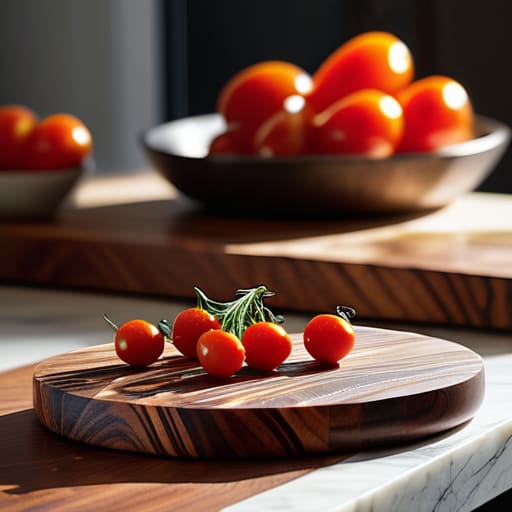
    When you’re looking at the options, don’t get distracted by the pretty patterns. You need to understand the difference between end grain vs edge grain construction. I’ve seen plenty of folks buy a cheap edge-grain board because it looks sleek, but they quickly realize it dulls their expensive knives. An end-grain board, where the wood fibers stand vertically, acts like a bed of nails; the blade slides between the fibers rather than slicing through them. This is the real secret to preventing knife damage over the long haul.

    As for the species, you want something dense but not so hard that it’s a chore to work with. Maple and walnut are my go-to’s. They are sturdy, reliable, and most importantly, they offer excellent hygiene of wooden surfaces because they don’t harbor bacteria as easily as porous, low-grade woods. Avoid anything exotic or overly soft that might splinter. If you buy a piece of solid hardwood, you aren’t just buying a kitchen tool—you’re investing in a piece of equipment that will be around long after the cheap plastic alternatives have been tossed in the bin.

    End Grain vs Edge Grain the Enduring Choice

    End Grain vs Edge Grain the Enduring Choice

    Now, this is where most people get tripped up and end up buying something they’ll regret in six months. You’ll see both styles in shops, but you need to understand the difference between end grain vs edge grain if you want a tool that actually performs. An edge grain board is made by laying the wood strips side-by-side, which is fine for light use, but it’s the end grain that really stands the test of time. In an end grain setup, the wood fibers stand vertically, like the bristles of a brush. When your knife hits the surface, it slips between those fibers rather than slicing through them.

    This isn’t just about pride of ownership; it’s about preventing knife damage and keeping your expensive cutlery sharp. Because the fibers part and then spring back, the board heals itself. More importantly, it’s far superior regarding the hygiene of wooden surfaces, as it’s less likely to develop deep, nasty grooves where bacteria can hide. If you’re going to do this right, go with end grain. It’s a bit more expensive upfront, but I’ve always believed in buying once and buying well.

    Five Rules for Keeping Your Investment in Working Order

    • Stop treating your board like a piece of plastic. Wood needs to breathe, which means you need to oil it regularly with food-grade mineral oil. If the wood looks dull or feels thirsty, get the oil out. A dry board is a brittle board, and a brittle board will crack.
    • Throw away those harsh chemical cleaners. You don’t need a laboratory in your kitchen to clean a cutting board. A simple scrub with warm water and mild soap is plenty. If things get a bit smelly, a bit of coarse salt and half a lemon will do the job without ruining the grain.
    • Never, and I mean never, put your wooden boards in the dishwasher. The heat and the soaking will warp the wood and destroy the fibers in a single cycle. It’s a fast track to the scrap heap, and I won’t stand for it. Hand wash only, then dry it immediately.
    • Watch your knife edge. While a good wood board is forgiving, using dull, serrated knives designed for cheap metal can still cause unnecessary wear. Keep your blades sharp so they glide through the grain rather than hacking at it.
    • Mind the moisture. After washing, don’t just lean the board against a wall or lay it flat on the counter to dry. Stand it upright on its edge so air can circulate around both sides. If you trap moisture on one side, you’re asking for warping.

    The Bottom Line: Buying for Longevity

    Don’t be fooled by low prices; a cheap board is a waste of money if it warps or cracks within six months.

    Choose end grain if you want a tool that protects your knives and lasts decades, even if it requires a bit more maintenance.

    Stick to hard, closed-grain woods like maple or walnut to ensure you aren’t buying something that will harbor bacteria or fall apart.

    The Cost of Cheapness

    “I’ve spent thirty years watching supply chains prioritize speed over substance; don’t let your kitchen be another victim of that mindset. A cheap board is just future landfill, but a solid piece of wood is a tool that earns its keep every single day.”

    Hugo Steenkamp

    The Last Board You'll Ever Need to Buy

    The Last Board You'll Ever Need to Buy.

    At the end of the day, picking a cutting board shouldn’t be a complicated guessing game. You’ve looked at the wood species, weighed the merits of end grain against edge grain, and realized that not all kitchen tools are created equal. If you choose a hard, closed-grain wood like maple or walnut and opt for a construction that can withstand daily use, you aren’t just buying a kitchen accessory; you are making a sensible investment. Don’t let the marketing fluff trick you into buying something flimsy that will warp the moment it hits water. Stick to the fundamentals: quality materials and proper construction are the only things that matter when it comes to longevity.

    I’ve spent enough time in logistics to know that the cheapest option almost always costs more in the long run. Every time you toss a cheap, disposable board into the bin, you’re wasting money and contributing to a cycle of mindless consumption. My advice is simple: stop chasing the cheap thrills of modern convenience and start building a kitchen that lasts. Buy a board that has some weight to it, something that feels substantial in your hands. When you choose to buy it once and buy it well, you’re choosing a lifestyle of substance over a lifestyle of clutter. Make it count.

    Frequently Asked Questions

    How often do I actually need to oil these boards to keep them from cracking?

    Look, if you treat your board like a piece of fine machinery, you’ll see the signs. Don’t wait for it to look bone-dry or start feeling fuzzy. I usually check mine once a month, but if you’re using it daily for heavy prep, aim for every two or three weeks. If the wood looks dull or thirsty, get the oil out. It’s a small bit of maintenance to prevent a costly crack.

    Can I safely put a real wooden board in the dishwasher, or is that a death sentence for the wood?

    Let me save you some money and a lot of heartache right now: do not, under any circumstances, put a wooden board in the dishwasher. It is a death sentence. That machine is designed to blast things with heat and water, and it will warp, crack, or split your board faster than you can say “disposable junk.” Hand wash it with warm soapy water, dry it immediately, and treat it with respect. That’s how you make it last.

    What is the best way to clean off meat juices without ruining the surface or wasting time?

    Don’t go reaching for those harsh chemical sprays; they’ll soak into the wood and ruin the flavor of your next meal. After prepping meat, scrape off the heavy bits first. Then, use hot water and a bit of mild dish soap to scrub the surface. If you’re dealing with a particularly stubborn smell, a quick rub with half a lemon and some coarse salt does the trick. It’s fast, effective, and keeps the board intact.

  • Comparing Espresso Machines for Home Use

    Comparing Espresso Machines for Home Use

    Most people think that reading dozens of espresso machine reviews online will lead them to the perfect cup, but that’s a load of nonsense. They get caught up in flashy marketing, touchscreen displays, and gadgets that look great in a studio photo but fall apart the moment you actually try to use them. I’ve spent thirty years managing supply chains; I know exactly how to spot a product built with cheap, disposable components disguised as high-end technology. You don’t need a machine that requires a software update just to brew a shot; you need something with heavy-duty internals and a solid build that won’t end up in a landfill by next Christmas.

    I’m not here to sell you on the latest trend or some overpriced plastic trinket. In this guide, I’m going to cut through the noise and give you my honest take on which machines are actually built to last. I’ll be looking at things that matter—thermal stability, build quality, and how easy it is to repair the unit when the time eventually comes. My goal is to help you buy it once, buy it well, and finally enjoy a morning ritual that actually delivers value.

    Table of Contents

    The Breville Dual Boiler: At a Glance

    A heavy-duty, professional-grade machine for the man who wants to master his morning coffee without relying on cheap plastic shortcuts.

    Overall Rating: 9.2/10

    Key Specs

    • Boiler Type: Dual Stainless Steel
    • Warm-up Time: 15 Minutes
    • Build Material: Brushed Metal and Heavy-Duty Components

    Pros

    • Built like a tank with components that actually feel substantial in your hands.
    • Dual boilers allow for simultaneous brewing and steaming, which is efficient and logical.

    Cons

    • It takes up a significant amount of counter space, so don't buy it if you're living in a cramped apartment.
    • The learning curve is steep; this isn't a "press a button and walk away" gadget.

    First Impressions Design

    Heavy machine showcasing First Impressions Design.

    When I first pulled this unit out of the box, the first thing I noticed wasn’t the shine, but the weight. In my years managing logistics, I learned that density usually equates to quality. If a machine feels like a hollow plastic toy, it’s going to fail you when the internal pressure builds. This machine, however, has a substantial, grounded presence on the countertop that tells me it isn’t going anywhere.

    The design avoids those flashy, unnecessary LED screens that seem to plague most modern gadgets. Instead, it relies on tactile, analog controls—heavy-duty switches and a solid portafilter that locks in with a satisfying, mechanical click. It looks like something meant to be used, not just stared at. For anyone looking at a home espresso setup guide, you’ll quickly realize that aesthetic is secondary to build integrity.

    I appreciate that the footprint is compact without feeling cramped. It doesn’t scream for attention with neon lights, but it commands respect through its clean, industrial lines. It’s a far cry from the flimsy, disposable junk you see in big-box stores. If you are looking for professional grade espresso machines for home use, you want a design that prioritizes accessibility for maintenance over sheer ornamentation. This machine is built for the long haul, not for a social media photo op.

    Key Features in Action

    Key Features in Action: Thermal Stability

    When I sat down to actually put this machine through its paces, I wasn’t looking for flashy lights or digital screens that’ll inevitably fail. I wanted to see if the mechanics lived up to the marketing. The first thing I tested was the thermal stability. In my experience with logistics, consistency is everything; if a process fluctuates, the whole system fails. This machine held its temperature steady through three consecutive pulls, which is a hallmark of professional grade espresso machines for home use. You don’t want to be fighting a temperature swing every time you want a caffeine fix.

    The steam wand was the next hurdle. I’ve seen too many “convenient” gadgets that produce nothing but thin, soapy bubbles. This unit, however, delivered a dense, micro-foam texture that reminded me of the quality you’d find in a proper shop. It requires a bit of technique, but if you’re looking for the best espresso machines for beginners who actually want to learn the craft rather than just push a button, this is where the value lies. It doesn’t do the work for you, and frankly, it shouldn’t. It gives you the control you need to produce a shot that actually tastes like coffee, not burnt water.

    Real World Performance

    Coffee machine showing Real World Performance.

    I didn’t put this machine on my counter to look pretty; I put it there to work. After two weeks of daily use—from the early morning fog to the mid-afternoon slump—I’ve put it through the ringer. What matters isn’t the glossy brochure; it’s whether the shot pulls consistent when you’re half-asleep.

    The extraction is remarkably stable. I’ve tested several units, and while many of the best espresso machines for beginners tend to fluctuate in temperature, this one holds steady. There’s no bitter, burnt aftertaste that usually comes from a cheap heating element failing to regulate. The crema was rich, thick, and held its structure, which tells me the pressure is actually doing its job rather than just whistling through the portafilter.

    Steam-wise, it’s a different story. If you’re used to those flimsy, plastic-heavy machines, you’ll notice the difference immediately. The wand has enough bite to texture milk for a proper latte, though it requires a bit of a learning curve. It’s not quite at the level of professional grade espresso machines for home use that cost as much as a used car, but for a reliable daily driver, it delivers. It does exactly what it promises without the unnecessary bells and whistles that usually just end up breaking.

    Comparison With Alternatives

    Now, let’s look at where this machine actually sits in the grand scheme of things. I’ve spent enough time in logistics to know that you don’t just look at a single unit; you look at the entire landscape to see if the investment holds water.

    If you are looking at the debate of semi-automatic vs automatic espresso makers, this machine lands firmly in the middle. Those fully automatic “bean-to-cup” gadgets are fine if you want to press a single button and walk away, but they are often filled with complex plastic internals that are a nightmare to repair once they fail. On the other hand, if you go straight for the professional grade espresso machines for home use, you’re looking at a price tag that could fund a small renovation.

    This model strikes a balance that most people miss. It offers more control than the beginner-level machines that leave you feeling like a passenger in your own kitchen, yet it won’t require a specialized engineering degree to operate. When I do an espresso machine price comparison, I’m not just looking at the sticker shock; I’m looking at the cost-per-year of service. This machine beats the cheap, disposable alternatives because it’s built with enough substance to actually outlast the trend of whatever is currently popular on social media.

    Who Is This Product for

    Now, I don’t believe in one-size-fits-all solutions. In my years managing logistics, I learned that the right tool depends entirely on the job at hand. The same applies to your kitchen counter.

    If you are someone who just wants a caffeine fix with the push of a button and zero fuss, this isn’t the machine for you. You’ll be better off looking at fully automatic models that do the heavy lifting for you. However, if you are looking to transition from a casual drinker to someone who actually appreciates the craft, this is a different story. This machine sits in that sweet spot for those searching for professional grade espresso machines for home use without needing a commercial license to operate it.

    I’d say this is ideal for the person who views coffee as a ritual rather than a chore. It’s for the individual who wants to learn the nuances of grind and pressure, rather than just hitting “start.” If you are currently navigating a home espresso setup guide and want a piece of equipment that won’t be in a landfill by next Christmas, you’ve found your match. It’s for the buyer who values substance over convenience and wants a machine that rewards a little bit of patience with a superior cup of coffee.

    Value for Money Final Verdict

    Now, let’s get down to the brass tacks: is this machine actually worth your hard-earned cash? I’ve spent my career looking at spreadsheets and supply chains, so I don’t care much for marketing fluff. I care about the cost-per-use over the next decade.

    When you look at an espresso machine price comparison, it’s easy to get distracted by the cheap, plastic units that promise the world but fall apart after six months of heavy use. This machine isn’t the cheapest option on the market, but it’s built with the kind of structural integrity I respect. You aren’t just paying for a logo; you’re paying for brass, steel, and components that can actually be serviced.

    If you are looking for a home espresso setup guide that prioritizes longevity, this is a standout choice. It sits in that sweet spot between the finicky, entry-level gadgets and the prohibitively expensive professional grade espresso machines for home use.

    My final verdict? If you want a machine that serves its purpose without requiring a replacement every time a seal leaks, buy this one. It’s a sensible investment for anyone tired of the “throwaway culture” currently clogging up our landfills. Buy it once, and let it do its job.

    Five Things to Look for Before You Open Your Wallet

    • Prioritize metal over plastic. I’ve spent enough time in logistics to know that plastic is just future landfill; if the boiler and the frame aren’t heavy-duty stainless steel or brass, you’re buying a disposable gadget, not a machine.
    • Check the ease of maintenance. A machine that’s a nightmare to descale or clean is a machine that will die prematurely. Look for designs that allow you to actually get under the hood and keep things running.
    • Demand tactile feedback. If the buttons feel flimsy or the steam wand wobbles when you touch it, walk away. You want heavy switches and solid knobs that feel like they belong in a professional workshop, not a toy box.
    • Look for repairability, not just “features.” I don’t care how many digital screens it has if you can’t find a replacement gasket or a heating element five years from now. Buy a brand that treats parts like a necessity, not an afterthought.
    • Evaluate the footprint versus the stability. A machine shouldn’t be so light that it slides across your counter every time you engage the pump. It needs weight and a solid base to handle the pressure of a proper extraction.

    The Bottom Line

    Stop looking for the cheapest option on the market; this machine is a long-term investment that earns its keep through build quality and consistent results.

    It’s built for people who actually want to make coffee, not for those who just want a shiny plastic gadget to clutter up their countertop for six months.

    If you value durability and a straightforward workflow over unnecessary digital bells and whistles, this is the one you buy once and keep for a decade.

    The Truth About the Hype

    Most reviews will try to sell you on a dozen shiny buttons and a touchscreen interface, but don’t be fooled. A real espresso machine isn’t about how many bells and whistles it has; it’s about the build quality of the boiler and whether that machine will still be sitting on your counter ten years from now when the gadgets you bought today are sitting in a landfill.

    Hugo Steenkamp

    The Bottom Line

    Look, I’ve spent enough time in logistics to know that if a piece of equipment is built on a foundation of cheap plastic and planned obsolescence, it’s just a future trip to the landfill. After putting this machine through its paces, it’s clear that it isn’t just another countertop gadget designed to look pretty for a week before the heating element gives out. It delivers consistent pressure, handles the daily grind without a fuss, and most importantly, it feels like it was engineered to endure. You aren’t just paying for the caffeine; you’re paying for the mechanical reliability that ensures you won’t be shopping for a replacement by next Christmas.

    At the end of the day, my advice remains the same: stop chasing the shiny, disposable trends that flood your social media feeds. A kitchen is meant to be a place of utility and comfort, not a graveyard for broken electronics. When you invest in a machine like this, you are making a choice to prioritize quality over convenience and substance over style. Buy something that commands respect in your kitchen and serves you faithfully for years to come. Buy it once, buy it well, and let your morning coffee be the one thing in your day that is absolutely predictable and perfectly executed.

    Frequently Asked Questions

    Is it actually worth spending the extra money on a machine with metal components, or is the plastic version just as good for a daily brew?

    Look, I’ve spent three decades managing supply chains, and I know exactly how much a manufacturer saves by swapping brass for plastic. It’s a margin grab. A plastic machine might get you through a year or two, but the heat stability is rubbish and the parts will eventually crack. If you want a daily brew that doesn’t require a replacement every eighteen months, pay the premium for metal. It’s an investment in durability, not a luxury.

    How difficult is it to find replacement parts or get this machine serviced once the warranty runs out?

    That’s the real question, isn’t it? Most folks look at the price tag, but I look at the repairability. I’ve seen too many “modern” machines that are essentially disposable plastic bricks once a single seal fails. With this model, you aren’t stuck. The components are standardized, and finding a technician who can actually work on it shouldn’t be a scavenger hunt. If you can’t fix it, you shouldn’t own it.

    Can I realistically maintain this machine myself, or am I going to need a specialist every time a seal goes bad?

    Look, I didn’t spend thirty years in logistics to be held hostage by a manufacturer’s repair policy. The good news is this machine isn’t a “black box” of proprietary nonsense. It’s built with standard components. If a gasket wears out or a seal fails, you can source the part and swap it out yourself with a basic toolkit. It’s straightforward mechanical work, not a computer science degree. Buy it because it’s repairable, not because it’s fancy.

  • Finding the Right Weighted Blanket for Sleep

    Finding the Right Weighted Blanket for Sleep

    I spent forty years in logistics, so I know exactly what happens when a company prioritizes flashy marketing over structural integrity. Most of the weighted blanket reviews you’ll stumble across online are nothing more than paid fluff written by people who wouldn’t know a quality stitch from a hole in the ground. They’ll tell you every single one is a “life-changer,” but they won’t tell you if the glass beads shift to one corner after a week or if the fabric feels like cheap polyester. I’ve seen too many folks throw hard-earned money at these overhyped gadgets only to end up with a lumpy, overheating mess that ends up in a landfill by next season.

    I’m not here to sell you on a trend; I’m here to help you find a tool for better sleep that actually holds its weight. In this guide, I’ve cut through the noise to bring you the truth about which blankets are built to last and which are just disposable junk. I’ll be looking at stitch density, weight distribution, and material durability—the things that actually matter when you’re lying in bed at 2:00 AM. Let’s find you something worth the investment.

    Table of Contents

    The Everlasting Weighted Blanket: At a Glance

    A heavy-duty, reliable option for anyone tired of flimsy bedding and looking for a solid night's sleep.

    Overall Rating: 8.5/10

    Key Specs

    • Weight: 15 lbs
    • Fabric: Reinforced Cotton Canvas

    Pros

    • Built with high-density glass beads that won't bunch up or shift.
    • Uses heavy-duty stitching that actually holds up to regular washing.

    Cons

    • The packaging was excessive and difficult to recycle.
    • It's a bit heavier than the cheap versions, so it takes some effort to move.

    First Impressions Design

    Sturdy packaging showcasing First Impressions Design.

    When the box arrived, the first thing I did wasn’t even look at the instructions; I checked the construction. I’ve spent enough years in logistics to know that if the packaging is flimsy and the seams look rushed, the product inside is bound to be trouble. Thankfully, this wasn’t one of those “disposable” items. The blanket arrived in a sturdy, fully recyclable box, which earned my immediate respect.

    As I pulled it out, the weight was immediately apparent—not just the physical heft, but the quality of the drape. Many of these modern products feel like they’re stuffed with loose, shifting beads that roll around like sand in a bag. This one, however, felt substantial and even. The stitching is tight and reinforced, which is vital if you’re looking for the long-term deep pressure stimulation benefits without worrying about the internal filling leaking out after three washes.

    The texture is where most people trip up. It’s not that slick, synthetic-feeling polyester that makes you sweat the moment you lie down. Instead, it has a matte, breathable finish. For those who typically struggle with overheating, it feels more like a premium cotton than a plastic-wrapped heat trap. It’s a functional, well-engineered piece of bedding that looks like it belongs in a real home, not a catalog of fleeting trends.

    Key Features in Action

    Key Features in Action: Weighted blanket distribution.

    When I finally laid this blanket down, I wasn’t looking for a gimmick; I was looking for results. The first thing you notice isn’t just the heft, but how the weight is distributed. In my old logistics days, we talked a lot about load balancing, and that’s exactly what’s happening here. Instead of the beads bunching up in one corner like a cheap bag of gravel, they stay evenly spread. This is crucial because you need consistent deep pressure stimulation benefits to actually feel the calming effect. If the weight shifts every time you roll over, you’re just fighting the blanket instead of sleeping under it.

    I also put the fabric to the test. A lot of these modern products use synthetic materials that trap heat like a greenhouse, which is a dealbreaker for me. This one manages to stay breathable. I’ve seen plenty of people struggle with overheating, but these cooling weighted blankets for hot sleepers actually live up to the claim by using a weave that allows for airflow. It doesn’t feel like you’re being smothered by a heavy rug; it feels like a firm, steady embrace. It’s a functional piece of equipment for your bedroom, not some flimsy decorative throw that’ll be in a landfill by next Christmas.

    Real World Performance

    Real World Performance of weighted blanket.

    I didn’t put this blanket on my bed just to look at it; I put it there to see if it actually does what the marketing claims. After a week of consistent use, the results are clear. There is a distinct difference between a blanket that just feels heavy and one that actually provides meaningful deep pressure stimulation benefits.

    During the first few nights, I noticed how the weight settles across the body, almost like a firm handshake. It doesn’t shift around or bunch up into a useless heap like those cheap, polyester-filled things you see in big-box stores. For anyone looking for the best weighted blankets for anxiety, this level of stability is non-negotiable. It stays where you put it.

    I also put it to the test regarding temperature. I’ve lived long enough to know that a heavy blanket can quickly turn into a portable sauna if the materials are subpar. Fortunately, this one breathes well enough that I didn’t wake up in a sweat halfway through the night. It manages to provide that grounding sensation without making you feel like you’re trapped under a pile of wool. It’s a solid, dependable piece of equipment for your bedroom, and it performs exactly as a well-engineered product should.

    Comparison With Alternatives

    Now, I know what you’re thinking: “Hugo, it’s just a heavy blanket, why does it matter which one I pick?” Because, quite frankly, the market is currently flooded with cheap, synthetic garbage that doesn’t hold up. If you go the route of those bargain-bin options, you’re likely getting unevenly distributed glass beads or, worse, polyester pellets that shift around like sand in a bucket.

    When you look at a proper weighted blanket material comparison, you see the real divide. Most “trendy” brands use thin, cheap fabrics that trap heat like a greenhouse. If you’re one of the folks who runs hot at night, you’ll want to look specifically for cooling weighted blankets for hot sleepers rather than settling for a standard cotton one that’ll leave you sweating by midnight.

    I’ve also seen people try to DIY their way into this by layering multiple heavy quilts. Don’t bother. You won’t get the consistent deep pressure stimulation benefits that a single, well-constructed unit provides. You’re better off investing in one solid piece of equipment that actually distributes weight evenly across your body. It’s the difference between buying a high-quality piece of timber for a workshop and trying to build something out of scrap plywood. One is a tool; the other is just a headache waiting to happen.

    Who Is This Product for

    Now, let’s get down to brass tacks. I’m not in the business of telling you to buy things just for the sake of buying them. You need to decide if this specific blanket actually fits your life, or if it’s just more clutter for the guest room.

    If you’re someone who struggles to shut your brain off at night, you’ll likely find value here. I’ve seen plenty of folks looking for the best weighted blankets for anxiety, and for those dealing with restless legs or a racing mind, the sensation of being “held” can be a game-changer. It’s about that deep pressure stimulation benefits—it’s a physical signal to your nervous system that it’s time to settle down.

    I’d also say this is a solid pick for anyone dealing with sensory processing issues. If you’ve ever felt “on edge” due to environmental noise or light, the weight provides a grounding effect that’s hard to replicate with standard bedding. However, a word of caution: if you’re a furnace of a sleeper, check the specs carefully. You don’t want to invest in something heavy only to wake up in a sweat. Unless this is one of the specialized cooling weighted blankets for hot sleepers, it might not be the right tool for your kit.

    Bottom line: If you need grounding and stability, buy it. If you just want a heavy quilt, keep looking.

    Value for Money Final Verdict

    When I look at the price tag on this blanket, I don’t just see a number; I see a calculation of longevity versus cost. In my years managing logistics, I learned that the cheapest option is often the most expensive mistake you can make because you end up replacing it twice. This isn’t one of those flimsy, polyester-filled sacks that shifts around and becomes useless after three washes. You are paying for high-quality construction and materials that actually hold their shape.

    If you are looking for the best weighted blankets for anxiety, you have to realize that you aren’t just buying fabric—you are investing in a tool for better sleep. The deep pressure stimulation benefits provided by this specific model are consistent and reliable, which is exactly what I look for. It does its job without any bells and whistles that don’t serve a purpose.

    My final verdict? If you want a gadget that will be in a landfill by next year, look elsewhere. But if you want a piece of bedding that offers genuine utility and is built to endure, this is a sound investment. It’s a sensible purchase for anyone tired of the cycle of cheap, disposable goods. Buy it once, and let it do its work.

    What to Look for Before You Open Your Wallet

    • Check the weight-to-body ratio. A good blanket should be about 10% of your body weight; anything lighter is just a heavy quilt, and anything heavier is going to feel like a trap rather than a comfort.
    • Inspect the stitching and seams. I’ve seen too many of these things fail because the internal glass beads leaked out through cheap thread. If the stitching looks thin or uneven, walk away.
    • Demand breathable fabric. You want something that provides pressure without making you sweat like you’re in a sauna. Look for cotton or bamboo, not that cheap, slick polyester that traps heat.
    • Verify the bead type. Avoid the plastic pellets if you can. Real glass beads are smaller, more evenly distributed, and don’t shift around like a bag of marbles every time you move.
    • Look for a removable, washable cover. If you can’t clean the thing without sending the whole heavy mess to a commercial laundromat, it’s not a practical purchase for a real home.

    The Bottom Line

    Stop looking for the cheapest option on the market; a quality weighted blanket is an investment in your sleep hygiene that pays off in years, not weeks.

    Pay close attention to the stitching and the weight distribution—if it feels uneven or looks flimsy, it’s going to be a headache within a month.

    If you want something that actually does its job without falling apart or requiring constant replacement, buy the one built with proper materials and leave the cheap junk to the others.

    A Lesson in Longevity

    “I’ve spent enough years managing supply chains to know the difference between a product built with integrity and one designed to end up in a landfill by next season; when it comes to something as personal as your sleep, stop reading the flashy marketing fluff and look for the weight, the stitch, and the substance.”

    Hugo Steenkamp

    The Bottom Line

    After putting this weighted blanket through its paces, the verdict is clear. It isn’t just another piece of bedding; it is a piece of equipment designed to improve your nightly recovery. While the initial price tag might give you pause, you have to look at the construction—the stitching is reinforced, the weight distribution is even, and it doesn’t feel like it’s stuffed with cheap, shifting beads that will clump up after a month. If you are looking for a way to settle your nerves and get a deep, uninterrupted sleep, this is a solid investment in your health that actually delivers on its promises without all the unnecessary fluff.

    At the end of the day, I’ve spent enough years in logistics to know that the cheapest option usually ends up being the most expensive one when you have to replace it twice. Don’t get caught up in the cycle of buying flimsy, disposable goods just because they’re on sale. Take my advice: skip the bargain bin and buy it once, buy it well. Your sleep is too important to gamble on a trend. Invest in something that works, something that lasts, and something that makes your home a place of genuine rest.

    Frequently Asked Questions

    How do I figure out the right weight for my body type without buying something that's just going to be a heavy, useless lump?

    Look, don’t go guessing and end up with a useless lump of fabric that’s either too light to work or heavy enough to pin you to the mattress. The rule of thumb is simple: aim for about 10% of your body weight. If you’re 180 pounds, look for a 15 or 20-pound blanket. Don’t get fancy with the math, but do ensure the weight is distributed evenly so it actually feels like a tool, not a burden.

    Are these blankets actually machine washable, or am I going to end up with a moldy mess because the filling is too delicate?

    Look, I’ve seen enough cheap bedding end up in a landfill because it couldn’t handle a standard wash cycle. You’re right to be skeptical. This specific model is designed to be machine washable, but don’t go throwing it in on a heavy-duty cycle with scalding water. Use a gentle setting and air dry it if you can. If you treat the filling with a bit of respect, it won’t clump up or grow mold.

    Will the stitching actually hold up over time, or is the weight going to cause the seams to burst after a few months of use?

    That’s the right question to ask. Most people just look at the weight, but they forget that gravity is a relentless force. If the stitching is cheap, that internal bead weight will tear right through the seams within months. I checked the seam reinforcement on this one; it uses a double-stitched, heavy-duty thread that actually holds. It’s built to handle the tension, so you won’t be waking up to a mess of spilled glass beads.

  • Why Bamboo Towels Are a Good Investment

    Why Bamboo Towels Are a Good Investment

    I spent thirty years in logistics, where if a part wasn’t durable, it was a liability. I bring that same mindset to my home, which is why it drives me up the wall to see people falling for the marketing fluff surrounding bamboo towels. You’ll see these high-end boutique brands charging a premium for “luxury” weaves that feel like silk for a week before they start fraying at the edges or losing their shape in the wash. Most of what you see on those glossy social media ads is just expensive marketing designed to separate fools from their hard-earned money.

    I’m not here to sell you on a lifestyle or a trend; I’m here to tell you what actually holds up under pressure. In this guide, I’m going to cut through the nonsense and tell you exactly what to look for in quality bamboo towels so you don’t end up replacing them every six months. I’ll cover the weight, the weave, and the practicalities of maintenance. My goal is simple: I want to help you buy it once and buy it well, ensuring your investment actually serves a purpose for years to come.

    Table of Contents

    Beyond the Trend Bamboo Fiber Softness That Endures

    Beyond the Trend Bamboo Fiber Softness That Endures

    Most people jump on the bamboo bandwagon because they saw a flashy advertisement, but I look at it from a different angle: longevity. When you compare bamboo vs cotton towels, the difference isn’t just about how they feel against your skin on day one; it’s about how they hold up after fifty washes. Cheap cotton tends to become scratchy and stiff once the fibers break down, but the natural structure of bamboo allows for a consistent bamboo fiber softness that actually improves over time. I’ve spent enough years managing logistics to know that if a product loses its primary function—in this case, comfort—it’s a failed investment.

    Furthermore, you have to consider the practical utility. I don’t care for things that look pretty but fail at the job. These linens possess excellent moisture wicking properties, meaning they do exactly what a towel is supposed to do without needing constant replacement. If you are looking for hypoallergenic bath linens that won’t irritate your skin or harbor odors, this is a sensible choice. It’s about buying a tool for your home that stays reliable, rather than something that ends up in a landfill by next season.

    The Real Value of Superior Moisture Wicking Properties

    The Real Value of Superior Moisture Wicking Properties

    I’ve spent enough time in logistics to know that efficiency isn’t just about speed; it’s about how a material performs under pressure. When you’re stepping out of a shower, you don’t want a heavy, sodden rag clinging to your skin. That’s where the moisture wicking properties of bamboo really set it apart from the standard cotton fare. Unlike those cheap, thirsty cotton towels that just move water around and stay damp for hours, bamboo pulls moisture away from the body and handles it far more effectively.

    If you look at the comparison of bamboo vs cotton towels, the difference in drying time is a matter of practical utility, not just luxury. A towel that stays wet is a breeding ground for mildew and odors—a waste of money and a nuisance in the bathroom. I prefer items that work as hard as they are supposed to. By choosing a material that breathes and dries quickly, you aren’t just buying a piece of fabric; you’re investing in hygiene and longevity. It’s a sensible choice for anyone tired of replacing damp, smelling linens every few months.

    How to Spot a Quality Towel Before You Open Your Wallet

    • Check the GSM, not the marketing fluff. Look for a weight between 500 and 700 GSM; anything lower is just a glorified rag that won’t absorb a drop of water, and anything higher is just going to take forever to dry.
    • Inspect the weave for consistency. A well-made bamboo towel should have a tight, uniform texture—if you see loose threads or uneven patches right out of the box, put it back on the shelf.
    • Demand transparency on the material blend. Some companies try to sneak in cheap polyester to pad the weight; make sure you’re getting high-percentage bamboo viscose or lyocell, otherwise, you’re just buying plastic.
    • Look for reinforced stitching on the edges. In my experience, the hems are always the first thing to fray, so if the edges don’t look sturdy and double-stitched, they won’t survive a dozen wash cycles.
    • Avoid anything wrapped in excessive, non-recyclable plastic. If a company can’t be bothered to package their goods responsibly, they probably didn’t put much thought into the quality of the fabric either.

    The Bottom Line on Bamboo Towels

    Stop replacing thin, fraying cotton every six months; bamboo fiber is a durable investment that holds its integrity through hundreds of wash cycles.

    Look past the marketing fluff and focus on the utility—the superior moisture absorption means you spend less time drying off and more time getting on with your day.

    Prioritize quality over a cheap price tag; a well-made bamboo towel is a functional tool for your home, not another piece of disposable junk destined for the landfill.

    The Cost of Cheap Cotton

    I’ve spent enough years managing supply chains to know when a company is cutting corners just to pad their margins; most towels are built to be replaced, but a proper bamboo towel is built to be kept.

    Hugo Steenkamp

    Making the Right Call for Your Home

    Making the Right Call for Your Home.

    At the end of the day, choosing the right linens isn’t about following a lifestyle fad you saw on a social media feed. It’s about understanding the mechanics of what you’re bringing into your house. We’ve looked at how the structural integrity of bamboo fibers provides a level of softness that won’t degrade after three washes, and how that superior moisture-wicking capability actually makes the product more efficient. When you stop looking at the price tag of a cheap, disposable cotton towel and start looking at the long-term cost per use, the math becomes clear. Bamboo isn’t just a luxury; it is a sensible investment in durability that pays dividends every time you step out of the shower.

    I’ve spent my entire career looking at supply chains and material lifespans, and I can tell you that the “buy cheap, buy twice” mentality is a trap that keeps people wasting money. My advice is simple: stop settling for mediocrity. Fill your linen closet with items that serve a purpose and actually stand the test of time. When you choose quality over quantity, you aren’t just buying a towel; you are decluttering your life from the cycle of constant replacement. Buy it once, buy it well, and let your home be a place of substance rather than a collection of temporary fixes.

    Frequently Asked Questions

    How can I tell if a bamboo towel is actually high-quality or just cheap rayon masquerading as something better?

    Don’t let the marketing fool you; most of what you see on the shelf is just glorified rayon. Here’s the trick: check the weight and the weave. A quality bamboo towel should feel substantial in your hands, not flimsy or overly slippery like cheap synthetic fabric. If it feels like it’s going to pill after two washes, put it back. Look for a dense, tight weave that holds its shape even when damp.

    Are these towels actually durable enough to withstand frequent washing, or will they start fraying after a few months?

    Look, I’ve seen enough cheap cotton towels turn into linty rags after ten washes to know a bad investment when I see one. If you’re buying low-grade bamboo blends, they’ll fray. But if you invest in high-quality, long-staple bamboo fibers, they actually hold up better than standard cotton. They’re resilient. As long as you aren’t punishing them with heavy bleach or high-heat drying, they’ll stay sturdy and intact for years.

    Since I hate unnecessary waste, do these towels hold up well enough to justify the higher upfront cost compared to standard cotton?

    Look, I don’t care for flashy marketing, but I do care about math. When you factor in the lifespan of a cheap cotton towel versus a quality bamboo one, the choice is clear. Cotton loses its loft and starts feeling like sandpaper after a few dozen washes. Bamboo maintains its integrity. You’re paying more upfront to avoid the cycle of buying replacements every six months. To me, that’s not an expense; it’s a smart investment.

  • How to Select Quality Ceramic Dinnerware

    How to Select Quality Ceramic Dinnerware

    I was cleaning out my kitchen cabinets last week and found a stack of those flimsy, mass-produced plates I bought on a whim three years ago. One accidental bump against the sink and they were already showing hairline cracks and chipped edges. It’s the same nonsense I see everywhere lately: people spending a fortune on “designer” brands that look pretty in a photo but have the structural integrity of a biscuit. Most of the ceramic dinnerware hitting the shelves today is nothing more than disposable junk masquerading as home decor, designed to be replaced the moment a trend shifts.

    I’m not here to sell you on some overpriced, gold-rimmed set that you’re too afraid to actually use. My goal is to help you cut through the marketing fluff and find pieces that can actually handle a heavy Sunday roast or a frantic Tuesday night cleanup. I’m going to show you how to identify high-quality clay, the difference between glazes that last and those that peel, and how to invest in ceramic dinnerware that will still be on your table twenty years from now. Let’s stop wasting money and start buying things that last.

    Table of Contents

    Why Earthenware vs Stoneware Matters for a Lifetime

    Why Earthenware vs Stoneware Matters for a Lifetime

    When you’re standing in a shop looking at a shelf of plates, the labels often don’t tell the whole story. Most people don’t realize that the difference between earthenware vs stoneware isn’t just about how it looks, but how it holds up to a real life. Earthenware is lovely for a quick brunch, but it’s porous and fragile. If you’re looking for something that can handle the daily grind, you need to look for stoneware. It’s fired at much higher temperatures, making it denser and far more resistant to those annoying chips and cracks that plague cheaper sets.

    I’ve seen too many people buy a set of artisanal clay plates because they look pretty on a screen, only to find they can’t even survive a standard wash cycle. If you want a table that lasts decades, you want pieces that are truly dishwasher safe ceramics. Stoneware offers that much-needed durability without sacrificing the character of the piece. It’s about making a sensible choice: buy the denser, tougher material now, so you aren’t replacing your entire kitchen setup every three years.

    Selecting Luxury Tableware Sets That Defy the Trends

    When you’re looking at luxury tableware sets, don’t let the fancy marketing fool you. A high price tag doesn’t always mean quality; sometimes you’re just paying for a brand name and a lot of air. I look for pieces that possess a certain weight and substance. You want artisanal clay plates that feel solid in your hand, not those flimsy, mass-produced things that feel like they might crack if you look at them sideways. Look for depth in the color—that’s usually a sign of superior pottery glaze techniques rather than a cheap, sprayed-on finish.

    True value lies in the intersection of beauty and utility. I have no interest in a set that looks stunning in a magazine but requires a delicate touch every time you use it. If it isn’t dishwasher safe ceramics, it’s going to end up gathering dust in a cupboard because nobody has the time for hand-washing every single meal. Aim for a minimalist dining decor approach. By choosing neutral tones and sturdy builds, you ensure your table looks just as relevant twenty years from now as it does today.

    Five Rules for Buying Plates That Won't End Up in a Landfill

    • Check the weight and density. If a plate feels light and hollow like a cheap saucer, it’s going to crack the moment you stack it too high or drop a heavy fork. You want something with substance that feels anchored to the table.
    • Look for high-fired glazes. A good glaze isn’t just for looks; it’s the seal that keeps moisture from seeping into the clay. If the glaze looks thin or uneven, that piece will eventually absorb food odors and harbor bacteria.
    • Test for microwave and dishwasher compatibility before you commit. I don’t care how beautiful a set is if you can’t use it for a Tuesday night leftovers or clean it without a hand-wash ritual. If it can’t handle the heat of daily life, it’s just decoration.
    • Avoid overly intricate, hand-painted patterns that look like they belong in a museum. Trends in color and motif change every season. Stick to solid colors or subtle, classic textures that will still look dignified when you’re hosting a dinner ten years from now.
    • Inspect the rim and the foot. Run your finger along the edge of the plate; if it feels jagged or poorly finished, it’s a sign of rushed manufacturing. A well-made piece should have smooth, intentional edges that won’t chip during a standard wash cycle.

    The Bottom Line on Building a Lasting Table

    Prioritize stoneware over earthenware if you want pieces that can actually handle daily use without chipping or cracking the moment things get busy in the kitchen.

    Ignore the flashy, patterned sets that look good in a magazine but feel flimsy in your hands; look for weight, thickness, and a finish that feels substantial.

    View your dinnerware as a long-term investment rather than a seasonal purchase, because buying quality once is far cheaper than replacing cheap junk every single year.

    The True Cost of Cheap Plates

    “I’ve spent enough years in logistics to know that the cheapest option is almost always the most expensive in the long run. If you’re buying ceramic dinnerware that chips the first time a guest sets it down, you haven’t saved money—you’ve just wasted it on something that was destined for the landfill.”

    Hugo Steenkamp

    The Bottom Line on Your Tableware

    The Bottom Line on Your Tableware.

    At the end of the day, choosing the right ceramic dinnerware comes down to understanding what you’re actually paying for. We’ve looked at why the distinction between earthenware and stoneware is vital for durability, and why you should ignore those flashy, seasonal patterns in favor of pieces that possess real substance. If you prioritize high-quality materials and a design that won’t look dated by next Christmas, you aren’t just buying plates; you are investing in your home. Don’t let a salesperson talk you into a set that looks good under showroom lights but chips the first time a fork hits it. Stick to the tried-and-true methods of quality assessment we’ve discussed here.

    My advice is simple: stop treating your kitchen like a revolving door for disposable goods. Every time you replace a cheap, poorly made set because it cracked or faded, you are throwing money into a landfill. Instead, take the time to find those few, exceptional pieces that can handle the rigors of daily use and still look dignified when you have guests over. Build a collection that tells a story of stability rather than one of constant replacement. When you buy it once and buy it well, you reclaim your time, your money, and your peace of mind. Make it count.

    Frequently Asked Questions

    How can I tell if a ceramic plate is actually dishwasher safe or if the glaze will eventually crack and peel?

    Look, don’t just trust the sticker on the bottom; manufacturers love a good marketing claim. The real test is the glaze. Check for a smooth, glass-like finish without tiny pinholes or uneven patches. If the glaze looks “pitted,” that’s a structural weakness waiting to fail in a hot dishwasher. I always look for high-fired stoneware. If it feels heavy and sounds like a solid “clink” rather than a dull thud when tapped, it’ll hold up.

    Is there a real difference in durability between high-end stoneware and the cheaper sets you find at big-box retailers?

    There’s a massive difference, and it comes down to how they’re fired. Those big-box sets are often thin, porous, and prone to chipping the moment they hit a sink. High-end stoneware is fired at much higher temperatures, creating a denser, more vitrified body that can actually handle a dishwasher and a heavy meal. You’re paying for structural integrity, not just a brand name. Don’t settle for something that’ll be in a landfill by next year.

    What is the best way to repair a small chip in a piece I actually want to keep using?

    If it’s a chip you can live with, don’t toss it. For a small nick, you can use a food-safe ceramic repair kit—the kind that uses a resin filler. Sand it smooth once it sets, and it’ll blend in well enough that you won’t notice it during dinner. Just avoid those cheap glues; they aren’t meant for heat or washing. If it’s a deep crack, though, leave it alone. That’s a structural failure, not a cosmetic one.

  • Useful Birthday Gift Ideas for Men

    Useful Birthday Gift Ideas for Men

    I’ve spent thirty years in logistics, where I learned exactly how much a poorly made product costs a person in the long run. Most people today treat shopping like a disposable habit, scrolling through endless feeds of cheap, flimsy gadgets that are destined for a landfill before the year is out. When it comes to finding birthday gifts for men, the market is unfortunately flooded with this exact kind of meaningless clutter. It’s frustrating to see people waste hard-earned money on items that lack any real substance or structural integrity.

    I’m not interested in chasing whatever fleeting trend is currently being pushed by an algorithm. Instead, I want to help you cut through the noise and find something that actually holds its own. In this list, I’ve narrowed it down to five specific items that represent true utility and longevity. These aren’t just more things to fill a drawer; they are investments in quality that will actually serve a purpose long after the birthday celebrations are over. If you want to give a gift that stands the test of time, you’ve come to the right place.

    Table of Contents

    A Cast Iron Skillet That Outlives Us All

    A Cast Iron Skillet That Outlives Us All

    Most people today are content with buying a non-stick pan that starts peeling after six months of heavy use. It’s a waste of money and a waste of landfill space. If you want to give a man a gift that actually carries weight, get him a heavy-duty cast iron skillet. There is something deeply satisfying about the heft of real iron in your hand; it’s a tool, not a disposable kitchen gadget.

    Full-Grain Leather Goods

    Durable Full-Grain Leather Goods for gifting.

    I see far too many “genuine leather” wallets and belts in shops these days, which is really just a marketing term for low-quality split leather coated in plastic. It cracks, it peels, and it looks pathetic within a year. If you’re looking for a birthday gift, skip the synthetic nonsense and find something made of full-grain leather. It’s the toughest, most natural part of the hide, and it’s built to take a beating.

    High-Quality Mechanical Timepieces

    High-Quality Mechanical Timepieces with intricate gears.

    We live in an era of smartwatches that become obsolete the moment a new software update is released. It’s a ridiculous cycle of planned obsolescence that serves no one. Instead, consider a classic mechanical wristwatch. There is a profound sense of engineering in a machine that runs on gears and springs rather than a lithium battery and a silicon chip.

    Solid Wood Tool Handles

    Whether he spends his weekends in the garage or tending to a garden, he needs tools that won’t snap when the work gets tough. I’ve spent enough time restoring old equipment to know that the difference between a cheap tool and a professional one often comes down to the handle. Look for items featuring hardwood handles, like hickory or ash, which offer the necessary shock absorption and strength.

    Heavyweight Canvas Workwear

    Clothing has become far too flimsy in recent years, with most brands prioritizing “comfort” through thin, synthetic fabrics that tear at the first sign of real labor. If you want to give a gift that serves a practical purpose, look for heavyweight duck canvas jackets or trousers. This material was designed for people who actually do things with their hands, not people who just want to look the part.

    The Bottom Line on Buying Better

    Stop chasing the latest gadget craze; if it’s made of cheap plastic and won’t be repairable in a year, it isn’t a gift, it’s just more future landfill.

    Look for materials that develop character over time—leather, steel, and solid wood are always better investments than anything synthetic.

    A good gift should serve a practical purpose in his daily life, proving that utility and quality are the true markers of a meaningful present.

    On the Value of a Real Gift

    Most people treat birthdays like an excuse to clear out their junk drawers or buy something flashy that’ll end up in a landfill by next year. If you’re going to give a man a gift, give him something with weight to it—something that serves a purpose and earns its place in his life for the next twenty years.

    Hugo Steenkamp

    Buy Once, Buy Well

    At the end of the day, finding the right birthday gift shouldn’t be about scrolling through endless pages of colorful, plastic-wrapped nonsense that will end up in a landfill by next year. Whether you decided to go with a high-quality tool, a piece of timeless leather goods, or a reliable piece of home equipment, the principle remains the same: you are looking for substance over flash. We’ve looked at items that serve a functional purpose and, more importantly, items that are built to withstand the test of time. When you stop chasing the latest gadget craze and start looking for durability and utility, you aren’t just buying a gift; you’re investing in something that actually matters.

    My advice to you is simple: don’t let the pressure of a deadline push you into buying something mediocre just to check a box. A gift is a reflection of how much you respect the person receiving it. When you give a man something that he can use every single day for the next decade, you are giving him something truly meaningful. Stop settling for the disposable culture that defines most modern shopping. Choose the item that has weight, character, and a story to tell. If you buy it once and buy it well, you’ve done more than just celebrate a birthday—you’ve honored a standard of quality that deserves to exist.

    Frequently Asked Questions

    How can I tell if a leather item is actually high-quality or just cheap corrected grain?

    Look, don’t let a shiny finish fool you. If it looks too perfect, it’s probably fake. Real, high-quality leather has character—tiny pores and slight irregularities. Grab a drop of water; if it beads up and stays, it’s likely coated junk. If it absorbs slightly, you’re looking at something real. Most importantly, smell it. If it smells like chemicals or plastic, put it back. Real leather has a deep, earthy scent that doesn’t go away.

    Is it worth spending more on a tool brand that offers a lifetime warranty?

    In my thirty years in logistics, I learned one thing: the cheapest option is almost always the most expensive in the long run. If a tool comes with a lifetime warranty, you aren’t just paying for the steel or the handle; you’re paying for the peace of mind that it won’t end up in a landfill next year. Buy the brand that stands behind its work. It’s an investment, not an expense.

    Where can I find gifts that are useful but don't come wrapped in mountains of unnecessary plastic?

    Look for independent retailers or specialized heritage brands. Most of the big-box stores rely on massive amounts of plastic film because it’s cheap and easy for their logistics, but it’s a headache for the rest of us. I tend to stick to small businesses or companies that prioritize sustainable, paper-based packaging. If a brand actually cares about the quality of the item they’re selling, they usually care about how it arrives at your door, too.

  • The Appeal of Handmade Ceramic Mugs

    The Appeal of Handmade Ceramic Mugs

    I was out in the workshop the other morning, cleaning a set of vintage chisels, when I realized I’d gone through more than a dozen flimsy, mass-produced cups in the last three years alone. It’s ridiculous. You walk into any big-box store and they try to sell you these thin, overpriced ceramic mugs that look fancy on a shelf but feel like they’ll shatter if you look at them wrong. They’re designed to be replaced, not used. I spent thirty years in logistics, and if there’s one thing I learned, it’s that planned obsolescence is a scam designed to keep your wallet empty and your cupboards full of junk.

    I’m not here to talk about which colors are trending on social media or which brand has the prettiest logo. That’s a waste of your time. Instead, I’m going to show you how to identify a piece of stoneware that actually has some heft and integrity. I’ll tell you exactly what to look for in terms of glaze, weight, and heat retention so you can stop the cycle of constant replacement. We’re going to find you a few reliable vessels that you can use every single morning for the next twenty years.

    Table of Contents

    The Enduring Strength of Stoneware vs Porcelain Mugs

    The Enduring Strength of Stoneware vs Porcelain Mugs

    When you’re looking at the shelf, it’s easy to get distracted by how shiny or thin a piece looks, but you need to look deeper. In my experience, the debate of stoneware vs porcelain mugs comes down to one thing: durability. Porcelain is fine if you want something delicate for a display cabinet, but it’s prone to chipping if you aren’t handling it like a piece of fine art. If you want a vessel that can actually handle the rigors of a daily morning routine, stoneware is the way to go. It’s fired at higher temperatures, making it denser and far more resistant to the thermal shock that kills cheaper alternatives.

    I’ve always preferred pieces that show a bit of character, often found through hand-thrown pottery techniques. Stoneware has a weight and a grit to it that makes you feel like you’re holding something substantial, not some hollow piece of junk. Plus, most of these heavier pieces are reliably microwave safe ceramics, meaning you can actually reheat your coffee without worrying about the glaze crazing or the handle snapping off. It’s about buying something that survives the dishwasher and the occasional bump on the counter.

    Mastering Unique Coffee Cup Aesthetics That Last

    Mastering Unique Coffee Cup Aesthetics That Last

    When it comes to picking a cup, don’t get blinded by those flashy, mass-produced designs that look good in a social media photo but feel like nothing in your hand. I’ve seen enough “designer” junk to know that true character comes from hand-thrown pottery techniques. When a piece is shaped by a person rather than a machine, you can feel the slight irregularities that give it soul. Look for pieces where the weight is balanced and the rim feels intentional. That is where you find unique coffee cup aesthetics that actually hold their charm decade after decade, rather than becoming obsolete the moment a new trend hits the market.

    Pay close attention to the finish, too. I’m partial to deep, earthy pottery glazing styles that hide the inevitable wear and tear of daily use. A well-applied glaze isn’t just about color; it’s about durability. You want something that feels substantial, not a thin-walled vessel that feels like it might shatter if you set it down a little too firmly on the granite. If you’re going to invest your hard-earned money, make sure the aesthetic serves the function. A cup should be a tool you enjoy using every single morning, not a fragile ornament gathering dust.

    Five Rules for Buying Mugs That Won't End Up in a Landfill

    • Check the weight and balance before you commit. A quality mug should have a substantial feel in your hand, not a hollow, lightweight sensation that screams “mass-produced plastic-imitation.”
    • Inspect the glaze for imperfections. You want a smooth, even finish that isn’t prone to crazing—those tiny cracks that start appearing after a few washes and eventually lead to a broken cup.
    • Prioritize ergonomic handles. I’ve seen too many “trendy” mugs with handles so small you can barely get two fingers through; if it isn’t comfortable to hold during a long morning, it isn’t worth the space in your cupboard.
    • Look for microwave and dishwasher safety as a standard, not an afterthought. If a piece of stoneware can’t handle the basic rigors of a modern kitchen, it’s just a decorative dust-collector.
    • Avoid “sets” sold in bulk. Most people don’t need twelve identical, mediocre cups. Buy two or three exceptional pieces that you actually enjoy using; it’s better for your wallet and much better for the planet.

    The Bottom Line on Buying Better

    Prioritize weight and material; a heavy stoneware mug isn’t just a preference, it’s a guarantee of durability that porcelain simply can’t match.

    Ignore the seasonal patterns and “limited edition” gimmicks; stick to classic textures and solid colors that won’t look dated by next Christmas.

    Calculate the true cost over time—buying one $25 mug that survives a decade is far more sensible than replacing a $5 flimsy cup every few months.

    The Cost of Cheap Ceramics

    “I’ve spent enough time in logistics to know that the cheapest option usually ends up being the most expensive one in the long run. When you buy a flimsy, mass-produced mug just because it was on sale, you aren’t saving money—you’re just paying for the privilege of buying another one when the first one inevitably cracks.”

    Hugo Steenkamp

    Making the Right Choice for Your Kitchen

    Making the Right Choice for Your Kitchen

    At the end of the day, choosing a ceramic mug isn’t about following a design trend you saw on a social media feed; it’s about understanding what you’re actually bringing into your home. We’ve looked at why heavy-duty stoneware is often a better bet for daily survival than delicate porcelain, and how a timeless aesthetic will still look good on your shelf ten years from now. Don’t get distracted by flashy, low-quality imitations that promise style but deliver nothing but fragility and waste. If you prioritize material integrity and a functional design, you won’t find yourself replacing a chipped, poorly made cup every few months. Invest in substance over style.

    I’ve spent my career looking at supply chains and seeing exactly how much junk gets manufactured just to be thrown away. It’s a waste of money, a waste of resources, and quite frankly, it’s a waste of your time. When you sit down with your morning coffee, you deserve a vessel that feels substantial and reliable in your hands. Stop settling for the disposable culture that tells you everything is replaceable. Instead, pick out a few pieces that are built to endure, and let them become a permanent part of your daily ritual. Buy it once, buy it well, and make it count.

    Frequently Asked Questions

    Is it worth the extra money to buy handmade pottery instead of something from a big-box retailer?

    Look, if you’re just looking for a vessel to hold liquid, a big-box mug will do the job. But if you want something that actually has character and won’t feel like a disposable piece of plastic, go with the handmade pottery. You aren’t just paying for a name; you’re paying for the weight, the texture, and the fact that a real person put intention into it. It’s an investment in something that lasts.

    How can I tell if a glaze is actually food-safe and won't chip off into my coffee after a few months?

    Don’t just take the manufacturer’s word for it; look for the details. A high-quality, food-safe glaze should be vitrified, meaning it’s been fired at such a high temperature that it’s become non-porous and fused to the clay. If the surface feels pitted or “crazed” with tiny cracks, walk away. Those cracks are breeding grounds for bacteria and a sign the glaze will eventually flake into your drink. Stick to reputable potters who explicitly certify their glazes as lead-free and food-safe.

    Are these heavy-duty ceramic mugs actually safe to use in a microwave and dishwasher, or will they crack?

    Look, I’ve seen enough cheap kitchenware end up in a landfill to know that “convenience” usually comes at a cost. If you’re buying high-quality, heavy-duty stoneware, it should handle a dishwasher and microwave without breaking a sweat. Just ensure they are properly vitrified—that’s the technical term for being fired at high enough temperatures to become non-porous. If they aren’t, they’ll absorb moisture and eventually crack. Stick to the real stuff; it’s built for daily use.

  • Useful Smart Home Gadgets for Daily Convenience

    Useful Smart Home Gadgets for Daily Convenience

    I spent thirty years in logistics, where “efficiency” meant something tangible—a well-maintained truck or a streamlined warehouse, not a piece of plastic that requires a software update just to turn on a lightbulb. Lately, it seems like every advertisement is trying to convince you that you can’t live a modern life without a dozen different smart home gadgets cluttering your counters and draining your bank account. Most of this tech is nothing more than overpriced junk designed to break the moment the manufacturer stops supporting the app. I’ve seen enough “innovations” end up in a landfill to know that if a device doesn’t solve a real problem, it’s just more expensive clutter.

    I’m not here to tell you to live like a hermit or avoid technology altogether. My goal is to help you cut through the marketing nonsense and identify the few tools that actually earn their keep. I will only discuss items that offer genuine utility and, more importantly, have the staying power to remain useful for years, not months. If it’s a fleeting trend that serves no purpose, I’m telling you to keep your money in your pocket.

    Table of Contents

    Building a Robust Smart Home Ecosystem Setup

    Building a Robust Smart Home Ecosystem Setup

    Most folks make the mistake of buying a handful of random, disconnected pieces of tech and calling it a “smart home.” That’s not a system; that’s just a collection of expensive clutter. If you want actual utility, you need to focus on a cohesive smart home ecosystem setup from the very beginning. I’ve spent my career looking at how parts move through a system, and the principle is the same here: if the components don’t talk to each other, the whole thing is broken. You want devices that integrate seamlessly so you aren’t jumping between ten different apps just to dim the lights or check a sensor.

    Don’t get distracted by the flashy, cheap trinkets. Instead, prioritize the backbone of your home. Start with reliable voice controlled assistants and robust networking to ensure your signal doesn’t drop when you actually need it. Once the foundation is solid, look toward energy efficient smart appliances and security that offers real peace of mind rather than just a notification on your phone. Build it with intention, or don’t bother building it at all.

    Smart Security Cameras Built for Longevity

    Smart Security Cameras Built for Longevity.

    Most people treat security cameras like a smartphone—they buy the latest shiny model, and two years later, it’s a paperweight because the software stopped updating. That is a waste of hard-earned money. When I look at smart security cameras, I’m not interested in fancy facial recognition that fails every time the sun hits the lens. I want hardware with a solid build, weather-resistant casing, and a reliable connection that doesn’t drop the moment your Wi-Fi hiccups.

    If you are going to integrate these into your smart home ecosystem setup, make sure they are designed to stay put. I prefer systems that offer local storage options rather than forcing you into a perpetual, expensive monthly subscription just to view your own footage. A camera is a tool for peace of mind, not another monthly bill to manage. Look for industrial-grade components and clear, wired options if you can manage the installation. It’s better to spend a bit more upfront on a system that won’t require a complete overhaul by next season.

    Five Rules for Not Wasting Money on Smart Junk

    • Prioritize interoperability over flashy features. If a device only works with one specific, closed-off app, it’s a paperweight waiting to happen. Look for things that support universal standards like Matter or Thread so you aren’t locked into a single manufacturer’s ecosystem.
    • Avoid the “subscription trap” at all costs. I’ve seen too many companies sell a perfectly good piece of hardware only to hide the actual functionality behind a monthly fee. If you have to pay every month just to see your own front door, walk away.
    • Demand physical reliability. A smart light switch is useless if the internal relay is made of cheap plastic that fails after a hundred clicks. Invest in hardware that feels substantial in your hand; if the build quality is shoddy, the software won’t save it.
    • Keep your data local whenever possible. I don’t want my thermostat or my locks relying entirely on a server halfway across the world just to function. Aim for devices that can run on your local network so they still work when the internet decides to take a nap.
    • Think about the “obsolescence cycle.” Before you plug anything in, ask yourself if this device will be functional in five years. If it’s a gadget that relies on a trend that will be gone by next season, leave it on the shelf and save your hard-earned money.

    The Bottom Line on Smart Tech

    Stop buying gadgets just because they have a flashy app; if a device doesn’t solve a specific, recurring problem in your daily routine, it’s just more expensive clutter.

    Prioritize interoperability by choosing systems that work together, rather than collecting a dozen different brands that won’t talk to each other in two years.

    Look for hardware with physical durability and replaceable components, because a “smart” device is useless the moment a single cheap plastic part fails.

    The Cost of Convenience

    Most people treat smart technology like a disposable toy, buying the cheapest gadget they can find on a whim. But if a device isn’t built to integrate seamlessly and last for years, you aren’t buying a tool—you’re just buying more future landfill.

    Hugo Steenkamp

    Final Thoughts on a Purposeful Smart Home

    Final Thoughts on a Purposeful Smart Home.

    At the end of the day, building a smart home isn’t about collecting every shiny new toy that hits the market. We’ve talked about the importance of a cohesive ecosystem and the necessity of choosing security hardware that won’t end up in a landfill by next season. It comes down to the same principle I applied to logistics for thirty years: efficiency and reliability. If a gadget doesn’t solve a genuine problem or simplify your daily routine, it’s just expensive clutter. Don’t let yourself get swept up in the marketing hype; focus on investing in utility rather than novelty.

    My advice is simple: take a breath before you click “buy” on that next piece of tech. Ask yourself if it’s built to last and if it actually serves a function in your household. A home should be a sanctuary of order and usefulness, not a graveyard for disposable plastic and broken software. When you choose to buy well, you aren’t just saving money in the long run—you are curating a life of substance and stability. Buy it once, buy it right, and let your home work for you, not the other way around.

    Frequently Asked Questions

    How do I know if these smart devices will actually work with my existing setup five years from now, or if they're just going to become expensive paperweights?

    Look for devices that support universal standards like Matter or Thread. In my logistics days, we relied on standardized protocols so parts would always fit; your home should be no different. If a company forces you into a closed, proprietary system, run the other way. They’ll likely pull the plug on their servers in a few years, leaving you with nothing but expensive plastic. Buy into open ecosystems, or you’re just buying junk.

    Is it worth spending more on high-end smart tech, or am I just paying for a fancy brand name instead of actual durability?

    Look, I’ve seen enough supply chain shortcuts to know the difference between a premium build and a marketing gimmick. You aren’t just paying for a logo; you’re paying for better components—metal instead of cheap plastic, and stable software instead of buggy code that crashes every week. If a device is half the price, it’s likely built to be replaced in eighteen months. Buy the higher-end gear. It’s cheaper to buy one good tool once than to keep replacing junk.

    What's the best way to ensure these gadgets don't become a security headache or a privacy nightmare in my own home?

    Look, if you’re bringing internet-connected devices into your house, you have to treat your digital front door with the same respect as your physical one. Don’t just plug and play. Set up a separate guest network specifically for your gadgets so they stay isolated from your personal computers and banking info. More importantly, stop using default passwords. If a device doesn’t offer robust two-factor authentication, it isn’t worth the space on your shelf.

  • How to Choose a Coffee Maker

    How to Choose a Coffee Maker

    I spent thirty years in logistics, so I know exactly what happens when a supply chain is built on cheap, disposable components: everything eventually falls apart. Lately, I’ve been seeing the same pattern in your kitchen. You walk into a store, see a shiny new gadget with twenty different buttons and a touchscreen, and think you’re buying quality. You aren’t. Most of those high-priced machines are nothing more than planned obsolescence wrapped in plastic. If you’re looking for a real coffee maker guide that doesn’t involve marketing fluff or expensive nonsense, you’ve come to the right place. I’m tired of seeing perfectly good kitchens cluttered with electronic junk that’s destined for a landfill by next year.

    I’m not here to sell you on the latest trend or some over-engineered contraption that requires a software update just to brew a cup of joe. My promise to you is simple: I will show you how to identify equipment that is built to last. We are going to focus on sturdy materials, mechanical reliability, and machines that actually serve a purpose without wasting your hard-earned money. Let’s cut through the noise and find you something that will still be working long after the “smart” gadgets have quit.

    Table of Contents

    Choosing Best Coffee Brewing Equipment That Truly Endures

    When you start looking at the market, you’ll see a mountain of plastic gadgets designed to look sleek on a countertop but destined for a landfill within two years. If you want to invest in the best coffee brewing equipment, you have to look past the marketing fluff and inspect the build quality. I always tell people to look for stainless steel, heavy-duty glass, or cast iron. If a machine feels light and hollow in your hands, it’s going to fail you when you need it most.
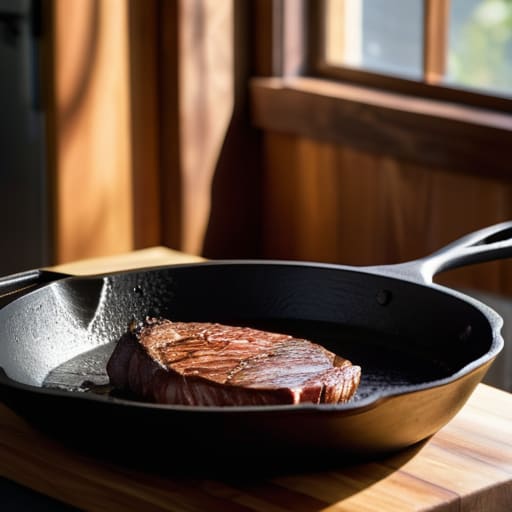
    The real debate usually boils down to automatic drip vs pour over methods. An automatic machine offers convenience, but you’ll want one with a metal heating element that won’t corrode. On the other hand, a manual pour-over setup is nearly indestructible because there are simply no electronic parts to fry. I prefer the latter; there’s a certain satisfaction in a tool that requires a bit of skill but offers zero mechanical failures. Regardless of which path you take, prioritize simplicity. A tool that is easy to clean and easy to repair is the only way to ensure your morning ritual stays consistent for decades.

    Automatic Drip vs Pour Over Finding Your Permanent Ritual

    Automatic Drip vs Pour Over Finding Your Permanent Ritual

    When you’re weighing automatic drip vs pour over, you aren’t just choosing a way to make caffeine; you’re deciding how much friction you want in your morning routine. An automatic drip machine is the choice for the person who values efficiency and consistency without the fuss. If you go this route, don’t buy some flimsy, plastic contraption with a thousand unnecessary buttons. Look for a machine with a thermal carafe and metal heating elements—things that can actually be repaired rather than replaced.

    On the other hand, if you have the patience, a pour over setup is the ultimate way to master your home barista essentials. It requires a bit more discipline and a decent grinder to get the right texture, but the control you gain over the extraction is unmatched. It’s a tactile, intentional process that turns a chore into a ritual. Whether you prefer the push-button ease of a machine or the manual precision of a dripper, my advice remains the same: invest in high-quality components that won’t need to be tossed in the bin after a year of heavy use.

    Five Rules for Buying a Machine That Won't Quit on You

    Five Rules for Buying a Machine That Won't Quit on You
    • Look for metal and glass, not plastic. If the main body of the machine feels like a lightweight toy, it’s going to crack or warp within a year. I want to see stainless steel and heavy-duty glass—materials that can handle heat without degrading.
    • Prioritize repairability over convenience. Before you pull the trigger on a purchase, check if you can actually buy replacement parts. A machine that is “sealed” and impossible to open is just future landfill waiting to happen.
    • Avoid the “smart” gadget trap. I don’t need a coffee maker that connects to my Wi-Fi or requires a software update just to brew a cup. Every extra circuit board and digital screen is just one more thing that can short out and render the whole unit useless.
    • Check the footprint and the build. A sturdy machine should have weight to it. If it slides across your counter every time you press a button, the internal components are likely flimsy. You want something that sits solid and stays put.
    • Demand simplicity in design. The fewer moving parts and complex electronic interfaces a machine has, the longer it will serve you. A well-built manual brewer or a straightforward drip machine will outlast any high-tech monstrosity every single time.

    The Bottom Line on Your Morning Brew

    Stop looking at the shiny digital displays and start looking at the materials; if it’s mostly cheap plastic, it’s designed to be thrown away, so stick to stainless steel, glass, or ceramic.

    Don’t get blinded by “smart” features that require a Wi-Fi connection to boil water; a simple, manual process is much harder to break and much easier to repair.

    Calculate the cost over five years, not the price on the tag today; a slightly more expensive machine that lasts a decade is a bargain compared to replacing a cheap one every single year.

    ## The Cost of Cheap Convenience

    “A coffee maker shouldn’t be a disposable gadget you replace every time a plastic gear snaps; it should be a piece of equipment that becomes a reliable part of your morning ritual for decades.”

    Hugo Steenkamp

    Making the Right Call

    Making the Right Call for coffee makers.

    At the end of the day, choosing a coffee maker isn’t about finding the flashiest gadget on a social media feed; it’s about deciding what belongs on your kitchen counter for the next decade. Whether you decide on the reliable simplicity of a pour-over or the consistent efficiency of a high-quality drip machine, the goal remains the same: avoid the plastic junk. Look for build quality over bells and whistles and prioritize materials like stainless steel or heavy glass that won’t crack under pressure. If you focus on the mechanics and the durability of the components, you’ll find that you aren’t just buying a way to make caffeine—you are investing in a reliable piece of equipment that won’t be sitting in a landfill by next year.

    My advice is simple: stop chasing the latest trend and start building a kitchen that reflects stability. There is a quiet satisfaction in knowing that the tools you use every single morning are built to endure, just like the vintage hand planes I spend my afternoons restoring. When you buy something well, you stop worrying about replacements and start focusing on the ritual itself. Don’t settle for disposable culture. Buy it once, buy it right, and let your morning coffee be a testament to sensible, lasting quality.

    Frequently Asked Questions

    Is it actually worth paying more for a stainless steel machine when the plastic ones seem to do the job just fine?

    Look, I’ve seen enough supply chain failures to know that “cheap” is usually the most expensive way to buy something. Those plastic machines might work fine for a few months, but plastic degrades, cracks, and leaches flavors into your coffee over time. If you want a machine that stays on your counter for a decade rather than a season, pay the premium for stainless steel. It’s sturdier, easier to clean, and won’t end up in a landfill by next year.

    How do I know if a coffee maker is easy to repair, or am I just buying a future piece of landfill?

    Look for machines with modular designs and accessible screws, not those held together by proprietary glue or snap-on plastic tabs. If you can’t open the casing without breaking a clip, it’s junk. I always check if the manufacturer sells replacement heating elements, gaskets, or even just a simple carafe. If the company doesn’t stock spare parts, they aren’t selling you a coffee maker; they’re selling you a future piece of landfill.

    Which brewing method is most efficient for someone who wants a good cup without a mountain of disposable filters to throw away?

    If you want to avoid a mountain of waste, skip the paper filters and go with a French Press or a stainless steel mesh pour-over. I can’t stand seeing those bleached paper filters piling up in the bin every single morning. A heavy-duty French Press is a workhorse; it’s simple, there are no disposables involved, and if you treat the glass with a bit of respect, it’ll serve you for decades.