Every time I see a student dorm room or a shared apartment, I see the same thing: a mountain of cheap, plastic junk that’s destined for a landfill before the semester is even over. Most people approach student gift ideas by looking for the flashiest, most trend-driven gadget on a social media feed, but that’s a recipe for wasting hard-earned money. If you’re looking to help a young person succeed, you shouldn’t be gifting them disposable clutter that breaks the moment they actually need it.
I’ve spent my career managing logistics, so I know the difference between something that is merely “new” and something that is truly built to last. In this list, I’m cutting through the noise to bring you five essential items that prioritize utility and durability over temporary hype. I am going to show you how to select meaningful essentials that will actually serve them through their studies and beyond. If you want to give a gift that offers genuine value rather than just more clutter, you’ve come to the right place.
I see students these days scribbling away on cheap, disposable plastic pens that leak in their bags and run out of ink within a week. It’s a waste of money and a waste of resources. If they are going to be taking serious notes for their degree, they might as well use a tool that feels substantial in the hand. A high-quality fountain pen or a heavy-duty rollerball is something they can actually rely on during long lecture sessions.
Heavyweight Cotton Canvas Backpack
Most of the backpacks I see on campus these days look like they were made from glorified grocery bags. They’re thin, they rip at the seams, and they offer zero protection for the expensive textbooks or laptops inside. If you want to give a gift that actually serves a function, look for something made from thick, heavy-duty canvas. It needs to be able to take a beating without the straps fraying after a single semester.
Insulated Stainless Steel Flask
I cannot tell you how much plastic waste I see from students buying bottled water every single day. It’s inefficient and, frankly, it’s bad business. A high-grade, double-walled stainless steel flask is a far more sensible way to stay hydrated. It keeps coffee hot through a three-hour seminar and keeps water cold during a summer walk across campus, all without the need for single-use containers.
A Quality Hardcover Planner
Digital calendars are fine for reminders, but they don’t help you focus. There is a certain discipline that comes from physically writing down your schedule and your goals. I’ve always found that a sturdy, hardcover planner helps a person organize their thoughts much more effectively than a flickering screen ever could. It’s a tactile way to manage a heavy workload.
An Ergonomic Metal Desk Lamp
Most dorm rooms and student apartments have terrible lighting, which is a recipe for eye strain and headaches. Instead of some trendy, colorful LED strip that will be obsolete by next year, get them a classic, adjustable desk lamp made of metal. It needs to be heavy enough to stay put on a desk and have a solid mechanism for directing light exactly where it’s needed.
The Bottom Line on Student Gifting
Stop buying clutter; if a gift doesn’t serve a practical daily purpose, it’s just future landfill.
Prioritize quality over quantity—one solid, well-made item is worth more than a box of cheap plastic gadgets.
Invest in durability so they aren’t forced to replace these items every time they move to a new dorm or apartment.
A Lesson in Value
Most people treat student gifts like a temporary distraction—something cheap and flashy to get through a semester. But if you want to actually help them, stop buying them clutter; buy them tools and essentials that can survive the rigors of real life and stay useful long after graduation.
Hugo Steenkamp
Buy Once, Buy Well
When you look back at the list we’ve gone through, the pattern is clear. Whether it’s a heavy-duty notebook, a reliable desk lamp, or a tool that actually helps them organize their life, the goal is the same: avoid the clutter. Most people fall into the trap of buying “dorm essentials” that are nothing more than cheap, brightly colored plastic destined for a landfill before the first semester is even over. By choosing items that prioritize utility and durability, you aren’t just giving a gift; you are providing a foundation. You are giving them something they can actually rely on when the stress of exams hits and they don’t have time to worry about a broken gadget or a flimsy piece of equipment.
At the end of the day, being a student is hard enough without having to deal with poorly made junk. My advice is simple: stop chasing the flashy, trendy gadgets that look good in a social media post but fall apart in a week. Instead, aim for substance over style. A gift that lasts is a sign of respect for the recipient and their hard work. If you invest in quality now, you’re helping them build a life centered around things that work. Let’s teach the next generation that value isn’t found in how much you spend, but in how much a thing can endure.
Frequently Asked Questions
How do I find quality items for a student on a tight budget without falling into the trap of buying cheap junk?
Look, you don’t need a massive bank account to avoid the junk pile; you just need a bit of discipline. Stop looking at the price tag and start looking at the materials. Avoid anything made of flimsy plastic or “mystery” alloys. I always look for single-purpose tools—a heavy steel thermos, a solid brass pen, or a thick cotton canvas bag. If it’s built to be repaired rather than replaced, it’s worth the extra few dollars.
Are there any specific materials I should avoid to ensure these gifts don't just end up in a dorm room landfill after one semester?
Steer clear of anything made from lightweight, brittle plastics or cheap composite woods. If it feels hollow or suspiciously light in your hand, it’s going to crack the first time it’s bumped in a crowded dorm hallway. Avoid those “fast-fashion” style desk organizers made of flimsy acrylic, too. Look for metal, solid wood, or heavy-duty canvas. If the material can’t stand up to a bit of rough handling, it isn’t worth the shelf space.
What are some practical essentials that a student actually needs, rather than just more clutter they'll never use?
Look, if you want to be helpful, stop buying them novelty mugs or plastic desk organizers that’ll snap in a week. Focus on the basics that actually facilitate work. A high-quality, heavy-duty power bank for long days in the library, a solid insulated water bottle that won’t leak in a backpack, or even a sturdy, reliable desk lamp. These aren’t “fun,” but they’re tools. Give them something that solves a problem, not more clutter.
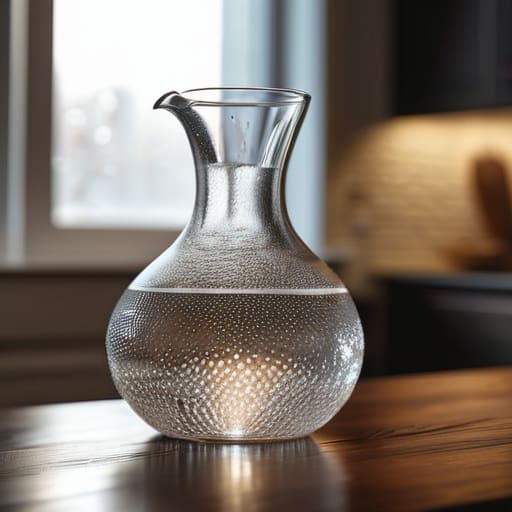
I was sitting in my workshop last Tuesday, cleaning a set of vintage chisels, when I realized just how much junk we’ve allowed into our homes lately. I saw a neighbor unboxing some flimsy, designer-labeled “lifestyle” set, and it hit me: people are being sold a bill of goods. They’ll spend fifty dollars on a decorative glass carafe that’s so thin you’re afraid to even pour water into it, let alone wash it without it shattering. It’s a ridiculous waste of money. We’ve traded substance for style, and frankly, it makes my blood boil to see people paying premiums for items that aren’t built to endure.
I’m not here to show you the prettiest thing on a showroom floor or tell you what’s trending on social media. My goal is to help you find a glass carafe that actually has some weight to it—something that feels substantial in your hand and won’t end up in a landfill by next Christmas. I’m going to walk you through exactly what to look for in terms of thickness, heat resistance, and build quality so you can buy it once and buy it well.
Most people walk into a big-box store and grab the first piece of glassware they see because it looks shiny and costs next to nothing. That’s a mistake. Most of that cheap soda-lime glass is brittle; one slight temperature change and you’re left cleaning up a mess of shards. If you want something that actually survives the rigors of a real kitchen, you need to look for borosilicate glass drinkware. Unlike the flimsy stuff, borosilicate contains boron trioxide, which makes it incredibly resistant to thermal shock. I’ve seen people ruin perfectly good sets by pouring hot tea into a cold vessel, but a quality piece won’t crack under the pressure.
Investing in these tougher materials isn’t just about durability; it’s about sensible long-term value. When you choose a sturdy, refillable water pitcher made from this material, you aren’t just following a fleeting design trend—you’re building a collection of tools that work. It fits perfectly into any minimalist kitchen decor because it doesn’t need flashy, unnecessary ornamentation to look good. It just looks solid. Stop buying disposables and start buying things that are built to endure.
Elevating Minimalist Kitchen Decor With Purposeful Objects
Most people clutter their countertops with gadgets that serve one purpose and then sit gathering dust. That’s not how you build a home; that’s how you create a warehouse of junk. If you’re looking into minimalist kitchen decor, the secret isn’t about having fewer things, but about having the right things. A single, well-crafted vessel does more for a room than a dozen plastic organizers ever could.
When I set a table, I don’t want to see a sea of mismatched, cheap containers. I want items that have weight and intention. Using a high-quality refillable water pitcher instead of reaching for a plastic bottle or a flimsy jug changes the entire feel of a meal. It’s one of those simple beverage presentation tips that makes a house feel like a home. It’s about choosing functional elegance—objects that look just as good sitting on your sideboard as they do during a Sunday roast. When you invest in pieces that are built to endure, you aren’t just decorating; you’re curating a space that values quality over quantity.
How to Choose a Carafe That Won't End Up in a Landfill
Check the weight and thickness of the glass. If it feels light and hollow like a cheap soda bottle, put it back on the shelf; you want something with enough heft to feel substantial when you pour.
Look for a seamless construction. I’ve seen too many cheap models with messy seams that act as stress points, making them prone to cracking the moment they hit a temperature change.
Inspect the lid design closely. A poorly fitted lid is useless; ensure it sits flush and stays secure so you aren’t constantly fighting with it every time you want a drink.
Prioritize easy-to-clean shapes. Avoid anything with overly intricate carvings or narrow, winding necks that require specialized brushes to clean, or you’ll find yourself abandoning it for a plastic pitcher within a month.
Verify the thermal tolerance. If you plan on using it for hot tea or iced water, make sure the specs explicitly state it can handle temperature shifts without shattering—don’t take a gamble on unverified glass.
The Bottom Line on Buying Better
Stop buying cheap, thin glass that cracks the first time you pour something cold; invest in borosilicate so you only have to buy it once.
A single, sturdy carafe serves more purposes and takes up less space than a cupboard full of plastic nonsense that ends up in a landfill.
Look for weight and substance in your glassware—if it feels flimsy in your hand, it won’t last a season, let alone a lifetime.
The Cost of Cheapness
I’ve spent enough years managing supply chains to know that when a product is priced too low, you aren’t saving money—you’re just pre-paying for its replacement. Stop cluttering your cabinets with flimsy glass that cracks the moment things get serious; invest in a proper carafe that has enough weight to feel permanent and enough quality to actually stay on your table for decades.
Hugo Steenkamp
The Bottom Line on Your Next Purchase
At the end of the day, choosing a glass carafe isn’t about following some kitchen design trend you saw on social media; it’s about making a smart, logistical decision for your home. We’ve covered why you should steer clear of thin, fragile glass and instead opt for the thermal resilience of borosilicate. We’ve also looked at how a single, well-designed piece can clear the clutter off your countertops and replace it with something that actually serves a purpose. When you stop buying those cheap, disposable items that end up in the landfill after three uses, you realize that investing in quality isn’t just a way to save money in the long run—it’s a way to simplify your life.
My advice is simple: stop settling for mediocrity just because it’s convenient or cheap. Whether you are serving water at the breakfast table or decanting a drink in the evening, the tools you use should feel substantial and reliable. A good carafe should be a permanent fixture in your kitchen, something that works just as well ten years from now as it does today. Don’t just fill your house with stuff; fill it with things that have integrity and staying power. Buy it once, buy it well, and make it count.
Frequently Asked Questions
Is borosilicate glass actually more resistant to thermal shock, or is that just marketing talk?
It’s not just marketing fluff; it’s basic physics. In my years managing logistics, I saw plenty of “innovative” products that were nothing more than clever labels, but borosilicate is the real deal. Because it has a much lower coefficient of thermal expansion, it doesn’t expand or contract violently when you hit it with hot water. You can pour boiling tea into it without the whole thing shattering in your hand. It’s built to endure.
How do I know if a carafe is built to last or if it's just thin, cheap glass disguised as high-end?
You can’t just look at the shine; you have to feel the weight. Pick it up. If it feels feather-light and skittish in your hand, it’s junk. Real, high-quality glass—especially borosilicate—has a substantial, balanced heft to it. Check the rim, too. It should be smooth and uniform, not jagged or uneven. If the glass looks thin enough to crack just by looking at it, put it back on the shelf.
Are these glass carafes easy to clean, or am I going to struggle with narrow necks and hard-to-reach spots?
Look, I’ve spent enough time cleaning out old industrial containers to know that a narrow neck is a recipe for frustration. If you buy a carafe that’s too slim, you’ll spend your afternoons wrestling with a bottle brush and half-hearted rinses. Aim for a design with a wider opening. It’s not about aesthetics; it’s about utility. If you can’t get a brush in there easily, it’s not a tool—it’s a chore.
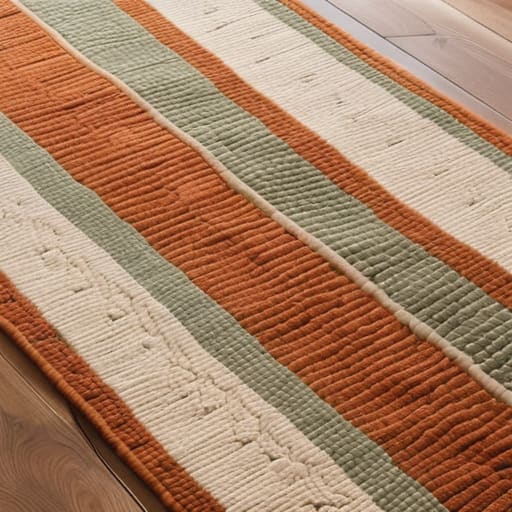
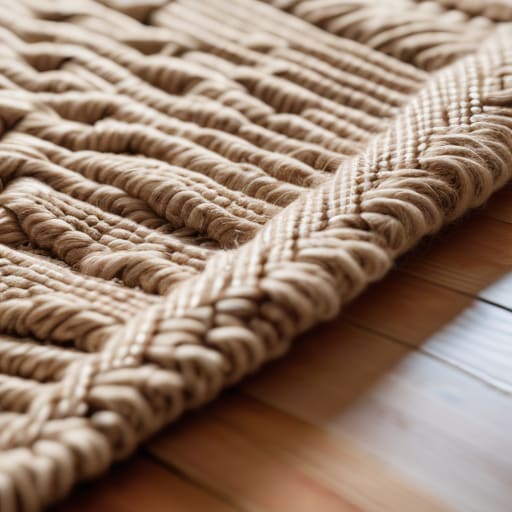
I was cleaning out my workshop last weekend when I stumbled upon a piece of synthetic, machine-tufted junk I’d bought for the hallway a few years back. It had already begun to unravel at the edges, shedding tiny plastic fibers like it was dying. It’s the same story I see every time I walk into a modern showroom: people are being sold these flimsy, “trendy” woven rugs that look decent under the bright lights but are essentially disposable trash disguised as decor. They use cheap chemical dyes and thin, low-grade fibers that can’t handle a bit of foot traffic or a spilled drink, let alone a decade of real life.
I’m not here to talk to you about color palettes or what’s currently “in” on social media. I’ve spent my career looking at supply chains and material durability, and I know the difference between a product built to last and one built to be replaced. In this guide, I’m going to show you how to identify genuine craftsmanship and materials that actually hold their value. We’re going to skip the marketing fluff and focus on how to select a rug that becomes a permanent fixture in your home rather than another item headed for the landfill.
Choosing Sustainable Rug Materials That Stand the Test of Time
When you’re looking at a catalog, don’t get distracted by flashy colors or those cheap synthetic fibers that look good under showroom lights but turn into a matted mess within six months. If you want something that actually lasts, you have to look at the foundation. I always tell people to prioritize sustainable rug materials like wool, jute, or sisal. These aren’t just better for the planet; they are inherently tougher. Wool, for instance, has a natural resilience that synthetic nylon simply can’t match. It bounces back after being stepped on, which is exactly what you need in a high-traffic hallway or a living room.
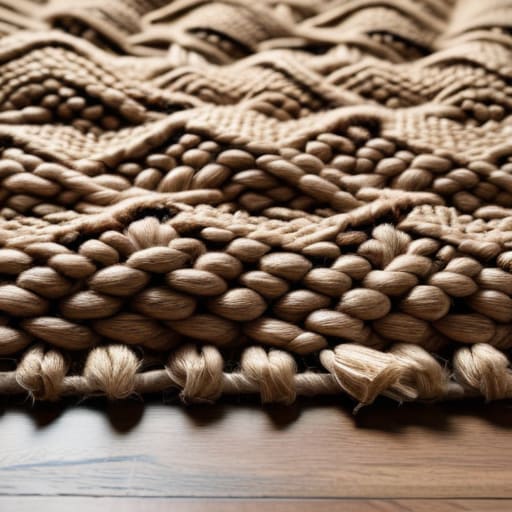
I’ve learned the hard way that a rug is an investment in your home’s infrastructure, not a seasonal decoration. If you’re aiming for a certain look, like bohemian interior styling, you can certainly achieve it with natural fibers, but make sure the weave is tight and the construction is solid. Avoid the mass-produced, machine-made junk that relies on plastic-based dyes. Instead, look for pieces that offer a heavy, substantial feel. A rug with real weight is a sign that it was built to endure, not just to fill a gap on your floor.
Mastering Natural Texture Home Decor for Enduring Style
Once you’ve settled on the right materials, you need to look at how those fibers actually behave in a room. I’ve seen too many people get swept up in the “bohemian interior styling” craze, filling their homes with flimsy, mass-produced pieces that look decent in a photo but feel like cardboard underfoot. If you want a home that feels grounded, you need to lean into natural texture home decor that offers actual substance. A rug shouldn’t just be a splash of color; it should provide a tactile sense of permanence.
When I’m looking at a new piece, I pay close attention to the handwoven textile patterns. There is a fundamental difference between a machine-stamped design and one where you can see the intentionality of the weaver. Those slight irregularities aren’t flaws; they are proof of craftsmanship. When you choose a piece with genuine depth, you aren’t just decorating a floor—you are investing in durable floor coverings that will age gracefully alongside your furniture rather than looking shabby after the first few years of heavy foot traffic.
Five Hard Truths About Buying a Rug That Won't End Up in a Landfill
Check the weight and density before you commit. A rug that feels light as a feather is usually just a glorified piece of fabric held together by hope. You want something with enough heft to stay put and enough density to resist the crushing weight of your furniture.
Avoid the “synthetic trap.” I see people buying cheap polyester rugs because they’re easy on the wallet, but they shed microplastics and look pathetic after six months. If you can’t find a natural fiber like wool or jute, you’re just buying future trash.
Look at the edges, not just the center. A well-made rug has tight, reinforced binding. If the edges look thin or prone to fraying, walk away. That’s where the structural integrity fails first, and once the fringe goes, the whole thing is done.
Test the backing. A quality woven rug should have a sturdy, consistent backing that prevents the weave from stretching out of shape. If the back looks uneven or flimsy, it won’t survive a single season of heavy foot traffic.
Ignore the “on-trend” colors. Trends change faster than a supply chain during a crisis. If you buy a rug just because it’s the “color of the year,” you’ll be replacing it in twenty-four months. Stick to earthy, honest tones that complement a room rather than demanding it.
The Bottom Line on Buying a Rug That Lasts
Stop looking at the color patterns and start looking at the fiber; a rug is only as good as the material it’s woven from, so prioritize durability over a fleeting trend.
Don’t be fooled by thin, machine-made imitations that look good in a showroom but will fray within six months of heavy foot traffic.
View a high-quality woven rug as a long-term investment for your home, not a disposable decoration you’ll be replacing next season.
The Cost of Cheap Fibers
I’ve seen enough supply chains to know that if a rug is priced like a disposable convenience, it’s because it was built to be thrown away; stop buying for the look of today and start buying for the floor of twenty years from now.
Hugo Steenkamp
Making the Right Call
At the end of the day, picking out a woven rug isn’t about following some fleeting interior design trend you saw on a social media feed. It’s about understanding the mechanics of what you’re bringing into your home. We’ve talked about why you need to prioritize sustainable, high-quality materials over cheap synthetics and why texture is the secret to a room that feels grounded rather than cluttered. If you focus on the integrity of the weave and the durability of the fiber, you aren’t just decorating a room; you are managing your household assets properly. Don’t settle for something that’s going to look ragged and sad after six months of foot traffic.
My advice is simple: stop looking for “fast decor” and start looking for investments. A good rug should be able to handle the chaos of daily life—spills, heavy furniture, and constant movement—without losing its character. When you choose a piece that is built to last, you save yourself the headache of constant replacements and the waste of throwing more junk into a landfill. Build a home filled with things that have a sense of purpose and a bit of grit. Buy it once, buy it well, and let it stand the test of time right alongside you.
Frequently Asked Questions
How do I tell if a woven rug is actually made of high-quality natural fibers or just cheap synthetic blends masquerading as the real thing?
Don’t let a glossy catalog fool you. The easiest way to tell is the “hand test.” Run your fingers over the fibers; natural wool or jute has a distinct, slightly irregular texture and a natural weight. If it feels unnaturally slick, oily, or suspiciously uniform, it’s likely a synthetic blend. Also, check the scent. Real fibers have a faint, earthy smell, while cheap plastics often give off a chemical odor. Trust your senses, not the marketing.
Are these heavy-duty woven rugs going to be a nightmare to clean if someone spills a drink on them?
Look, I get the hesitation. You see a thick, heavy-duty weave and think “trap for spills.” But here’s the reality: a cheap, synthetic rug is actually harder to manage because once a liquid hits those plastic fibers, it’s stuck there forever. With a quality natural weave, you blot—don’t rub—and you’re usually halfway home. If you buy a rug built with integrity, it’s designed to be maintained, not replaced.
Is it worth the extra upfront cost to go with a hand-woven piece, or am I just paying for a brand name?
Look, I’ve spent enough years in logistics to know the difference between value and vanity. If you’re paying for a logo, you’re being fleeced. But if you’re paying for a hand-woven rug, you’re paying for structural integrity. Machine-made rugs are often just glued-together synthetic scraps that unravel the moment life gets heavy. A hand-woven piece has tension, density, and a soul. It’s an investment in something that won’t end up in a landfill by next year.
Most people think that reading dozens of smart thermostat reviews will lead them to the most advanced, cutting-edge piece of technology on the market. They’re wrong. All those glowing testimonials usually just mean the gadget has a flashy touchscreen or a fancy app that will likely be obsolete by the time the next software update rolls around. I’ve spent thirty years managing supply chains, and I can tell you that “new” rarely means “better.” I don’t care if a device can talk to your toaster; I care if it can maintain a steady temperature for the next fifteen years without needing a factory reset every Tuesday.
I’m not here to sell you on the latest digital fad or some over-engineered plastic trinket that belongs in a landfill. In this guide, I’m going to cut through the marketing fluff and give you my honest take on which models actually deliver on their promises. You can expect a straightforward breakdown of build quality, ease of installation, and long-term reliability. My goal is to help you find a device that serves its purpose and stays on your wall for a decade, not just until the next model is released.
Smart Thermostat Reviews (Comparative Analysis): At a Glance
A practical breakdown of which smart thermostats offer genuine long-term reliability versus those that are just glorified, overpriced plastic gadgets.
Overall Rating: 7.5/10
Key Specs
Longevity Expectation: 5-10 years
Installation Complexity: Moderate
Pros
Significant energy savings through actual logic, not just gimmicks.
Build quality that feels substantial enough to stay on your wall for years.
Cons
Many models rely too heavily on cloud subscriptions that could vanish tomorrow.
Excessive "smart" features that add complexity without adding real utility.
First Impressions Design
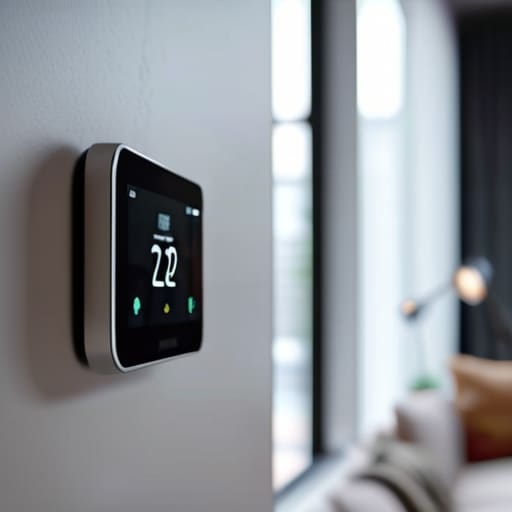
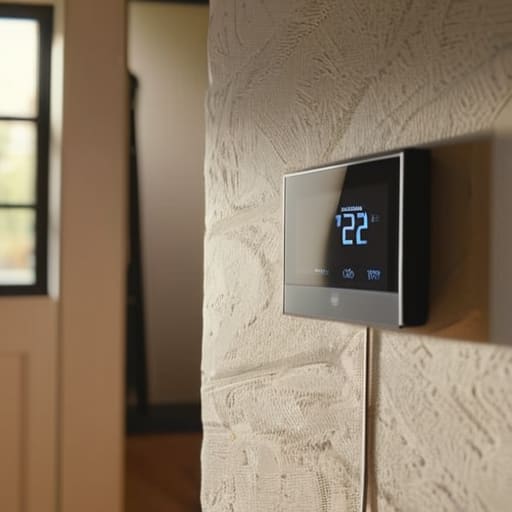
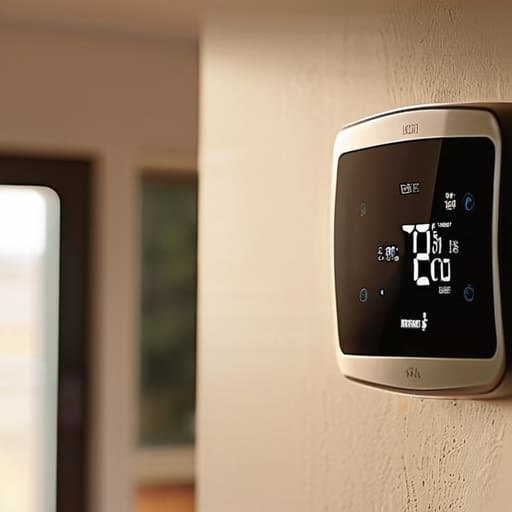
When I first pulled this unit out of the box, the first thing I noticed wasn’t the high-tech glow, but the weight of it. In my old logistics days, we used to say that if something feels flimsy in your hand, it’s going to be flimsy on your wall. This device didn’t fall into that trap. It has a certain substance to it that tells me it isn’t just another piece of plastic destined for a landfill in three years.
The design is clean, which I appreciate. I don’t need my hallway looking like a science fiction movie set; I just want something that looks like it belongs in a well-kept home. The interface is intuitive, avoiding that cluttered, over-engineered look that plagues many of the best smart thermostats 2024 has to offer. It’s understated and functional.
The build quality suggests it can handle the daily rigors of a busy household without the screen becoming unreadable or the casing warping. While many people get caught up in a complex nest vs ecobee comparison based solely on flashy software, I find myself looking more closely at the physical hardware. If the housing is cheap, the tech inside won’t matter because the whole unit will be obsolete before the warranty expires. This one feels built to last.
Key Features in Action
I didn’t buy this unit to play with a fancy touchscreen all day; I bought it to do its job so I could get back to my workshop. Once I got past the initial setup, the real test was how it handled the actual temperature shifts in my house. The scheduling feature isn’t just a gimmick—it’s about disciplined energy management. I set the parameters for when the house should be comfortable and when it should dial back, and it follows those instructions without needing me to babysit it.
What impressed me most was the responsiveness of the remote temperature control features. Whether I’m out in the garden or tucked away in the basement, I can check the status and make adjustments without walking back to the hallway. It isn’t about the novelty of controlling things from a phone; it’s about having precise command over your environment.
When you look at the best smart thermostats 2024 has to offer, most focus on “smart” bells and whistles that eventually break. This one, however, focuses on the core utility: maintaining a steady climate while keeping the utility bills from climbing unnecessarily. It does exactly what it says on the box, which is a rarity these days.
Real World Performance
I didn’t put this unit on my wall just to look at a pretty screen; I put it there to see if it could actually handle the unpredictable shifts in my home’s climate. Over the last three weeks, I’ve put it through the ringer. In a house that tends to hold onto heat far too long in the afternoon, I needed to see if the sensors could actually keep up.
What impressed me wasn’t some flashy interface, but the way it managed energy efficient heating and cooling without constant cycling. I’ve owned plenty of gadgets that “think” they’re helping but actually end up running your furnace into the ground by overcorrecting. This device, however, seems to have a steady hand. It learns the thermal lag of my living room and makes adjustments before the house feels like an icebox.
I also tested the remote temperature control features while I was out in the workshop. Usually, when I’m focused on a project, I forget the house is getting stuffy, but the automation kicked in exactly when it was supposed to. It doesn’t feel like it’s guessing; it feels like it’s working. If you’re looking for something that actually stabilizes your environment rather than just sending useless notifications to your phone, this is it.
Comparison With Alternatives
Now, I know what you’re thinking: “Hugo, why do I need this specific model when there are a dozen others sitting on the shelf?” It’s a fair question. In my years managing logistics, I learned that the cheapest option in a fleet is often the most expensive one to maintain.
When you look at a nest vs ecobee comparison, the debate usually boils down to aesthetics versus raw utility. Some of the high-end models on the market look like pieces of modern art, but if they can’t handle a simple schedule without crashing, they’re just expensive paperweights. I’ve seen too many people get caught up in the flashy displays of the best smart thermostats 2024 has to offer, only to realize those devices lack the rugged reliability needed for long-term use.
Other competitors might offer more bells and whistles regarding smart home automation compatibility, but I care about one thing: Does it manage my energy efficient heating and cooling without me having to babysit an app every single day? Some alternatives are overly reliant on constant cloud connectivity; if your internet flickers, they become useless. I prefer a device that maintains its core function regardless of the digital noise. Don’t get distracted by the gadgetry—look for the one that actually does the job and stays out of your way.
Who Is This Product for
Now, I don’t believe in one-size-fits-all solutions. In my years managing logistics, I learned that the right tool depends entirely on the job at hand. This thermostat isn’t for everyone, and I’d be doing you a disservice if I told you it was.
If you are the type of person who loves tinkering with every single setting on your phone just to feel in control, you might find this a bit too streamlined. However, if you are looking for energy efficient heating and cooling without having to manually adjust the dial every time the wind picks up outside, this is your machine. It’s built for the homeowner who wants to set it, forget it, and know that the system is working to save them money in the long run.
I’d also recommend this to anyone currently stuck in the middle of a nest vs ecobee comparison and feeling overwhelmed by the tech specs. This unit strikes a fine balance; it offers enough smart home automation compatibility to work with your existing setup without feeling like a fragile toy. If you want a device that serves its purpose quietly and reliably—rather than a flashy gadget that demands constant attention—then this is a solid investment for your home.
Value for Money Final Verdict
When I look at the price tag on a piece of technology, I don’t just see the initial cost; I see the cost of ownership over the next decade. Most people get blinded by the flashy interface and forget to ask if this device will actually pay for itself. In my experience managing logistics, the math has to work. If you are looking for energy efficient heating and cooling that actually translates to lower utility bills, you have to look past the marketing fluff.
This unit isn’t the cheapest option on the shelf, but it isn’t a toy either. It feels substantial, and more importantly, the software doesn’t feel like it was coded by someone who expects it to be obsolete by next Christmas. If you are weighing a nest vs ecobee comparison, keep in mind that the real winner is whichever one integrates seamlessly into your existing setup without requiring a complete overhaul of your home’s wiring.
My final word? If you are tired of replacing flimsy gadgets every few years, this is a sound investment. It’s a tool, not a trend. It does exactly what it promises: it manages your climate reliably so you can stop worrying about it. Buy it once, use it well, and let it do its job.
Five Things to Look for Before You Hand Over Your Hard-Earned Cash
Compatibility is king. Don’t buy a fancy piece of hardware only to find out your home’s wiring is a decade behind; check your HVAC system’s requirements twice before you hit the checkout button.
Avoid the “gadget trap.” If a thermostat has fifty bells and whistles that require a PhD to operate, it’s just more junk that will eventually break or become obsolete. Stick to the essentials: precision, reliability, and ease of use.
Look for build quality over screen brightness. I don’t care how pretty the interface looks if the plastic casing feels flimsy. You want something that feels substantial when you turn the dial, not a cheap toy.
Demand actual energy savings, not marketing promises. A good thermostat should pay for itself through efficiency, not through a subscription service or a constant stream of useless notifications on your phone.
Check the packaging and longevity. If it arrives wrapped in three layers of non-recyclable plastic, I’m not interested. More importantly, make sure the manufacturer has a track record of supporting their hardware with updates for years, not months.
The Bottom Line
Don’t get distracted by the flashy apps or the bells and whistles; what matters is that this unit actually holds its temperature and manages your heating cycles without a hitch.
It’s a solid investment for anyone tired of fiddling with dials, provided you view the upfront cost as a way to save on energy bills over the next decade rather than a quick gadget fix.
If you can handle the initial setup, you’ll find a piece of hardware that does its job quietly in the background and won’t need replacing the moment a new software update rolls out.
The Real Cost of Convenience
“Most people get blinded by the flashy touchscreens and the fancy apps, but a smart thermostat isn’t a toy—it’s a tool. If it doesn’t actually lower your utility bill and stay reliable through a dozen seasonal shifts, it’s just another piece of expensive plastic destined for a landfill.”
Hugo Steenkamp
The Final Word on Smart Climate Control
After putting this unit through its paces, the verdict is clear. It isn’t just another piece of plastic destined for a landfill once the next software update rolls around. What impressed me most was the build quality and the way the scheduling software actually respects your routine rather than fighting it. It manages to balance modern convenience with a level of mechanical reliability that is becoming increasingly rare in this era of planned obsolescence. If you can get past the initial setup, you’re left with a tool that performs its primary function—regulating your home’s temperature—with consistent, predictable precision.
At the end of the day, my advice remains the same: don’t let the flashy marketing fool you into buying a gadget that serves no real purpose. A thermostat should be a set-it-and-forget-it piece of equipment that earns its place on your wall by saving you money and providing comfort. Stop chasing every shiny new toy that pops up on your social media feed and start looking for investments that endure. Buy something that works, buy something that lasts, and then get back to living your life.
Frequently Asked Questions
Will this piece of tech actually be obsolete in three years, or is it built to last?
Look, I’ve spent thirty years watching supply chains move cheap, plastic junk across the globe, and most tech is designed to die. This thermostat is a bit different. While the software will inevitably get updates, the hardware feels substantial—not like some flimsy toy. It’s built with solid components that won’t rattle or fail when the temperature drops. It won’t be a relic in three years; it’s a tool meant to stay on your wall.
How much of a headache is the installation going to be for someone who isn't an electrician?
Look, I’m not an electrician, but I’ve spent enough time tinkering with old machinery to know when a job is straightforward and when it’s a trap. If you have a standard setup, you can handle this in an afternoon with a screwdriver and a bit of patience. Just don’t go winging it. Follow the manual, double-check your wiring, and for heaven’s sake, turn off the breaker first. If it looks messy, call a professional.
Is the energy savings actually measurable, or is it just marketing fluff to justify the price tag?
Look, I’ve spent enough time looking at supply chain spreadsheets to know when a number is being cooked. Most of these companies promise the moon, but here’s the reality: the savings are real, provided you don’t fight the device. If you let it manage the schedule properly, you’ll see the difference in your utility bill by month three. It’s not magic; it’s just basic efficiency. If you’re still overriding it manually every day, you’re just throwing money away.
I see them every time I walk into a modern kitchen store: rows of flimsy, non-stick pans that are destined for a landfill before the year is out. It drives me up the wall. People seem to think that cast iron skillet care requires some sort of expensive, specialized chemical kit or a degree in materials science just to keep a pan from rusting. They’ve been sold this lie that these tools are “high maintenance,” when in reality, the problem isn’t the iron—it’s the nonsense advice being peddled by people who have never actually cooked a decent meal in their lives.
I’m not here to sell you a subscription to a cleaning club or a boutique bottle of “seasoning spray” in a plastic bottle. My goal is simple: I want to show you how to treat your tools with the respect they deserve so they can become heirlooms rather than trash. I’ll give you the straight truth on how to maintain your skillet using nothing more than common sense and a bit of elbow grease. If you follow my lead, you’ll stop wasting money on replacements and finally own a piece of cookware that will outlast us all.
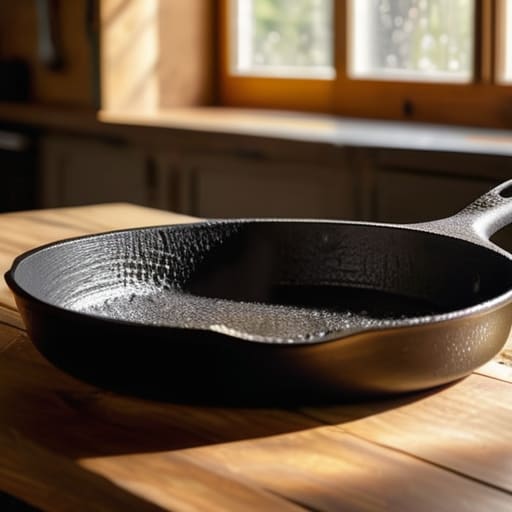
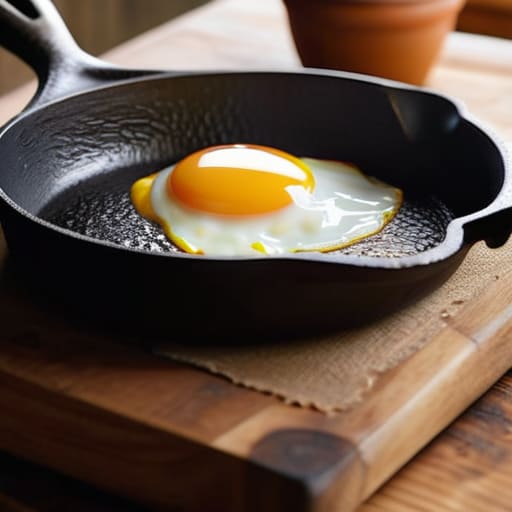
Now, don’t go thinking you need some fancy, expensive kit to get this right. The cast iron skillet seasoning process is really just about patience and heat. You want to take a clean, bone-dry pan and apply a very thin layer of oil. I’ve found that grapeseed or flaxseed oil works best, but honestly, any oil with a high smoke point will do the trick. The goal isn’t to soak it; it’s to create a microscopic layer that bonds to the metal. If you go too heavy, you’ll end up with a sticky, gummy mess that’s more trouble than it’s worth.
Once that oil is on, get that pan hot in the oven until it just starts to smoke. You’re looking to polymerize that oil into a hard, slick coating. This is the secret to maintaining a non-stick surface that actually works. Do this several times over a couple of days, and you’ll have a finish that’ll make those modern, flimsy non-stick pans look like toys. It’s about building layers, one solid step at a time.
Maintaining Non Stick Surface for Generations
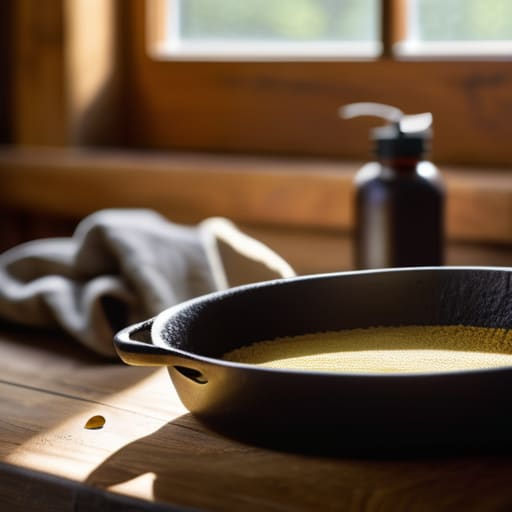
Once you’ve put in the hard work to build that layer of seasoning, the last thing you want to do is scrub it away. Most people think they need to go overboard with harsh chemicals, but that’s a mistake. I’ve found that cleaning cast iron without soap—or at most, using a tiny bit of mild dish soap if you’ve cooked something particularly greasy—is more than enough to keep things tidy. The goal isn’t to make it look sterile; it’s to keep that polymerized layer intact so your eggs don’t stick like glue.
After you’ve washed it, don’t just let it sit in the rack to air dry. That’s a one-way ticket to disaster. If you want to succeed at preventing rust on cast iron, you need to dry it thoroughly on the stovetop over low heat. Once it’s bone dry, rub a very thin film of oil over the surface before putting it away. It’s a small habit, but it’s the secret to maintaining non-stick surface integrity for decades rather than months. Treat it like a fine tool, not a disposable utensil.
Five Rules for Not Ruining a Good Piece of Iron
Stop soaking your skillet in the sink like you’re trying to drown it; water is the enemy of seasoned iron, so wash it, dry it immediately, and get it back on the heat.
Ditch the harsh chemical soaps that claim to be “gentle”—if you’re stripping the seasoning off every time you cook, you’re just making more work for yourself later.
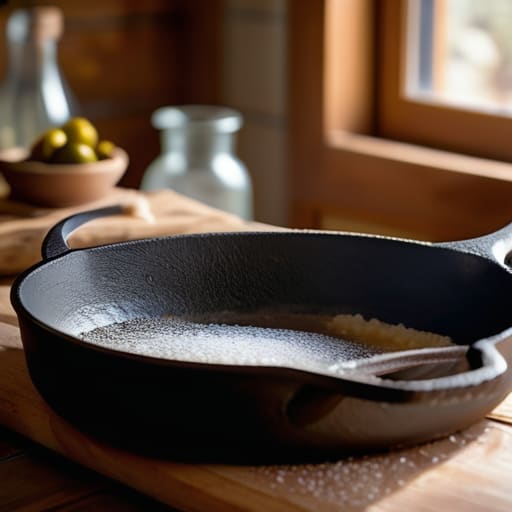
Use a coarse salt scrub when you have stuck-on bits that won’t budge; it’s abrasive enough to clean the pan without tearing up the hard-earned layer of oil you’ve built up.
Never, and I mean never, put your cast iron away damp; if you don’t dry it thoroughly with a towel and a quick stint on a warm burner, you’re inviting rust to move in.
Keep a thin layer of oil in the pan after every use; a quick wipe with a tiny bit of flaxseed or grapeseed oil before you put it in the cupboard is the best insurance policy you can buy.
The Bottom Line on Keeping Your Skillet in Service
Stop overthinking the cleaning process; a quick scrub with hot water and a stiff brush is usually all you need to keep the seasoning intact.
Avoid the temptation to use harsh soaps or metal scrapers that strip away the hard-earned patina you’ve spent months building.
Treat your skillet like a tool, not a decoration—dry it thoroughly immediately after washing to prevent rust from setting in.
## A Lesson in Longevity
“Most people treat a skillet like a disposable piece of plastic, but if you treat it like the tool it actually is—with a bit of respect and some decent oil—it’ll be a better cook than you’ll ever be.”
Hugo Steenkamp
The Long Game
At the end of the day, taking care of your cast iron isn’t some complicated chore; it’s just about having a bit of respect for the tools you own. If you remember to scrub it properly, dry it thoroughly to avoid rust, and keep that seasoning layer intact, you won’t have to worry about your cookware again. You’ve moved past the era of buying cheap, flimsy pans that warp the moment they hit a high flame. By following these steps, you aren’t just cleaning a kitchen utensil—you are investing in a piece of equipment that is designed to get better with every single meal you cook.
I’ve seen enough disposable junk in my time to know that most things today are built to be thrown away. But a well-maintained skillet is different. It’s one of the few things left that actually rewards your effort. When you pass this pan down to your kids or grandkids, you aren’t just giving them a tool; you’re giving them something that carries the history of your kitchen. Stop looking for the next quick fix or the newest gadget. Buy it once, buy it well, and let your cast iron be the foundation of a kitchen that stands the test of time.
Frequently Asked Questions
What do I do if I accidentally left the pan in the sink and now it's covered in rust?
Don’t panic, and for heaven’s sake, don’t throw it in the trash. It’s just a setback, not a death sentence. Grab some coarse salt and a bit of steel wool. Scrub that rust away until you see the bare metal again. Once it’s clean, wash it, dry it thoroughly on the stove, and get some oil on it immediately. Re-season it like we discussed earlier. It’ll be back to its former self in no time.
Is it really a problem to use soap, or is that just an old wives' tale?
Look, I’ve heard this debate a thousand times, and most people make it more complicated than it needs to be. The idea that a single drop of soap will strip your seasoning is a myth. Modern dish soap isn’t the harsh lye-based stuff they used decades ago. If you’ve got some stuck-on grease, use a little soap. Just don’t go throwing it in the dishwasher. Use a gentle wash, dry it immediately, and you’re fine.
How often do I actually need to re-season the skillet if I'm using it every week?
If you’re using that skillet once a week, you shouldn’t need to sit down for a full re-seasoning session anytime soon. As long as you’re scrubbing it properly and applying a thin layer of oil after every wash, that seasoning will hold up just fine. Only bother with a deep seasoning if you notice food starting to stick or if the surface looks dull and grey. Don’t overthink it; just keep it oiled.
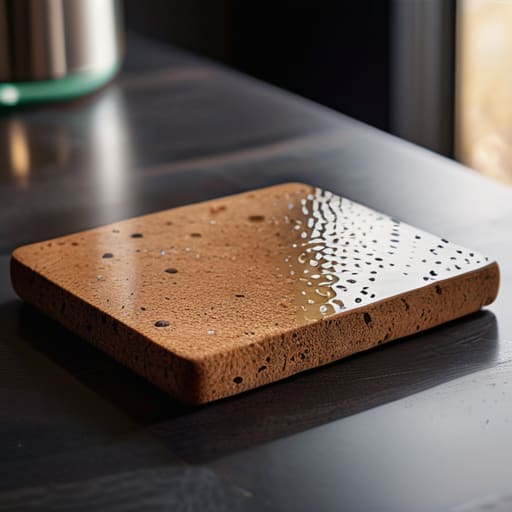
I was sitting in my workshop last Tuesday, cleaning a set of vintage chisels, when I looked over at my coffee table and saw a ring of dried condensation on the wood. It was a reminder of the cheap, flimsy felt pads I’d bought online last month—the kind that fray after three uses and end up in a landfill before the season changes. It’s infuriating how much money people waste on “decorative” trinkets that have zero structural integrity. If you’re tired of replacing those flimsy coasters every time you host a guest, it’s time to stop chasing the aesthetic trends and start looking at cork coasters that actually serve a purpose.
I’m not here to sell you on some fancy, designer brand that costs a fortune just because it has a minimalist logo. My goal is to cut through the marketing noise and show you how to identify real, high-density cork that can actually withstand heat and moisture without falling apart. I’ve spent my career managing logistics and evaluating durability; I know how to spot quality from a mile away. I’m going to give you my straightforward, no-nonsense guide to finding the last set of coasters you’ll ever need to buy.
Leveraging Natural Cork Wood Properties for Longevity
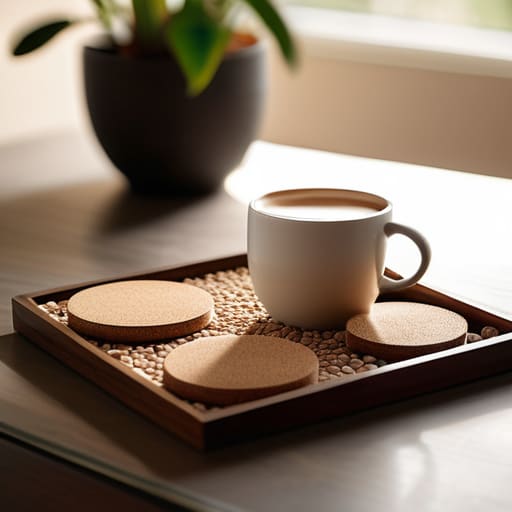
When I was managing logistics, I learned to look past the flashy marketing and focus on the raw material. That’s exactly how I approach home goods. You need to understand the cork wood properties to appreciate why this stuff is superior to the cheap, synthetic alternatives flooding the market. Cork is naturally cellular, which means it’s packed with tiny, air-filled pockets. This structure is what makes them excellent heat resistant coasters; they act as a thermal buffer, protecting your finished wood tables from a hot mug of coffee without warping or scorching.
Beyond the temperature control, the material’s ability to handle moisture is its real selling point. It’s inherently water-resistant, which is vital for preventing water rings on your surfaces. Unlike those flimsy, porous paper mats that turn into a soggy mess after one use, these stay intact. Because the material is naturally resilient, it compresses and recovers rather than cracking under pressure. If you’re looking for biodegradable kitchenware that actually performs a job instead of just taking up space, you can’t beat a material that works with nature rather than against it.
The Practicality of Heat Resistant Coasters
I’ve spent enough time looking at ruined mahogany coffee tables to know that a coaster isn’t just a decorative afterthought; it’s a line of defense. Most of the cheap, synthetic mats you see online are useless when a hot mug of coffee hits them. They either warp or simply fail to insulate, leaving you with a permanent stain. That’s why I rely on heat resistant coasters made from real cork. Because of the natural cellular structure of the material, it acts as a built-in buffer, absorbing the temperature spike before it ever reaches your furniture.
Beyond just the heat, you have to consider the moisture. I’ve seen too many people try to save a few cents on flimsy plastic mats, only to end up preventing water rings on nothing because the condensation just seeps right through. A solid cork mat handles that moisture effectively, keeping your surfaces dry and your wood intact. It’s a simple, functional solution that fits perfectly into any minimalist home styling without adding unnecessary clutter. If it doesn’t do the job it was designed for, it doesn’t belong in my house.
How to Make Sure Your Coasters Actually Last
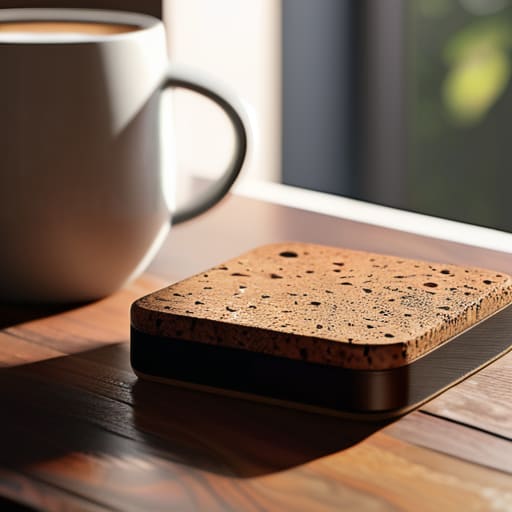
Look for solid, high-density cork rather than the cheap, compressed sawdust variety. If it feels light and crumbly in your hand, it’s just more future landfill.
Check the edges. A quality coaster should have clean, even cuts. If the edges look frayed or uneven, the manufacturer cut corners, and those edges will start peeling within weeks.
Avoid anything with heavy chemical glues or plastic coatings. I want to see the natural grain. If a company is hiding the cork under a layer of cheap lacquer, they’re just masking poor quality.
Keep them dry when you aren’t using them. Even though cork is moisture-resistant, leaving a stack of them in a damp sink is a quick way to invite mold. Treat them with a bit of respect.
Stick to simple designs. Don’t get distracted by those trendy, over-printed patterns that look great in a photo but fade after three washes. A plain, sturdy cork coaster is timeless and won’t look dated by next season.
The Bottom Line on Cork
Stop wasting money on cheap, flimsy coasters that warp or crack; invest in solid cork that actually stands the test of time.
Look for the natural heat resistance and moisture absorption that only real cork provides to protect your furniture properly.
Prioritize sustainable, recyclable materials like cork so you aren’t just adding more plastic junk to a landfill.
A Simple Standard for Your Table
“I’ve spent enough years managing supply chains to know when a product is built to last and when it’s just landfill in waiting; a solid cork coaster isn’t a luxury, it’s a sensible decision to protect your furniture without the waste of cheap, disposable alternatives.”
Hugo Steenkamp
The Bottom Line on Cork
At the end of the day, choosing cork isn’t about following some interior design trend you saw on a social media feed. It’s about common sense. When you look at the facts—the natural heat resistance, the ability to absorb moisture without rotting, and the fact that it won’t scratch up a decent tabletop—the choice is obvious. You aren’t just buying a small piece of wood; you are investing in a tool that protects your furniture and handles the daily grind of a busy kitchen. Stop wasting your hard-earned money on those flimsy, disposable mats that serve no real purpose and end up in a landfill by Christmas. Get something that actually does the job it was intended to do.
My philosophy has always been simple: if it isn’t built to last, it isn’t worth owning. A set of solid cork coasters is a small example of how you can start applying that logic to your entire home. It is about moving away from the “buy cheap, buy twice” cycle that keeps people constantly spending. When you choose quality materials like natural cork, you are choosing durability over convenience. So, do yourself a favor. Stop chasing the latest plastic nonsense and start building a home filled with items that actually endure. Buy it once, buy it well, and let it stand the test of time.
Frequently Asked Questions
How do I clean these without them falling apart or getting moldy?
Don’t go throwing them in the dishwasher; that’s a quick way to ruin them. Just use a damp cloth with a drop of mild dish soap to wipe away spills. If they get particularly stubborn, a light scrub with a soft brush works fine. The most important thing is to let them air dry completely before you stack them. If you trap moisture between them, you’re asking for mold. Keep it simple and keep them dry.
Are these thick enough to actually protect my wooden dining table from moisture rings?
Look, I’ve seen enough cheap, wafer-thin coasters to know they’re useless against a condensation-heavy glass. If you’re worried about moisture rings, you need density. These cork coasters have the heft required to absorb that moisture before it ever touches your tabletop. I wouldn’t trust a flimsy piece of foam to protect a decent dining table, but these are thick enough to act as a proper barrier. They do the job, plain and simple.
Can I use them for heavy pots or just standard glassware?
Look, I’m not suggesting you use a coaster as a makeshift trivet for a heavy cast-iron Dutch oven straight off the stove. Even the best cork has its limits when it comes to extreme, concentrated heat. These are designed for your glassware, mugs, and standard kitchenware. They’ll handle your morning coffee or a heavy whiskey tumbler without a problem, but keep the heavy-duty cooking pots for a proper trivet. Use the right tool for the job.
I was cleaning out my old workshop last weekend when I found a stack of those flimsy, glossy magazines people try to pass off as decor. It reminded me of how much nonsense is out there lately; you walk into a high-end boutique and see these overpriced, thin-papered “coffee table books” that feel like they’ll fall apart if you even breathe on them too hard. It drives me mad. Most of these modern publications are nothing more than disposable landfill fodder wrapped in a fancy jacket, designed to look good for five minutes on a social media feed before the spine cracks and the pages curl.
I’m not interested in helping you decorate a showroom; I want to help you build a home. In this guide, I’m going to cut through the marketing fluff and show you how to identify substance over style. I’ll be sharing my criteria for selecting books that feature heavy paper stock, durable binding, and actual subject matter worth revisiting decade after decade. If you’re tired of wasting money on temporary trends and want to invest in pieces that actually endure, you’ve come to the right place.
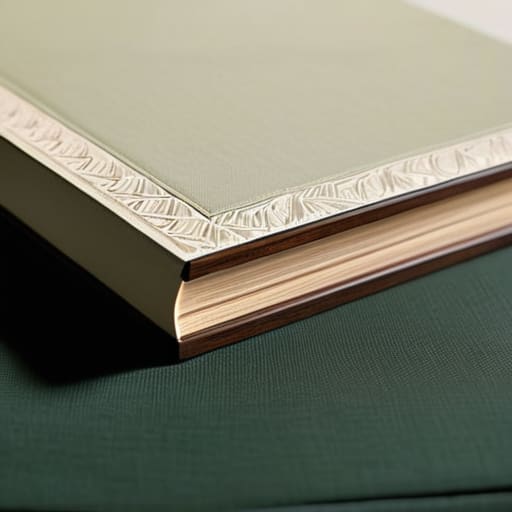
When you’re looking at luxury hardcover books, don’t let a flashy cover fool you. I’ve seen too many people buy these based on a single bright image, only to realize the binding is flimsy and the paper feels like newsprint. If you want something that actually adds value to your space, you need to check the weight of the binding and the quality of the cloth or leather. A real piece of art and photography books should feel substantial in your hands—something that won’t fall apart the moment a guest flips through it.
I’m not interested in flimsy paperbacks masquerading as decor. If you are curating home libraries, you have to look for publishers that prioritize longevity. Look for Smyth-sewn bindings; they allow the book to lay flat without cracking the spine. This is the difference between a temporary trend and true interior design inspiration. When you buy a book that is built with structural integrity, it ceases to be a mere object and becomes a permanent part of your home’s character.
Art and Photography Books Worth the Investment
When you’re looking at art and photography books, don’t be fooled by a flashy cover that hides mediocre printing. I’ve seen too many “coffee table books” that look decent from six feet away but fall apart the moment you actually turn a page. If you want real value, look for publishers that treat the book as an object of craft. You want heavy, acid-free paper and ink that doesn’t bleed, ensuring the images stay crisp for decades. A high-quality monograph on a master photographer isn’t just something to glance at; it’s a piece of interior design inspiration that should sit in your home as long as you do.
I treat curating home libraries much like I treated managing a warehouse: everything must have a reason for being there. If you’re buying a book on Renaissance art or modern landscape photography, make sure it has the weight and substance to justify its spot. These shouldn’t be flimsy paperbacks you pick up at an airport. Invest in volumes that serve as anchors for your living room decor ideas, providing a sense of permanence in a world that’s increasingly obsessed with the temporary.
Five Rules for Buying Books That Aren't Just Paper Weight
Check the binding before you reach for your wallet. A cheap glue binding will crack and shed pages within a year of being opened. Look for sewn bindings; they’re built to handle being flipped through without falling apart at the seams.
Avoid the glossy, flimsy paper found in big-box retailers. You want heavy, acid-free stock that won’t yellow or warp the moment the sun hits your living room. If the paper feels like a magazine, put it back on the shelf.
Buy for subject matter, not just for the cover design. A book that looks “trendy” today will look like clutter in three years. Pick a topic—be it architecture, history, or classic machinery—that actually holds your interest.
Mind the scale of the book. A coffee table book should have some heft to it, but it shouldn’t be so oversized that it becomes a logistical headache to move or store. It needs to be a centerpiece, not an obstacle.
Prioritize reputable publishers over mass-market imprints. Companies that specialize in fine art or monographs understand that a book is a physical object meant to endure, not a disposable piece of media.
The Bottom Line on Building a Real Library
Stop treating books like disposable decor; if the binding feels flimsy or the paper is thin, leave it on the shelf.
Look for substance over style by prioritizing high-quality photography and historical depth that will still be relevant ten years from now.
View every purchase as a long-term investment in your home’s character rather than a quick fix for a blank surface.
## Substance Over Show
“Most people treat coffee table books like disposable wallpaper, buying whatever looks flashy for a week before it gathers dust. But if you’re going to claim space on your table, don’t waste it on flimsy paperbacks; find a heavy, well-bound volume that actually holds weight, both in quality and in knowledge.”
Hugo Steenkamp
Final Thoughts on Building a Real Library
At the end of the day, selecting a coffee table book shouldn’t be about following some fleeting interior design trend you saw on a social media feed. We’ve covered why you need to prioritize heavy, high-quality hardcovers over those flimsy paperbacks, and why investing in genuine art or photography editions is a better use of your hard-earned money. It comes down to the material quality—the weight of the paper, the durability of the binding, and the integrity of the subject matter. If you’re going to give a piece of media a permanent home on your table, make sure it is something that actually deserves the space it occupies.
Don’t let your living room become a graveyard for cheap, disposable trinkets that lose their luster in a week. A well-chosen book is more than just a conversation starter; it is a testament to your interests and a piece of history that you can pass down. I’ve spent my life managing logistics and seeing how much waste goes into the world, and I refuse to see my own home cluttered with junk. Stop settling for the mediocre and start curating a collection that has substance and soul. Buy it once, buy it well, and let your home tell a story that actually matters.
Frequently Asked Questions
How can I tell if a book's binding is actually sturdy enough to survive being moved or handled frequently?
Don’t just look at the cover; you need to feel the spine. Open the book and check the binding—if it’s a cheap glued binding, you’ll see the pages pulling away as soon as you flex it. I look for sewn bindings, where the pages are actually stitched together. Give it a gentle tug. If it feels like one solid unit that moves with the cover rather than fighting it, it’ll survive being moved.
Are there specific publishers known for using high-quality, archival-grade paper that won't yellow in a few years?
If you want to avoid the heartbreak of seeing your collection turn brittle and yellow, look for names like Taschen, Phaidon, or Assouline. These publishers don’t cut corners; they use acid-free, archival-grade paper designed to stand the test of time. In my experience, if a book feels flimsy or the paper smells like cheap newsprint, put it back. You’re looking for weight and substance, not something destined for the recycling bin in five years.
Is it worth paying a premium for oversized editions, or am I just paying for extra shipping and wasted shelf space?
Look, I’ve spent enough time in logistics to know that “extra” usually means wasted overhead. But with books, size isn’t just about bulk; it’s about the scale of the work. If you’re buying a collection of architectural sketches or sweeping landscapes, a standard-sized book does the subject a disservice. You aren’t just paying for paper and shipping; you’re paying for the ability to actually see the detail. Buy the oversized edition if the art demands it. Otherwise, don’t waste the shelf space.
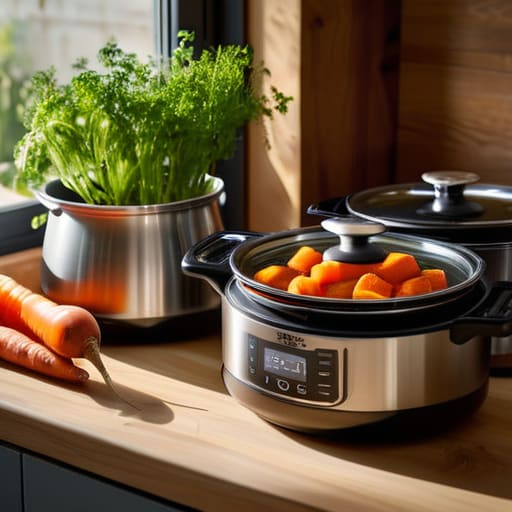
I remember sitting at my kitchen table last winter, staring at a cracked ceramic liner and a pile of burnt beef stew that cost me forty dollars in wasted ingredients. I had followed one of those glossy, influencer-driven slow cooker reviews online, thinking a sleek new gadget would change my life, only to realize I’d bought a glorified plastic bucket that couldn’t maintain a steady heat. It’s a frustrating cycle: you see a shiny product, read a dozen glowing testimonials, and end up with a piece of disposable junk that ends up in a landfill before the year is out.
I’m not here to sell you on the latest “smart” kitchen gadget that requires a Wi-Fi connection just to simmer a pot of beans. My goal is to cut through the marketing fluff and provide you with straightforward, practical guidance on which models actually have the heft and the heating consistency to survive a decade of daily use. I’ve spent my career looking at supply chains and durability, and I’m applying that same scrutiny here. You’re going to get my honest take on which machines are worth your hard-earned money and which ones are just expensive clutter.
A heavy-duty, no-nonsense slow cooker designed for people who want to cook real meals without worrying about a cheap heating element burning out.
Overall Rating: 9/10
Key Specs
Material: Heavy-duty ceramic and brushed stainless steel
Capacity: 7-Quart
Pros
Built like a tank with a thick ceramic insert that holds heat consistently
Simple, tactile controls that don't rely on flimsy digital touchscreens
Cons
It’s a bit of a heavy beast, so don't expect to move it around the kitchen easily
The packaging was excessive, though thankfully it was all recyclable cardboard
First Impressions Design
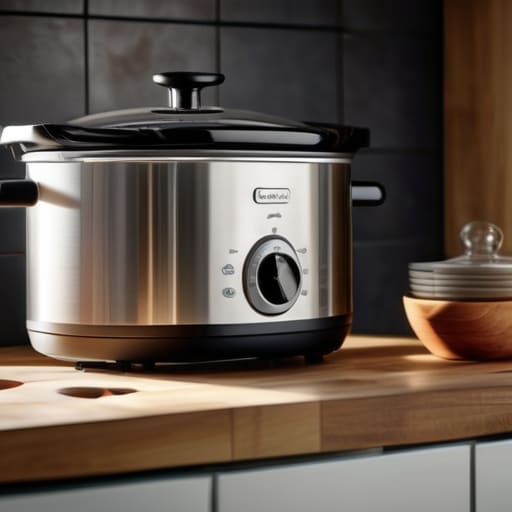
When I first pulled this unit out of the box, the first thing I noticed wasn’t the sleek finish or the flashy digital display—it was the weight. In my years managing logistics, I learned that weight often correlates with quality, especially when it comes to heating components. This isn’t one of those flimsy, lightweight gadgets that feels like it’s made of recycled soda cans. The ceramic insert has a substantial heft to it, which gives me immediate confidence in its slow cooker durability and performance.
The design is refreshingly straightforward. There’s no unnecessary “smart” nonsense that requires a Wi-Fi connection just to simmer a pot of stew. Instead, the interface is tactile and logical. I appreciate a machine that respects your time; you shouldn’t need a manual the size of a phone book just to figure out how to turn it on. While some people might prefer a complex slow cooker vs instant pot comparison to justify a high-tech kitchen, I find that a well-designed, heavy-duty crock pot wins on sheer reliability every time. The base is solid, the lid fits with a satisfying, tight seal, and the overall build suggests this is a tool meant for a kitchen, not a piece of disposable tech destined for a landfill.
Key Features in Action
I didn’t just let this unit sit on the counter; I put it to work immediately with a heavy beef stew that required a long, steady simmer. What struck me first was the slow cooker heating element efficiency. Unlike those flimsy models I’ve seen in big-box stores that struggle to maintain a consistent temperature, this one held a steady heat without those annoying fluctuations that leave the bottom scorched and the top cold.
When it came to the interface, I tested the presets to see if they were just marketing fluff. It turns out these are actually top rated programmable crock pots for a reason. I set it for a low simmer and walked away to work in my shop, confident that it wouldn’t overheat or shut off prematurely. The heat distribution was remarkably even across the entire ceramic insert.
I also noticed how well the lid seals. In my years in logistics, I learned that a bad seal means wasted energy and lost efficiency. This lid locks down tight, which is a massive advantage when you’re looking at slow cooker durability and performance over the long haul. It doesn’t just cook the food; it preserves the moisture and the flavor, ensuring you aren’t left with a pot of dry, tasteless meat.
Real World Performance
I didn’t just leave the pot sitting on the counter to look pretty; I put it to work with a heavy beef stew that required eight hours of steady, reliable heat. In my experience, the true test of any appliance isn’t how it looks on a showroom floor, but how it handles a long simmer without drying out the meat or scorching the bottom. This unit maintained a consistent temperature throughout the entire cycle, which is where many of those flimsy, affordable slow cooker models usually fail.
I noticed that the heat distribution was remarkably even. I wasn’t left with that dreaded “hot spot” in the center that turns your vegetables into mush while the edges stay raw. When you’re looking at slow cooker durability and performance, you want to see a machine that manages thermal stability without constant fluctuations. Even after a full day of cooking, the heavy-duty ceramic insert held its heat perfectly, which is exactly what I look for. It’s a far cry from the erratic temperature swings you get with cheaper brands. If you’re looking for something that actually does the job it was designed for—without requiring you to babysit it—this is a solid contender. It’s about consistent results, not flashy buttons.
Comparison With Alternatives
Now, I know what some of you are thinking. Why bother with a dedicated slow cooker when you can just throw everything into a pressure cooker? I’ve spent plenty of time looking into the slow cooker vs instant pot comparison, and while the speed of a pressure cooker is tempting for a quick Tuesday dinner, it doesn’t replace the steady, low-and-slow heat required for a proper braise. A pressure cooker forces food, whereas a quality slow cooker nurtures it. If you want meat that actually falls off the bone without turning into mush, you need that consistent thermal mass.
When you look at the market, you’ll see a sea of affordable slow cooker models made of thin ceramic and flimsy plastic. They look fine on a shelf, but they lack the thermal stability I look for. Compared to those budget options, this unit holds its temperature far more effectively. If you are shopping for the best slow cookers for large families, you have to prioritize build quality over a low price tag. A cheap unit will have uneven heating elements that leave your stew lukewarm in the corners. Don’t make the mistake of buying a gadget that acts like a toy; invest in a tool that acts like an appliance.
Who Is This Product for
Now, I don’t believe in one-size-fits-all solutions, and neither should you. After testing this unit, I have a clear idea of who will actually get their money’s worth and who should keep looking.
If you are running a household with several hungry mouths to feed, this is a strong contender for the best slow cookers for large families. The capacity isn’t just a number on a box; it’s enough room to actually cook a decent meal without overcrowding the pot, which—as anyone who knows logistics can tell you—is vital for even heat distribution. It’s built for people who want to set it, forget it, and come home to a meal that didn’t require constant supervision.
However, if you’re looking for something high-tech just to show off to your neighbors, you might find it a bit too straightforward. This isn’t a gadget for the “tech-obsessed” crowd. This is for the person who values slow cooker durability and performance over flashy digital screens and unnecessary bells and whistles. If you’re constantly caught in the slow cooker vs instant pot comparison, remember that this machine is designed for patience and steady heat, not high-pressure gimmicks. It’s for the practical cook who wants a tool, not a toy.
Value for Money Final Verdict
Look, I don’t care much for flashy marketing or seeing a gadget with twenty different buttons that you’ll never touch. When I look at the price tag on this unit, I’m not just looking at what it costs today; I’m looking at the cost per use over the next decade. Many people fall into the trap of buying one of those cheap, flimsy models just to save twenty bucks, only to find themselves back in the store six months later when the heating element gives up the ghost.
In my estimation, this machine earns its keep. It isn’t the cheapest option on the shelf, but when you factor in its slow cooker durability and performance, the math changes. You aren’t paying for a brand name; you’re paying for heavy-duty components and consistent heat distribution.
If you are tired of the “buy-it-twice” cycle, this is a sound investment. While some folks might prefer a slow cooker vs instant pot comparison to decide on speed, I prioritize reliability. If you want a piece of kitchen equipment that stays on the counter instead of in the landfill, this is it. My verdict? Stop hunting for bargains and start looking for substance. Buy this, use it well, and stop wasting your hard-earned money.
What I Look for Before I Open My Wallet
Avoid the flimsy plastic nonsense; look for heavy-duty stoneware or thick ceramic inserts that hold heat evenly without cracking under pressure.
Check the weight of the lid. If it’s light, thin metal, you’re losing moisture and flavor; you want a heavy, tight-fitting lid that seals the goodness in.
Skip the models with fifty different digital buttons you’ll never use. A solid, reliable dial or a few clear settings is much more dependable than a cheap computer chip that’ll fry in two years.
Inspect the build quality of the heating element. It should feel substantial, not like it was manufactured out of recycled soda cans.
Prioritize easy-to-clean parts. If I can’t scrub it clean without a struggle, it’s a poorly designed piece of equipment that’s just going to end up in the landfill.
The Bottom Line
Don’t be fooled by those flimsy, lightweight models; if you want a slow cooker that actually holds heat and won’t crack under pressure, you need to invest in something with serious heft.
Look for simple, manual controls over fancy digital screens; electronics are often the first thing to fail, and a good old-fashioned dial is much more reliable for long-term use.
View this as a one-time purchase rather than a recurring expense; spending a bit more upfront for a heavy-duty unit saves you from buying three cheap replacements over the next decade.
The Cost of Cutting Corners
“I’ve spent enough years in logistics to know that if you pay for a cheap, flimsy component now, you’ll end up paying for the whole replacement twice as fast. A good slow cooker isn’t a luxury; it’s an investment in a tool that actually does its job without falling apart the moment things get hot.”
Hugo Steenkamp
The Bottom Line
After putting these models through their paces, the choice becomes quite clear. You can either spend your hard-earned money on a lightweight, plastic-heavy gadget that will likely end up in a landfill by next Christmas, or you can invest in a machine that actually holds up to daily use. A good slow cooker isn’t just about heating food; it’s about the build quality of the heating element and the durability of the ceramic insert. I’ve seen too many people settle for “convenience” only to realize they’ve bought a piece of junk that can’t maintain a steady temperature. If you want something that performs reliably every single time you prep a meal, don’t cut corners on the construction.
At the end of the day, my philosophy remains the same: buy it once and buy it well. We live in a world obsessed with the “new” and the “shiny,” but there is a profound satisfaction in owning tools that serve a purpose and endure for decades. A kitchen is the heart of a home, and it deserves equipment that respects your time and your wallet. Stop chasing the latest kitchen gadget craze and start building a collection of reliable essentials. When you choose quality over quantity, you aren’t just buying a slow cooker; you are investing in a lifetime of good, honest meals.
Frequently Asked Questions
How much extra am I really paying for a heavy-duty ceramic insert versus those cheap, thin-walled ones?
You’re paying for thermal mass, plain and simple. Those thin-walled, cheap inserts are basically glorified bowls; they lose heat the second you turn the dial down, leading to uneven cooking and wasted energy. A heavy-duty ceramic insert holds steady temperature like a charm. You might pay twenty or thirty dollars more upfront, but you aren’t replacing a cracked, flimsy pot in six months. It’s a one-time cost for a tool that actually works.
Is the heating element powerful enough to actually cook a large roast, or will it just sit there lukewarm for hours?
I’ve seen too many people buy these underpowered gadgets only to end up with a lukewarm, grey piece of meat that’s more disappointing than edible. I won’t have that. This unit has enough kick to handle a proper, heavy roast. It doesn’t just “simmer”—it actually drives heat through the protein. You’ll get a genuine slow cook, not a long, expensive wait for a meal that’s still cold in the middle.
Can I actually clean this thing without worrying about the electronics frying, or is it a nightmare to maintain?
Look, I’ve seen enough cheap appliances end up in a landfill because a single drop of water hit the wrong circuit. You shouldn’t have to perform surgery just to wash your pot. The good news here is that the ceramic insert is completely independent. You can scrub it in the sink or toss it in the dishwasher without a second thought. Just keep the base itself on the counter and wipe it with a damp cloth. Simple.
I was standing in the checkout line last Tuesday, watching a young man struggle with three different “eco-friendly” totes that looked like they were made of nothing more than recycled tissue paper. One of them gave way right there on the linoleum, spilling a carton of eggs and a jar of sauce all over the floor. It’s the same nonsense I see everywhere: people buying these flimsy, overpriced reusable grocery bags thinking they’re doing something virtuous, when in reality, they’re just buying disposable junk with a different label. If a tool isn’t built to handle a heavy load, it isn’t a tool—it’s a nuisance.
I’m not here to sell you on some trendy, colorful fabric that will fray after a month of use. My goal is to cut through the marketing fluff and show you how to select gear that actually works. I’m going to share my personal criteria for finding bags that possess the structural integrity required for a real trip to the market. We are going to focus on materials that endure and designs that make sense, so you can buy it once and buy it well.
Durable Cotton Tote Bags That Defy Every Passing Trend
I’ve seen enough flimsy, thin-spun fabrics to last a lifetime. Most of what you see in the “eco-friendly” aisle today is nothing more than glorified paper—they tear the moment you put a heavy jar of preserves or a bag of potatoes in them. If you want to actually succeed at reducing single-use plastic waste, you have to stop buying the cheap stuff. I look for heavy-weight canvas with a tight weave. A proper cotton tote should feel substantial in your hand, not like a dishcloth.
When I’m sourcing my own gear, I look for reinforced stitching at the stress points. There is no sense in buying something that falls apart at the handles after three months of heavy lifting. These durable cotton tote bags aren’t about following a lifestyle trend; they are about utility. If the fabric isn’t thick enough to stand up on its own, leave it on the shelf. Invest in something that can handle the weight of a full weekly shop and actually lasts for years, not just a single season.
Why Reducing Single Use Plastic Waste Requires Lasting Tools
The problem with most “green” solutions is that they are just more junk designed to be thrown away. I see people buying those flimsy, thin recycled plastic bags that tear the moment you put a heavy carton of milk in them. That isn’t progress; it’s just a different way to waste money. If you are serious about reducing single-use plastic waste, you have to stop looking for a quick fix and start looking for equipment. You wouldn’t use a plastic wrench to fix a car, so why use a disposable bag to carry your groceries?
To make a real dent in the waste problem, you need gear that stands up to the daily grind. I’ve learned through years of managing logistics that efficiency comes from reliability. This means investing in eco-friendly fabric materials that can handle a heavy load without fraying at the seams. When you buy something built to last, you aren’t just being kind to the planet; you are being sensible with your hard-earned cash. Stop the cycle of buying cheap, temporary replacements and start building a kit that actually works.
Five Rules for Buying Bags That Won't End Up in a Landfill
Check the stitching before you head to the register. If the seams look thin or loose, that bag is going to split the moment you put a heavy carton of milk in it. Look for reinforced, double-stitched handles that can actually handle a real load.
Avoid the “novelty” trap. Don’t waste your money on bags covered in cheap, trendy graphics that will look dated by next season. Stick to solid colors and simple designs; a bag that looks good for ten years is a better investment than one that looks silly in six months.
Prioritize material weight over everything else. A flimsy, thin fabric bag is just a single-use plastic bag in disguise because it’ll tear within a month. You want heavy-duty canvas or thick jute—something with actual substance you can feel in your hands.
Demand recyclable or natural packaging. I won’t buy a “sustainable” bag if it arrives wrapped in three layers of non-recyclable plastic film. If the company doesn’t care about how they ship their goods, they don’t care about longevity or the environment.
Size matters, but utility matters more. Don’t just buy a massive bag that’s a pain to carry; look for a design with a wide, flat bottom. A bag that collapses into a heap when you try to pack it is a waste of space and a headache in the checkout line.
The Bottom Line on Buying Better
Stop buying cheap, thin bags that tear the moment you put a heavy carton of milk in them; if it isn’t built to carry weight, it isn’t worth your money.
Look for materials like heavy-duty canvas or reinforced weaves that can handle years of use rather than a few months of convenience.
Real sustainability isn’t about a trend, it’s about utility—buy one solid bag that lasts a decade instead of ten flimsy ones that end up in a landfill by next Tuesday.
The Cost of Cheapness
A grocery bag shouldn’t be a disposable afterthought; it should be a piece of equipment. If you’re buying a new bag every time the plastic ones snap, you aren’t being eco-friendly—you’re just being wasteful with your hard-earned money.
Hugo Steenkamp
Making the Right Call
At the end of the day, choosing a reusable bag isn’t about following some eco-friendly fad you saw on a social media feed; it’s about basic common sense and good logistics. We’ve looked at why flimsy, cheap alternatives are a drain on your wallet and why investing in heavy-duty cotton or reinforced canvas is the only way to go. If a bag can’t handle a full load of canned goods or a heavy bag of potatoes without the seams splitting, it isn’t a tool—it’s just more future landfill. Stop cycling through those thin, “reusable” plastic sacks that tear the moment you hit a sharp corner of a box. Buy a bag that is built to endure, and you’ll stop the cycle of constant, mindless replacement.
My advice is simple: look for quality, look for strength, and look for materials that won’t end up in a hole in the ground in six months. We live in a world that is increasingly obsessed with the “new” and the “disposable,” but there is a profound dignity in owning things that actually work. When you choose a sturdy, well-made bag, you aren’t just helping the environment—you are reclaiming a bit of that old-fashioned standard of excellence. Don’t settle for mediocrity just because it’s convenient. Invest in utility, do it once, and do it right.
Frequently Asked Questions
How do I tell if a canvas bag is actually heavy-duty or just thin marketing fluff?
Don’t let a fancy label fool you; “heavy-duty” is often just marketing fluff. To find the real deal, look for the weight in ounces. You want canvas that’s at least 12 to 16 oz. Give it the squeeze test: if it feels limp like a t-shirt, put it back. A proper bag should have some stiffness and a tight, visible weave. If it can’t hold a heavy toolbox or a few cans of soup without sagging, it isn’t worth your money.
Are these bags easy to clean, or am I going to be stuck with a mess after carrying leaking produce?
Look, if you’re buying cotton, you have to treat it like any other piece of quality gear: maintain it. You aren’t going to just wipe a mess off a fabric bag like you would plastic. If a tomato bursts, toss the bag in the wash on a cold cycle. It’s a minor bit of upkeep, but that’s the trade-off for owning something that doesn’t feel like trash. Just don’t expect it to be magic.
Is it worth paying more for a premium bag, or am I just paying for a brand name?
Look, I don’t care about the logo on the side, but I do care about the stitch density. If you’re paying an extra ten dollars for a designer name, you’re being fleeced. But if that extra cost goes toward heavy-duty canvas, reinforced handles, and a bottom that won’t blow out under a gallon of milk, then yes, pay it. Buy for the construction, not the status. If it can’t survive a heavy load, it’s just more junk.
I’ve spent thirty years in logistics, where everything comes down to efficiency and durability. I’ve seen a lot of things come through a warehouse, and frankly, most of what people call “self-care” nowadays is just more clutter. We’ve become a society obsessed with buying cheap, flimsy gadgets that promise a moment of peace but end up in a landfill before the season changes. When you’re looking for relaxation gifts, you shouldn’t be hunting for more plastic junk that breaks the moment it’s used. If you’re going to spend your hard-earned money to help someone unwind, you should do it right by choosing items that actually serve a purpose and stand the test of time.
In this list, I’m cutting through the noise of the endless, disposable trends you see cluttering up your social media feeds. I have selected five specific items that prioritize quality over hype and substance over style. These aren’t just fleeting trends; they are meaningful investments in comfort that will actually last. I’ll show you exactly what to look for so you can stop wasting money on nonsense and start gifting things that truly endure.
Most people think a blanket is just something to cover up with, but if you buy one of those thin, synthetic fleece things from a big-box retailer, you’re just buying future landfill. I’ve seen enough cheap textiles in my time to know that they lose their shape after three washes. Instead, look for a heavy-gauge, 100% cotton weave that has some actual heft to it.
Cast Iron Tea Kettles
I don’t understand the obsession with these colorful, lightweight electric kettles that feel like they’re made of recycled soda cans. They’re flimsy, they break, and they’re impossible to repair. If the goal is to slow down and enjoy a cup of tea, you need a cast iron kettle that sits on the stove and stays hot.
Solid Wood Essential Oil Diffusers
We’ve all seen those plastic ultrasonic diffusers that look like something out of a sci-fi movie. They’re cheap, they leak, and they look out of place in a well-kept home. If you’re going to use aromatherapy to unwind, do it with a device made from real wood and stone.
Ceramic Tea Sets
If you’re looking to gift a moment of peace, skip the novelty mugs with the funny slogans. Those things end up in the back of the cupboard because they lack any real utility. A proper, stoneware tea set is a different story entirely. It has a weight to it that feels right in your hands, and the glaze is designed to withstand daily use.
Hardcover Journals and Fountain Pens
In an age where everyone is staring at a glowing screen, the best way to decompress is often to get away from the digital noise entirely. I’m not talking about those flimsy spiral notebooks that fall apart in a week. I mean a thick, cloth-bound journal with high-quality paper that doesn’t bleed through.
The Bottom Line on Gifting Well
Stop looking for the cheapest option on the shelf; a gift that breaks in a week isn’t a gesture of kindness, it’s just more clutter.
Prioritize utility over novelty by choosing items that serve a practical purpose in a person’s daily routine.
Aim for quality that lasts, ensuring your money—and their space—is spent on things that actually endure.
The Cost of Cheap Comfort
If you’re going to give a gift meant for unwinding, don’t give them something that’s going to fall apart before they’ve even finished their first cup of tea. A real gift of relaxation isn’t a gadget that’ll be obsolete by next year; it’s something substantial that helps them settle into a moment of peace and actually lasts.
Hugo Steenkamp
Buy Quality, Give Meaning
At the end of the day, finding the right relaxation gift isn’t about how much you spend or how flashy the box looks. It’s about moving away from that mountain of useless, plastic clutter that most people just toss in a bin after a week. Whether you chose a heavy linen throw, a solid wood essential oil diffuser, or a high-quality tea set, you’ve selected something that serves a genuine purpose. By focusing on items that are built to last, you aren’t just giving a gift; you are providing a tool for someone to actually slow down and reclaim their peace without the distraction of cheap, broken junk.
My advice is simple: stop looking for the “trendy” option and start looking for the enduring one. We live in a world that is constantly trying to sell us something disposable, but there is a profound dignity in owning things that stand the test of time. When you give a gift that is sturdy, functional, and well-made, you are sending a message that the recipient’s time and well-being are worth the investment. Don’t just fill a space; add value to a life. Buy it once, buy it well, and let your generosity be as substantial as the things you give.
Frequently Asked Questions
How can I tell if a relaxation gift is actually high-quality or just clever marketing?
Look past the fancy labels and the “calming” scents. If the packaging is all flimsy plastic and bright, flashy colors, walk away. I always check the weight and the materials first. Is it heavy ceramic or cheap, thin porcelain? Is it real linen or a polyester blend that’ll pill after one wash? If it feels like it was made to be thrown in a bin in six months, it’s just marketing. Buy for substance, not for the aesthetic.
Are there ways to find meaningful gifts that don't come wrapped in a mountain of non-recyclable plastic?
Look, if you’re tired of tearing through layers of useless plastic just to find a simple gift, start by looking for brands that prioritize cardboard or paper. Better yet, shop local. Small-scale artisans and local shops rarely use that excessive, non-recyclable mountain of packaging you see from the big-box retailers. If it comes wrapped in a way that’s going straight to a landfill, it’s not a quality gift—it’s just more waste.
If I'm buying for someone who already has everything, how do I choose something functional rather than just more clutter?
When someone has everything, they don’t need more “stuff” to dust. They need better versions of the things they already use. Stop looking for novelties and start looking for upgrades. If they drink tea, don’t buy a tacky mug; buy a heavy, cast-iron teapot that’ll last a lifetime. Look for high-quality consumables or tools that solve a small, daily friction point. If it doesn’t have a clear utility or a way to be used up, leave it on the shelf.