Author: Hugo Steenkamp

  • Lovely Gardening Gift Ideas

    Lovely Gardening Gift Ideas

    I’ve spent three decades in logistics, so I know exactly what happens when a supply chain is built on cheap, substandard materials: things break, waste piles up, and money is thrown straight into the bin. I see the same pattern happening in the retail aisles today, especially when people go looking for gardening gifts. You walk into a shop and see aisles overflowing with flimsy, injection-molded plastic gadgets that are designed to snap the moment they hit actual soil. It’s frustrating to watch people waste their hard-earned cash on disposable junk that ends up in a landfill before the first frost even hits.

    I’m not interested in helping you add to that pile of clutter. In this list, I’ve selected five specific items that actually stand up to the rigors of real work. I’m going to show you how to identify gardening gifts that possess the weight, the build quality, and the enduring utility required to be passed down to the next generation. If you want to buy something that serves a purpose and actually lasts a lifetime, you’ve come to the right place.

    Table of Contents

    Forged Steel Hand Tools

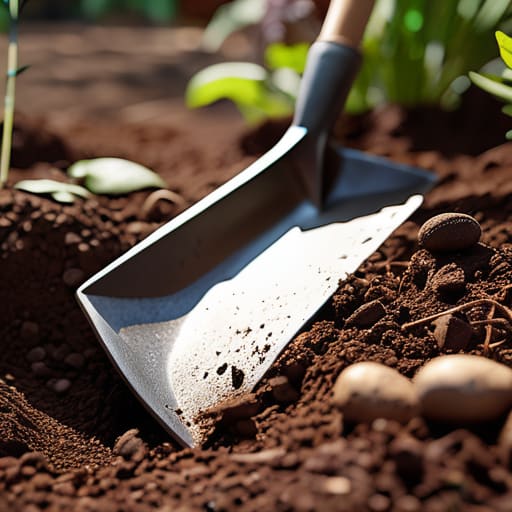
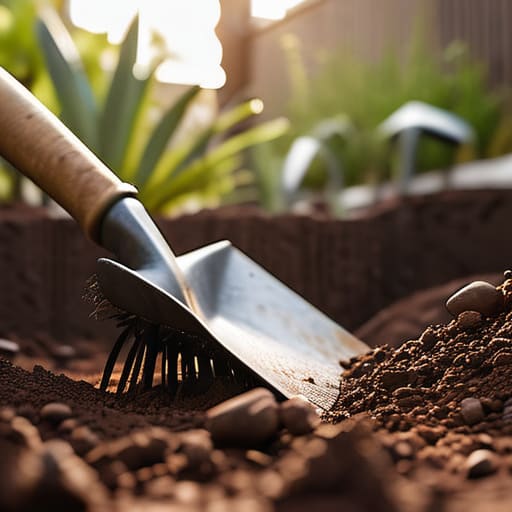
    Durable forged steel hand tools for gardening.

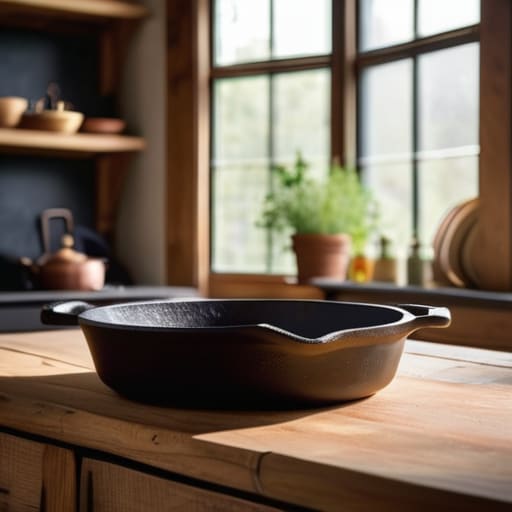
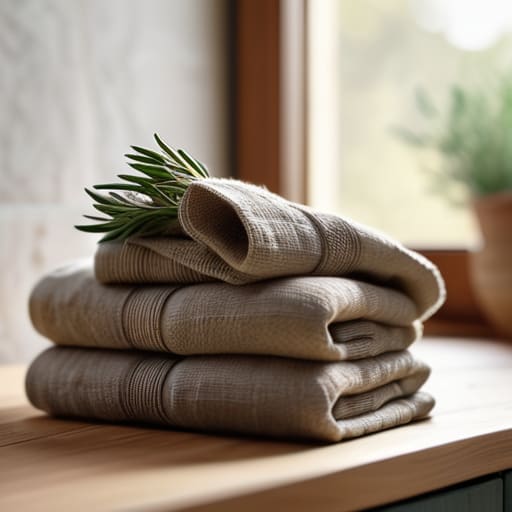
    Most of the gardening gear you see in big-box stores these days is made of stamped, thin metal that bends the moment it hits a bit of clay. If you’re looking to give a gift that actually means something, skip the plastic-handled nonsense and find a set of forged steel trowels. A tool that has been properly tempered will hold its edge and won’t snap in the middle of a planting session.

    Heavy-Duty Canvas Tool Aprons

    Durable Heavy-Duty Canvas Tool Aprons.

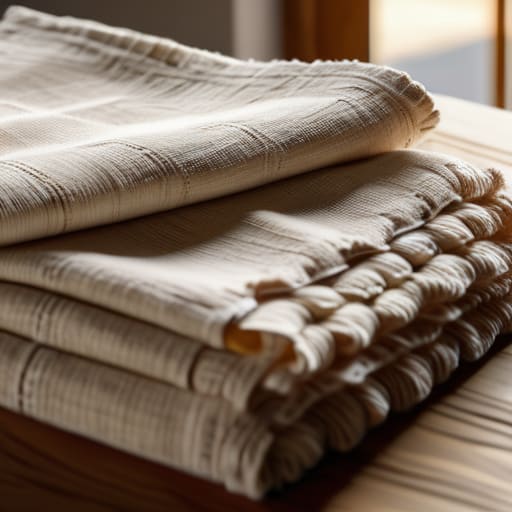
    I see people wearing these flimsy, polyester gardening aprons that tear after a single afternoon of weeding. It’s a waste of money. If you want to get someone something they will actually use for the next decade, look for a heavy-duty canvas apron with reinforced stitching. You want something thick enough to protect their clothes from thorns and soil, but breathable enough to be comfortable.

    Solid Copper Watering Cans

    Timeless Solid Copper Watering Cans.

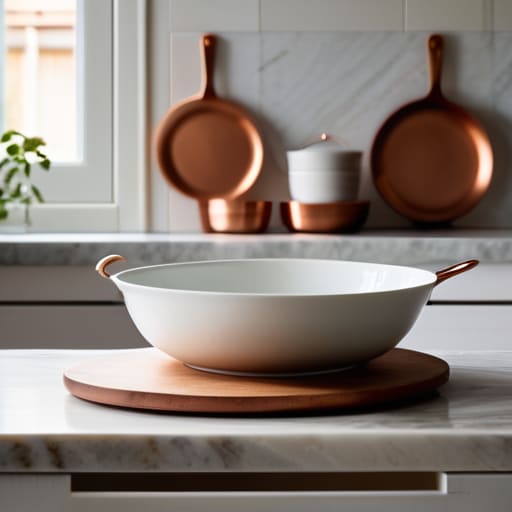
    Plastic watering cans are a joke. They crack under the sun, the nozzles clog, and they end up in a landfill within a year. If you want to gift something truly timeless, find a solid copper watering can. Not only does copper have natural antimicrobial properties that help keep the water clean, but it also develops a beautiful patina over time that looks better the older it gets.

    Heirloom Seed Collections

    Instead of buying more “stuff” that will eventually clutter up a garage, consider gifting a curated collection of heirloom seeds. These aren’t those genetically modified, sterile seeds you find in a grocery store aisle. Heirloom varieties have been passed down through generations because they offer superior flavor and the ability to be saved and replanted year after year.

    Hardwood Garden Kneelers

    Gardening is hard on the joints, and most of the foam kneeling pads available today are far too thin; they compress to nothing after a month of use. A proper hardwood kneeling bench is a much better alternative. A sturdy frame made from treated timber provides a stable surface that won’t wobble or collapse when someone puts their weight on it.

    The Bottom Line on Buying for Gardeners

    Stop looking for novelty items or plastic gadgets that end up in a landfill by next season; if it isn’t made of solid metal, wood, or heavy-duty canvas, it isn’t worth the money.

    A good gift should be an investment in a person’s hobby, meaning you should prioritize weight, durability, and the ability to be repaired rather than replaced.

    When you buy quality tools, you aren’t just giving a gift—you’re giving someone a piece of equipment that will still be working long after the cheap alternatives have rusted away.

    The Cost of Cheapness

    Most people treat gardening gifts like a seasonal impulse buy, picking up some flimsy plastic gadget that’ll snap the first time it hits a root. If you’re going to give something to someone who actually works the earth, give them something with weight to it—a tool forged from real steel that they can pass down to their grandkids instead of tossing in a landfill by next spring.

    Hugo Steenkamp

    Buying for the Long Haul

    At the end of the day, choosing a gardening gift shouldn’t be about scrolling through a dozen pages of cheap, brightly colored plastic nonsense that will end up in a landfill by next season. Whether you opted for the heavy-duty forged steel trowel, a sturdy cedar planter, or a set of high-quality pruning shears, you’ve made a choice that respects both the recipient and the craft. My years in logistics taught me that the most expensive item isn’t always the one with the highest price tag; it’s the one you have to replace three times because it was built poorly. By focusing on materials that endure—like wood, steel, and stone—you are providing a tool that will actually become part of their gardening ritual for years to come.

    I know it’s tempting to just grab something convenient and disposable, but I urge you to take that extra step. When you give a gift that has weight, balance, and purpose, you aren’t just giving an object; you are giving a legacy. A well-made tool becomes a companion in the soil, something that gets better with age and a bit of oil. Stop chasing the trends and start looking for the substance beneath the surface. Buy it once, buy it well, and give a gift that truly makes a difference in the dirt.

    Frequently Asked Questions

    How do I tell the difference between a cheap tool that looks sturdy and one that's actually built to last?

    Don’t let a thick coat of paint or a flashy logo fool you. In my experience, the truth is in the weight and the joints. Pick up the tool; if it feels unbalanced or suspiciously light, put it back. Look for forged steel rather than stamped metal, and check the connection points—wood handles should be fitted tightly into the metal, not just glued in. If it feels like it’s held together by hope, it’s junk.

    Is it worth spending more on high-end hand tools, or can I get decent results with standard hardware store brands?

    Look, I’ve spent enough years in logistics to know that you get exactly what you pay for. Those cheap, mass-produced tools from the big-box stores are often made of soft, stamped metal that bends the moment you hit real resistance. If you want to avoid the frustration of replacing a broken trowel every spring, invest in high-end, forged steel. It costs more upfront, but it’s cheaper than buying junk three times over.

    What are some practical gardening gifts for someone who has a small space but still wants to grow their own food?

    If they’re working with limited square footage, don’t waste their time with those cheap, flimsy plastic hanging baskets that crack under the first sun exposure. Instead, look for heavy-duty galvanized steel planters or cedar raised beds. They hold moisture better and won’t end up in a landfill by next season. A solid, ergonomic hand trowel made of forged steel is also a winner—it’s a tool they’ll actually use every single day.

  • What to Look for in Luxury Bath Towels

    What to Look for in Luxury Bath Towels

    I was working in my shop last Tuesday, cleaning up some sawdust, when I realized I’d just thrown away another set of thin, scratchy towels that had lost their shape after only three months. It’s infuriating. Every time you walk into a high-end department store, they try to sell you these overpriced, flimsy “designer” linens wrapped in layers of plastic that’ll sit in a landfill for a century. They use fancy marketing to convince you that luxury bath towels need to cost a month’s mortgage, but most of that price tag is just paying for a logo and a bit of thread count hype. It’s a scam, plain and simple.

    I’m not interested in selling you a lifestyle or a dream; I’m interested in durability. In this guide, I’m going to cut through the marketing nonsense and tell you exactly what to look for in a towel that actually holds its weight. I’ll show you how to spot genuine, heavy-duty cotton that won’t turn into a rag after ten washes. My goal is to help you buy it once and buy it well, so you can stop wasting your hard-earned money on disposable junk.

    Table of Contents

    Why High Gsm Cotton Towels Outlast Every Passing Trend

    Why High Gsm Cotton Towels Outlast Every Passing Trend

    When you’re looking at a stack of towels in a store, don’t let the flashy packaging fool you. Most of what they’re pushing on you these days is thin, synthetic nonsense designed to look good on a shelf but fail after three washes. If you want something that actually does its job, you need to look at the weight. I always tell people to check the GSM—Grams per Square Meter. Higher high GSM cotton towels aren’t just about feeling soft; they represent density and structural integrity. A towel with a higher GSM has more fibers per inch, which means it can actually hold water without becoming a soggy, useless rag halfway through your morning routine.

    Investing in premium bathroom textiles is a matter of simple math. You can buy a cheap, lightweight set every six months, or you can buy one heavy-duty set that stays plush for years. It’s the difference between disposable junk and a tool that serves a purpose. When you opt for denser weaves, you’re buying durability and absorption that won’t vanish the moment you hit the laundry room. Stop chasing the aesthetic of a “spa look” and start looking for the substance that keeps a towel functional for the long haul.

    The Enduring Value of Egyptian Cotton Bath Linens

    The Enduring Value of Egyptian Cotton Bath Linens

    Now, I know what you’re thinking: “Egyptian cotton” is just another marketing buzzword used to jack up the price. I used to think the same way during my years in logistics—if it sounds fancy, it’s usually just fluff. But when you actually look at the fiber structure, the math changes. Egyptian cotton has longer staples, which means when those threads are spun, they create a much more durable, resilient yarn. Unlike the cheap, short-staple stuff that starts fraying after three washes, these Egyptian cotton bath linens are built to handle the rigors of daily use without thinning out.

    If you want to stop the cycle of replacing your linens every season, you need to look for that structural integrity. When you invest in hotel quality towel sets, you aren’t just paying for a label; you’re paying for a product that maintains its loft and softness over years, not weeks. It’s about the long game. A set of premium textiles might cost more upfront, but when you calculate the cost-per-use over a decade, the decision becomes a matter of simple economics. Buy them once, and you won’t be back at the store in six months.

    Five Practical Rules for Buying Towels That Won't End Up in a Landfill

    • Check the weight, not the marketing. Look for a high GSM (grams per square meter) on the label; if it feels light and flimsy in your hands, it’s going to be useless after three washes.
    • Inspect the stitching. A quality towel should have reinforced edges to prevent fraying; if the seams look loose or thin, walk away—it’s built to fail.
    • Demand long-staple fibers. Whether it’s Egyptian or Turkish, ensure the manufacturer specifies long-staple cotton, as these fibers are what actually provide durability and prevent that annoying pilling.
    • Avoid the “fluff” trap. Don’t be fooled by overly processed, chemically softened towels that feel unnaturally silky in the store; those coatings wash off immediately, leaving you with a scratchy mess.
    • Prioritize sustainable packaging. If a company ships a premium product wrapped in layers of non-recyclable plastic, they don’t respect the longevity of their goods or the world we live in.

    The Bottom Line on Buying Better

    Stop looking at the price tag in isolation; a cheap towel that needs replacing every six months is far more expensive in the long run than one heavy-duty set that lasts a decade.

    Focus on the weight and the weave, specifically high GSM cotton, because if a towel feels flimsy in your hands at the store, it’s going to be useless after three trips through the wash.

    Prioritize materials like Egyptian cotton that offer genuine durability rather than chasing whatever “aesthetic” or color trend is currently cluttering up your social media feed.

    The True Cost of Cheap Linens

    “I’ve spent enough years managing supply chains to know the difference between a product built to last and one built to be replaced. A cheap towel is a recurring expense; a heavy, high-quality cotton towel is an investment that pays dividends every single morning.”

    Hugo Steenkamp

    Making the Right Investment

    Making the Right Investment in quality towels.

    At the end of the day, choosing a bath towel shouldn’t be about chasing a flashy brand name or a celebrity endorsement. We’ve looked at why high GSM counts provide the weight and durability you need, and why investing in long-staple Egyptian cotton is a matter of sensible economics rather than mere indulgence. When you stop buying those thin, disposable rags that lose their softness after three washes, you realize that quality is actually more affordable in the long run. It’s about recognizing that a heavy, well-constructed towel is a tool for your daily routine, and it should be built to endure years of use, not just a few weeks on a retail shelf.

    My advice is simple: stop settling for mediocrity just because it’s convenient or cheap. A home should be a collection of things that serve a purpose and stand the test of time. When you choose to buy better, you aren’t just upgrading your bathroom; you are rejecting the wasteful cycle of constant replacement that plagues modern consumerism. Go ahead and spend the extra money on the real thing. You’ll find that there is a profound sense of satisfaction in owning something that actually works and stays reliable long after the trends have faded. Buy it once, buy it well.

    Frequently Asked Questions

    How can I tell if a towel is actually high-quality cotton or just marketing fluff?

    Don’t let a fancy label fool you; marketing fluff is easy to print, but quality is felt. First, look at the weight. A heavy, substantial towel tells you there’s actual fiber there, not just air. Second, check the weave. If it feels scratchy or looks uneven, put it back. Most importantly, feel the loop. High-quality cotton has a dense, consistent pile that absorbs water immediately rather than just pushing it around your skin.

    Are these heavy, high-GSM towels going to take forever to dry in a standard laundry room?

    Look, I’ll be straight with you: yes, they take longer to dry than those thin, cheap rags you’re used to. But there’s a difference between “slow to dry” and “inefficient.” If you’ve got a standard machine, just give them a little extra time in the dryer or hang them in a well-ventilated spot. It’s a small trade-off for a towel that actually absorbs water instead of just pushing it around.

    Is it worth paying a premium for luxury towels, or am I just paying for a fancy brand name?

    Look, I’ve spent enough time in logistics to know the difference between a premium product and a premium price tag. If you’re paying extra for a designer logo printed on a thin, scratchy rag, you’re being fleeced. But if that premium goes toward long-staple fibers and a higher weight, it’s a sound investment. You aren’t paying for a brand; you’re paying for durability. Buy the quality, not the marketing.

  • Using Essential Oil Diffusers for Home Wellness

    Using Essential Oil Diffusers for Home Wellness

    I spent thirty years in logistics, so I have a low tolerance for anything that’s built to fail. Lately, I’ve been seeing these flimsy, plastic essential oil diffusers being peddled online like they’re some kind of miracle cure for your home environment. Most of them are nothing more than glorified, overpriced trinkets that start sputtering or leaking within three weeks of use. It’s the same old story: companies design products to be disposable, banking on the fact that you’ll just toss the broken piece into a landfill and buy another one. I’m tired of seeing good money wasted on cheap gadgets that lack any real substance or longevity.

    I’m not here to sell you on some lifestyle trend or a “zen” fantasy. My goal is to cut through the marketing fluff and help you identify essential oil diffusers that are actually worth the space on your sideboard. I’ll show you how to spot quality materials, reliable mechanics, and builds that will actually last for years, not months. If you want to stop the cycle of buying junk and start investing in things that serve a real purpose, you’ve come to the right place.

    Table of Contents

    Water Based vs Nebulizing Diffusers Choosing What Endures

    Water Based vs Nebulizing Diffusers Choosing What Endures

    Most folks walk into a shop and grab the first plastic gadget they see, but if you want something that actually serves a purpose, you need to understand the mechanics. Most common units are ultrasonic, which use water to create a fine mist. The ultrasonic diffuser benefits are clear: they act as a subtle humidifier and are generally much easier on your wallet. However, because they rely on water, you have to be diligent about how to clean an oil diffuser to prevent buildup and mold. If you neglect the maintenance, you’re just circulating dust and grime instead of scent.

    On the other hand, you have nebulizing models. These don’t use water at all; they use pressurized air to break the oil into a pure, potent mist. They are more expensive and a bit more finicky, but they are built for those who want the most direct scent delivery possible. When weighing water-based vs nebulizing diffusers, ask yourself what you actually need. If you want a gentle background scent for the bedroom, go ultrasonic. If you want a powerful, pure aroma that doesn’t rely on a water tank, go nebulizing. Just make sure you buy a model built with quality components, not cheap, thin plastic.

    Improving Indoor Air Quality With Scents That Last

    Improving Indoor Air Quality With Scents That Last

    Most people think they’re just buying a way to make a room smell like a spa, but they’re missing the bigger picture. If you’re looking at improving indoor air quality with scents, you need to treat it like any other piece of home maintenance. You aren’t just masking odors with cheap synthetic sprays; you’re using high-quality oils to create a cleaner, more intentional environment. When you use a reliable machine, you’re adding a functional layer to your home that does more than just sit there looking pretty on a shelf.

    However, the benefits only stick if you actually maintain the equipment. I’ve seen too many people buy a decent unit only to let it become a breeding ground for mold because they neglected the upkeep. If you want to see the real ultrasonic diffuser benefits, you have to learn how to clean an oil diffuser properly every single week. A bit of rubbing alcohol and a cotton swab goes a long way. If you take care of the tool, the tool takes care of your home. It’s about discipline, not just decoration.

    Five Ways to Stop Wasting Money on Cheap Scents

    • Stop buying the cheap, synthetic fragrance oils from the supermarket. They’re full of fillers that clog up your machine and do nothing for your air. If you’re going to invest in a diffuser, invest in pure, single-origin essential oils. It’s the difference between a real tool and a plastic toy.
    • Look for ultrasonic diffusers with a solid ceramic or glass reservoir. I’ve seen too many people buy those flimsy plastic models that start leaking or cracking after three weeks of use. If it isn’t built with materials that can handle moisture and heat, it belongs in the bin, not your living room.
    • Don’t let your diffuser become a dust magnet. If you aren’t cleaning the ultrasonic plate once a week with a bit of white vinegar, you’re just circulating grime. A little maintenance goes a long way in making a quality device last a decade instead of a season.
    • Size matters, and I don’t mean the aesthetics. If you try to use a tiny, travel-sized diffuser in a large living room, you’re just wasting oil. Match the capacity of the unit to the square footage of the room so the scent actually reaches the corners where it’s needed.
    • Avoid the “smart” gimmicks. You don’t need a diffuser that connects to your Wi-Fi or has a dozen flashing LED colors. Those extra circuits are just more points of failure. Stick to a machine with a simple, reliable timer and a sturdy power connection. Keep it functional.

    The Bottom Line on Making a Smart Investment

    Stop looking at the price tag alone; a cheap plastic diffuser is just future landfill, so prioritize build quality and ease of cleaning to ensure it actually lasts years.

    Match the technology to your actual needs—use water-based models for a gentle room mist and nebulizers when you want the pure, undiluted strength of the oil.

    Treat your scents as a functional tool for your environment rather than a fleeting trend, choosing high-quality oils that serve a purpose in your daily routine.

    Stop Buying Plastic Trinkets

    Most people treat diffusers like disposable tech—buy a cheap plastic one, wait for the motor to die in three weeks, and throw it in a landfill. If you’re going to bring scent into your home, buy a machine built with actual components that can withstand daily use; it’s better to own one solid piece of equipment than a drawer full of broken gadgets.

    Hugo Steenkamp

    Making a Sound Investment in Your Home

    Making a Sound Investment in Your Home

    At the end of the day, choosing a diffuser isn’t about picking the prettiest gadget on a social media feed; it’s about understanding what you actually need for your space. Whether you decide on a water-based model for consistent, gentle moisture or a high-performance nebulizer to get the most out of your oils, the goal remains the same: durability and function. I’ve seen enough cheap, plastic-heavy electronics end up in landfills to last a lifetime, so I urge you to look past the flashy lights and focus on the build quality. If you prioritize a machine that is built to last and pair it with high-quality, pure oils, you aren’t just buying a scent—you are investing in a reliable tool for your home environment.

    Don’t let the marketing hype convince you that you need a new device every season. A home should be a sanctuary of stability, filled with items that serve a purpose and stand the test of time. When you stop chasing every fleeting trend and start focusing on substance over style, you’ll find that your living space feels much more intentional. Buy something that works, buy it well, and let it become a permanent part of your daily ritual. It’s a small change, but it’s a sensible one.

    Frequently Asked Questions

    How often do I actually need to clean these things to prevent them from becoming a mess of mold and grime?

    If you leave standing water sitting in a plastic reservoir, you’re just cultivating a science experiment. I don’t care how expensive the unit was; if it’s slimy, it’s useless. You should empty and wipe it out after every single use. At least once a week, give it a proper scrub with white vinegar to dissolve any mineral buildup. It takes five minutes, but it ensures the machine actually lasts instead of ending up in a landfill.

    Is it worth spending the extra money on a glass-based unit, or is high-grade ceramic just as durable?

    Look, if you’re asking about durability, you’re already thinking the right way. High-grade ceramic is sturdy and holds heat well, but it can chip if you aren’t careful. Glass, however, is the gold standard for me. It’s non-porous, meaning it won’t absorb the oils and get funky over time, and it’s easier to keep clean. If you can afford the slight premium, go with glass. It’s a cleaner, more permanent solution.

    What’s the real difference in long-term cost between running a water-based model versus a nebulizer?

    Look, if you’re looking at the sticker price, the water-based models seem like the winner. They’re cheap to buy, sure. But you’ll spend a fortune on oils because you’re diluting them with water every single time. A nebulizer is a higher upfront investment, but it uses pure oil. Over a year, the nebulizer actually pays for itself because you aren’t burning through your expensive bottles just to get a decent scent. Buy the nebulizer; it’s the sensible play.

  • Refreshing Your Space With Cushion Covers

    Refreshing Your Space With Cushion Covers

    I was out in my workshop last weekend, cleaning a set of vintage chisels, when I realized how much the world has changed for the worse. Everywhere you look online, people are being sold these flimsy, overpriced cushion covers that look decent in a filtered photo but feel like thin tissue paper in your hands. It drives me up the wall. You spend forty dollars on a set, only to have the seams split or the color fade after a single wash. It’s a classic case of planned obsolescence, and frankly, it’s a waste of your hard-earned money.

    I didn’t spend thirty years managing supply chains just to watch people throw money down the drain on disposable decor. In this guide, I’m going to cut through the marketing fluff and tell you exactly what to look for in terms of fabric weight, stitch density, and zipper durability. I’ll show you how to spot the difference between a piece of junk and a product that will actually stand the test of time. We aren’t chasing trends here; we are looking for quality that lasts.

    Table of Contents

    Selecting Durable Fabric for High Traffic Areas

    Selecting Durable Fabric for High Traffic Areas

    If you’ve got kids, pets, or a living room that actually gets used, you can’t afford to be precious about your decor. I’ve seen too many people buy soft, delicate fabrics only to have them look like rags after three months of heavy use. When you’re looking for a durable fabric for high traffic areas, skip the flimsy synthetics. I always recommend looking for high-density weaves. If you want something that feels substantial but can handle a bit of wear and tear, a heavy-weight linen is a smart move. While some people argue about linen vs cotton pillowcases, in my experience, a thick, high-quality linen holds its shape far better over time.

    Don’t get distracted by those thin, cheap materials that look good under a showroom light but pill the moment you sit on them. If you want a bit of luxury without the fragility, look for a tightly woven cotton canvas or a heavy-duty upholstery grade fabric. It’s about investing in materials that can withstand the friction of daily life. A piece of furniture is only as good as the textiles covering it, so buy something that can actually take a beating.

    Linen vs Cotton Pillowcases Choosing Longevity Over Novelty

    Linen vs Cotton Pillowcases Choosing Longevity Over Novelty

    When you’re looking at the debate of linen vs cotton pillowcases, you need to look past the marketing fluff and focus on the fiber. I’ve seen enough cheap, thin cotton blends end up in the landfill to know that not all fabrics are created equal. Cotton is fine if you’re after a crisp, smooth feel, but unless it’s a high-quality long-staple variety, it tends to pill and lose its shape after a few dozen washes. It’s often chosen because it’s easy to find, but it lacks the structural integrity I look for in a long-term investment.

    Linen, on the other hand, is a different breed entirely. It is one of those rare materials that actually improves with age. While some people complain about the natural wrinkles, I see them as a sign of a material that isn’t full of synthetic fillers. It is incredibly resilient and handles wear much better than its cotton counterparts. If you want something that won’t look ragged by next season, invest in linen. It’s a bit more of an upfront cost, but it’s the difference between buying something once and buying something every single year.

    Five Rules for Buying Covers That Won't End Up in a Landfill

    • Check the zipper quality before you even look at the pattern. A flimsy, plastic zipper is a sign that the manufacturer cut corners elsewhere; look for heavy-duty metal teeth that won’t snag or split after a few weeks of use.
    • Prioritize weight and weave density. If the fabric feels thin or see-through in the shop, it’s going to pill and tear the moment you actually sit on it. You want a substantial weight that can handle real life.
    • Avoid “dry clean only” labels if you want actual utility. I’ve seen too many people buy beautiful things only to let them gather dust because they’re too high-maintenance to wash. Look for machine-washable natural fibers that can handle a standard cleaning cycle.
    • Ignore the seasonal color trends. Don’t buy that neon shade just because it’s “in” this month. Stick to earthy tones or classic neutrals that will look just as good in five years as they do today.
    • Look for reinforced seams. Turn the cover inside out; if the stitching is loose or uneven, walk away. A properly constructed seam is the difference between a cushion that holds its shape and one that looks like a deflated rag by next year.

    My Rules for Buying Cushion Covers That Actually Last

    Ignore the flashy patterns on social media and prioritize fabric weight and weave density; if the material feels thin or flimsy in your hands, it won’t survive a single season of real use.

    Check the construction of the zipper and the seam strength, because a high-quality fabric is a waste of money if the cover falls apart at the edges after three washes.

    Opt for natural fibers like linen or heavy cotton that can withstand repeated cleaning and aging gracefully, rather than cheap synthetics that pill and lose their shape almost immediately.

    The Real Cost of Cheap Decor

    A cushion cover isn’t just a bit of fabric to match your rug; it’s a piece of your home. If you’re buying something just because it looks good in a filtered photo, but the seams are already fraying before you’ve even sat on it, you haven’t made a purchase—you’ve made a mistake.

    Hugo Steenkamp

    Making the Right Call

    Making the Right Call with durable cushions.

    At the end of the day, choosing the right cushion covers comes down to looking past the flashy colors and focusing on the structural integrity of the piece. We’ve talked about why you need to prioritize heavy-duty fabrics for those high-traffic spots in your living room and why opting for natural fibers like linen or cotton is a much smarter long-term play than buying some synthetic blend that will pill and fray within a season. It isn’t about matching a specific color palette you saw in a magazine last week; it’s about ensuring that when you sit down at the end of a long day, you are resting against something that was built to endure. Don’t let a cheap price tag fool you into thinking you’ve found a bargain if the seams are already pulling apart.

    My advice is simple: stop treating your home like a showroom for disposable goods. Every time you make a purchase, ask yourself if this item will still be functional and respectable five years from now. When you invest in quality, you aren’t just buying a piece of fabric; you are investing in peace of mind and reducing the clutter of constant replacements. Build a home that reflects stability and purpose, one well-chosen item at a time. Buy it once, buy it well, and let it last.

    Frequently Asked Questions

    How can I tell if a zipper is high-quality or just another cheap component that's going to break after a few months?

    Don’t let a shiny finish fool you; that’s how they hide cheap plastic. First, feel the teeth. They should be metal—brass or nickel—and feel substantial, not flimsy. Give the slider a firm tug. It should glide smoothly without catching or wobbling. If the teeth feel jagged or the fabric around the zipper looks thin and prone to tearing, walk away. A good zipper is built to endure, not just to look pretty on a shelf.

    Are there specific ways to wash these fabrics to ensure they don't shrink or lose their shape after the first cleaning?

    Look, if you want these covers to actually last, stop treating your washing machine like a magic wand. Most people ruin good fabric by blasting it with high heat. I always recommend washing in cold water on a gentle cycle. Avoid the dryer if you can; air drying is much kinder to the fibers. If you must use a dryer, keep it on low heat. It’s a bit more effort, but it beats buying replacements every season.

    Is it worth paying a premium for heavy-weight canvas, or will a standard cotton weave hold up just as well in a busy household?

    If you’ve got kids or pets running through the house, don’t even bother with the standard cotton. It’s fine for a guest room you rarely use, but in a busy household, it’ll thin out and lose its shape within a year. Go with the heavy-weight canvas. It’s a bit more of an upfront cost, sure, but it handles the friction and the constant washing without falling apart. Buy it once and forget about it.

  • Reviews of Memory Foam Pillows for Better Sleep

    Reviews of Memory Foam Pillows for Better Sleep

    I spent thirty years in logistics, so I know a bad deal when I see one, and frankly, most memory foam pillow reviews online are nothing more than glorified advertisements. You’ll see these polished, glowing testimonials claiming a pillow will “transform your life,” only to have that foam flatten into a useless pancake after three weeks of use. It’s the same disposable junk I see everywhere these days—products designed to fail so you’re forced to buy another one. I got tired of waking up with a stiff neck and a lighter wallet, so I decided to stop listening to the hype and start looking at the actual build quality of what we’re putting in our beds.

    In this guide, I’m cutting through the marketing fluff to give you the straight truth. I won’t bore you with technical jargon that doesn’t matter; instead, I’m going to share my hands-on findings on which pillows actually hold their shape and provide real support. My goal is to help you buy it once and buy it well. We are going to look at density, durability, and whether the packaging is actually recyclable, so you can invest in a good night’s sleep without wasting a cent on fleeting trends.

    Table of Contents

    The Everlasting Sleep Memory Foam Pillow: At a Glance

    A heavy-duty, high-density memory foam pillow designed for people who are tired of replacing flat, flimsy bedding every six months.

    Overall Rating: 8.2/10

    Key Specs

    • Material: High-density, open-cell memory foam
    • Cover: Removable, organic cotton (recyclable packaging)

    Pros

    • Holds its shape through years of use without sagging
    • Provides genuine neck support that doesn't bottom out mid-night

    Cons

    • It has a bit of a heavy weight to it, making it harder to flip
    • The initial "new foam" scent takes a few days to clear out

    First Impressions Design

    Substantial product with First Impressions Design.

    When I first pulled this out of the box, I wasn’t looking for flashy marketing or fancy patterns. I was looking for substance. Most things you buy online these days arrive in layers of useless plastic that makes my blood boil, but this was packaged reasonably well. Once I got it out, the first thing I noticed wasn’t the look—it was the density.

    A lot of these modern pillows feel like they’re filled with nothing but air and empty promises. This one, however, had a substantial weight to it. It didn’t feel like a cheap sponge that would flatten out after a week of use. The outer cover has a clean, functional texture that feels like it can actually withstand a washing machine without falling apart at the seams.

    The shape itself is quite deliberate. It isn’t just a standard rectangle; it has a subtle, intentional curve. This is where you start to see the contour memory foam pillow benefits in action. It’s designed to cradle the head rather than just acting as a soft landing pad. It doesn’t look like a piece of high-tech equipment, but it certainly looks like it was engineered with a purpose. In my experience, if a product looks like it was designed by someone who actually understands structure, you’re usually on the right track.

    Key Features in Action

    Pillow Key Features in Action during sleep.

    I didn’t test this pillow by sitting on it in a showroom; I tested it by actually trying to sleep on it for a full week. In my experience, a lot of these modern “innovations” are just marketing fluff, but this one actually holds up when the lights go out.

    The most immediate thing I noticed was how the material responds to weight. Instead of that cheap, bouncy sensation you get with low-grade foam, this provides genuine pressure relief sleep surfaces that don’t fight against your head. When I rolled onto my side, the foam didn’t just collapse; it cradled the contour of my neck. This is exactly what I look for in an orthopedic pillow for neck alignment—it maintains its structural integrity rather than bottoming out halfway through the night.

    I also paid close attention to the temperature. I’ve dealt with enough poorly ventilated equipment in my career to know that heat retention is a dealbreaker. This unit utilizes a decent bit of cooling memory foam technology that prevents that stifling, sweaty feeling common with older foam models. It doesn’t feel like a block of ice, but it stays consistently neutral throughout the night. It’s a functional piece of gear that does exactly what it claims to do without any unnecessary bells and whistles.

    Real World Performance

    Pillow Real World Performance testing results.

    I didn’t put this pillow on my bed just to look at it; I put it there to see if it could actually handle a full night’s rest without me waking up to crack my neck. After a week of testing, the results are clear: this isn’t some flimsy sponge that collapses by 3:00 AM.

    What struck me most was the way it manages pressure relief sleep surfaces. Usually, with cheaper foam, you feel like your head is sinking into a hole, only to have the material push back too hard against your jaw. This one finds that middle ground. It holds its shape, which is essential if you’re looking for an orthopedic pillow for neck alignment. I noticed a significant difference in how my shoulders felt in the morning; there was none of that dull ache that usually comes from a poorly supported sleep position.

    I also put it to the test regarding heat. We’ve all been there—waking up in a sweat because the pillow acts like a heat trap. While no foam is perfectly cold, the integrated cooling memory foam technology actually does its job. It doesn’t stay icy, but it certainly doesn’t cook you like the cheap alternatives do. It’s a solid, reliable piece of equipment for your bedroom.

    Comparison With Alternatives

    Now, I know what some of you are thinking. You’ve spent years sleeping on feather beds or perhaps those cheap polyester fiberfills that feel like a bag of cotton balls. I’ve been there, and frankly, it’s a waste of a good night’s sleep. When you look at a memory foam vs down pillow comparison, the difference isn’t just about feel; it’s about structural integrity. Down is lovely for a guest room, but it offers zero support. It shifts, it clumps, and by 3:00 AM, your neck is screaming because the pillow has flattened into a pancake.

    If you are someone who struggles with morning stiffness, you need to consider the contour memory foam pillow benefits that provide actual resistance. Unlike traditional pillows that just compress, this piece holds its shape. I’ve also tested several “cooling” alternatives that claimed to solve the heat issue, but most just use a thin layer of gel that disappears after a week. This specific model actually utilizes decent cooling memory foam technology to manage temperature without sacrificing that essential density.

    Ultimately, if you’re looking for the best memory foam pillows for side sleepers, you aren’t looking for something soft and squishy—you’re looking for something that maintains your spine’s natural curve. Don’t settle for a pillow that just fills a gap; get one that actually does the work.

    Who Is This Product for

    Now, I’m not in the business of telling you what to do, but I am in the business of making sure you don’t throw your hard-earned money down the drain. This particular pillow isn’t a “one size fits all” solution, and anyone who tells you otherwise is likely trying to sell you something.

    If you are someone who spends the night tossing and turning because your neck feels like it’s been worked over by a sledgehammer, pay attention. This is specifically designed for those seeking an orthopedic pillow for neck alignment. If you find yourself waking up with that dull, nagging ache in your upper spine, the structural integrity of this foam is exactly what you need to stop the cycle of discomfort.

    I also noticed this is particularly effective for those searching for the best memory foam pillows for side sleepers. If you sleep on your side, you need a loft that fills that gap between your ear and your shoulder without collapsing by 3:00 AM. If you’re a back sleeper or a stomach sleeper, you might find this a bit too substantial, and you’d be better off looking elsewhere.

    Ultimately, this is for the person who values longevity over fluff. If you want a pillow that stays consistent and actually supports your anatomy rather than just feeling soft for the first week, this is your match.

    Value for Money Final Verdict

    Now, let’s talk brass tacks: the cost. I’ve spent my career looking at spreadsheets and supply chains, so I don’t care about flashy marketing—I care about the math. When you look at the price tag on this pillow, you have to stop thinking about what you’re spending today and start thinking about what you’ll be spending over the next five years.

    Most people buy a cheap, $20 pillow every six months because it goes flat or loses its support. That is a fool’s errand. If you compare this to the memory foam vs down pillow comparison most people make, the math is clear. While down might feel nice for a week, it lacks the structural integrity required for long-term support. This pillow is an investment in your health, specifically regarding its role as an orthopedic pillow for neck alignment.

    My final verdict? If you are tired of waking up with a stiff neck and you’re done throwing money at disposable bedding, this is a solid buy. It isn’t the cheapest option on the shelf, but it is arguably the most economical choice in the long run. It does exactly what it claims to do without any unnecessary bells and whistles. Buy it, use it, and stop worrying about your sleep.

    How to Spot a Quality Pillow Before You Open Your Wallet

    • Check the density, not just the marketing fluff. A pillow that feels like a marshmallow on day one will be flat as a pancake by month three. You want high-density foam that actually holds its shape when you put your head on it.
    • Look for a removable, washable cover. If the foam itself gets dirty and you can’t clean it, you’re essentially sleeping on a sponge of dust and skin cells. A sensible design allows for easy maintenance.
    • Don’t ignore the “off-gassing” smell. Cheap, low-grade foam often arrives smelling like a chemical factory. If a manufacturer doesn’t mention certifications like CertiPUR-US, they’re likely cutting corners on the materials.
    • Verify the cooling technology. Memory foam is notorious for trapping heat, which is a recipe for a restless night. If it doesn’t have some form of airflow or gel infusion, you’ll be flipping it over every twenty minutes to find a cool spot.
    • Consider your sleeping position, not just the price tag. A firm pillow for a side sleeper is a necessity, whereas a soft one for a back sleeper is a waste of money. Buy for your specific needs, not for what’s on sale.

    The Bottom Line

    Stop treating pillows like disposable goods; this model is a proper investment that actually holds its shape through years of use.

    The support is consistent and reliable, making it a practical choice for anyone tired of waking up with a stiff neck from cheap foam.

    While the upfront cost is higher than the junk you’ll find at a big-box store, the longevity makes it the only sensible way to shop.

    The Cost of Cheap Sleep

    I’ve spent my career looking at supply chains and seeing exactly where manufacturers cut corners to save a nickel. Most of these pillow reviews you read online are just marketing fluff, but here’s the truth: if a pillow doesn’t have the density to hold its shape after a month of use, you aren’t buying a bedding accessory—you’re buying a future trip to the landfill.

    Hugo Steenkamp

    The Bottom Line

    After putting this pillow through its paces, my assessment remains unchanged. We’ve looked at the density of the foam, how well it maintains its structural integrity throughout the night, and whether it actually delivers on that promise of neck support. It isn’t just another piece of soft fluff designed to look good in a catalog; it is a piece of equipment for your health. While the initial price tag might give some people pause, you have to look at the long-term cost of ownership. If you buy a cheap alternative every six months because it’s gone flat, you’re just throwing money into a landfill. This pillow is built to endure the test of time, and in my book, that is the only metric that truly matters.

    At the end of the day, your home should be a sanctuary, not a collection of disposable clutter. We live in a culture that celebrates the “quick fix” and the “next best thing,” but I’ve learned through years of managing logistics that true value is found in things that last. Don’t let yourself be swayed by flashy marketing or temporary comforts that fail you when you actually need them. Choose the items that serve a purpose and stand their ground. Invest in your sleep, invest in quality, and stop settling for anything less than excellence.

    Frequently Asked Questions

    How long can I actually expect this pillow to hold its shape before it starts sagging?

    Look, I’ve seen enough cheap foam collapse under its own weight to know the signs. If you’re buying a quality piece like this, you shouldn’t be seeing any noticeable sagging for at least three to five years. It’s built with a higher density than that flimsy stuff you find at big-box retailers. Just remember: rotate it every few months to ensure even wear. Treat it right, and it’ll hold its shape long after the cheap alternatives have turned into pancakes.

    Is the foam going to trap heat and make me sweat through the night?

    Look, I’ll give it to you straight: cheap, low-density foam is a heat trap. If you buy one of those bargain-bin pillows, you’ll be waking up damp and frustrated. However, the model I’m testing uses an open-cell structure designed for airflow. It doesn’t feel like you’re laying your head on a radiator. It’s a solid piece of engineering that manages temperature properly, so you can actually sleep without needing to flip the pillow every hour.

    Can I actually wash the cover, or is it one of those things that's a nightmare to clean?

    Look, I’ve seen enough “convenient” products in my time to know that if it’s a pain to clean, it’s a piece of junk. The good news is this one isn’t a headache. The cover zips right off without a fight. You can toss it in the washing machine on a gentle cycle, just make sure you air dry it. Don’t go shoving it in the dryer on high heat, or you’ll ruin the material.

  • Choosing an Air Purifier for Your Home

    Choosing an Air Purifier for Your Home

    I was in my workshop last Tuesday, sanding down an old oak workbench, when the fine dust hit the air and my chest started tightening up. It reminded me of all those overpriced, plastic-heavy air purifiers I see advertised on every social media feed—gadgets that look more like sci-fi props than actual tools for a home. Most of these companies are just selling you a fancy light show and a high price tag, wrapped in layers of non-recyclable foam that makes my blood boil. You don’t need a computer-controlled smart device that requires a monthly subscription just to breathe; you need machinery that works.

    I’m not here to sell you on the latest digital trend or a piece of junk that will end up in a landfill by next Christmas. My goal is simple: I want to help you identify the heavy-duty, reliable machines that actually move air and filter out the grit. I’ve spent my life managing logistics and looking at the long-term value of every asset, and I’ll apply that same no-nonsense scrutiny to this guide. We are going to focus on build quality, filter longevity, and real-world performance so you can buy it once and never have to think about it again.

    Table of Contents

    Mastering Hepa Filter Technology for Decades of Use

    Mastering Hepa Filter Technology for Decades of Use

    When you start looking at the specs, don’t let the marketing jargon confuse you. At the heart of any machine worth its salt is HEPA filter technology. Now, I’ve seen plenty of manufacturers slap a “HEPA-type” label on cheap plastic units to trick folks, but if it isn’t a true, certified HEPA filter, it isn’t doing the job. A real HEPA filter is designed for the heavy lifting—specifically removing allergens and pollutants like dust, pollen, and pet dander that settle in your lungs. If you want a machine that actually contributes to long-term indoor air quality improvement, you need to ensure that filter is medical-grade and built to handle high airflow without tearing.

    Furthermore, a filter alone isn’t a complete solution for a well-run home. If you’re dealing with cooking smells or chemical odors, you need to look for a unit that incorporates activated carbon filtration. Think of it like a sponge for gases; without that extra layer, you’re just moving dust around while the smells linger. I always tell people: don’t just buy the loudest machine in the room. Look for a system that balances high-efficiency filtration with a build quality that won’t end up in a landfill by next Christmas.

    Achieving Indoor Air Quality Improvement That Actually Endures

    Achieving Indoor Air Quality Improvement That Actually Endures

    Look, anyone can plug a plastic box into a wall and claim it’s cleaning the air. But if you want real indoor air quality improvement, you have to look past the marketing fluff and understand how these machines actually handle the heavy lifting. It isn’t just about moving air around the room; it’s about the mechanical efficiency of the system. I’ve seen too many people buy these cheap, flimsy units that struggle the moment a bit of dust settles. If you aren’t looking for a machine capable of effectively removing allergens and pollutants on a consistent basis, you’re just buying an expensive fan.

    To get results that actually last, you need to prioritize the filtration layers. A decent unit shouldn’t just rely on a single mesh; you want a combination of high-grade HEPA and a substantial layer of activated carbon filtration. The carbon is what handles the smells and chemical vapors that a standard filter would simply ignore. Don’t settle for a gadget that requires a new, overpriced cartridge every three weeks just to stay functional. Invest in a machine built with durable, replaceable components that can stand up to years of daily use.

    Five Ways to Avoid Buying a Plastic Paperweight

    • Look for a machine with a heavy-duty build, not a flimsy plastic shell that rattles every time the motor kicks in. If it feels light and hollow in your hands, it won’t stand the test of time.
    • Check the filter availability before you open your wallet. There is nothing more frustrating than owning a high-end unit only to find out the replacement filters are discontinued or cost more than the machine itself.
    • Prioritize mechanical simplicity over “smart” features. I don’t need an app on my phone to tell me the air is clean; I need a solid motor and a reliable dial that actually works every time I turn it.
    • Ensure the unit has a high CADR (Clean Air Delivery Rate) for its size. Don’t get distracted by fancy LED lights or sleek designs; if it can’t move enough air to actually scrub your room, it’s just expensive decor.
    • Demand replaceable, washable pre-filters. A good machine should allow you to catch the big dust bunnies early so you aren’t constantly throwing money away on expensive HEPA replacements just because of basic household grime.

    The Bottom Line on Buying Smart

    Stop looking at the sticker price and start looking at the cost per year; a cheap unit that dies in eighteen months is far more expensive than a sturdy one that lasts a decade.

    Demand transparency in filter specifications and avoid brands that use proprietary, non-recyclable plastic cartridges that force you into a cycle of waste.

    Prioritize build quality and mechanical simplicity over “smart” features and touchscreens that are designed to fail the moment the software updates.

    Stop Buying Disposable Air Filters

    Most people treat air purifiers like a smartphone—something to be replaced when the next shiny model comes out. That’s a fool’s errand. If you’re going to invest in your home’s air, buy a machine built with heavy-duty components and a serviceable filter system. I’d rather have one solid, well-built unit running quietly for fifteen years than replace a cheap plastic gadget every eighteen months.

    Hugo Steenkamp

    Making the Right Call for Your Home

    Making the Right Call for Your Home.

    At the end of the day, choosing an air purifier isn’t about picking the flashiest model with the most blinking lights or the cheapest price tag on a website. It’s about understanding the mechanics of what you’re bringing into your living space. We’ve covered why you need to prioritize true HEPA filtration and why a machine is only as good as its ability to maintain consistent airflow over several years. If you ignore the build quality and the availability of replacement filters, you aren’t saving money; you’re just scheduling a future trip to the landfill. Look for the sturdy, well-engineered machines that treat air purification as a long-term utility rather than a disposable gadget.

    I’ve spent my life managing moving parts and supply chains, and if there is one thing I know, it’s that quality always wins out in the long run. Don’t let the marketing departments convince you that you need a new upgrade every twelve months. Your home is your sanctuary, and it deserves equipment that works as hard as you do. Stop chasing the latest plastic trend and instead, invest in something that lasts. When you buy a machine built with integrity, you aren’t just buying cleaner air; you are buying peace of mind for years to come. Do it right the first time.

    Frequently Asked Questions

    How much is this unit actually going to cost me in replacement filters every year?

    Now, let’s talk numbers, because this is where most people get tripped up. You can’t just look at the sticker price of the machine; you have to look at the “burn rate” of the filters. Depending on the unit and how much dust or pet hair you’re pulling out of the air, expect to spend anywhere from $60 to $150 a year on replacements. If a brand makes filters that cost a fortune and only last three months, walk away. That’s just a bad supply chain.

    Is this just another plastic box with a fancy sensor, or does it have the build quality to actually last a decade?

    Look, I’ve seen enough cheap electronics end up in landfills to know a gimmick when I see one. If it’s all flimsy plastic and a touchscreen that’ll glitch in two years, walk away. You want something with a heavy-duty motor, solid housing, and replaceable filters that don’t require a proprietary subscription. If it feels like a toy, it’s a toy. Invest in a machine built with real components, not just a fancy sensor.

    Can I find a model that doesn't rely on proprietary, non-recyclable filter cartridges that end up in a landfill?

    You’re asking the right question. Most manufacturers design those machines to trap you in a cycle of buying their expensive, plastic-heavy proprietary filters every few months. It’s a racket. Look for models with washable, permanent pre-filters and high-quality HEPA filters that are designed to be replaced, not discarded as part of a sealed plastic cartridge. It takes a bit more maintenance, but it saves you money and keeps unnecessary junk out of the landfill.

  • Charming Tea Drinker Gift Ideas

    Charming Tea Drinker Gift Ideas

    I’ve spent three decades in logistics, where I learned exactly how much a single faulty component can ruin an entire system. I see that same lack of discipline in the modern retail market, especially when it comes to finding decent tea drinker gifts. Most people head straight for the gift aisles and come away with flimsy, novelty gadgets or thin-walled glass sets that are destined for a landfill by next season. It’s a waste of money and a waste of resources. If you’re looking for something that actually honors the ritual of a good steep, you have to stop settling for junk that was built to be replaced.

    In this list, I’m cutting through the marketing noise to bring you five essentials that actually hold their weight. I won’t be wasting your time with seasonal trinkets or plastic nonsense; instead, I’ve selected items that prioritize durability and substance. You’ll learn exactly what to look for in tools and vessels that feel substantial in your hands and will still be sitting on the kitchen table twenty years from now. If you want to buy something that actually matters, keep reading.

    Table of Contents

    Heavyweight Cast Iron Teapots

    Durable heavyweight cast iron teapots.

    Most of the tea sets you see in modern department stores are made of thin, fragile porcelain that feels like it might shatter if you look at it too hard. I’ve spent enough time in logistics to know that durability is everything, and nothing beats the heft of a proper cast iron tetsubin. It’s a piece of equipment, not a delicate ornament, and it holds heat long after the water has been poured.

    Hand-Forged Loose Leaf Infusers

    Stainless steel Hand-Forged Loose Leaf Infusers.

    I have no patience for those little mesh tea balls that consist of cheap wire and a flimsy hinge. They’re a nightmare to clean, they clog up easily, and they usually end up in the trash within a month. If someone truly enjoys their tea, they deserve a stainless steel basket infuser that actually allows the leaves to expand and breathe.

    Solid Hardwood Tea Trays

    Elegant Solid Hardwood Tea Trays.

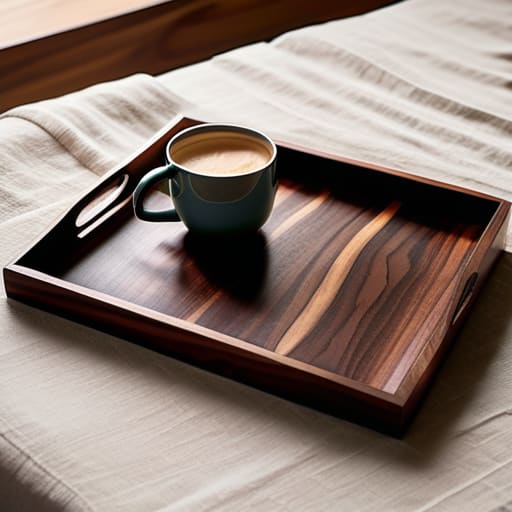
    In my experience, people tend to focus so much on the tea itself that they forget about the foundation. You shouldn’t be serving a high-quality brew on a piece of particle board or a flimsy plastic coaster. A solid walnut or acacia tray provides a stable, dignified surface that brings a sense of order to the tea service.

    Temperature-Controlled Glass Kettles

    If you’re going to do this right, you have to respect the science of the steep. Using boiling water on delicate green tea is a rookie mistake that ruins the flavor, and I don’t have time for wasted ingredients. A high-quality borosilicate glass kettle with a precise temperature gauge allows you to control the environment exactly as the tea requires.

    Thick-Walled Stoneware Mugs

    There is nothing more frustrating than a cup of tea that goes cold before you’ve even finished the first half of it. Most modern mugs are far too thin to provide any thermal mass. You need to seek out hand-thrown stoneware that has some real thickness to the walls. The weight of the mug should remind you that you’re holding something of value.

    The Bottom Line on Buying for Tea Lovers

    Avoid the “novelty” trap; if a gift is designed just to look cute on a social media feed, it’s likely going to end up in a landfill within the year.

    Prioritize material integrity, whether it’s heavy-gauge ceramic or high-quality loose-leaf storage, because the ritual of tea deserves tools that won’t fail.

    Think in terms of decades, not months—the best gift is one that becomes a permanent fixture in their kitchen rather than another piece of clutter.

    The Cost of Cheap Novelties

    Most gift guides will try to sell you a plastic gadget or a flimsy, patterned mug that’s destined for a landfill by next Christmas. Don’t fall for it. If you’re buying for a tea lover, buy them something with weight, something with soul, and something that can sit on their table for the next thirty years.

    Hugo Steenkamp

    Quality Over Novelty

    When you are selecting a gift for a tea enthusiast, the temptation to grab something flashy or “cute” from a big-box retailer is high. But after looking through these options, the pattern is clear: the best gifts aren’t the ones that look good on a shelf for a week, but the ones that actually improve the ritual. Whether it is a heavy-duty cast iron kettle that holds its heat or a set of hand-thrown ceramics that feel substantial in the palm, you want to prioritize materials that can stand the test of time. Avoid the plastic-heavy, flimsy gadgets that will inevitably end up in a landfill by next season. If you invest in durability and craftsmanship, you aren’t just giving a gift; you are giving a tool that will be used every single morning for years to come.

    At the end of the day, a good gift should reflect the respect you have for the person receiving it. By choosing something sturdy and purposeful, you are telling them that their daily habits matter and deserve the very best. Stop chasing the seasonal trends and the cheap, disposable trinkets that clutter up our lives. Instead, aim for the items that possess a sense of timeless utility. Buy it once, buy it well, and let the gift become a part of their home’s history. That is how you make a gesture truly count.

    Frequently Asked Questions

    How can I tell if a ceramic teapot is actually high-quality or just mass-produced junk disguised as artisanal?

    Don’t let a fancy glaze fool you. Pick it up first; a quality pot has weight and balance, not that hollow, flimsy feel of cheap factory molds. Check the spout—it should pour a steady stream without dripping, which tells you the craftsmanship is precise. Finally, look at the bottom. If it’s perfectly smooth and uniform, it’s likely mass-produced. You want to see a bit of character in the foot, not a machine-stamped finish.

    Is it worth investing in an expensive electric kettle, or will a simple stovetop model serve me better in the long run?

    Look, if you’re looking for a gadget that will end up in a landfill in three years, buy the electric one. They’re convenient, sure, but they’re full of cheap circuitry and plastic components that eventually fail. If you want something that actually lasts, get a heavy-duty stainless steel or copper stovetop kettle. It’s a simple, mechanical tool. There’s nothing to break, nothing to short out, and it’ll still be boiling water long after the electric model dies.

    When buying loose-leaf tea as a gift, what should I look for to ensure it hasn't been sitting in a warehouse for years?

    Don’t let a flashy tin fool you. Tea is an agricultural product, not a piece of hardware; it has a shelf life. First, check the “Best By” date, but don’t stop there. Look for a clearly marked harvest date. If they won’t tell you when it was picked, leave it on the shelf. I also look for vacuum-sealed packaging or airtight tins. If the seal is compromised or the bag looks crinkled and old, it’s already stale.

  • Finding the Perfect Stoneware Mugs

    Finding the Perfect Stoneware Mugs

    I remember sitting in my old office during the height of the supply chain rush, nursing a coffee in a thin, porcelain cup that felt more like a piece of eggshell than a tool for a working man. Every time I picked it up, I expected it to shatter, and more often than not, it did. It was a waste of money and a waste of my time. That’s why I finally made the switch to stoneware mugs. There is a fundamental difference between a vessel that is merely “pretty” and one that has the heft and durability to actually stand up to daily use. I’m tired of seeing people spend twenty dollars on a trendy, fragile cup that ends up in a landfill before the season even changes.

    In this guide, I’m not going to waste your time with fluff about “aesthetic vibes” or whatever nonsense the marketing departments are pushing this week. I’m going to tell you exactly what to look for so you can buy it once and buy it well. We will look at weight, glaze quality, and heat retention—the things that actually matter. My goal is to help you find a piece of functional stoneware that becomes a permanent fixture in your kitchen, not another piece of disposable junk.

    Table of Contents

    Why Artisan Pottery Mugs Outlast Fleeting Modern Fads

    Why Artisan Pottery Mugs Outlast Fleeting Modern Fads

    I’ve spent decades watching supply chains move goods from factories to doorsteps, and I can tell you one thing for certain: mass production is designed for the landfill. Most of what you see in big-box stores today is made of thin, uniform porcelain that feels hollow and breaks if you look at it sideways. These are the “disposable” items I talk about. When you switch to artisan pottery mugs, you aren’t just buying a container; you’re investing in density. A potter understands the chemistry of the clay, ensuring the piece has the structural integrity to withstand daily use without hairline fractures appearing after a week.

    There is a fundamental difference in the physics of the material, too. When comparing stoneware vs porcelain, the former offers a ruggedness that modern trends simply can’t replicate. These handcrafted coffee vessels are fired at higher temperatures, creating a vitrified, non-porous body that holds heat far longer than those flimsy, lightweight alternatives. You want something that has heft and intention. A well-made piece doesn’t just sit on your coaster; it anchors your morning ritual with a sense of permanence that a factory-molded cup will never possess.

    The Lasting Worth of Handcrafted Coffee Vessels

    The Lasting Worth of Handcrafted Coffee Vessels

    When I look at a piece of mass-produced ceramic, I see a product designed for a landfill, not a kitchen cupboard. These cheap, thin vessels are often nothing more than glorified disposables. In contrast, handcrafted coffee vessels carry a weight and a density that you simply can’t replicate on a high-speed assembly line. There is a fundamental difference in the physics of the object; a piece shaped by human hands tends to have a structural integrity that stands up to the daily rigors of a busy household.

    You also have to consider the practical side of longevity, specifically when comparing stoneware vs porcelain. While porcelain is fine for delicate tea service, it’s often too brittle for the real world. I prefer the ruggedness of high-fired stoneware. It offers a level of durable ceramic drinkware that can handle being set down a bit too hard on a granite countertop without shattering. If you find a piece with a high-quality, well-fired glaze, it won’t just look good—it will resist staining and withstand years of heat cycles. It’s about investing in something that earns its place on your shelf.

    How to Spot a Mug Built to Last

    • Check the weight and balance before you buy. A real stoneware mug should have some heft to it; if it feels like it’s made of thin eggshells, it’s going to crack the first time you set it down a little too hard on the counter.
    • Look for a thick, reinforced rim. In my experience, the rim is the first place a cheap cup fails. You want a rim that feels substantial and smooth, not a razor-thin edge that’s begging to chip.
    • Inspect the base for stability. A quality mug needs a flat, sturdy bottom. If it wobbles when you set it on a table, it’s poorly made and likely to tip over, leading to a mess and a broken vessel.
    • Avoid overly intricate, glued-on decorations. If the “art” looks like it’s just sitting on top of the glaze rather than being part of the clay itself, it’s going to flake off in the dishwasher. Stick to designs that are integrated into the piece.
    • Prioritize high-fired clay. You want stoneware that has been fired at high temperatures to ensure it’s non-porous and durable. If the seller can’t tell you about the firing process or the clay type, leave it on the shelf.

    The Bottom Line on Buying Stoneware

    Stop the cycle of replacing cheap, mass-produced ceramic cups every time they chip; investing in a single, heavy-duty stoneware mug is the only way to actually save money in the long run.

    Look for weight and texture over “aesthetic” trends—if a mug feels substantial in your hand and has a sturdy build, it’s built to endure your daily routine, not just look good in a photo.

    Prioritize craftsmanship that respects the material; a well-fired piece of stoneware isn’t just a vessel for coffee, it’s a functional tool for your home that won’t end up in a landfill by next year.

    The Cost of Cheapness

    I’ve spent enough years managing supply chains to know exactly why those mass-produced, thin-walled cups are so cheap: they’re designed to be replaced, not kept. A real stoneware mug isn’t just a vessel for your coffee; it’s an investment in something that won’t crack the moment life gets a little heavy.

    Hugo Steenkamp

    Making the Right Call

    Making the Right Call with stoneware.

    At the end of the day, choosing a stoneware mug isn’t about following a kitchen design trend or matching a color palette you saw on social media. It’s about recognizing the difference between something manufactured to be discarded and something built to endure. We’ve looked at how the weight of handcrafted clay feels better in your hands, how the firing process creates a durability that mass-produced ceramics simply can’t touch, and why investing in artisan work is a smarter use of your hard-earned money. When you stop cycling through cheap, disposable junk that chips the first time it hits the sink, you realize that quality is its own form of economy.

    I want you to take a look at your cupboard before you head out to your next shopping trip. If it’s filled with thin, fragile things that feel like they might break if you look at them wrong, it’s time for a change. My advice is simple: stop collecting clutter and start collecting tools for a life well-lived. Buy that one mug that feels substantial, that has a bit of soul to it, and that you know will still be sitting on your coaster twenty years from now. Buy it once, buy it well, and let your home be a place of substance rather than just another collection of fleeting, plastic nonsense.

    Frequently Asked Questions

    How can I tell if a mug is actually high-quality stoneware or just cheap ceramic painted to look the part?

    Don’t let a pretty glaze fool you. If you want to know what you’re holding, check the weight and the bottom. Real stoneware has a substantial, heavy heft to it—it shouldn’t feel hollow or light like those cheap department store pieces. Run your finger along the base; a quality piece will have a smooth, well-sanded foot, not a rough, jagged edge. If it feels flimsy or sounds tinny when you tap it, put it back.

    Are these handcrafted pieces actually practical for daily use, or are they too fragile for a dishwasher and microwave?

    Look, I get the skepticism. You don’t want a museum piece; you want a mug that works. Most high-quality stoneware is built to handle the heat of a microwave and the rigors of a dishwasher. In my experience, as long as you aren’t buying some delicate, thin-walled porcelain nonsense, these pieces are rugged. They have the heft to survive a busy morning. Buy something substantial, and it’ll stand up to your daily routine without breaking.

    Is there a significant difference in durability between a mass-produced mug and one made by an individual potter?

    Look, I’ve spent thirty years looking at supply chains, and I know exactly how mass production works. Those factory-made mugs are designed for speed and low cost, often using thinner clay bodies that are prone to hairline fractures. An individual potter, however, works with higher-fired stoneware and thicker walls. They aren’t just making a cup; they’re building a tool. One is a disposable commodity; the other is an investment that survives the dishwasher and the decades.

  • Advantages of Using Bamboo Products in the Home

    Advantages of Using Bamboo Products in the Home

    I’ve spent forty years looking at supply chains, and if there is one thing I can spot from a mile away, it’s a marketing scam. Lately, every shop on the street is peddling “eco-friendly” bamboo products as if they’ve discovered fire, but half of what they’re selling is just more disposable junk wrapped in a green label. I’ve seen enough flimsy, mass-produced bamboo cutting boards crack after two uses to know that most of this stuff is built to fail. If it’s not sturdy and if it isn’t packaged with some respect for the planet, I don’t want it in my house.

    I’m not here to sell you on a trend or some lifestyle fantasy you saw on a screen. My goal is to cut through the noise and tell you which items are actually worth your hard-earned money and which ones are just expensive clutter. I’ll be looking at these goods through the lens of a man who values durability and sensible shopping. We are going to find the pieces that actually endure, so you can stop wasting money and start building a home that lasts.

    Table of Contents

    The Unrivaled Strength of Sustainable Material Properties

    The Unrivaled Strength of Sustainable Material Properties.

    When I look at the structural integrity of what we bring into our homes, I don’t care about marketing fluff; I care about density and durability. Most people think “eco-friendly” means “fragile,” but they couldn’t be more wrong. In a direct bamboo vs plastic comparison, the math is simple. Plastic is a flimsy, petroleum-based mess that warps the moment it sees real use. Bamboo, on the other hand, has a natural tensile strength that rivals some steel alloys. It’s a dense, fibrous material that handles the daily grind of a working kitchen or a busy household without cracking under pressure.

    The real value lies in the sustainable material properties that allow these items to endure. Because it grows so rapidly, it’s a powerhouse of a renewable resource, but that doesn’t mean it’s soft. It’s hard, resilient, and holds its shape over years of service. If you’re looking to build a collection of zero waste lifestyle essentials, you need tools that won’t snap the first time you apply any real force. You aren’t just buying a product; you’re investing in a material that actually has the backbone to last.

    Choosing Renewable Resource Benefits Over Fleeting Fads

    Choosing Renewable Resource Benefits Over Fleeting Fads

    I’ve seen it time and again in my years in logistics: companies push low-cost, high-turnover goods because they’re easy to move, but they’re a nightmare for your wallet and the planet. People fall for the shiny, cheap allure of plastic, thinking they’re saving money, but they’re really just renting junk that ends up in a landfill by next season. When you look at a bamboo vs plastic comparison, the math is simple. Plastic is a dead-end material. Bamboo, on the other hand, offers genuine renewable resource benefits because it grows back faster than you can blink, without needing a chemistry lab to keep it alive.

    If you want to build a home that actually holds its value, you have to stop chasing the latest “must-have” gadget made of flimsy polymers. Instead, focus on zero waste lifestyle essentials that have some actual substance to them. I don’t care about what’s trending on social media; I care about what’s still sitting on my shelf ten years from now. Investing in quality, biodegradable household items isn’t just about being “green”—it’s about buying things that actually work and don’t require a replacement every six months.

    How to Spot Real Value and Avoid the Bamboo Trap

    • Check the weight before you buy. If a bamboo kitchen utensil feels light and hollow like a cheap toy, it’s going to snap the first time you use it on a heavy pot. You want something with heft that feels like it was built to work.
    • Inspect the finish. Avoid anything coated in heavy, shiny chemical lacquers that look like they’ll peel off in a week. A good bamboo product should have a natural, matte feel that respects the material and won’t end up in a landfill when the coating fails.
    • Look for seamless construction. In my years managing logistics, I learned that more joints mean more points of failure. For things like cutting boards or trays, choose solid pieces rather than those glued together from scraps; the glue is usually the first thing to give way.
    • Demand recyclable or compostable packaging. If a company is selling “eco-friendly” bamboo but wraps the whole thing in three layers of non-recyclable plastic, they’re just chasing a trend. If they don’t care about the packaging, they probably don’t care about the quality of the product either.
    • Buy for function, not for the “aesthetic.” Don’t buy a bamboo organizer just because it looks clean on a social media feed. Ask yourself if it actually solves a problem in your home. If it doesn’t serve a purpose, it’s just more clutter you’ll eventually have to throw away.

    The Bottom Line on Bamboo

    Stop treating your home like a landfill; choose bamboo because it offers the structural integrity of traditional hardwoods without the environmental cost.

    Look past the flashy marketing and focus on the density and durability of the grain to ensure you aren’t just buying another “green” version of disposable junk.

    Treat your purchase as a long-term investment in your household by selecting high-quality bamboo items that serve a purpose and won’t need replacing in a year.

    The True Cost of Convenience

    “I’ve spent enough years watching supply chains move mountains of cheap, disposable plastic that ends up in a landfill before the year is out. If you’re going to bring something into your home, make sure it’s made of a material like bamboo that actually has the backbone to endure, rather than something designed to fail the moment the trend dies.”

    Hugo Steenkamp

    Making the Right Call for Your Home

    Making the Right Call for Your Home.

    At the end of the day, switching to bamboo isn’t about following some new-age trend or checking a box for the sake of appearances. It is about practical, sensible decision-making. We have looked at how this material stands up to the rigors of daily use and why choosing a renewable resource makes far more sense than contributing to the mountain of landfill waste created by cheap, disposable alternatives. When you prioritize items that possess both structural integrity and environmental responsibility, you aren’t just buying a product; you are making a strategic investment in your household. Stop settling for the flimsy, mass-produced garbage that fails you when you need it most and start looking for durability that lasts.

    My advice is simple: look past the flashy marketing and focus on what actually endures. A home should be a collection of things that serve a purpose and stand the test of time, not a revolving door of plastic junk. By choosing bamboo, you are opting for a lifestyle of intentionality over mindless consumption. It is time to break the cycle of waste and start building a home that reflects real value. Buy it once, buy it well, and make it count. Your wallet, and your conscience, will thank you for it.

    Frequently Asked Questions

    How can I tell if a bamboo product is actually high-quality or just cheap filler disguised as sustainable?

    Don’t let the “eco-friendly” label fool you; a lot of it is just marketing fluff. First, check the weight. If a bamboo cutting board feels light as a feather, it’s likely thin, low-density filler. Second, look at the finish. High-quality pieces should feel smooth, not splintery or coated in a thick, cheap plastic resin. Most importantly, inspect the joints. If it’s held together by flimsy glue rather than solid construction, it’s junk.

    Does bamboo hold up well in high-moisture areas like kitchens and bathrooms, or will it warp after a few months?

    Look, I’ve seen enough cheap laminate swell up and rot to know better than to trust anything blindly. If it’s high-quality, dense bamboo, it handles moisture quite well—much better than most softwoods. However, the secret is in the finish. If you’re buying cutting boards or bath mats, make sure they’re sealed properly. Don’t let them sit in a puddle. Buy the sturdy stuff, treat it with respect, and it won’t warp on you.

    Is there a way to verify that the bamboo I'm buying is actually processed using eco-friendly methods rather than being soaked in toxic glues?

    Look, don’t just take a manufacturer’s word for it; they’re paid to sell, not to be honest. You need to hunt for certifications like FSC (Forest Stewardship Council) or OEKO-TEX. If they can’t show you proof that their resins and glues are non-toxic, walk away. I’ve seen too much cheap, chemically-laden junk pass for “natural.” If the label is vague, it’s probably a red flag. Buy from brands that actually document their process.

  • Styling Your Table With Stoneware Plates

    Styling Your Table With Stoneware Plates

    I was clearing out my daughter’s kitchen last weekend, and I couldn’t believe my eyes. She had three different sets of those thin, flimsy porcelain dishes—all because they matched the “color of the month” she saw on some social media feed. It’s a ridiculous cycle of waste. Most people think you need a different set of dishes for every occasion or aesthetic, but that’s just a way to bleed your wallet dry. If you want something that actually handles a heavy Sunday roast without chipping at the edges, you need to stop chasing trends and invest in stoneware plates. They aren’t about being “trendy”; they are about substance and durability.

    I’m not here to sell you on some high-end designer brand that costs a month’s pension just because of a logo. My goal is to cut through the marketing fluff and tell you what actually holds up in a real, working kitchen. I’ll show you how to spot quality in the weight and glaze, so you can buy a set once and never worry about replacements again. Let’s get down to business and find you something that actually lasts.

    Table of Contents

    The Unyielding Strength of Durable Ceramic Dinnerware

    The Unyielding Strength of Durable Ceramic Dinnerware

    In my years managing logistics, I learned that the most expensive item is the one you have to replace three times. Most people fall into the trap of buying cheap, thin sets that chip the moment a fork hits them too hard. That’s why I always point people toward durable ceramic dinnerware. Unlike the delicate, fragile stuff you find in big-box discount aisles, high-quality stoneware is fired at much higher temperatures. This makes the material dense and incredibly resilient against the daily rigors of a busy kitchen.

    It isn’t just about surviving a drop, though; it’s about practical utility. I have no interest in “decorative” pieces that sit in a cupboard because they’re too finicky to use. You want something that is dishwasher safe tableware so you aren’t spending your evening hand-washing every single meal. If you’re looking for longevity, you need pieces that can handle the heat of a microwave without cracking or losing their finish. When you stop viewing dinnerware as a seasonal fashion statement and start seeing it as a tool, you realize that investing in quality is the only way to shop.

    Stoneware vs Porcelain Choosing Substance Over Surface

    Stoneware vs Porcelain Choosing Substance Over Surface

    When you’re standing in the kitchenware aisle, it’s easy to get distracted by the thin, delicate sheen of porcelain. It looks expensive, sure, but in my experience, there is a significant difference between something that looks pretty on a shelf and something that can actually handle a Tuesday night dinner. When comparing stoneware vs porcelain, the real distinction lies in the density and the firing process. Porcelain is fine and lightweight, but it’s brittle; one slip against the sink and you’re looking at a crack. Stoneware, on the other hand, is fired at higher temperatures to create a much more robust, non-porous structure.

    I’ve always preferred pieces that feel substantial when you pick them up. You want durable ceramic dinnerware that doesn’t feel like it might shatter if you set it down a little too firmly. Most quality stoneware is also designed for the realities of modern life—meaning it should be dishwasher safe tableware and, more importantly, microwave safe stoneware. You aren’t just buying a dish; you’re buying a tool for your home. Don’t trade long-term utility for a bit of superficial gloss.

    How to Spot Real Quality Before You Open Your Wallet

    • Check the weight and density. If a plate feels light and hollow like a cheap saucer, it’s going to chip the first time it hits the sink. A proper stoneware piece should have some heft to it; you want something that feels substantial when you pick it up.
    • Inspect the glaze for consistency. You aren’t looking for a perfect, plastic-looking factory finish. Look for a glaze that is deeply integrated with the clay. If the surface looks like it’s just sitting on top, it’ll peel or crack under heat.
    • Look for a non-porous finish. In my old logistics days, we talked about material integrity. For your kitchen, that means the plate shouldn’t absorb moisture or oils. If the glaze isn’t high-fired and tight, your plates will eventually smell like last week’s leftovers.
    • Avoid the “set of 24” trap. Cheap retailers love to sell massive, low-quality sets at a discount. It’s a scam to get you to buy more junk. Buy a smaller set of high-quality pieces instead; it’s better to have six plates that last a decade than twenty-four that end up in a landfill by Christmas.
    • Test the rim for smoothness. Run your finger along the edge of the plate. If there are any tiny imperfections or rough spots, walk away. Those little flaws are where the structural failures start, and they’ll eventually turn into jagged cracks.

    The Bottom Line on Your Next Tableware Investment

    Stop chasing thin, fragile porcelain that chips the moment life happens; choose stoneware for its density and ability to withstand daily use.

    Look for pieces that balance weight and texture, ensuring they feel substantial in your hands rather than like cheap, mass-produced plastic.

    Prioritize timeless designs over seasonal trends so you aren’t forced to replace your set every time a new “look” hits the internet.

    The Cost of Cheapness

    I’ve spent enough years managing supply chains to know that ‘cheap’ is just a down payment on a future headache; if you’re going to set a table, buy stoneware that can handle a lifetime of real use instead of something that chips the first time you look at it sideways.

    Hugo Steenkamp

    The Bottom Line on Your Tableware

    The Bottom Line on Your Tableware.

    At the end of the day, choosing stoneware isn’t about following a kitchen decor trend you saw on social media; it’s about making a sensible investment in your home. We’ve looked at why the density of ceramic matters, how the thermal mass of stoneware keeps your food warm, and why you should opt for substance over the fragile, thin-walled porcelain that chips the moment life gets a little messy. If you want pieces that can handle a heavy roast, a dishwasher cycle, and the occasional bump against a sink without shattering, stoneware is the only logical choice. Stop settling for disposable-quality dinnerware that ends up in a landfill every time you move apartments or host a holiday.

    My advice is simple: look at your dining table as an extension of your household’s stability. When you buy a set of quality stoneware, you aren’t just buying plates; you are buying the peace of mind that comes with knowing your tools are reliable. There is a certain satisfaction in using something that feels substantial in your hands and stays beautiful through years of use. Don’t let the marketing machine trick you into buying more junk. Buy it once, buy it well, and let your dinnerware be something that actually lasts long enough to become part of your family’s history.

    Frequently Asked Questions

    How do I know if these plates are actually dishwasher and microwave safe, or if they'll crack the first time they get hot?

    Look, don’t just take the manufacturer’s word for it—they’re paid to say it’s fine. Check the bottom of the plate for a stamped mark; real stoneware usually has it right there. If there isn’t one, ask the seller for the firing temperature. You want something fired at high heat; that’s what makes it dense enough to handle a microwave without cracking or a dishwasher without losing its glaze. Don’t gamble on it.

    Are these going to chip easily if I'm stacking them in a tight cupboard like I do with my everyday dishes?

    Look, I’ve spent decades managing logistics where things get banged around in crates, so I know a thing or two about impact. If you’re stacking them tight, you need to be sensible. Stoneware is dense and much more forgiving than delicate porcelain, but nothing is invincible. To keep them pristine in a cramped cupboard, just throw a small felt protector or even a paper towel between the plates. It’s a simple fix that prevents unnecessary wear.

    What's the best way to clean them to make sure the glaze doesn't wear down or get those ugly metal marks from my silverware?

    Don’t go throwing them in a high-heat industrial dishwasher every night; that’s how you strip the glaze. Hand-washing with a mild soap is the safest bet for longevity. To avoid those grey metal marks from your silverware, stop scraping your forks across the surface like you’re digging a trench. Use wooden or silicone utensils when serving, and when stacking them, put a small piece of felt or a paper towel between plates to prevent scratching.