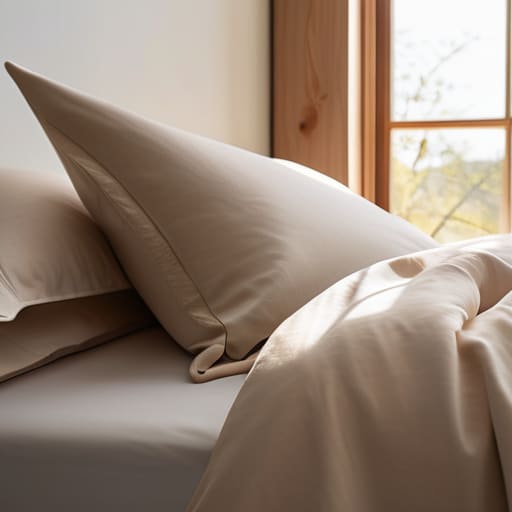
I’ve spent thirty years in logistics, so I know exactly what happens when a company prioritizes marketing fluff over actual material integrity. Most of what you see advertised online regarding organic cotton sheets is nothing more than clever packaging designed to separate a fool from his money. They’ll throw around buzzwords like “luxury” and “cloud-like” to justify a ridiculous markup, but more often than not, you’re just buying a glorified piece of disposable fabric that will pill and thin out after three washes. I’m tired of seeing people fall for the shiny veneer of high-end branding when the actual construction of the textile is substandard.
I’m not here to sell you on a lifestyle or a trend; I’m here to help you make a sensible investment. In this guide, I’m going to strip away the marketing nonsense and tell you exactly what to look for in terms of weave, weight, and long-term durability. My goal is to ensure that when you finally pull those organic cotton sheets out of the box, you know they are built to last for a decade, not just until next season. Let’s get down to the brass tacks of what actually constitutes quality.
Table of Contents
The Integrity of Gots Certified Bedding
When I look at a certification label, I’m not looking for a marketing buzzword; I’m looking for accountability. In my years managing logistics, I learned that if you can’t trace a product back to its source, you don’t actually know what you’re buying. That is precisely why I look for GOTS certified bedding. The Global Organic Textile Standard isn’t just some vague promise made by a salesperson; it is a rigorous set of rules that governs everything from how the cotton is grown to how the final product is processed. It ensures that the person making your sheets was treated fairly and that no nasty chemicals were dumped into the local water supply during production.
If you want a non-toxic sleep environment, you cannot afford to be casual about these standards. Many companies claim to be “natural,” but they skip the heavy lifting of third-party verification. By sticking to GOTS-certified goods, you are ensuring that your bedroom remains a sanctuary free from the synthetic residues found in cheap, mass-produced textiles. It’s about buying with certainty—knowing that the fabric against your skin is as honest as the person who sold it to you.
Building a Non Toxic Sleep Environment
Most people don’t realize that their bedroom is likely filled with more chemicals than their kitchen pantry. Between the dyes used in cheap textiles and the harsh finishes applied to mass-produced furniture, you’re essentially sleeping in a cocktail of synthetic additives. If you’re serious about a non-toxic sleep environment, you have to look beyond just the comfort level. You need to scrutinize what is actually being pressed against your skin for eight hours every single night.
I’ve always believed that if a product is built to last, it shouldn’t rely on cheap chemical shortcuts to look good on a showroom floor. When you opt for breathable organic fabric, you aren’t just choosing a softer feel; you’re opting out of the cycle of inhaling off-gassing fumes from synthetic blends. It’s about more than just being “green”—it’s about common sense. If you wouldn’t let your family eat out of a plastic container that’s leaching chemicals, don’t wrap yourselves in bedding that does the same thing. Invest in materials that are as clean as they are durable.
Five Ways to Tell if You’re Buying Quality or Just Marketing Fluff
- Check the thread count, but don’t let them fool you. High numbers like 1000+ are often a marketing trick used to hide cheap, thin fabric. Look for a lower, honest count in long-staple cotton; it’s more durable and breathes better.
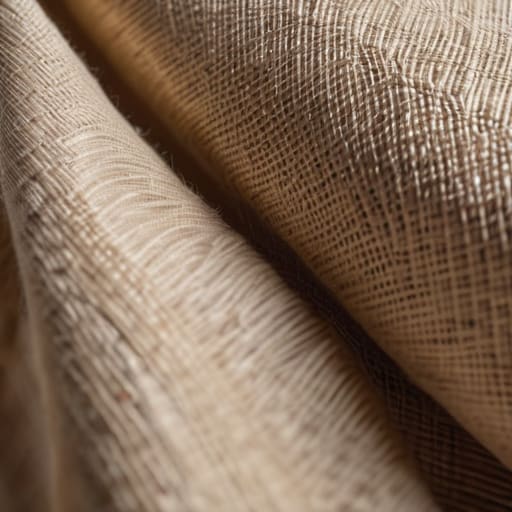
- Feel the weight of the weave. If the fabric feels suspiciously light or “silky” in a way that seems unnatural, it’s likely a synthetic blend masquerading as cotton. Real organic cotton has a substantial, honest heft to it.
- Demand transparency on the origin. If a company can’t tell you exactly where their cotton was grown or how it was processed, they’re hiding something. I don’t care for mysteries when it comes to what I’m sleeping on.
- Look for tight, consistent weaves. Run your hand across the sheet; if you feel uneven patches or loose threads, that’s a sign of poor manufacturing. In my experience, a sloppy weave is a guarantee of a short lifespan.
- Avoid the “easy care” trap. If the packaging claims these sheets are wrinkle-free or never need ironing, they’ve likely treated the cotton with chemicals that ruin the fibers over time. Real cotton requires a little care, but it pays off in longevity.
The Bottom Line on Quality Bedding
Stop treating sheets like disposable commodities; look for long-staple organic fibers that actually hold up after dozens of washes rather than thinning out after a month.
Prioritize certifications like GOTS to ensure you aren’t paying a premium for “greenwashed” marketing that lacks any real substance or chemical accountability.
View your bedding as a long-term investment in your health and home, because buying cheap, synthetic blends is just a fast way to waste money and clutter your life with junk.
Stop Chasing Trends and Start Investing in Durability
Most people treat bedding like fast fashion—buying cheap, synthetic blends that pill and thin out after a dozen washes. It’s a waste of money. If you’re going to spend a third of your life in bed, stop settling for disposable junk and buy organic cotton that actually holds its integrity year after year.
Hugo Steenkamp
Making the Right Call for Your Home
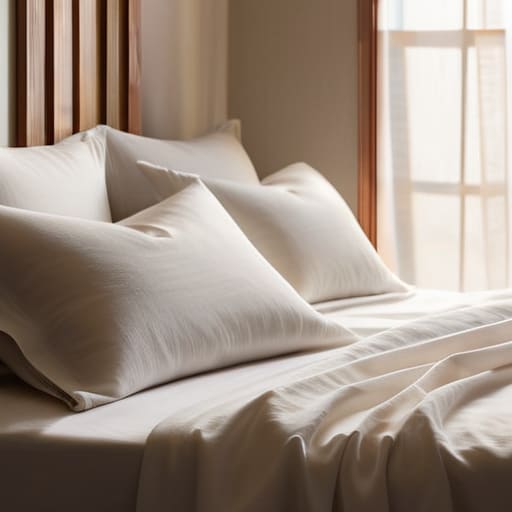
At the end of the day, choosing organic cotton sheets isn’t about following a lifestyle trend or checking a box for social media. It is about understanding the fundamental value of what you bring into your home. We have looked at why GOTS certification matters for true quality, and why keeping toxins out of your bedroom is a matter of common sense, not luxury. When you prioritize materials that are built to endure and grown without harmful chemicals, you aren’t just buying bedding; you are investing in a standard of living that refuses to compromise. Stop settling for those thin, synthetic blends that pill after three washes and leave you searching for replacements every single season.
My advice is simple: look past the flashy marketing and focus on the substance. A well-made set of organic sheets is a practical decision that pays dividends in both your health and your wallet over the long haul. There is a certain peace of mind that comes from knowing your belongings are sturdy, sustainable, and built to last. Don’t waste your hard-earned money on the disposable culture that defines modern retail. Buy the quality you deserve, take care of it, and let it serve you for years to come. That is how you build a home that actually matters.
Frequently Asked Questions
How can I tell if these sheets are actually high-quality cotton or just a clever marketing trick?
Don’t let a high thread count fool you; that’s the oldest trick in the book to sell you thin, flimsy fabric. I’ve seen enough shipping manifests to know that numbers can be manipulated. Instead, look for long-staple fibers like Pima or Egyptian cotton. They’re stronger and won’t pill after three washes. If the label is vague about the fiber length or origin, walk away. If they can’t be specific, they’re hiding something.
Are these organic sheets going to pill or thin out after a few dozen trips through the washing machine?
Look, I’ve seen enough cheap, mass-produced fabric to know that most “luxury” bedding is just marketing fluff. If you buy low-grade, short-staple cotton, yes, it’ll pill and thin out within months. But real, long-staple organic cotton is built differently. It’s got the structural integrity to handle a standard wash cycle without falling apart. Treat them well—don’t over-dry them—and they’ll actually get better with age, rather than turning into rags.
Is the extra cost for organic certification actually worth it, or am I just paying for a label?
Look, I’ve spent enough years in logistics to know that a label can be marketing fluff, but in this case, it’s a paper trail of accountability. That extra cost isn’t for a fancy logo; it’s paying for the verification that no toxic pesticides were dumped into the soil and no heavy metals ended up in your bed. If you want something that lasts and doesn’t compromise your health, pay for the certification. It’s not a luxury; it’s due diligence.