Category: Guides

  • Selecting Stone Coasters for Your Home

    Selecting Stone Coasters for Your Home

    I was cleaning out my workshop the other day when I found a stack of those flimsy, cork-backed coasters I bought on a whim five years ago. They were warped, peeling, and frankly, a disgrace to any decent coffee table. It’s the same nonsense I see everywhere today: people spending a fortune on “designer” trinkets that are essentially disposable junk masquerading as home decor. If you’re tired of replacing your tabletop protection every time a guest sets down a cold drink, you need to stop chasing those cheap trends and start looking at stone coasters. A real piece of slate or marble doesn’t care about seasonal color palettes; it just does its job without falling apart.

    I’m not here to sell you on some overpriced lifestyle brand or show you a curated gallery of things you don’t need. My goal is to cut through the marketing fluff and tell you exactly what to look for so you can buy it once and buy it well. I’ll be sharing my straightforward assessment of weight, absorption, and durability to ensure your next purchase is an investment, not a waste of money.

    Table of Contents

    The Art of Minimalist Home Styling With Natural Stone Drink Coasters

    The Art of Minimalist Home Styling With Natural Stone Drink Coasters

    Most people make the mistake of cluttering their coffee tables with knick-knacks that serve no purpose other than to collect dust. If you want to follow a philosophy of quality over quantity, you need to embrace minimalist home styling. This isn’t about having an empty house; it’s about ensuring every item on your table has a reason to be there. When you opt for natural stone drink coasters, you aren’t just adding a way to protect your furniture—you are adding a piece of the earth that brings a sense of weight and permanence to the room.

    A single, well-placed slab of stone does more for your aesthetic than a dozen cheap, patterned saucers ever could. Whether you are deciding between slate vs marble coasters for a specific look, the goal remains the same: simplicity. A heavy, textured piece of slate provides a rugged, grounded feel, while marble offers a clean, sophisticated edge. Both options serve the essential function of preventing water rings on wood, ensuring your investment in a good tabletop stays intact for decades. Stop decorating for the moment and start building a space that lasts.

    Choosing Permanence the Debate of Slate vs Marble Coasters

    Choosing Permanence the Debate of Slate vs Marble Coasters

    When you’re standing in the aisle or scrolling through a catalog, you’ll inevitably face the classic debate of slate vs marble coasters. In my experience, there isn’t a “better” option, only the right tool for the job. Slate is the workhorse of the two; it’s rugged, dark, and possesses a natural texture that makes it excellent for preventing water rings on wood surfaces. It doesn’t demand much from you, and it certainly won’t break the bank if you’re looking for something purely functional.

    Marble, on the other hand, leans more toward that luxury tabletop decor aesthetic. It’s elegant and bright, but you have to be mindful. Because marble is slightly more porous, it can react to acidic spills if you aren’t careful. If you want something that feels substantial and looks timeless on a coffee table, marble is a fine choice, provided you treat it with respect. Ultimately, whether you choose the matte grit of slate or the polished weight of marble, you’re investing in natural stone drink coasters that won’t end up in a bin by next season.

    How to Buy Stone Coasters Without Getting Ripped Off

    • Look past the fancy photography. A good stone coaster should have a decent weight to it; if it feels light or hollow, it’s likely a cheap composite that’ll crack the first time you set a heavy mug down.
    • Check the edges. I’ve seen too many “luxury” sets arrive with jagged, unfinished sides that scratch up a decent wooden coffee table. You want something with a smooth, honed finish or a subtle bevel.
    • Don’t fall for the “set” trap. Sometimes it’s better to buy high-quality individual pieces rather than a cheap ten-pack. I’d rather have four coasters that last twenty years than twenty coasters that end up in the bin by Christmas.
    • Verify the sealing. Natural stone is porous by nature. If the manufacturer hasn’t properly sealed the surface, that red wine or condensation is going to leave a permanent stain, making the whole thing useless.
    • Mind the packaging. If a company ships heavy stone in a mountain of non-recyclable plastic foam, they don’t share my values. Look for brands that use sturdy, cardboard-based protection—it’s better for the planet and usually means they actually care about how their product arrives.

    Bottom Line: Don't Settle for Disposable

    Stop buying those cheap, flimsy coasters that soak up moisture and warp within a month; invest in real stone that actually protects your surfaces.

    Choose between slate for a rugged, low-maintenance look or marble if you want something timeless, but ensure the material is heavy enough to stay put.

    Look for quality over quantity—one set of solid stone coasters is worth more than five sets of plastic junk that will inevitably end up in a landfill.

    Stop Buying Disposable Junk

    I’ve spent enough years in logistics to know the difference between a product designed to last and one designed to be replaced; a solid stone coaster isn’t just a way to protect your table, it’s a refusal to participate in the cycle of buying cheap, flimsy rubbish that ends up in a landfill by next season.

    Hugo Steenkamp

    Making the Right Call for Your Home

    Making the Right Call for Your Home.

    At the end of the day, choosing between slate, marble, or any other natural stone comes down to a simple calculation of utility versus aesthetics. We’ve looked at how these pieces anchor a room through minimalist styling and how the specific material you choose dictates how much maintenance you’ll be doing down the road. Whether you prefer the rugged, dark character of slate or the refined elegance of marble, the goal remains the same: you are looking for a tool to protect your furniture that won’t end up in a bin by next Christmas. Don’t let the marketing fluff fool you into buying something purely for its looks if it can’t handle a condensation ring. Invest in something that offers genuine durability and stands the test of time.

    I’ve spent enough years in logistics to know that the cheapest option is almost always the most expensive one in the long run. Every time you replace a flimsy, disposable coaster, you’re throwing money away and contributing to the mountain of junk we call modern consumerism. My advice is simple: stop settling for “good enough” and start looking for quality. When you buy a set of solid stone coasters, you aren’t just buying a tabletop accessory; you are making a commitment to a smarter way of living. Buy them once, make them count, and let them be a permanent part of a home built on substance rather than trends.

    Frequently Asked Questions

    How do I actually clean these things without ruining the stone or leaving a mess on my furniture?

    Listen, don’t go grabbing those harsh chemical sprays you use on your countertops. You’ll etch the surface and ruin the finish in no time. For most stone, a bit of warm water and a drop of mild, pH-neutral soap is all you need. Wipe them down, then—and this is the important part—dry them thoroughly with a clean cloth. If you leave them damp, you’re just inviting water rings and mineral buildup. Keep it simple.

    Are these heavy stone slabs going to scratch my wooden dining table if I'm not careful?

    It’s a fair question. I’ve seen enough ruined finishes in my time to know that weight doesn’t always mean safety. If you just drop a raw slab onto a polished surface, you’re asking for trouble. However, a quality stone coaster should have a slim cork or felt backing. That’s non-negotiable. It provides the grip and the buffer needed to protect your wood. Don’t settle for bare stone; ensure they’re finished properly so they serve your table rather than scarring it.

    Do I need to seal them beforehand, or are they ready to use straight out of the box?

    Don’t just pull them out of the box and start setting drinks down. If you’ve bought marble or any porous stone, you need to seal them first. If you don’t, a single spill of red wine or even condensation will leave a permanent stain that ruins the look. Take ten minutes to apply a quality stone sealer. It’s a small bit of upfront work that ensures these coasters actually last a lifetime.

  • How to Style Linen Tablecloths for Meals

    How to Style Linen Tablecloths for Meals

    I was cleaning out my workshop last weekend when I stumbled upon an old, heavy linen cloth my wife had used for decades. It wasn’t pristine, but it had a weight and a character that you just don’t see in the flimsy, synthetic rubbish people are buying these days. Most folks think you need to spend a fortune on designer labels to get decent linen tablecloths, but they’re wrong. They’re being sold a lie that “delicate” means “high quality.” In my thirty years in logistics, I learned that the most expensive item isn’t always the best; it’s the one that actually performs under pressure and survives the wash cycle without turning into a rag.

    I’m not here to show you a curated list of overpriced trends that will look tired by next season. Instead, I’m going to give you the straight truth on what to look for in terms of weave, weight, and durability. I’ll show you how to spot the difference between real flax and cheap imitations so you can buy it once and buy it well. We are going to focus on practical value, ensuring that whatever you put on your table is built to endure the years.

    Table of Contents

    Natural Flax Fabric Benefits That Outlast Every Trend

    Natural Flax Fabric Benefits That Outlast Every Trend

    When you look closely at the weave, you can see why this material holds its own against the cheap, flimsy stuff flooding the market today. The real natural flax fabric benefits come down to the sheer strength of the fiber itself. Unlike cotton, which tends to thin out and lose its shape after a few dozen trips through the wash, linen is incredibly resilient. It’s a dense, sturdy fiber that actually grows more supple with age. I’ve seen enough low-grade textiles in my time to know that most things are built to be replaced, but a high-quality flax weave is built to be inherited.

    If you are weighing the pros and cons of linen vs cotton tablecloths, don’t just look at the price tag; look at the longevity. Cotton is fine for a quick picnic, but it lacks the structural integrity required for a daily dining staple. Linen offers a certain weight and a washed linen texture that feels substantial under your hands. It’s a breathable fabric for dining that handles spills and heat without breaking a sweat, making it a sensible investment for anyone tired of the “buy-and-toss” cycle.

    Linen vs Cotton Tablecloths Why Substance Wins

    Linen vs Cotton Tablecloths Why Substance Wins

    I’ve spent enough years in logistics to know the difference between a material that’s built to last and one that’s just designed to look good on a showroom floor. When you compare linen vs cotton tablecloths, the math is simple. Cotton is fine for a casual picnic, but it’s a soft, forgiving fabric that tends to thin out and fray after a few dozen heavy washes. It’s a consumable, really. Linen, on the other hand, is a different beast entirely. Because it’s derived from the flax plant, the fibers are significantly longer and stronger. You aren’t just buying a piece of fabric; you’re investing in a textile that possesses a structural integrity cotton simply can’t match.

    The real beauty lies in how these materials age. While a cotton cloth starts looking tired the moment it loses its crispness, a high-quality linen piece actually develops character. That slightly irregular, washed linen texture isn’t a defect—it’s a sign of a robust, natural material that grows more supple with every single meal. If you want something that survives the chaos of a family dinner and the rigors of the laundry, stop settling for the flimsy stuff.

    How to Treat Your Linen So It Actually Lasts a Lifetime

    • Stop overcomplicating the laundry. Use a gentle cycle with mild detergent and avoid those harsh chemical softeners; they actually coat the fibers and ruin the natural breathability of the flax.
    • Never, and I mean never, toss your linen in a high-heat dryer. It’ll shrink the fabric and leave it feeling brittle. Hang it to air dry or use a low-heat setting, then iron it while it’s still slightly damp to get those creases out properly.
    • Don’t be afraid of a few wrinkles. Part of the character of a real linen cloth is that lived-in look. If you try to make it look stiff and artificial like a cheap polyester blend, you’re missing the whole point of the material.
    • Watch out for bleach. It’s the enemy of natural fibers. If you get a stubborn stain, use an enzyme-based cleaner or a bit of lemon juice and sunlight rather than reaching for the heavy-duty chemicals that eat away at the weave.
    • Store them properly. Don’t cram them into a plastic bin where they can’t breathe. Fold them loosely and keep them in a dry, cool place—ideally wrapped in acid-free paper or a cotton bag—so they stay ready for the next time you host a proper meal.

    The Bottom Line on Investing in Linen

    Stop buying thin, cheap cotton blends that fray after three washes; a heavy-weight linen tablecloth is a one-time purchase that will serve your family for decades.

    Don’t be fooled by “wrinkle-free” marketing—true quality comes from the natural texture of flax, which handles daily use and aging far better than synthetic pretenders.

    Look for long-staple fibers and honest construction; if the fabric feels flimsy or the edges aren’t properly hemmed, put it back on the shelf and save your money.

    The Cost of Cheap Fabric

    I’ve spent enough years in logistics to know that the cheapest option on the invoice is usually the most expensive one in the long run; stop buying thin, disposable cloths that shrink after one wash and start investing in heavy linen that actually earns its place on your table.

    Hugo Steenkamp

    Making the Right Call for Your Table

    Making the Right Call for Your Table.

    At the end of the day, choosing a tablecloth shouldn’t be about matching a temporary color trend you saw on a social media feed. We’ve looked at why the natural strength of flax beats out flimsy cotton every single time, and why the durability of a well-made linen piece makes it a superior long-term investment. If you want something that can withstand a spilled glass of red wine or a heavy family dinner without fraying at the edges, linen is the only logical choice. Stop settling for disposable textiles that end up in a landfill after a single season. When you prioritize substance over style, you aren’t just buying fabric; you’re buying peace of mind.

    My advice is simple: stop chasing the cheap thrills of fast fashion for your home. It might cost a bit more upfront, but there is a profound satisfaction in owning things that actually age with grace. A linen tablecloth doesn’t just sit there; it gathers character, softening and improving with every single wash and every shared meal. Invest in pieces that are built to endure and that respect the environment by not being part of the waste cycle. Buy it once, buy it well, and make it count. Your dining room—and your wallet—will thank you for it.

    Frequently Asked Questions

    How do I actually clean these things without ruining the fabric or making it look like a rag?

    Look, I’ve seen enough people ruin good textiles by treating them like gym towels. Don’t go throwing your linen in a high-heat dryer; that’s a fast track to shrinking it into a dishcloth. Wash it on a gentle cycle with cold water and a mild detergent. When it comes out, shake it out well and hang it to air dry. If you must iron, do it while it’s still slightly damp.

    Is it worth the extra money to get heavy-weight linen, or is the lighter stuff just as durable?

    Look, if you’re looking for a cheap fix, go for the light stuff. But if you want a tablecloth that actually survives a real dinner party, buy the heavy-weight linen. In my experience, weight equals durability. Light linen is fine for a summer breeze, but it wrinkles like crazy and feels flimsy. Heavy-weight linen has the heft to drape properly and the strength to withstand years of washing. Buy the heavy stuff once; don’t buy thin linen twice.

    How do I deal with the wrinkles—is it a permanent look or am I going to spend all my time ironing?

    Look, I’ll be blunt: if you want a perfectly smooth, stiff surface like a hotel banquet hall, linen isn’t for you. It’s going to wrinkle. But here’s the reality—those creases are part of the character. They show the fabric is real, not some synthetic imitation. If you can’t stand them, give it a quick steam, but honestly? Just embrace the lived-in look. It’s functional, it’s honest, and it saves you from being a slave to the iron.

  • Why Choose Bamboo Utensils for Cooking

    Why Choose Bamboo Utensils for Cooking

    I was cleaning out my kitchen drawer the other day and found myself staring at a pile of splintered, cheap plastic spoons that had warped after just a few months of heavy use. It’s the same nonsense I saw throughout my years in logistics: companies churning out low-grade junk designed to fail so you’re forced to buy more. People will tell you that any set of bamboo utensils you find online is a “sustainable miracle,” but most of that stuff is just more disposable rubbish wrapped in unnecessary plastic. If you aren’t careful, you’re just trading one form of waste for another, and frankly, it’s a waste of your hard-earned money.

    I’m not here to sell you on some lifestyle trend or a flashy brand name that costs a fortune. I’ve spent my life looking at how things are built and how they hold up under pressure, and I’m going to tell you exactly what to look for so you don’t get cheated. I’ll show you how to identify bamboo utensils that are actually dense enough to endure daily use and how to care for them so they last for years, not weeks. My goal is simple: I want you to buy it once and buy it well.

    Table of Contents

    Beyond the Trend Bamboo vs Plastic Cutlery

    Beyond the Trend Bamboo vs Plastic Cutlery

    I’ve spent enough time in logistics to know that “cheap” is usually the most expensive way to buy something. When you look at the comparison of bamboo vs plastic cutlery, the math is simple. Plastic is a lie; it’s a flimsy, petroleum-based product designed to snap the moment you try to cut through something substantial. You buy a pack of twenty, three of them warp or crack, and before you know it, you’re tossing a handful of non-recyclable junk into a landfill. It’s a cycle of waste that serves nobody.

    Bamboo, on the other hand, has a structural integrity that plastic can’t touch. It’s a dense, fibrous material that handles heat and pressure without losing its shape. Beyond just being sturdier, the biodegradable kitchenware benefits are undeniable. When a piece of bamboo finally reaches the end of its long life, it returns to the earth rather than sitting in a pile for five hundred years. If you want to stop participating in the “disposable” culture, stop buying things meant to be thrown away. Invest in tools that actually work.

    Zero Waste Dining Essentials for the Discerning Home

    Zero Waste Dining Essentials for the Discerning Home.

    If you’re serious about setting a table that actually means something, you need to look past the single-use garbage that ends up in a landfill after one meal. True zero waste dining essentials aren’t about being trendy; they are about making a conscious choice to own items that don’t leave a permanent scar on the planet. I always tell my friends: if you can’t compost it or reuse it for a decade, it shouldn’t be in your cupboard.

    When I’m packing for a trip or heading out to the park, I don’t reach for those flimsy, disposable sets. I grab my eco-friendly picnic sets—sturdy, well-made pieces that feel substantial in your hand. Beyond the obvious environmental impact, there is a certain dignity in using real materials rather than cheap, heat-sensitive polymers. It’s about the tactile experience of a meal. Investing in quality compostable eating utensils or high-grade bamboo isn’t just a win for the environment; it’s a win for your standard of living. Stop settling for disposability and start building a kitchen that lasts.

    How to Pick and Maintain Tools That Actually Last

    • Check the grain and the finish before you buy; if the bamboo feels splintery or looks uneven in the shop, it’ll be a nightmare in your kitchen within a week.
    • Avoid the cheap, mass-produced sets that come wrapped in layers of non-recyclable plastic; look for brands that take the extra step to use cardboard or compostable packaging.
    • Stop throwing them in the dishwasher; the high heat and harsh detergents will warp the wood and ruin the fibers, so stick to a quick hand wash with mild soap.
    • Keep them seasoned like you would a good cast-iron skillet; a light rub with food-grade mineral oil every few months keeps the bamboo from drying out and cracking.
    • Don’t buy a massive, oversized set just because it’s on sale; pick a few functional pieces—a sturdy spoon, a spatula, and a fork—that you’ll actually use every single day.

    The Bottom Line on Bamboo

    Stop treating kitchenware like it’s disposable; choose bamboo to end the cycle of replacing flimsy plastic every few months.

    Look for density and weight when buying—real bamboo should feel substantial in your hand, not like a hollow novelty.

    Prioritize brands that use minimal, recyclable packaging so you aren’t solving one waste problem by creating another.

    The Cost of Convenience

    “Most people think they’re saving money by grabbing a pack of plastic forks, but they’re really just paying a tax on waste. A solid set of bamboo utensils isn’t a luxury; it’s a practical decision to stop buying garbage that’s destined for a landfill before you’ve even finished your meal.”

    Hugo Steenkamp

    Making the Right Call

    Making the Right Call with bamboo tools.

    Look, at the end of the day, choosing bamboo over plastic isn’t just about being environmentally conscious—though that’s a massive part of it. It’s about common sense. We’ve spent decades conditioned to accept flimsy, disposable tools that serve no purpose other than to end up in a landfill. By switching to quality bamboo, you’re choosing a material that is naturally resilient, easy to maintain, and far more dignified to use at your table. You aren’t just buying a spoon; you are investing in a tool that respects both your kitchen and the planet. Stop settling for the cheap stuff that fails when you actually need it.

    My philosophy has always been simple: if it doesn’t serve a purpose and endure, it doesn’t belong in your home. Transitioning to a more sustainable kitchen doesn’t require a total overhaul overnight, but it does require a shift in how you view your belongings. Start small, start with the items you touch every single day, and make sure they are built to last. When you stop chasing the convenience of the moment, you find a much deeper satisfaction in owning things that actually hold their value. Buy it once, buy it well, and let your home reflect that standard.

    Frequently Asked Questions

    How do I actually clean these things without them cracking or warping after a few washes?

    Look, if you treat bamboo like it’s stainless steel, you’re going to regret it. The biggest mistake I see is people tossing them into the dishwasher. Don’t do that. The heat and high-pressure water will warp them faster than you can say “disposable junk.” Hand wash them with mild soap and warm water, dry them immediately, and every once in a while, rub them with a bit of food-grade mineral oil. Keep them hydrated, and they’ll last years.

    Are these bamboo sets sturdy enough for daily heavy use, or are they just another flimsy novelty?

    Look, I’ve seen enough “eco-friendly” junk to know a novelty when I see one. Most of these sets are thin enough to snap if you use them for anything more than stirring yogurt. But if you pick a dense, solid bamboo with a good finish, they hold up fine for daily meals. Just don’t expect them to tackle heavy-duty carving. Treat them with respect, keep them dry, and they’ll serve you well.

    How can I tell if I'm buying genuine, high-quality bamboo instead of some cheap composite held together by glue?

    Look, don’t let them fool you with a shiny finish. If the utensil looks too perfectly uniform—like it was molded in a factory from a single sheet of plastic—it’s likely a composite held together by resin and glue. Real bamboo has a distinct, irregular grain. Pick it up; it should feel solid and slightly textured, not slick. If it feels unnaturally light or smells like chemicals, put it back on the shelf.

  • The Benefits of Using Natural Soap

    The Benefits of Using Natural Soap

    I was out in the workshop last Saturday, cleaning the grease and sawdust off my hands, when I realized I’d wasted half a bottle of some “luxury” scented liquid nonsense that felt more like dish detergent than anything meant for skin. It’s infuriating how the modern market tries to sell you overpriced, water-heavy sludge in massive plastic bottles, claiming it’s premium when it’s really just expensive filler. I’ve spent my life managing supply chains, and I can tell you from experience: if you’re paying for ninety percent water and a fancy label, you’re being taken for a ride. We need to get back to basics with a real bar of natural soap that actually does its job without the chemical circus.

    I’m not here to sell you on some fleeting wellness trend or a product wrapped in three layers of non-recyclable plastic. My goal is simple: I want to show you how to identify a bar that is built to last and actually respects your skin. I’ll be sharing what to look for in ingredients, how to spot the marketing gimmicks, and how to find products that offer real value for your money. Let’s stop wasting our hard-earned cash on disposable junk and start buying things that actually serve a purpose.

    Table of Contents

    The Cold Process Soap Benefits You Can Actually Feel

    The Cold Process Soap Benefits You Can Actually Feel

    Most of the bars you see sitting on supermarket shelves are little more than glorified detergents. They’re mass-produced, stripped of anything useful, and packed with synthetic foaming agents that leave your skin feeling tight and parched. When I look for something to use in my own bathroom, I look for the old-fashioned way: cold process soap. Because this method doesn’t use high heat, it preserves the integrity of the oils. You aren’t just washing away dirt; you’re benefiting from sulfate free cleansing that respects your skin’s natural barrier rather than stripping it bare.

    The real difference is in the substance of the bar itself. A properly made cold process soap is dense, sturdy, and doesn’t turn into a pile of mush after three uses. By utilizing organic botanical ingredients, makers can create a product that actually provides nourishment. You can feel the difference in the lather—it’s creamy and substantial, not that thin, chemical bubble you get from the cheap stuff. If you want a product that serves its purpose and lasts, this is where you put your money.

    Sulfate Free Cleansing a Choice for Longevity

    Sulfate Free Cleansing a Choice for Longevity

    Most of the “cleansers” you find on supermarket shelves these days are nothing more than glorified detergents. They’re packed with harsh chemicals designed to create a mountain of bubbles, but they strip your skin of its natural oils in the process. I’ve seen enough supply chains to know when a company is cutting corners to save a buck. They swap out quality fats for cheap, synthetic foaming agents that leave you feeling tight and itchy. When you opt for sulfate free cleansing, you aren’t just following a trend; you’re choosing a product that respects the biology of your skin rather than attacking it.

    A real bar made through proper methods relies on the natural glycerin produced during the saponification process. This is where you see the real value. Instead of those aggressive chemicals, you get a wash enriched with organic botanical ingredients that actually nourish the skin as you clean. It’s a more efficient way to manage your personal care. You aren’t just washing away dirt; you’re maintaining your body’s natural barrier. It’s about buying something that does its job properly without causing unnecessary irritation.

    Five Ways to Stop Wasting Money on Poorly Made Soap

    • Check the ingredients, not the marketing. If you see long lists of chemical names you can’t pronounce, put it back on the shelf; real soap should be made from simple, honest oils and fats.
    • Look for bar density. A good, natural bar should feel heavy and solid in your hand, not light and airy like those cheap, mass-produced pucks that dissolve into mush after three uses.
    • Demand better packaging. I won’t touch anything wrapped in layers of unnecessary plastic; look for brands that use paper or cardboard that you can actually recycle once the bar is gone.
    • Prioritize scent over “fragrance.” Avoid anything labeled simply as “fragrance” or “parfum,” which is often just a cocktail of synthetic junk; stick to essential oils that actually come from plants.
    • Buy in bulk when it makes sense. If you find a quality maker that produces a soap that lasts, buy a few bars at once to save on shipping and ensure you aren’t left with nothing but a half-empty bottle of liquid nonsense.

    The Bottom Line on Better Soap

    Stop wasting money on mass-produced bars filled with harsh sulfates; they strip your skin and force you to buy more product just to feel clean.

    Look for cold-process methods that preserve the integrity of the ingredients, ensuring you get a sturdy bar that actually lasts longer in the soap dish.

    Prioritize real, honest ingredients over flashy marketing; if it isn’t made to endure and serve a purpose, it’s just more clutter for your home.

    The Cost of Cheap Suds

    “Most of what you see on supermarket shelves isn’t soap at all; it’s just engineered detergent in a fancy wrapper. If you want something that actually cleans without stripping your skin bare, stop chasing the cheap, bubbly stuff and start looking for ingredients that have been around longer than a marketing campaign.”

    Hugo Steenkamp

    Making the Right Call for Your Home

    Making the Right Call for Your Home.

    At the end of the day, choosing a natural soap isn’t about following some fancy wellness trend you saw on social media. It’s about basic common sense. We’ve looked at why the cold process method is superior for preserving quality, and why stripping your skin with harsh sulfates is a waste of both your money and your health. When you stop buying those mass-produced, chemical-laden bars that dissolve into nothingness in a week, you realize that real value lies in the ingredients. You aren’t just buying a way to get clean; you are investing in a product that actually does its job without leaving a mess of plastic waste behind. It is about buying things that work the way they are supposed to.

    My advice is simple: stop settling for the cheap, disposable junk that fills the supermarket shelves. A home should be a place of quality, and that extends even to the smallest items in your bathroom cabinet. If it doesn’t serve a purpose and it doesn’t last, it doesn’t belong in your life. Take a moment to look at what you’re actually spending your hard-earned money on. When you choose to invest in quality, you aren’t just taking care of yourself; you’re reclaiming a standard of living that values substance over flash. Buy it once, buy it well, and make it count.

    Frequently Asked Questions

    How can I tell if a bar of soap is actually natural or just clever marketing in a brown paper wrapper?

    Don’t let a rustic brown wrapper fool you; that’s just aesthetics, not quality. To see if a soap is the real deal, flip it over and read the ingredient list. If you see long, unpronounceable chemical names or synthetic detergents, put it back. A proper natural bar uses recognizable oils—like olive, coconut, or shea—and nothing else. If it doesn’t list the actual fats used to make it, it’s just marketing fluff.

    Does real, cold-process soap actually last longer on the soap dish, or does it turn to mush faster than the cheap stuff?

    Here’s the truth: if you leave a quality bar sitting in a puddle of water, it’ll mush up regardless of what it’s made of. But there’s a difference. Those cheap, mass-produced detergents are mostly air and fillers; they dissolve into nothingness almost instantly. A proper, dense cold-process bar has real substance. Use a draining soap dish, keep it dry between uses, and you’ll find it outlasts those flimsy, supermarket scraps every single time.

    If I'm switching from standard drugstore brands, will the change in texture or scent be a major adjustment?

    Look, if you’re used to those neon-colored, chemical-heavy bars from the drugstore, yes, you’ll notice a difference. Real soap doesn’t feel like a slick, synthetic film; it feels substantial. The scent won’t hit you like a perfume factory, either—it’ll be subtle and honest, not artificial. It takes a day or two to adjust, but once you realize you aren’t stripping your skin dry, you won’t go back to that junk.

  • Selecting High Quality Cloth Tea Towels

    Selecting High Quality Cloth Tea Towels

    I was out in the workshop the other day, cleaning some old chisels, when I realized how much of our modern lives is cluttered with things that simply aren’t built to work. I see it every time I walk into a big-box retailer: aisles upon aisles of thin, overpriced, polyester-blend “kitchen linens” that are essentially glorified paper towels. It drives me mad. People are being sold these flimsy, decorative scraps that lose their shape after one wash and can’t even absorb a simple spill without leaving streaks behind. If you’re looking for cloth tea towels that actually serve a purpose rather than just looking pretty on a social media feed, you’re looking for something with substance.

    I’m not here to sell you on some trendy pattern or a designer label that costs more than the food you’re drying. My goal is to cut through the marketing fluff and tell you exactly what to look for in a heavy-duty, reliable textile. I’ll show you which materials actually hold up to daily use and which ones are just a waste of your hard-earned money. I want to help you buy it once and find those few essential pieces that will still be working hard in your kitchen ten years from now.

    Table of Contents

    The Superiority of Absorbent Cotton Tea Towels

    The Superiority of Absorbent Cotton Tea Towels.

    When it comes to drying your glassware or wiping down a countertop, you need something that actually pulls moisture away rather than just pushing it around. This is where absorbent cotton tea towels earn their keep. I’ve spent enough time in professional kitchens to know that a flimsy, synthetic blend is a waste of space. You want a heavy-weight cotton that feels substantial in your hand. Unlike those thin, cheap alternatives you find in bulk packs, a high-quality cotton weave gets better with every wash, becoming more effective at soaking up spills without leaving behind those annoying little lint trails on your clean plates.

    If you are looking to move away from the constant cycle of buying more disposables, switching to organic cotton kitchen linens is a sensible move for your wallet and your pantry. It’s a simple matter of physics and material science: a dense cotton fiber is simply the best fabric for drying dishes because it holds onto water efficiently. Stop reaching for a roll of paper towels every time you spill a bit of water; it’s expensive, wasteful, and frankly, unnecessary. Get a few sturdy cotton towels, wash them, and use them until they finally wear out.

    Linen Kitchen Towels Benefits Endurance Over Convenience

    Linen Kitchen Towels Benefits Endurance Over Convenience

    If you want to talk about real longevity, you have to talk about linen. I’ve spent enough time in workshops to know that some materials just get better with age, and linen is one of them. While many people gravitate toward absorbent cotton tea towels for their immediate softness, linen is the heavy hitter when it comes to sheer durability. It doesn’t fray after three trips through the wash, and it doesn’t lose its structural integrity when things get heavy in the kitchen.

    Choosing linen is a move toward smarter, long-term utility rather than chasing the quick fix. When you look at the linen kitchen towels benefits, it isn’t just about how they handle water; it’s about the fact that they won’t fall apart in six months. This is a cornerstone of building a set of zero waste kitchen essentials that actually serve a purpose. Stop treating your kitchen like a disposable zone. If you invest in high-quality linen, you aren’t just buying a rag; you are buying a tool that will outlast most of the modern junk cluttering your cupboards.

    How to Spot a Real Workhorse in the Kitchen

    • Check the weight before you buy. If a towel feels thin or flimsy in your hands, it’s going to fail you the moment it hits a wet dish. You want something with heft—a heavy weave that can actually hold water rather than just moving it around the counter.
    • Look for tight weaves, not loose ones. A loose, decorative weave might look nice on a social media feed, but it’s useless for drying. You need a tight, structured fabric that won’t snag or fray after three trips through the wash.
    • Avoid the “decorative” trap. I see far too many people buying towels with useless lace edges or delicate embroidery. Those are for show, not for work. Stick to functional borders and clean edges that can withstand heavy use and frequent laundering.
    • Prioritize natural fibers only. Synthetic blends might be cheaper, but they don’t absorb half as well as pure cotton or linen. If it’s a mix of polyester and something else, put it back on the shelf. You want material that works with the water, not against it.
    • Test the “scent factor.” High-quality natural fibers like linen breathe better than synthetics. This means they dry out faster between uses, which prevents that sour, musty smell that plagues cheap, poorly made kitchen cloths.

    The Bottom Line on Choosing Your Towels

    Stop buying thin, cheap cotton blends that lose their shape after three washes; look for heavy-weight weaves that can handle real kitchen work.

    If you want something that actually gets better with age, invest in pure linen—it’s more durable than any synthetic shortcut.

    Think about the long-term value of the material, not just the price tag on the shelf, so you aren’t constantly replacing junk every few months.

    Stop Buying Disposables

    I’ve spent enough years in logistics to know that anything designed to be cheap is designed to fail; stop cluttering your kitchen with flimsy rags and buy a proper cloth towel that actually holds water and survives the wash year after year.

    Hugo Steenkamp

    Making the Right Choice for Your Kitchen

    Making the Right Choice for Your Kitchen

    At the end of the day, choosing between heavy-duty cotton and high-grade linen comes down to how you actually use your kitchen. If you need something that can handle a heavy soak and a quick wash, a thick cotton towel is your best bet. But if you want something that will still be performing perfectly a decade from now, you can’t beat the sheer resilience of linen. Don’t get distracted by those cheap, multi-pack sets of thin, patterned rags you see in big-box stores; they are designed to fall apart so you’ll buy more. Instead, focus on material integrity and weight. Whether you go with cotton or linen, ensure the weave is tight and the fabric has some substance to it.

    Stop treating your kitchen supplies like they are disposable. We live in a culture that is obsessed with the “new,” but there is a deep, quiet satisfaction in using a tool that has become a reliable part of your daily routine. When you invest in quality cloth tea towels, you aren’t just buying a way to dry a dish; you are rejecting the cycle of waste. Buy the good stuff, treat it with respect, and let it stand the test of time. Buy it once, buy it well, and let your kitchen be filled with things that actually matter.

    Frequently Asked Questions

    How do I tell the difference between high-quality heavy-duty linen and the cheap, thin stuff being sold online?

    Don’t let a glossy photo fool you. When you’re looking online, check the weight—you want something substantial, not a glorified handkerchief. If the description doesn’t list the GSM (grams per square meter), walk away. Once it arrives, do the light test: hold it up. If you can see the silhouette of your hand clearly through the weave, it’s junk. Real, heavy-duty linen should feel slightly coarse and have a structural weight to it.

    Are these natural fabrics actually easier to maintain, or am I going to spend all my time fighting wrinkles and stains?

    Look, I get the hesitation. You don’t want another chore. But here’s the reality: these fabrics are tougher than the cheap synthetic blends that fall apart after three washes. Yes, linen wrinkles, but that’s just character—it doesn’t affect how the towel performs. As for stains, a heavy-duty cotton or linen towel handles a hot wash just fine. Stop worrying about perfection and start focusing on durability. They work hard, and they’re built to be washed.

    How often should I actually be replacing them before they lose their absorbency and become useless?

    Look, there’s no magic date on a calendar, but if you’re using a towel that just pushes water around instead of soaking it up, it’s done. For heavy-duty cotton, I’d say every six to twelve months of regular use. Linen lasts longer, but once it feels stiff or starts smelling even after a hot wash, toss it. Don’t cling to rags that don’t work; a tool is only useful if it performs.

  • How to Put Together Essential Gift Sets

    How to Put Together Essential Gift Sets

    I’ve spent three decades in logistics, watching exactly how much waste moves through a supply chain, and frankly, it makes my blood boil. Every year, people rush out to buy more junk—plastic-wrapped nonsense that’s designed to fall apart before the receipt even hits the bin. We’ve become a culture of “disposable,” and it’s a massive waste of hard-earned money. When it comes to finding essential gift sets, most people are just settling for convenience over quality. They end up handing over something that looks fine on a shelf for five minutes but ends up in a landfill by next season. I think it’s time we stop the cycle of mindless consumption.

    I’m not here to show you the latest flashy trends or overpriced trinkets you’ll see trending on a screen. Instead, I’ve put together a list of five specific sets that actually stand the test of time. These are the kinds of items that serve a real purpose and won’t let you down. By the time you finish reading, you’ll know exactly how to pick gifts that endure rather than items that just take up space. Let’s get down to business and find something actually worth keeping.

    Table of Contents

    Cast Iron Cookware Sets

    Durable Cast Iron Cookware Sets for gifting.

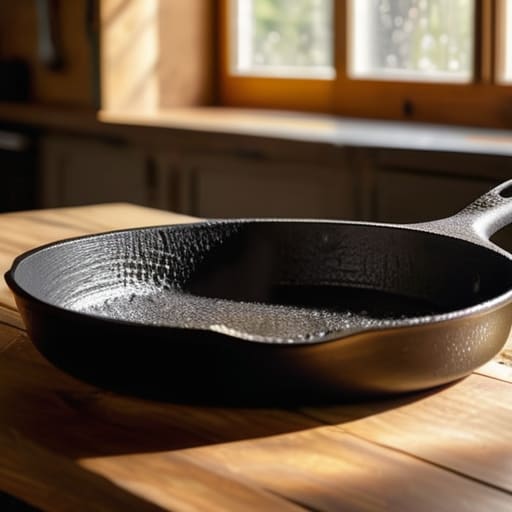
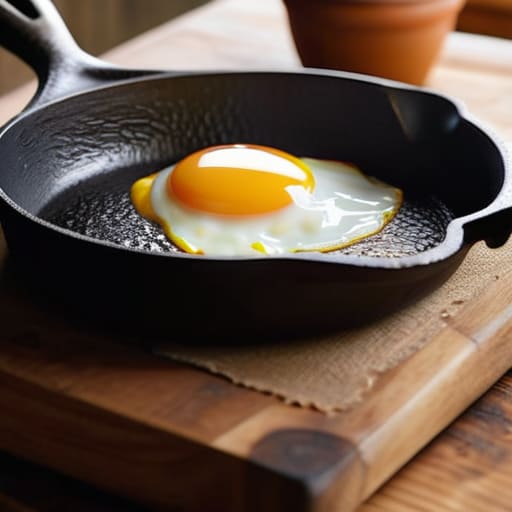
    Most people today are content with thin, non-stick pans that lose their coating after six months of heavy use. It’s a waste of money and a waste of landfill space. If you want to give a gift that actually functions, look for a solid cast iron set. These pieces are heavy, they hold heat like a dream, and they only get better with age and a bit of seasoning.

    High-Quality Leather Goods

    Premium full-grain High-Quality Leather Goods.

    I see these “genuine leather” wallets in every department store, but let’s be honest—most of them are just plastic-coated scraps that peel within a year. If you’re looking for a gift that carries weight, seek out a set of full-grain leather accessories. Whether it’s a belt, a journal cover, or a small valet tray, the material needs to be thick enough to actually develop a patina.

    Heirloom Gardening Kits

    Sturdy forged steel Heirloom Gardening Kits.

    We live in an era of disposable everything, including the tools we use to tend our land. Most “beginner” gardening kits you find online are made of flimsy tin and cheap plastic that snaps the moment you hit a bit of hard clay. I prefer sets that include forged steel implements and wooden handles that feel balanced and sturdy.

    Traditional Wool Blanket Sets

    I don’t understand the obsession with synthetic fleece that pills and loses its shape after three washes. If you want to give a gift that offers genuine warmth and comfort, you go with 100% natural wool. A set of heavy wool throws or blankets is a practical way to add function to a home while ensuring they stay in use for decades.

    Solid Wood Kitchenware

    Walk into any modern kitchen and you’ll see a sea of silicone and processed wood composites. It’s all very convenient until it starts to warp or crack. A gift set of hardwood kitchen tools—think olive wood or maple—is a far superior alternative. These items have a weight and a texture that you simply cannot replicate with factory-molded junk.

    The Bottom Line on Buying Better

    Stop looking at the price tag alone; a higher upfront cost is often cheaper in the long run if the product doesn’t end up in a landfill in six months.

    If a gift set is stuffed with plastic trinkets and cheap filler, skip it—real value lies in quality tools and goods that serve a practical purpose.

    Aim for longevity over trends; the best gifts are the ones that become staples in a household rather than temporary clutter.

    The Truth About Gifting

    Most gift sets these days are just a collection of clever marketing and cheap plastic wrapped in a pretty bow. If you’re going to give something, make sure it’s a set that actually serves a purpose—something that won’t end up in a landfill by next Tuesday.

    Hugo Steenkamp

    Making the Right Choice

    At the end of the day, choosing a gift shouldn’t feel like a gamble. We’ve looked at sets that prioritize utility over flash, from high-quality kitchen tools to durable home essentials that don’t rely on flimsy plastic packaging. The common thread here isn’t how much you spent or how much glitter is in the box; it’s about the substance of the items inside. When you stop looking for things that merely look good on a shelf and start looking for things that actually serve a purpose, you stop wasting money and start showing real respect for the person receiving the gift.

    My advice is simple: resist the urge to settle for the easy, disposable option. It is much more rewarding to hand someone a gift that they will still be using a decade from now than something that ends up in a landfill by next Tuesday. We live in a world obsessed with the “next big thing,” but there is a quiet, lasting dignity in owning things that are built to endure. Stop chasing the trends and start investing in quality. Buy it once, buy it well, and let your gifts be a testament to a life lived with intention.

    Frequently Asked Questions

    How can I tell if the items in a gift set are high-quality or just cheap filler designed to look good in a photo?

    Look at the weight and the materials. If it’s all flimsy plastic or thin, lightweight metal, put it back. Real quality has heft to it. Check the seams and the joins; if they look glued together rather than fastened, it’s junk. Don’t let a pretty ribbon fool you—look past the packaging to see if the actual tools or goods are built to be used, not just displayed for a photo.

    Are there specific brands you trust that actually prioritize durable materials over flashy packaging?

    Look, I don’t care how much gold foil is on the box if the contents are rubbish. I tend to gravitate toward brands like Le Creuset for kitchenware—it’s heavy, it’s built to last decades, and it works. For everyday tools, I stick to brands like Fiskars or even simple, high-quality linen sets. They focus on the integrity of the material rather than trying to trick you with fancy marketing. If it feels substantial in your hand, you’re usually on the right track.

    Is it better to buy a pre-made set, or should I just put together my own collection of individual, sturdy items?

    Look, if you’re looking for convenience, buy the set. But if you want quality, build your own. Most pre-made sets are just a way for companies to offload cheap filler items that’ll end up in a landfill by next year. I’d rather spend a bit more time sourcing five individual, heavy-duty pieces that actually serve a purpose than settle for a curated box of junk. Do it right the first time.

  • Using Wicker Storage for Organization

    Using Wicker Storage for Organization

    I was cleaning out my workshop last weekend when I stumbled upon a cheap, synthetic basket I’d bought years ago for the mudroom. The sides were fraying, the bottom was sagging, and it looked like absolute rubbish. It’s the same story everywhere you look: people are being sold “trendy” wicker storage that is actually just thin, flimsy plastic woven to look like natural fiber. It’s a scam designed to break the moment you put something with a bit of actual weight in it. I didn’t spend thirty years managing supply chains just to let disposable junk clutter up my home and my wallet.

    I’m not here to show you a curated gallery of Pinterest-perfect rooms that look good for five minutes before falling apart. What I want to do is teach you how to spot the real thing—the sturdy, natural weaves that actually possess the structural integrity to last decades. I’ll show you exactly what to look for in terms of material and construction so you can buy it once and buy it well. If you’re tired of replacing the same three bins every single year, you’re in the right place.

    Table of Contents

    Why Handcrafted Wicker Bins Outlast Fleeting Plastic Trends

    I’ve spent enough time in warehouses to know exactly how cheap, injection-molded plastic is made. It’s designed to fail. You buy a set of those colorful bins, they sit in the sun or take a bit too much weight, and before you know it, they’re cracking and heading straight for the landfill. That isn’t organization; it’s just managing future trash. When you opt for handcrafted wicker bins, you’re investing in a material that has been used for centuries because it actually works. These pieces have a structural integrity that plastic simply cannot replicate.

    Unlike the flimsy alternatives, rattan storage solutions offer a natural flexibility that allows them to handle the rigors of daily use without snapping. There is a certain honesty to a well-made basket. It doesn’t pretend to be something it isn’t, and it doesn’t rely on chemical dyes to look decent. Instead, you get a product that ages gracefully alongside your home. If you want to move toward sustainable home organization, stop looking at the bargain bin and start looking for items built with intention.

    Sustainable Home Organization Through Quality Natural Materials

    Sustainable Home Organization Through Quality Natural Materials

    When I look at most modern “organization hacks” online, I see a sea of cheap, petroleum-based plastics designed to be thrown away the moment they lose their shape. That’s not organization; that’s just managing future landfill waste. If you want to commit to sustainable home organization, you have to look toward materials that the earth actually provides. I’ve always maintained that if a product can’t return to the soil, it shouldn’t be cluttering up your living room.

    Choosing materials like rattan or seagrass isn’t just about following some “boho chic” trend you saw on a screen—though they do look decent enough. It’s about the lifecycle of the object. Using woven seagrass baskets or sturdy rattan means you are investing in a renewable resource that possesses a natural structural integrity. These pieces don’t just hold your belongings; they age with your home. When you opt for these natural fibers, you’re making a calculated decision to buy once and buy well, ensuring your efforts to declutter don’t result in a drawer full of cracked plastic bins three years down the line.

    How to Spot Real Quality Before You Open Your Wallet

    • Check the weave density immediately. If you can see large, uneven gaps in the pattern or if the fibers feel flimsy between your fingers, put it back on the shelf. A quality basket should feel solid and structurally sound, not like it’s going to collapse the moment you put a heavy book in it.
    • Look for a reinforced rim. In my experience, the edges are where most cheap storage fails first. You want a thick, tightly woven border or a sturdy frame that holds the shape of the basket together under pressure.
    • Avoid anything with a chemical smell. Real rattan or willow should smell like dried grass or earth, not a factory floor. If it reeks of synthetic dyes or cheap glues, it’s going to degrade quickly and likely won’t be good for the environment either.
    • Inspect the base for stability. A good wicker bin shouldn’t wobble when you set it on a flat surface. If the bottom is unevenly woven, it’ll tip over, and you’ll end up with a mess of disorganized belongings every time you reach inside.
    • Prioritize natural linings if you’re storing textiles. If you’re using these for linens or clothes, ensure they have a sturdy cotton liner. It protects the fabric from snags and keeps the contents contained, making the piece much more functional for long-term use.

    The Bottom Line on Wicker Storage

    Stop the cycle of buying cheap plastic bins that crack under pressure; a well-made wicker basket is a one-time investment that actually does its job.

    Look for natural, sturdy materials that can handle real-world use rather than following a passing decor trend that will be in a landfill by next year.

    Prioritize craftsmanship and durability to ensure your organization solutions serve your home for decades, not just a few months.

    The Cost of Cheap Convenience

    I’ve spent enough years in logistics to know that if you pay for something twice, you’ve actually paid double. Stop filling your cupboards with those flimsy plastic bins that crack the moment you put any real weight in them; a well-made wicker basket isn’t just a way to tidy up, it’s an investment in something that won’t end up in a landfill by next Christmas.

    Hugo Steenkamp

    Making the Right Choice for Your Home
    Making the Right Choice for Your Home.

    At the end of the day, choosing wicker isn’t just about picking a basket that matches your rug; it’s about making a calculated decision for your household. We’ve looked at how these natural fibers stand up to the test of time compared to those flimsy plastic bins that end up in a landfill after six months. By opting for handcrafted, sustainable materials, you are avoiding the cycle of constant replacement and investing in organizational tools that actually endure. It’s a simple matter of logistics: if you buy something built with integrity, you won’t have to spend your weekends shopping for a replacement.

    My advice is simple: stop letting the endless cycle of cheap, disposable trends dictate how you furnish your living space. A well-organized home shouldn’t be built on a foundation of “fast goods” that break the moment you put some weight in them. Instead, aim for a home filled with items that possess both utility and character. When you choose quality wicker, you aren’t just tidying up a room; you are curateing a space that respects your hard-earned money and the environment. Buy it once, buy it well, and let your home reflect that standard.

    Frequently Asked Questions

    How do I tell the difference between high-quality, sturdy wicker and the cheap, flimsy stuff that's going to fall apart in six months?

    Don’t just look at the price tag; get your hands on it. High-quality wicker should feel substantial, not hollow. Give it a firm squeeze—if the weave shifts or feels “squishy,” put it back on the shelf. Look for tight, consistent weaving and a solid frame, usually willow or rattan, underneath. If the strands are thin and uneven, it’s just decorative junk that’ll unravel the first time you actually use it.

    Are these natural materials going to cause issues with moisture or mold if I use them in a bathroom or laundry room?

    It’s a fair question. In my experience, moisture is the enemy of anything natural. If you’re putting wicker in a damp laundry room or a bathroom without good ventilation, you have to be smart about it. Don’t just shove it in a dark corner. Ensure there’s airflow, and if you notice any dampness, let the basket dry out completely. A little common sense goes a long way in making natural materials last.

    What’s the best way to clean and maintain wicker so it stays looking good for years instead of becoming a dust trap?

    Look, if you treat wicker like a piece of disposable plastic, it’ll fail you. To keep it from becoming a dust trap, skip the harsh chemicals; they’ll dry out the fibers and cause cracking. Use a soft brush or a vacuum with a brush attachment once a week to get into those weaves. For deeper cleaning, a damp cloth and a bit of mild soap will do. Treat it with respect, and it’ll serve you for decades.

  • Choosing the Best Cotton Duvet Covers

    Choosing the Best Cotton Duvet Covers

    I’ve spent thirty years in logistics, so I know exactly what happens when a company prioritizes flashy marketing over structural integrity. Lately, it seems like every big-box retailer is trying to sell you “luxury” bedding that’s nothing more than a glorified blend of cheap synthetics and thin, glorified paper. You see these high-priced labels promising the world, but the moment you wash them, the fabric thins out and the seams start to fray. It’s a racket. If you’re looking for real cotton duvet covers, you shouldn’t be looking for a designer logo or a fancy thread count that’s been inflated by clever marketing; you should be looking for substance.

    I’m not here to sell you on a lifestyle or some fleeting bedroom trend you saw on a social media feed. My goal is simple: I want to help you identify the heavy-duty, high-quality cotton that actually stands up to a hot wash and years of use. I’m going to break down what to look for in terms of weave and weight so you can buy it once and stop wasting your hard-earned money on disposable junk.

    Table of Contents

    The Truth About Breathable Cotton Bedding

    The Truth About Breathable Cotton Bedding.

    Most people think a high thread count is the holy grail of sleep, but they’ve been misled by clever marketing. In my years managing logistics, I saw how companies prioritize flashy numbers over actual material integrity. When it comes to breathable cotton bedding, a massive thread count often just means the fabric is packed so tightly that air can’t circulate. You end up trapped in a heat pocket, waking up damp and restless. If you want to stay cool, you need to look at the construction of the fabric rather than just a number on a label.

    This is where understanding the percale vs sateen weave becomes essential for your wallet. A percale weave is crisp, matte, and allows for excellent airflow, making it the superior choice for anyone who runs hot at night. Sateen, while feeling smoother to the touch, is denser and tends to trap more heat. I always tell people: don’t be swayed by a silky feel if it means sacrificing temperature regulation. Choose a weave that works with your body, not against it.

    Organic Cotton Duvet Benefits for a Lasting Sleep

    Organic Cotton Duvet Benefits for a Lasting Sleep

    When you look at the sheer amount of synthetic junk being pumped into the market, it’s no wonder people are waking up tired and restless. Most of those cheap, polyester-blend covers are nothing more than glorified plastic sheets that trap heat and shed microplastics. If you want a bed that actually serves its purpose, you need to look toward organic cotton duvet benefits. Because organic cotton is grown without the heavy chemical pesticides and fertilizers used in conventional farming, the fibers remain stronger and more intact. This results in a more durable product that won’t pill or thin out after a few dozen trips through the laundry.

    Beyond just durability, choosing sustainable textile choices is a matter of common sense. You aren’t just buying a piece of fabric; you are investing in a healthier sleep environment. Organic fibers are naturally more robust, making them excellent hypoallergenic bedding options for anyone with sensitive skin or allergies. I’ve always believed that if you’re going to spend a third of your life in bed, you might as well do it with materials that are built to last and won’t irritate your system.

    Five Things to Check Before You Open Your Wallet

    • Look at the thread count with a grain of salt; a massive number often means thinner, weaker threads. I’d rather have a lower thread count made of long-staple cotton that stays strong than a high-count blend that pills after three washes.
    • Check the weight of the fabric. If the duvet cover feels thin and translucent in the store, it’s going to feel like cheap paper on your bed. You want something with enough heft to actually feel substantial.
    • Inspect the closures. Avoid anything with flimsy, tiny buttons that will snap off in a month. I always look for heavy-duty zippers or large, sturdy buttons that can handle a regular wash cycle.
    • Verify the weave. A tight percale weave is excellent for those who want a crisp, cool feel, while a twill or flannel weave is better if you want something that holds heat. Know what you’re buying so you aren’t replacing it next season.
    • Demand transparency on the material. If the label just says “cotton blend” without specifying the percentage, walk away. You’re likely paying full price for a product loaded with polyester that won’t breathe.

    The Bottom Line on Choosing Your Next Duvet

    Stop looking at the price tag alone; if a cover feels paper-thin in the store, it’ll be in a landfill by next year.

    Prioritize long-staple cotton to ensure the fabric actually gets better with age instead of pilling and thinning out.

    Stick to organic, high-quality weaves that serve a purpose for your sleep and your wallet, rather than chasing cheap, synthetic blends.

    I’ve spent enough years managing supply chains to know when a manufacturer is cutting corners to save a cent; if a duvet cover feels paper-thin in the store, it won’t survive a single season of heavy washing, so stop wasting your hard-earned money on disposable bedding and buy a heavy-weight cotton that’s built to last a decade, not a month.

    Hugo Steenkamp

    Making the Right Call for Your Home

    Making the Right Call for Your Home.

    At the end of the day, choosing a cotton duvet cover isn’t about picking a color that looks good in a filtered photo on your phone. It’s about understanding the difference between a cheap, synthetic blend that will pill and tear within six months and a high-quality cotton weave that actually improves with age. We’ve looked at why breathability matters for your sleep quality and why investing in organic fibers is a smarter move for both your health and the environment. If you want bedding that handles the wash cycle without losing its shape, you have to prioritize material integrity over a low price tag. Don’t let a flashy marketing campaign trick you into buying disposable textiles that end up in a landfill by next year.

    My advice is simple: stop treating your home like a showroom for temporary trends and start treating it like a sanctuary built to last. When you buy a proper, heavy-duty cotton duvet, you aren’t just buying a piece of fabric; you are making a practical decision to invest in your own daily comfort and long-term value. It’s a small way to push back against the culture of constant waste. Do yourself a favor and buy it once, buy it well, and then get back to enjoying a life filled with things that actually serve a purpose.

    Frequently Asked Questions

    How can I tell if a cotton duvet is actually high-quality or just cheap fabric with a fancy label?

    Don’t let a fancy label fool you; marketing is cheap, but quality is felt. First, look at the weave. Hold the fabric up to the light—if it looks uneven or thin, put it back. Next, check the weight. A quality duvet should have a substantial, consistent feel, not that flimsy, paper-like texture. Finally, check the seams. If the stitching looks loose or rushed, it won’t survive the wash. Buy for construction, not for the brand name.

    Is it worth paying more for long-staple cotton, or is that just marketing nonsense?

    Look, I’ve spent enough time in logistics to know when a company is selling you fluff and when they’re selling you substance. Long-staple cotton isn’t some marketing gimmick; it’s basic engineering. Shorter fibers break and fray, leaving you with a pilled, scratchy mess after a few washes. Long-staple fibers are stronger and smoother. You pay more upfront, yes, but you aren’t replacing a cheap set every single year. Buy it once.

    How often should I realistically be replacing my duvet cover if I'm taking proper care of it?

    If you’re treating your bedding with respect—washing it on gentle cycles and avoiding harsh bleaches—a high-quality cotton duvet cover should last you five to ten years, easily. I’ve seen cheap sets thin out and pill after six months, which is just a waste of good money. Don’t replace it just because the color faded slightly; replace it when the structural integrity fails. Buy the heavy-duty stuff, and you won’t be shopping for this again anytime soon.

  • Tips for Effective Pantry Organization

    Tips for Effective Pantry Organization

    I saw a video the other day of some influencer spending hundreds of dollars on a dozen different shades of pastel plastic bins just to “aestheticize” their kitchen. It frankly made my blood boil. If you think buying a collection of flimsy, colorful containers is the secret to true pantry organization, you are being sold a lie. Most of that stuff is just disposable junk that will crack or stain within a year, leaving you right back where you started—cluttered and out of pocket.

    I’m not here to teach you how to make your kitchen look like a showroom for a magazine; I’m here to help you build a system that actually works. Drawing on my years in logistics, I want to show you how to apply some real-world logic to your home. I’ll be sharing my straightforward approach to selecting durable, long-term solutions—think glass, metal, and solid wood—that serve a purpose and endure. We are going to stop chasing the trends and start investing in a pantry that stays organized because it was built to last.

    Table of Contents

    Kitchen Decluttering Tips for a Mindful Kitchen

    Kitchen Decluttering Tips for a Mindful Kitchen

    Before you even think about buying a single new bin or shelf, you need to clear out the wreckage. Most people treat their kitchen like a graveyard for half-used spice jars and gadgets they haven’t touched since the Bush administration. I’ve seen it a thousand times: clutter masquerading as “necessity.” Take an afternoon to pull everything out. If a tool is chipped, a container is warped, or that bag of flour has been sitting there since last Christmas, get rid of it. You aren’t just cleaning; you are auditing your inventory.

    Effective kitchen decluttering tips start with a hard truth: if you don’t use it, it’s just taking up valuable real estate. Once you’ve stripped the shelves down to the bare essentials, you can actually see what you have. This prevents that mindless habit of buying a third bottle of olive oil just because you couldn’t find the first two. I always say, clear the deck first. Only once you have a clean slate can you begin to implement real, lasting systems that actually serve your daily routine instead of just adding to the noise.

    Airtight Food Storage Solutions That Actually Endure

    Airtight Food Storage Solutions That Actually Endure

    I’ve seen enough flimsy, clear plastic containers to last a lifetime, and frankly, I’m tired of seeing them end up in a landfill because the lid snapped off after three uses. If you want to do this right, you need to look toward glass or heavy-duty stainless steel. Glass is the gold standard here; it doesn’t stain, it doesn’t leach chemicals into your flour or oats, and most importantly, it survives a drop better than those cheap alternatives. When searching for airtight food storage solutions, look for silicone seals that actually grip. There is no point in “organizing” if the seal fails and your expensive bulk grains go stale in a week.

    Once you have the right vessels, don’t overcomplicate it. You don’t need a high-tech gadget for every single spice jar. Stick to a uniform set of containers that can be stacked efficiently. This is one of the most effective ways of maximizing small kitchen space without creating a cluttered mess. If you buy in bulk, invest in large, square-shaped canisters. Round containers are a waste of corner space, and in my experience, square footprints are much more efficient for a tight shelf. Get it right the first time, and you won’t be replacing them next year.

    Five Practical Rules for a Pantry That Works

    • Stop buying matching sets of cheap plastic bins just because they look good in a catalog. Instead, look for heavy-duty glass jars or stainless steel containers. If you can’t see what’s inside, you’ll end up buying duplicates, and that’s just throwing money down the drain.
    • Group your goods by how you actually use them, not just by category. Keep your baking essentials—flour, sugar, yeast—in one dedicated zone. There’s no sense in hunting through the whole pantry for a bag of cocoa powder every time you want to bake a loaf of bread.
    • Use tiered shelving or sturdy wooden risers to maximize your vertical space. Most people leave the back of their bottom shelves as a graveyard for expired cans. If you can’t see it, you won’t use it, and eventually, it becomes waste.
    • Implement a strict “First In, First Out” system. It’s a basic logistics principle, but most people ignore it at home. When you bring new groceries in, move the older stock to the front. It prevents food spoilage and keeps your inventory tight.
    • Label everything with a permanent marker or a sturdy tag. Don’t rely on your memory. When things are clearly marked, every member of the household knows exactly where things belong, which keeps the system from falling into chaos two days after you’ve cleaned it.

    The Bottom Line on a Functional Pantry

    Stop buying sets of cheap, mismatched plastic containers; invest in high-quality glass or heavy-duty metal that won’t crack or warp under pressure.

    Prioritize accessibility over aesthetics by using sturdy, pull-out systems that allow you to see exactly what you have before you go buying duplicates.

    View your pantry as a logistical system rather than a decoration project—if a storage solution doesn’t serve a clear purpose, it doesn’t belong on your shelves.

    The Cost of Disorganization

    A disorganized pantry isn’t just a mess; it’s a leak in your budget. When you can’t see what you own, you buy duplicates, you let good food rot in the back, and you waste time searching for what you need. Stop treating your kitchen like a junk drawer and start treating it like the essential supply chain it is.

    Hugo Steenkamp

    Making the Investment Count

    Making the Investment Count with quality organizers.

    At the end of the day, organizing your pantry isn’t about chasing some aesthetic you saw on a social media feed; it’s about building a system that functions as well in ten years as it does today. We’ve covered the importance of clearing out the clutter, the necessity of using airtight containers that won’t crack, and the value of choosing materials like glass or wood over flimsy, single-use plastics. When you stop buying cheap, disposable organizers and start investing in quality components, you aren’t just tidying a cupboard—you are streamlining your household logistics and eliminating the constant cycle of waste and replacement.

    My advice is simple: don’t rush the process. Take the time to do it right the first time so you don’t have to do it again next season. A well-organized pantry is a sign of a well-run home, providing a sense of order that makes daily life just a little bit smoother. Stop settling for the temporary fixes and the “good enough” solutions that inevitably end up in a landfill. Choose items that have weight, substance, and a clear purpose. Buy it once, buy it well, and let your kitchen be a testament to things that are built to last.

    Frequently Asked Questions

    How do I know if a storage container is actually airtight or just a clever marketing gimmick?

    Don’t let a fancy label fool you. If you want to know if a container is truly airtight, look at the seal. I always check for a thick, silicone gasket rather than a cheap plastic rim. Then, do the “pressure test”: close the lid and try to pull it off. If it resists, you’ve got a seal. If it pops off without a fight, it’s just a glorified plastic tub. Buy the seal, not the slogan.

    Is it worth spending more on heavy-duty metal shelving, or can I get away with reinforced wood?

    Look, I’ve seen enough warehouse collapses to know that “getting away with it” is a dangerous mindset. If you’re storing heavy cans, bulk flour, or glass jars, go with the heavy-duty metal. It won’t bow or warp over time like cheap reinforced wood often does. Wood is fine for light linens, but for a working pantry, metal is a one-time investment that actually holds its integrity. Buy the metal; save yourself the headache.

    How can I organize my pantry to ensure I'm actually using what I buy instead of letting things expire in the back?

    Stop treating your pantry like a graveyard for forgotten cans. If you can’t see it, you won’t eat it, and that’s just throwing money down the drain. Use a “First In, First Out” system—the same logic I used in logistics. Put your newest groceries in the back and pull the older stock to the front. If you need better visibility, ditch the opaque bins for clear glass. If you can see the expiration date, you’ll actually use it.

  • The Charm of Recycled Glass Decor

    The Charm of Recycled Glass Decor

    I was cleaning out my workshop last weekend when I stumbled upon an old, heavy carafe I’d picked up at a local estate sale years ago. It wasn’t some mass-produced, flimsy piece of junk you’d find in a big-box store; it had weight, character, and a slight imperfection in the curve that told a story. It reminded me of how much nonsense is currently being pushed under the guise of “eco-friendly” living. Most people see recycled glass decor advertised online and think they’re doing the planet a favor, but half the time they’re just buying expensive, overpriced clutter that’s destined for a landfill in two years. If it doesn’t have substance, it’s just more waste.

    I’m not here to sell you on a lifestyle trend or show you how to follow the latest interior design fad. My goal is to help you cut through the marketing fluff and identify pieces that actually possess longevity and grit. I’m going to show you how to spot quality craftsmanship in recycled glass so you can invest in items that serve a purpose and actually last. Let’s stop wasting money and start buying things that matter.

    Table of Contents

    Investing in Substance Through Handblown Recycled Glass Art

    Investing in Substance Through Handblown Recycled Glass Art

    When you look at a mass-produced vase from a big-box retailer, you’re looking at something designed to be replaced. It’s thin, it’s uniform, and frankly, it’s soulless. If you want to move away from that disposable mindset, you need to look toward handblown recycled glass art. Because these pieces are shaped by hand, no two are exactly alike. You get slight variations in texture and color that tell a story of the material’s previous life. That’s what I call substance. It isn’t just a way to fill a shelf; it’s an investment in something that possesses actual character.

    Choosing upcycled glass home accents is a pragmatic decision for anyone tired of the “buy-and-toss” cycle. Instead of chasing every fleeting seasonal trend, you’re selecting a piece that holds its own weight, both visually and environmentally. These aren’t just trinkets; they are sturdy, well-crafted objects that belong in a home built to last. If you’re going to spend your hard-earned money on something for your living room, make sure it’s something that will still look good—and still be standing—twenty years from now.

    Moving Beyond Trends With Repurposed Glass Decorative Pieces

    Most people fall into the trap of buying whatever “must-have” item is currently flooding their social media feeds. They grab a plastic trinket from a big-box store, put it on a shelf, and three months later, it’s sitting in a landfill. That isn’t decorating; it’s just accumulating clutter. If you want to move away from that cycle of waste, you need to look toward repurposed glass decorative pieces. These items have a history and a weight to them that mass-produced junk simply cannot replicate. When you choose a piece that has been given a second life, you aren’t just following a fleeting fad; you are making a deliberate choice to bring something with character into your space.

    I’ve always believed that if a thing doesn’t have a story, it probably isn’t worth the shelf space. Incorporating upcycled glass home accents allows you to build a room that feels curated rather than collected by accident. Whether it’s a heavy glass carafe or a thick-walled vase, these pieces offer a sense of permanence. They don’t just sit there; they endure. Stop chasing the next big thing and start looking for items that actually have some substance behind them.

    Five Rules for Buying Glass That Won't End Up in a Landfill

    • Look for weight and thickness. If a glass piece feels light and flimsy in your hand, it’s likely mass-produced junk that will chip the first time it bumps against a countertop. Real, handblown recycled glass has a heft to it that signals durability.
    • Inspect the imperfections. In my experience, the “perfect” factory-made items are the ones that lack character and break easily. With recycled glass, those small bubbles or slight irregularities aren’t flaws—they are proof of craftsmanship and a sign that the piece was made to last, not just to look good in a catalog.
    • Prioritize function over flair. Don’t buy a recycled glass vase just because it’s a pretty color. Buy it because it’s the right size for your table and the glass is thick enough to handle daily use. If it doesn’t serve a purpose in your home, it’s just more clutter.
    • Check the packaging before you commit. I won’t touch a high-quality item if it arrives wrapped in three layers of non-recyclable plastic foam. If a company cares about the environment enough to use recycled glass, they should be smart enough to use sustainable shipping materials.
    • Avoid the “seasonal” trap. Retailers love to push “limited edition” colors every spring or fall. Ignore them. Stick to timeless tones—clear, deep blues, or forest greens. You want pieces that look as good in ten years as they do today, regardless of what the current trend cycle says.

    The Bottom Line on Buying Recycled Glass

    Stop treating your home like a showroom for seasonal trends; choose recycled glass pieces that have weight, character, and the ability to stand the test of time.

    Look past the flashy, mass-produced junk and prioritize items with craftsmanship—if it feels flimsy in your hand, it isn’t worth the shelf space.

    Real value comes from buying things that serve a purpose and respect the planet, so ensure your next purchase is both durable and comes in packaging that won’t end up in a landfill.

    Quality Over Clutter

    “I’ve spent enough years in logistics to know that if a product isn’t built to last, it’s just future landfill. When you choose recycled glass, you aren’t just buying a decoration; you’re investing in a piece of history that has the grit to stay on your mantle long after the latest plastic fad has been tossed in the bin.”

    Hugo Steenkamp

    Making the Right Call for Your Home

    Making the Right Call for Your Home.

    At the end of the day, choosing recycled glass decor isn’t about following some flashy interior design fad you saw on a social media feed. It’s about making a logical, sensible decision for your household. We’ve looked at how handblown art brings a sense of character that mass-produced plastic simply can’t touch, and how repurposed pieces offer a level of durability that stands the test of time. When you opt for these items, you aren’t just buying a vase or a bowl; you are investing in substance over style. You are choosing pieces that respect the environment by using existing materials rather than demanding more raw resources, and more importantly, you are buying items that won’t end up in a landfill by next season.

    I’ve spent my career looking at supply chains and efficiency, and I can tell you that nothing is more inefficient than buying junk twice. Stop the cycle of constant replacement. Instead, curate a home filled with objects that have a story, a weight to them, and a purpose. When you select recycled glass, you are choosing to build a collection that is timeless and intentional. Do yourself a favor: stop chasing the cheap and the fleeting. Buy it once, buy it well, and surround yourself with things that actually matter.

    Frequently Asked Questions

    How can I tell the difference between high-quality handblown recycled glass and the cheap, mass-produced junk that's just going to crack in a year?

    Look, don’t let a shiny finish fool you. Real handblown glass has character—you’ll see tiny, intentional variations in the thickness and maybe a stray bubble. That’s the mark of a craftsman, not a machine. If the piece looks perfectly, unnaturally symmetrical, it’s likely mass-produced junk from a factory. Pick it up; high-quality glass has a substantial weight to it. If it feels light and hollow, put it back on the shelf.

    Is it actually worth the extra cost to seek out pieces made from post-consumer waste rather than just standard recycled materials?

    Look, I’ve spent thirty years looking at supply chains, and I know a difference when I see one. Standard recycled glass is fine, but post-consumer waste is where the real value lies. You’re paying for the extra effort required to divert actual waste from a landfill. It’s a more intentional process that results in pieces with more character. If you want to stop buying junk and start investing in things that matter, pay the premium.

    What should I be looking for to ensure these glass pieces are durable enough to actually last a lifetime in a busy household?

    Look, don’t just take someone’s word for it. You need to feel the weight of the piece in your hand; if it feels light and hollow, it’s likely thin-walled junk that’ll shatter the moment a kid bumps the table. Check the seams for smoothness—rough edges are a sign of poor craftsmanship and structural weakness. You want thick, consistent glass with a solid base. If it doesn’t feel substantial now, it won’t last a year.