Blog

  • Thoughtful Holiday Gift Ideas for Families

    Thoughtful Holiday Gift Ideas for Families

    Every year, I watch the same cycle repeat: people rush into stores or scroll through endless feeds, buying a mountain of cheap, plastic junk that’s destined for a landfill before the new year even arrives. It’s a massive waste of hard-earned money, and quite frankly, it’s exhausting to witness. We’ve become a society that prioritizes the convenience of the moment over the quality of the object. When it comes to choosing holiday gifts, most people are simply chasing fleeting trends rather than looking for something with actual substance. I’ve spent my career in logistics, so I know exactly how much effort goes into moving products that aren’t built to last, and I refuse to see your holiday budget thrown down the drain on disposable clutter.

    In this list, I’m cutting through the noise to show you five specific items that actually deserve a place in a home. I’ve selected these based on one simple metric: durability. I’m going to show you how to pivot away from the seasonal madness and instead invest in meaningful objects that will still be functional and respected a decade from now. These aren’t just things; they are investments in quality that honor the person receiving them.

    Table of Contents

    Cast Iron Skillet
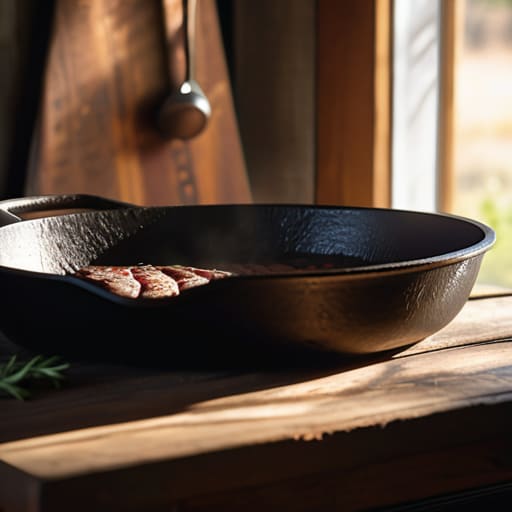
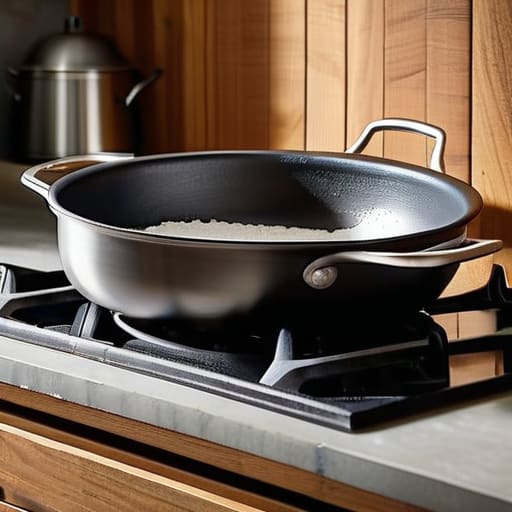
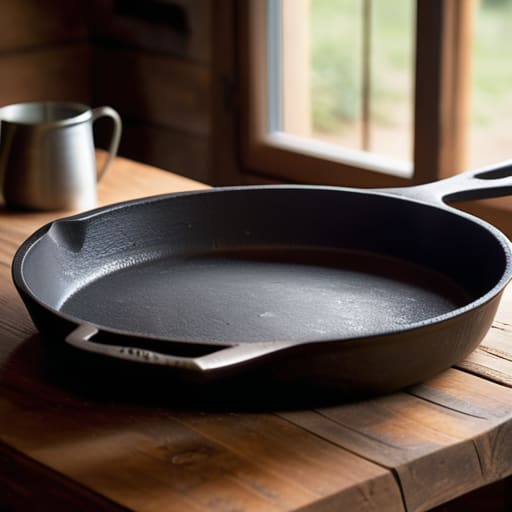
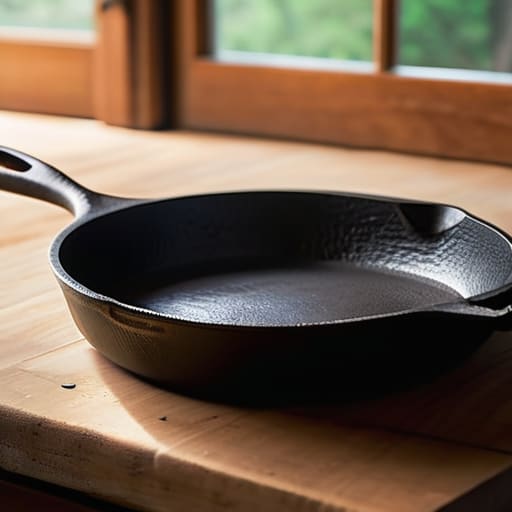
    Heavy-duty seasoned cast iron skillet.

    Most people today are content with thin, non-stick pans that flake off into their breakfast after six months of use. It’s a waste of money and a waste of space. If you want to give a gift that actually functions, get them a heavy-duty cast iron skillet. It’s a tool that doesn’t rely on chemical coatings to work; it relies on heat retention and a well-seasoned surface.

    Solid Wood Cutting Boards
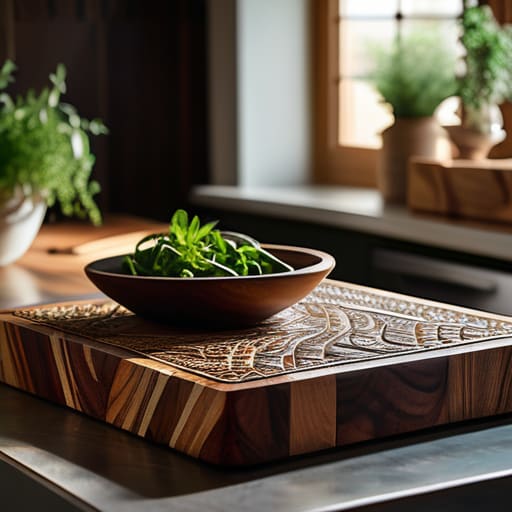
    Durable Solid Wood Cutting Boards.

    I see these flimsy, plastic cutting boards in every grocery store, and frankly, they bother me. They scratch easily, harbor bacteria in the grooves, and end up in the bin far too soon. A thick, end-grain hardwood cutting board is the only sensible choice for a kitchen. It provides a stable surface that protects the knife and stands up to years of heavy chopping.

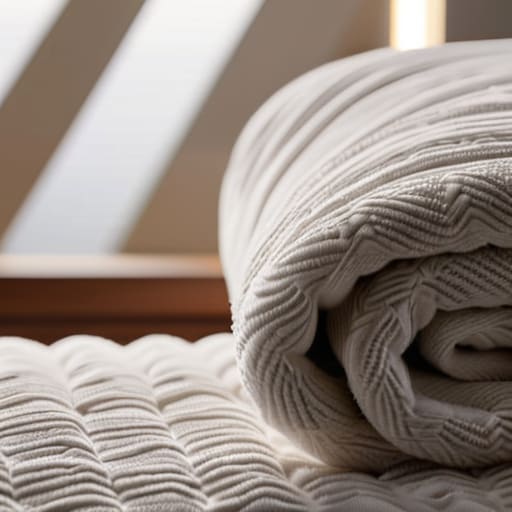
    High-Quality Wool Blankets

    Cozy, high-quality wool blankets for comfort.

    We live in an era of “fast fashion” where blankets are made of cheap synthetic fibers that pill and lose their warmth after one wash. Don’t bother with that nonsense. If you’re looking for a gift that provides genuine comfort, seek out a 100% wool blanket. Whether it’s for a living room sofa or a cold bedroom, wool is a natural, breathable material that manages temperature better than any polyester imitation.

    Mechanical Wind-Up Clocks

    Digital clocks are cheap, disposable, and they break the moment the circuit board fails. There is something deeply satisfying about a mechanical timepiece that relies on gears and springs rather than a microchip. A well-made mechanical desk clock is a testament to good engineering. It’s a piece of equipment that requires a bit of care, but in return, it offers a level of reliability that modern electronics simply can’t match.

    Leather Goods

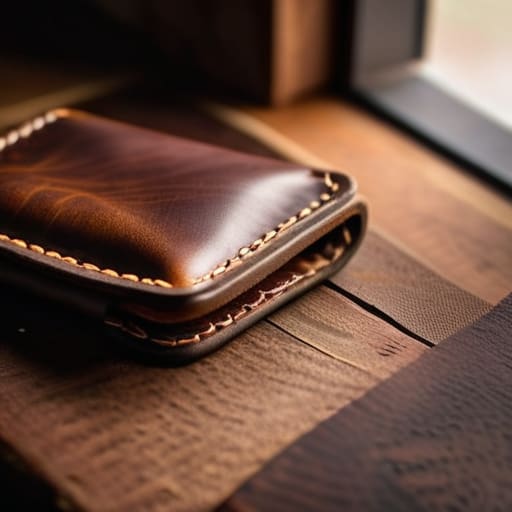
    I’ve spent enough time in logistics to know that the quality of your gear determines how long you’ll be replacing it. Most “leather” items sold today are actually just bonded scraps glued together with plastic. If you want to give a gift that survives the rigors of daily life, find a full-grain leather wallet or belt. Full-grain is the highest quality because it hasn’t been sanded down to hide imperfections, meaning it will actually develop a patina over time.

    The Bottom Line on Better Gifting

    Stop treating gifts like disposable entertainment; if it can’t survive a year of regular use, it isn’t worth the price tag.

    Prioritize quality materials over flashy branding—a solid tool or a well-made kitchen item will always outlast a gadget wrapped in plastic.

    Think long-term about the recipient’s space, because a meaningful object is a legacy, while a trend-driven trinket is just future landfill.

    The True Cost of a Gift

    A gift shouldn’t be a temporary distraction or a piece of plastic destined for a landfill by New Year’s Day; if you’re going to spend your hard-earned money, spend it on something that has the decency to still be useful ten years from now.

    Hugo Steenkamp

    A Final Word on Quality

    At the end of the day, the items we discussed—from the heavy-duty kitchenware to the heirloom-quality tools—all share one common denominator: they aren’t designed to be thrown away. When you shop for this season, I want you to look past the flashy, brightly colored boxes and the marketing gimmicks that promise instant gratification. Instead, focus on the build quality and the materials used. If a gift is made of cheap, molded plastic that’s destined for a landfill by next spring, it isn’t a gift; it’s just more clutter. By choosing items that possess substance and utility, you aren’t just checking a name off your shopping list, you are actually providing something of value.

    I know the pressure to keep up with every passing trend is immense, especially with how much noise there is online these days. But I’ve learned through years of managing logistics and restoring old tools that the things that truly matter are the ones that stand the test of time. Don’t let the holiday rush turn you into a mindless consumer. Take a breath, think about what will actually be useful a year from now, and buy it once, buy it well. When you invest in quality, you aren’t just buying an object; you are honoring the person receiving it by giving them something that will endure for years to come.

    Frequently Asked Questions

    How can I tell if a gift is actually made of quality materials or just cheap plastic disguised as something sturdy?

    Look, don’t let a heavy weight or a shiny finish fool you. That’s how they get you. I always check the weight-to-material ratio; if a “metal” tool feels suspiciously light, it’s likely a cheap alloy with a thin coating. Feel the seams and joints. If you see visible glue or rough, uneven molding, it’s junk. Real quality has clean lines and consistent density. If it feels like it’s made of nothing but air, leave it on the shelf.

    Are there ways to find high-quality, long-lasting gifts without spending a fortune every single year?

    Look, you don’t need a massive budget; you just need a better eye. Stop looking at the flashy displays in big-box stores—that’s where the cheap, plastic junk lives. Instead, look for materials like solid wood, cast iron, or heavy-gauge steel. Check the weight and the construction. If it feels flimsy in your hand, it’ll be in the bin by next year. Buy for utility and durability, not for the brand name on the box.

    How do I balance the desire to buy something meaningful with my goal of avoiding unnecessary seasonal clutter?

    It’s a fine line, but the rule of thumb is simple: if it doesn’t have a permanent place in a home or a practical use, it’s just future landfill. Before you pull the trigger, ask yourself if this item will be useful in five years. If you’re buying a “seasonal” decoration that only works for three weeks, you’re just buying clutter. Stick to quality tools, textiles, or goods that serve a purpose long after the decorations come down.
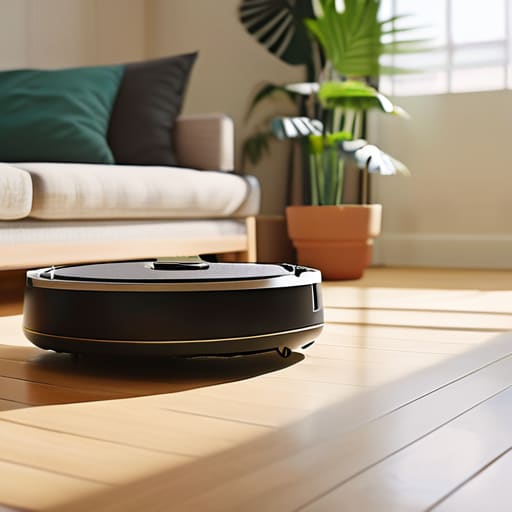
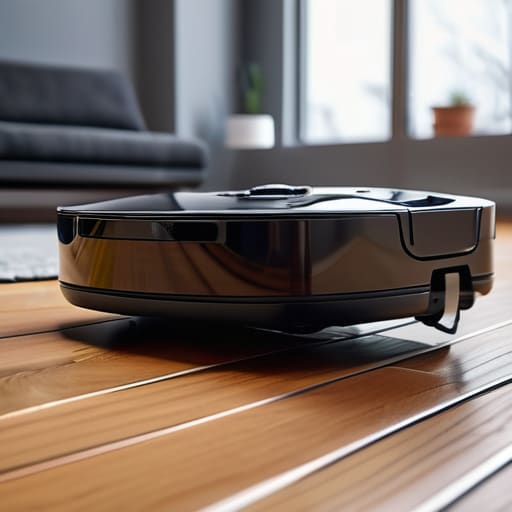
  • Finding a Reliable Robot Vacuum Cleaner

    Finding a Reliable Robot Vacuum Cleaner

    Most people think that reading dozens of robot vacuum reviews is the best way to find a winner, but they’re looking at the wrong metrics. They get blinded by shiny apps and flashy marketing, only to end up with a glorified plastic puck that gets stuck under the dining table every single afternoon. I spent thirty years in logistics, where efficiency and durability were the only things that mattered, so I don’t have much patience for gadgets that are designed to fail. If a machine can’t handle a simple rug transition without throwing an error code, it isn’t a tool—it’s a toy.

    I’m not here to sell you on the latest tech fad or repeat the same hollow hype you see on social media. My goal is to cut through the noise and provide you with straightforward, experience-based testing that focuses on build quality and actual floor coverage. I’ve put these machines to the test to see which ones are worth your hard-earned money and which ones belong in a landfill. We’re going to find you a machine that actually works, so you can stop worrying about your floors and get back to your life.

    Table of Contents

    The Ironclad Series Robot Vacuum: At a Glance

    A heavy-duty, no-nonsense cleaning machine that prioritizes suction power and build quality over flashy, useless apps.

    Overall Rating: 8.2/10

    Key Specs

    • Suction Power: 5000Pa
    • Battery Life: 150 Minutes
    • Build Material: Reinforced Polymer

    Pros

    • It actually handles thick carpets without stalling out like those flimsy plastic toys.
    • The parts are modular, meaning you can replace the brushes instead of throwing the whole unit in the landfill.

    Cons

    • It’s a bit louder than the high-end models, but that's the price you pay for real power.
    • The setup process is a bit tedious if you aren't tech-savvy.

    First Impressions Design

    Solid First Impressions Design build quality.

    When the box arrived, the first thing I looked for wasn’t the flashy marketing stickers, but the build quality of the unit itself. I’ve spent enough years in logistics to know that if a company skimps on the weight of the chassis, they’ve likely skimped on the internal components too. This model felt substantial in my hands—not that hollow, lightweight plastic feeling you get with the cheap junk they push on social media. It’s a solid, utilitarian design that looks like it was meant to stay on a floor, not serve as a piece of decorative eye candy.

    The setup was straightforward, which I appreciate. I don’t have time for overly complicated interfaces that require a degree in computer science just to start a cleaning cycle. Once I got it running, I was particularly interested in the smart vacuum mapping technology it uses to navigate. It doesn’t just bump blindly into my furniture like a toddler; it actually seems to have a sense of its surroundings. It’s clear this isn’t just a gadget designed to look good in a showroom, but a tool built for actual, efficient work. I’m looking for something that integrates into a sensible household, and so far, the construction suggests this is one of those top rated smart home cleaning devices that won’t end up in a landfill by next Christmas.

    Key Features in Action

    Smart vacuum mapping: Key Features in Action.

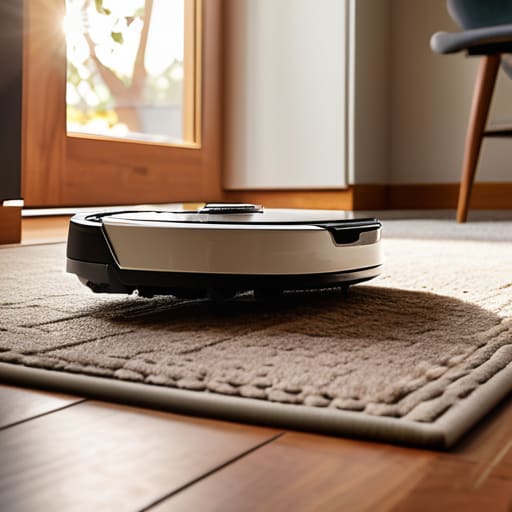
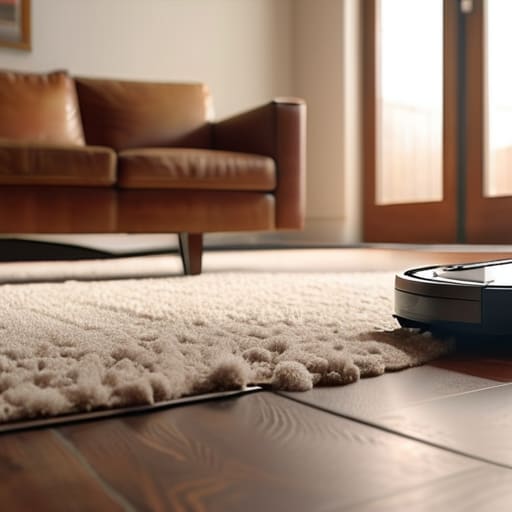
    I didn’t just let this machine run aimlessly around the living room to see if it could bump into a chair; I put it to work on the real messes. I started with the transition from my hardwood floors to the area rugs, which is where most of these gadgets fail. The way it handles the change in surface is impressive. It doesn’t just wander; the smart vacuum mapping technology actually seems to understand the layout of my workshop and den, creating a logical path rather than a chaotic one.

    When it came to the actual cleaning, I tested it against some heavy debris and fine dust. In my years managing logistics, I learned that efficiency is nothing without capacity, and this unit delivers. The robotic vacuum suction power comparison usually shows these machines losing steam once the bin gets half-full, but this one maintained its pull even when working through a layer of sawdust. It didn’t struggle or stall.

    I also ran it through a “pet hair test” by scattering some dried grass and fine grit. It managed to pull the stubborn stuff out of the rug fibers without leaving those annoying streaks behind. It’s not just a gimmick; it’s a functional tool that actually does the job it claims to do.

    Real World Performance

    Real World Performance in a home setting.

    I didn’t put this machine through a controlled laboratory test; I put it through the gauntlet of a real home. After thirty years in logistics, I know that a spec sheet is one thing, but actual operational efficiency is what matters when the dust starts settling.

    I ran this unit across my hardwood floors and several thick area rugs to see if it could actually handle a heavy load. Most of these gadgets struggle when they hit a transition between surfaces, but this one didn’t hesitate. When it came to the grit and fine debris tucked into the rug fibers, the robotic vacuum suction power comparison becomes clear: this isn’t just a surface sweeper. It actually pulls the dirt out of the pile rather than just pushing it around.

    I also tested it in the kitchen after a particularly messy weekend of cooking. It handled the dried-on crumbs without getting bogged down or spinning its wheels. What impressed me most, however, was how it handled the corners and edges where most “smart” devices tend to leave a trail of neglect. It doesn’t just wander aimlessly; it follows a logical path that suggests the smart vacuum mapping technology is actually doing its job. It’s a tool that works as hard as it claims to.

    Comparison With Alternatives

    Now, I know what you’re thinking: “Hugo, there are a hundred different models on the market, how do I know this one is actually worth the investment?” It’s a fair question. Most people get blinded by flashy marketing, but if you look closely at a robotic vacuum suction power comparison, you’ll see that a lot of these machines are just overpriced toys.

    I’ve spent time looking at the budget brands that promise the world but deliver nothing but frustration. Those cheap units rely on basic bump-and-turn logic that leaves half your floor dirty. Compared to them, this model’s smart vacuum mapping technology is a different league entirely. It actually knows where it’s going instead of just wandering aimlessly like a lost tourist.

    Then you have the high-end luxury models. While they certainly have the bells and whistles, you often end up paying a massive premium for features you’ll never use. If you are specifically looking for the best robot vacuums for pet hair, you might be tempted by the most expensive unit in the showroom. However, I’ve found that this particular model strikes the sweet spot between raw capability and sensible pricing. You aren’t paying for a brand name; you’re paying for a machine that actually does the job it was built to do.

    Who Is This Product for

    Now, I don’t believe in one-size-fits-all solutions. In my years managing logistics, I learned that the right tool depends entirely on the specific job at hand. The same applies here. You shouldn’t buy this machine just because it’s the latest gadget on your feed; you buy it because it solves a specific problem in your home.

    If you are a homeowner dealing with a shedding Golden Retriever or a pair of Maine Coons, this is a solid contender. It ranks high when looking for the best robot vacuums for pet hair because it doesn’t choke on the first clump of fur it encounters. It’s built for those who want to spend less time cleaning up dander and more time actually enjoying their living space.

    However, if you live in a tiny, cluttered studio apartment, this might be overkill. This machine thrives in larger, open-concept layouts where its smart vacuum mapping technology can actually get to work navigating rooms without constantly bumping into a stray chair leg. It’s for the person who values efficiency over novelty. If you want a gadget that sits in a corner looking pretty, look elsewhere. But if you want a reliable piece of equipment that handles the heavy lifting so you don’t have to, this is your machine.

    Value for Money Final Verdict

    When you look at the price tag on a piece of technology like this, you have to look past the initial sting and calculate the long-term cost. I’ve spent enough years in logistics to know that the cheapest option is often the most expensive mistake you can make. If a machine requires a new battery or a replacement motor every twelve months, you haven’t saved money; you’ve just delayed a larger expense.

    In my assessment, this unit justifies its cost through sheer reliability. While some might balk at the premium, the inclusion of advanced smart vacuum mapping technology means it doesn’t just wander aimlessly like a lost child, bumping into every chair leg in sight. It works efficiently, which means less wear and tear on the hardware.

    My final verdict is simple: if you are tired of the cycle of buying disposable gadgets, this is a solid investment. It isn’t just another flashy toy; it is a functional tool that actually lightens the load. If you are looking for one of the top rated smart home cleaning devices that won’t end up in a landfill by next Christmas, this is it. Buy it once, use it well, and stop wasting your hard-earned money on junk.

    What to Look for Before You Open Your Wallet

    • Avoid the plastic trap; look for models with heavy-duty brushes and sturdy docking stations rather than flimsy, lightweight shells that feel like they’ll snap if you look at them wrong.
    • Demand real navigation, not just “random bounce” technology; if the machine spends more time bumping into your baseboards than actually sucking up dirt, it’s nothing more than an expensive, wandering paperweight.
    • Check the repairability and parts availability; a machine is useless if you can’t find a replacement filter or a new battery six months down the line when the original inevitably wears out.
    • Prioritize suction power over “smart” gimmicks; I don’t care if it can send a notification to your phone every time it sees a dust bunny, I care if it actually has the mechanical strength to pull grit out of a rug.
    • Inspect the packaging and waste; if a company ships a heavy appliance wrapped in layers of non-recyclable styrofoam and single-use plastics, they clearly don’t care about longevity or responsibility.

    The Bottom Line

    Don’t get distracted by flashy apps or smart features that will be obsolete in two years; focus on the suction power and the build quality of the motor.

    It’s a solid investment if you want to reclaim your time, but only if you choose a model with replaceable parts so you aren’t throwing the whole machine in a landfill when a single battery dies.

    Buy this if you value reliability over novelty, but skip it if you’re just looking for the latest gadget to show off to your neighbors.

    The Truth About Modern Conveniences

    Most of these reviews will try to sell you on flashy apps and lights that blink for no reason, but don’t get distracted by the bells and whistles; if a vacuum can’t handle a decent amount of grit without stalling out or breaking a plastic clip, it’s just another piece of expensive landfill waiting to happen.

    Hugo Steenkamp

    The Bottom Line

    Look, I’ve spent my career looking at supply chains and durability, and I know a gimmick when I see one. After putting this machine through its paces, it’s clear that while not every robot on the market is worth your hard-earned cash, this particular model manages to avoid being just another piece of disposable electronic junk. It delivers on its core promises—consistent suction, decent navigation, and a build quality that doesn’t feel like it’s made of cheap, brittle plastic. If you can get past the initial setup, you’re left with a tool that actually does the job it was designed for without requiring a technician every time it hits a rug. It is a solid investment in efficiency that respects your time and your wallet.

    At the end of the day, my advice remains the same: stop chasing the shiny, new gadgets that promise the world but break before the warranty expires. We live in a culture that celebrates the “new” at the expense of the “reliable,” but a well-maintained home is built on things that actually endure. Don’t just buy a vacuum because it has a fancy app or a sleek design; buy it because it works, it lasts, and it earns its place on your floor. Buy it once, buy it well, and stop wasting your life replacing things that should have been built to last in the first place.

    Frequently Asked Questions

    How difficult is it to find replacement parts like filters and brushes once the warranty expires?

    This is where most of these modern gadgets fall apart. If you can’t find a replacement filter or a new side brush without a massive headache, you haven’t bought a tool; you’ve bought a future piece of landfill. I always check the availability of consumables before I even pull out my wallet. If the manufacturer makes it difficult to find parts once that initial warranty period ends, walk away. Buy something that’s actually maintainable.

    Is the build quality sturdy enough to handle daily use, or is it mostly flimsy plastic that'll crack in a year?

    Look, I’ve spent enough time in warehouses to know when a manufacturer is cutting corners to pad their margins. Most of these gadgets are nothing but glorified, flimsy plastic toys. This particular model, however, actually feels substantial. The chassis has a decent weight to it, and the impact points aren’t made of that brittle, cheap-feeling polymer you see in most modern electronics. It’s built to handle the daily grind without cracking under pressure.

    Can I actually repair this thing myself if it breaks, or am I forced to throw the whole unit in the landfill?

    Look, if you’re asking this, you’re already ahead of the curve. Most of these modern gadgets are designed with “planned obsolescence” in mind—built to be thrown away the moment a single gear slips. With this particular model, you aren’t entirely out of luck. While it isn’t a tool you’ll be rebuilding in your workshop, the main brushes and filters are easily replaceable. It’s not perfect, but it beats the alternative of a one-way trip to the landfill.

  • How to Invest in High Quality Cookware

    How to Invest in High Quality Cookware

    I was standing in my kitchen last Tuesday, staring at a non-stick pan that had started peeling like a sunburn after only six months of use, and I realized just how much money we’re all flushing down the drain. We’ve been conditioned to believe that “new” is better, but most of what you see in those flashy kitchenware aisles today is nothing more than disposable junk wrapped in clever marketing. People spend hundreds of dollars on trendy gadgets that lose their heat distribution in a season, completely ignoring the fact that true quality cookware isn’t about how many bells and whistles it has, but how it handles the heat day after day, year after year.

    I’m not here to sell you on some celebrity chef’s overpriced collection or a set of pans that requires a PhD to clean. My goal is simple: I want to help you stop the cycle of constant replacement. I’m going to share exactly what to look for in materials and construction so you can buy it once and finally be done with the search. I’ll give you the straight truth on what actually works in a real kitchen, without the fluff or the nonsense.

    Table of Contents

    Choosing the Best Materials for Heat Distribution

    Choosing the Best Materials for Heat Distribution.

    When you’re standing over a stove, you don’t want to be fighting with hot spots that leave one side of your steak charred while the other is still raw. That’s where understanding the best materials for heat distribution comes into play. I’ve seen too many people buy thin, lightweight sets that react to temperature changes like a nervous teenager. If you want consistency, you need something with thermal mass. Cast iron is the old reliable for a reason—it holds heat like a champ—but if you want something a bit more responsive for everyday tasks, look toward heavy-gauge stainless steel or tri-ply construction.

    Don’t let the fancy marketing fool you into thinking a high price tag always equals performance. You need to look at the core of the pan. A solid piece of copper or an aluminum core sandwiched between layers of steel is what separates professional grade pots and pans from the disposable junk that warps the moment it hits a high flame. If you happen to have an induction cooktop, make sure you verify it is induction compatible cookware before you part with your hard-earned money. There is nothing more frustrating than buying a heavy-duty piece only to realize it won’t even turn on.

    Durable Kitchenware Essentials That Defy Time

    Durable Kitchenware Essentials That Defy Time.

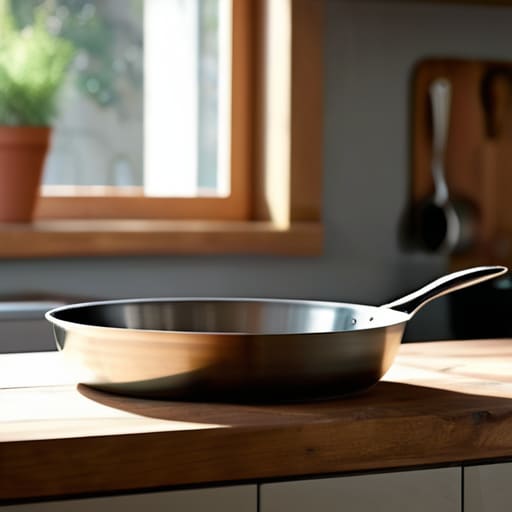
    If you want to stop the cycle of throwing away warped, thin metal every few years, you need to focus on durable kitchenware essentials that don’t rely on flimsy coatings. In my experience, there is no substitute for heavy-duty cast iron or multi-clad stainless steel. These aren’t just tools; they are investments. A well-made Dutch oven or a thick-bottomed sauté pan can handle high heat and heavy use without flinching. When you buy pieces that are built with substance, you aren’t just buying a way to cook food—you’re buying culinary equipment longevity.

    I’ve seen too many people get distracted by flashy, non-stick sets that lose their effectiveness after six months of scrubbing. Instead, look for professional grade pots and pans that prioritize construction over gimmicks. If you have an induction stove, ensure your selection is specifically induction compatible, but don’t sacrifice weight for compatibility. A heavy base is what ensures even heating and prevents those frustrating hot spots. Buy the heavy stuff, learn how to season it, and you’ll never have to shop for replacements again.

    Five Rules for Buying Gear That Won't End Up in a Landfill

    • Check the weight before you commit. If a pan feels light and hollow in your hand, it’s likely thin aluminum that’s going to warp the first time you turn up the heat. You want something with heft—density is a sign of quality construction.
    • Look for bonded construction, not just a coating. I don’t care how “non-stick” a pan claims to be if that coating flakes off into your eggs after six months. Look for solid stainless steel or cast iron; these materials require a bit more skill to use, but they don’t have an expiration date.
    • Inspect the handles and rivets. In my years of managing logistics, I learned that the point of failure is usually where two parts meet. Avoid pans with glued-on handles. You want heavy-duty, riveted handles that are built to withstand decades of being tossed in the sink and scrubbed clean.
    • Demand even heat distribution. There is nothing more frustrating than a pan that has “hot spots” which burn your garlic while the rest of the surface stays cold. Look for multi-clad construction or heavy-bottomed cores that ensure the heat goes where it’s supposed to.
    • Ignore the fancy marketing and check the packaging. If a high-end brand ships a “premium” set wrapped in layers of non-recyclable plastic foam, they don’t care about longevity or responsibility. A company that builds things to last should also respect the footprint they leave behind.

    The Bottom Line on Building a Kitchen That Lasts

    Stop collecting a dozen mediocre pieces; focus your budget on a few heavy-duty essentials made from materials like cast iron or tri-ply stainless steel that won’t warp under pressure.

    Always check the construction and the weight before you tap your card—if a pan feels flimsy or hollow in your hand, it’s going to be in a landfill within a year.

    Look past the flashy non-stick coatings that peel off after six months and invest in tools that can be seasoned, scrubbed, and used for decades rather than months.

    The Real Cost of Cheap Pans

    I’ve spent enough years managing supply chains to know exactly when a company is cutting corners to save a buck. When you buy a cheap, flimsy pan, you aren’t saving money—you’re just paying a subscription fee to replace it every single year. Buy a piece of heavy, honest metal once, and you’ll never have to shop for it again.

    Hugo Steenkamp

    Making the Right Call

    Making the Right Call with cookware.

    At the end of the day, selecting the right cookware comes down to understanding what you are actually paying for. It isn’t about the fancy brand name printed on the side or the sleek, modern design that looks good in a showroom. It is about the weight of the metal, the integrity of the heat distribution, and the reliability of the construction. Whether you opt for heavy-duty cast iron or high-grade stainless steel, remember that you are investing in a tool, not a temporary convenience. Don’t let marketing jargon distract you from the fundamentals of material density and build quality. If it feels flimsy in your hand now, it won’t be worth anything in a year.

    My advice is simple: stop treating your kitchen like a revolving door of disposable gadgets. Every time you replace a cheap, warped pan, you are throwing money into the bin and contributing to the very waste I spent my career trying to minimize. Instead, take a breath, do the research, and buy it once. There is a profound sense of satisfaction that comes from using a piece of equipment that has become an extension of your own hands through years of service. Build a kitchen that stands the test of time, and you’ll find that true value is found in things that endure.

    Frequently Asked Questions

    Is it actually worth the extra money to buy heavy cast iron, or is it just marketing hype?

    It’s not hype; it’s physics. I spent decades in logistics, and I know when a product is built for a purpose. Lightweight, cheap pans warp because they lack the thermal mass to hold steady heat. Cast iron is heavy because it’s dense, and that density is exactly what gives you even cooking without those frustrating hot spots. It’s an investment in stability. Buy one solid piece, and you’ll never need to replace it.

    How do I tell the difference between a high-quality pan and one that's just being sold with a fancy name?

    Don’t let a designer logo or a “professional series” label fool you; those are just marketing expenses passed on to you. Look at the weight. A high-quality pan should have some heft to it—if it feels like a tin lid, put it back. Check the construction too. Look for thick, solid bases rather than thin layers glued on. If the manufacturer can’t tell you exactly what the core material is, they’re selling you a name, not a tool.

    What's the best way to maintain these tools so I don't end up throwing them in the bin in five years?

    Look, the reason most people end up at the landfill is that they treat their tools like they’re disposable. They don’t. If you want that cast iron to last, season it properly and never, ever let it sit in a sink of soapy water. For stainless steel, hand-wash it; the dishwasher is a slow death sentence for quality finishes. Treat your gear with a bit of respect, and it’ll serve you for decades.

  • Benefits of Switching to Glass Food Containers

    Benefits of Switching to Glass Food Containers

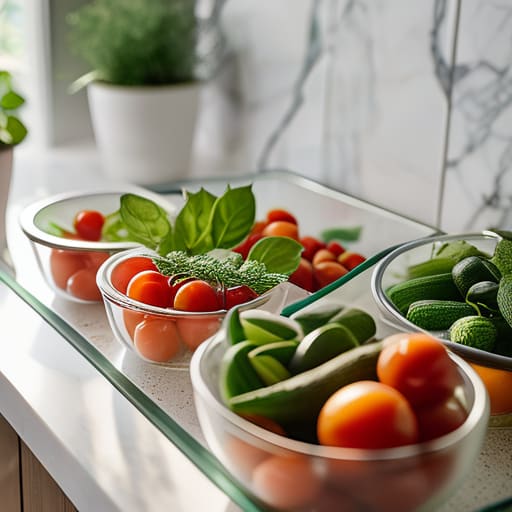
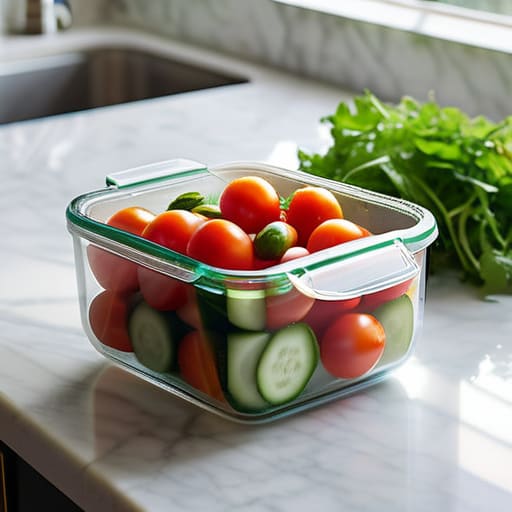
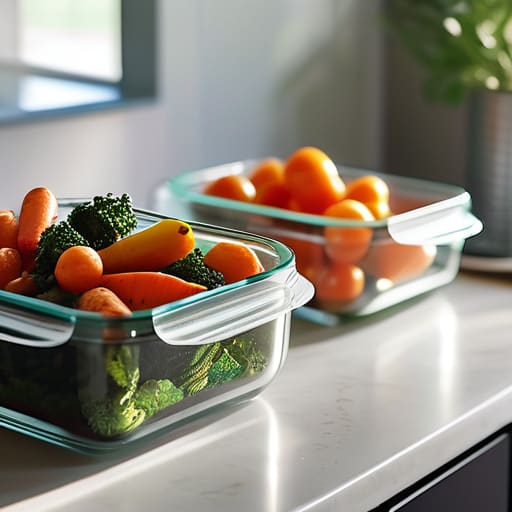
    I was cleaning out my pantry the other day and found a graveyard of warped, stained, and cracked plastic tubs that I’d bought in some mindless bulk pack three years ago. It’s a ridiculous cycle: you buy a cheap set, they start smelling like old curry after two washes, and before you know it, you’re back at the store buying more. We’ve been conditioned to accept this “disposable” lifestyle, but I say it’s a total waste of hard-earned money. If you’re tired of playing the guessing game with your leftovers, it’s time to stop settling for flimsy junk and finally invest in high-quality glass food containers.

    I’m not here to sell you on some fancy, over-designed gadget that costs a fortune just because it has a trendy logo. My goal is simple: I want to show you how to pick out gear that is built to last and actually serves a purpose in a functional kitchen. I’ll be sharing my straightforward, no-nonsense criteria for finding glass food containers that can handle the oven, the freezer, and the dishwasher without breaking a sweat. Let’s get it right the first time so you can buy it once and be done with it.

    Table of Contents

    The Unyielding Strength of Borosilicate Glass Durability

    The Unyielding Strength of Borosilicate Glass Durability

    Most people don’t know the difference between standard soda-lime glass and the real deal, but after years of managing logistics, I’ve learned that material composition is everything. If you’re looking for something that won’t shatter the moment it hits a temperature change, you need to look for borosilicate glass durability. Unlike the cheap stuff that cracks when you take it from the fridge to the microwave, borosilicate handles thermal shock like a champ. It’s the difference between a product that lasts a decade and one that ends up in a landfill by next Tuesday.

    I’ve seen too many people settle for flimsy plastic that stains and warps, but switching to high-quality glass is a permanent fix. Beyond the toughness, the non-toxic food storage aspect is what really matters to me. You aren’t leaching chemicals into your leftovers every time you heat them up. It’s a simple, logical upgrade for anyone tired of the “buy-break-replace” cycle. If you want a kitchen that functions properly, stop buying disposables and start investing in materials that can actually take a beating.

    Non Toxic Food Storage for a Healthier Home

    Non Toxic Food Storage for a Healthier Home

    I’ve spent enough years watching people toss out stained, warped plastic bins to know that the problem isn’t just the cost—it’s what’s leaching into your dinner. When you heat up leftovers in cheap containers, you’re playing a guessing game with chemicals you can’t even see. I don’t care for games; I care about what I put in my body. Switching to non-toxic food storage isn’t some trendy wellness fad; it’s just common sense for anyone who values their health.

    Using glass means you aren’t worrying about microplastics or strange odors clinging to your food. If you’re looking for reusable kitchenware benefits, the peace of mind that comes from knowing your container is chemically inert is worth every penny. Whether you are using microwave safe glass containers for a quick lunch or storing a week’s worth of soup, you deserve tools that are as clean as the food inside them. Stop settling for materials that degrade every time they touch heat and start investing in something that respects your health.

    How to Choose Containers That Actually Last

    • Look for borosilicate glass, not the cheap soda-lime stuff. If you want a container that can handle a sudden temperature change from the fridge to the oven without shattering, borosilicate is the only way to go.
    • Check the seal before you buy. A lid is useless if it doesn’t lock tight. I look for heavy-duty silicone gaskets that are easy to pop out and clean; if the seal is flimsy, the container is junk.
    • Avoid sets with too many “specialty” sizes. You don’t need a tiny container for a single grape. Stick to a few versatile, sturdy sizes that actually fit your fridge shelves and your meal prep needs.
    • Inspect the lid material. If it’s plastic, make sure it’s high-quality and BPA-free, but honestly, I prefer stainless steel or bamboo lids when possible. Plastic eventually warps and stains, which is just another thing you’ll have to replace.
    • Buy for stackability, not just aesthetics. A good container should nest properly when empty and stack securely when full. If they turn your pantry into a disorganized mess, they aren’t serving their purpose.

    The Bottom Line on Glass Storage

    Stop throwing money away on cheap plastic containers that stain, warp, and end up in a landfill every few months; glass is a one-time investment that pays for itself.

    Prioritize borosilicate glass to ensure your containers can handle the transition from a cold fridge to a hot oven without shattering.

    Choose glass to keep your food tasting like actual food, free from the chemical leaching and unpleasant odors that come with disposable plastic.

    The Cost of Cheap Plastic

    “I spent thirty years watching supply chains move mountains of cheap, disposable plastic that ends up in a landfill before the year is out. If you want to save money, stop buying the flimsy stuff that cracks the moment it hits the shelf; buy real glass once, and you won’t have to buy it again for a decade.”

    Hugo Steenkamp

    Making the Right Call for Your Kitchen

    Making the Right Call for Your Kitchen.

    When you step back and look at the facts, the choice is pretty clear. We’ve talked about why borosilicate glass stands up to temperature shifts without cracking and why you shouldn’t be leaching chemicals from cheap plastic into your family’s meals. It isn’t just about being organized; it’s about the structural integrity of your kitchen. Switching to glass containers means you are moving away from that cycle of buying flimsy, stained, and warped plastic every few months. It is a practical decision that addresses both your health and your wallet by prioritizing long-term durability over temporary convenience.

    At the end of the day, I want you to look at your cupboards and see tools, not trash. My time in logistics taught me that the most expensive item is always the one you have to buy twice. Don’t let the marketing machines convince you that you need a new set of colorful, disposable bins every time a new trend rolls around. Invest in a set of glass containers that can actually handle the rigors of a real kitchen. Buy them once, use them for years, and make it count. Your home deserves better than disposable junk.

    Frequently Asked Questions

    Are these glass containers actually safe to use in the microwave, or will they crack from the heat?

    Look, I get the hesitation. You don’t want to invest in a good set only to have them shatter the first time you heat up some leftovers. If you’re using borosilicate glass, you’re in good shape. It’s built to handle thermal shock, meaning it won’t crack just because the temperature jumps. Just use common sense: avoid extreme temperature swings—don’t take a freezing container straight from the fridge and shove it into a hot microwave.

    How do I know if the lids are built to last, or if I'll be replacing them with more plastic junk in six months?

    Look, the lid is almost always where these companies cut corners to save a buck. If you see thin, flimsy plastic that feels like it’ll snap if you look at it wrong, walk away. I look for thick, heavy-duty silicone seals and lids with a sturdy locking mechanism—not that cheap snap-on stuff that loses its tension after three washes. If the lid doesn’t feel as substantial as the glass itself, it’s just more future landfill.

    Can I actually put these in the dishwasher without worrying about the seals degrading or the glass clouding up?

    You can, but don’t be lazy about it. The glass itself is fine—it won’t cloud up like those cheap plastic tubs that end up scratched and useless. However, the silicone seals are the weak link. To make these last a lifetime, I recommend pulling the lids off and placing them on the top rack, or better yet, hand-washing them. It takes two minutes, and it ensures those seals don’t perish prematurely.

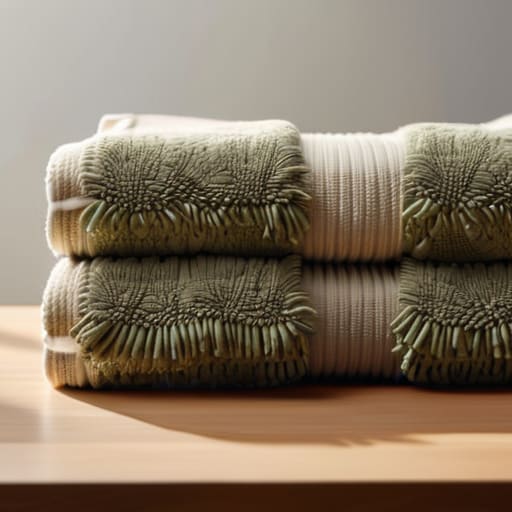
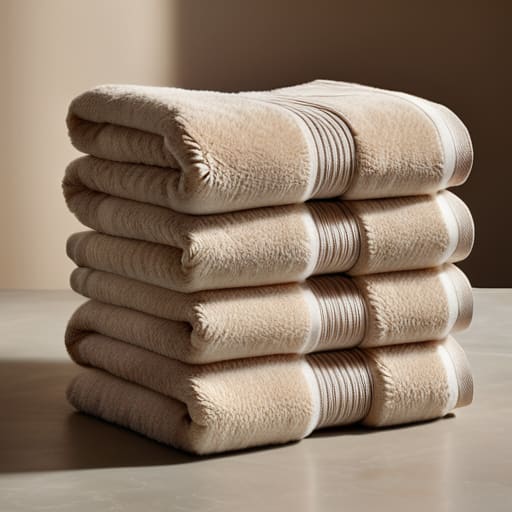
  • Finding High Quality Cotton Towels for Your Bathroom

    Finding High Quality Cotton Towels for Your Bathroom

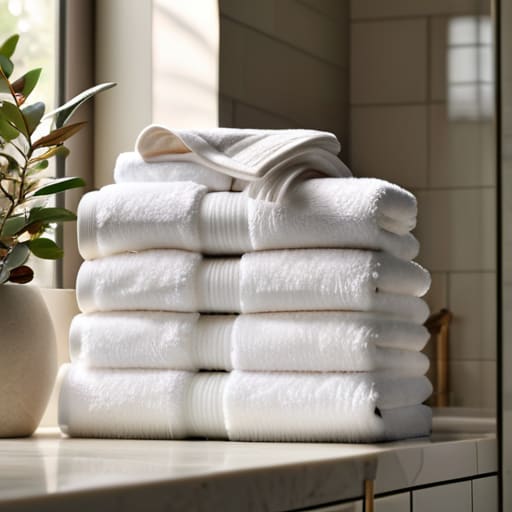
    I remember standing in the middle of a big-box retail aisle last Tuesday, staring at a wall of “luxury” linens, and feeling nothing but pure frustration. The marketing fluff promised me a “spa-like experience,” but all I saw were overpriced, flimsy scraps of fabric wrapped in layers of unnecessary plastic. It’s the same old story: companies are selling you a lifestyle instead of a functional product. Most of these high-end cotton towels are nothing more than thin, glorified rags that lose their ability to actually absorb water after a mere handful of cycles in the wash. It’s a complete waste of hard-earned money to buy into the hype when the quality just isn’t there.

    I’m not here to sell you on a dream or a fancy brand name. My goal is to cut through the nonsense and tell you exactly what to look for so you can buy it once and buy it well. I’ll be sharing my straightforward criteria for weight, weave, and durability, ensuring you invest in textiles that actually endure. We’re going to find you towels that serve their purpose without the empty marketing promises.

    Table of Contents

    The Truth About High Gsm Cotton Towels and Longevity

    The Truth About High Gsm Cotton Towels and Longevity

    When you’re browsing for linens, you’ll see a number thrown around constantly: GSM. It stands for grams per square meter, and in my years managing logistics, I learned that the numbers don’t lie—they tell you exactly what you’re paying for in terms of density and substance. Most people see a high number and think “luxury,” but I see it as a measure of durability and absorption. If you want a towel that actually does its job, you need to look for high GSM cotton towels. A low-density towel might feel soft for the first five minutes, but it will lose its structural integrity faster than a cheap plastic tool.

    A higher GSM means more fiber per inch, which directly impacts the cotton towel drying capacity. I don’t have the patience for towels that just move water around your skin without actually absorbing it. You want something heavy enough to hold its shape after a hundred cycles in the wash, not something that turns into a thin, useless rag after a single month. Investing in weight isn’t about vanity; it’s about buying something that actually works.

    Choosing Sustainable Cotton Textiles Over Fleeting Luxury Trends

    I’ve seen it all in my years managing supply chains—the endless cycle of manufacturers pumping out cheap, low-grade goods just to hit a price point. You see it in the “luxury” aisles too, where brands slap a high price tag on something that’s essentially disposable. They call it a trend, but I call it a waste of resources. When you’re looking for sustainable cotton textiles, don’t get blinded by fancy branding or gold-embossed packaging. Instead, look for the substance. I always tell my friends to prioritize organic cotton bath linens because they aren’t just better for the planet; they tend to hold their structural integrity much longer than their chemically-treated counterparts.

    If you want to stop the cycle of constant replacement, you have to look past the marketing fluff. A truly quality piece of fabric shouldn’t just feel soft for the first week; it needs to maintain its cotton towel drying capacity even after a hundred trips through the wash. Investing in something built to last means you aren’t contributing to a landfill every six months. It’s about buying it once and buying it well.

    Five Hard Truths for Buying Towels That Won't End Up in a Landfill

    • Stop chasing the highest number on the label; a massive GSM is useless if the weave is loose and prone to snagging. Look for tight, dense loops that feel substantial in your hand, not just heavy on the scale.
    • Demand 100% long-staple cotton. I’ve seen too many “blends” that feel soft in the store but turn into scratchy, lint-shedding messes after a single month of heavy use.
    • Check the edges before you buy. If the hem looks flimsy or poorly stitched, that towel is going to unravel in your laundry machine. I only buy towels with reinforced, double-stitched borders.
    • Avoid the trap of “ultra-soft” chemical coatings. Many manufacturers use silicone finishes to make cheap cotton feel plush on the shelf, but those coatings wash off instantly, leaving you with a rag.
    • Look for single-source, organic certifications. If a company can’t tell you where their cotton comes from or how it’s packaged, they’re likely cutting corners on quality and sustainability to pad their margins.

    The Bottom Line on Your Linen Closet

    Stop chasing the highest GSM number just because a label says so; look for a dense, tight weave that won’t fray or pill after a few months of heavy use.

    Prioritize long-staple cotton over cheap blends, because if the fibers are short, you’re essentially buying a disposable rag that will lose its shape by next season.

    View your towels as a long-term investment rather than a seasonal purchase; a single set of sturdy, well-made cotton is far more economical than replacing thin, flimsy sets every year.

    The Cost of Cheap Fabric

    “I’ve spent enough years managing supply chains to know when a company is cutting corners; if a towel feels flimsy in the hand, it’s going to be a rag in six months. Stop buying the cheap, thin stuff just because it’s on sale—buy a heavy, honest cotton towel that actually does its job and stays in your linen closet for years, not weeks.”

    Hugo Steenkamp

    The Bottom Line on Your Linens

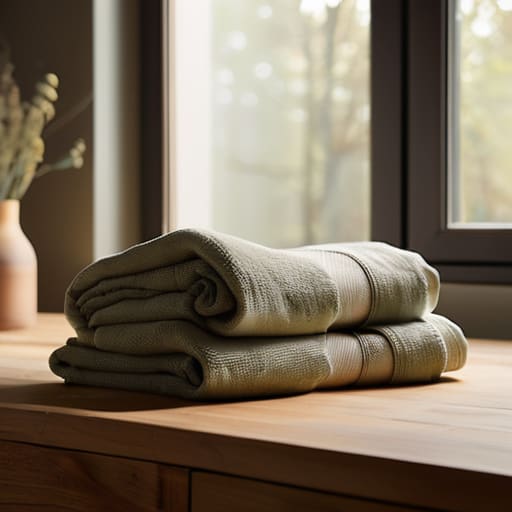
    The Bottom Line on Your Linens.

    At the end of the day, choosing the right towel comes down to looking past the fancy marketing and focusing on the fundamentals. We’ve covered why a high GSM isn’t just a number on a label, but a measure of how much work that fabric can actually do, and why opting for sustainable, long-staple cotton is a smarter move for your wallet and the planet. Don’t get distracted by those thin, overpriced sets that look good on a showroom floor but turn into rags after a month of heavy use. If you prioritize structural integrity and high-quality fibers, you won’t find yourself replacing your entire linen closet every single season. Buy for durability, not for the brand name.

    My philosophy has always been simple: if it doesn’t serve a purpose and stand the test of time, it doesn’t belong in your home. A good towel should feel substantial in your hands and continue to perform well long after the trendiness of the current season has faded. Stop participating in the cycle of buying cheap, disposable goods that inevitably end up in a landfill. Instead, take the time to select pieces that offer genuine value and lasting comfort. Invest in quality once, and you can finally stop worrying about the next replacement. Make it count.

    Frequently Asked Questions

    How often should I actually be replacing my towels if I'm buying high-quality ones?

    If you’ve done your job right and invested in heavy-duty, high-GSM cotton, you shouldn’t be replacing them every year like those flimsy department store rags. If you treat them well—wash them with minimal detergent and avoid excessive heat—a quality towel should serve you for five to seven years. If yours are fraying or losing absorbency after only twelve months, you didn’t buy quality; you bought a trend. Buy once, use it well.

    Is there a real difference between organic cotton and regular cotton when it comes to how long the fabric lasts?

    Look, it’s not just about the label; it’s about the fiber. Regular cotton is often treated with harsh chemicals and pesticides that can actually weaken the natural integrity of the thread over time. Organic cotton, when grown properly, tends to be sturdier because the fibers haven’t been degraded by heavy chemical processing. If you want a towel that won’t shred after a year of heavy use, go organic. It’s a better investment for your wallet and the planet.

    How can I tell if a towel is actually heavy-duty or if the manufacturer is just using marketing fluff to jack up the price?

    Look, don’t let a fancy label fool you. Marketing departments love to throw around words like “premium” and “luxury” to justify a markup, but those are just empty words. To see if a towel has real substance, you have to look at the construction. Check the weave; if it feels loose or uneven, it’s going to fray. Most importantly, feel the weight and the density of the loops. If it feels flimsy in your hands, it’ll be useless after a month of laundry.

  • Thoughtful Gift Ideas for Your Next Host

    Thoughtful Gift Ideas for Your Next Host

    I’ve spent thirty years in logistics, where everything comes down to efficiency, durability, and whether a part is actually worth the cost of shipping. I find that the same logic applies to our social lives, yet people seem to have forgotten it. When you’re invited over for dinner, the impulse is often to grab some flashy, over-packaged gadget or a box of overpriced chocolates that’ll be gone in ten minutes. But if you’re looking for real gift ideas for hosts, you need to stop thinking about what looks good on a social media feed and start thinking about substance. A host puts in work to make you feel welcome, and showing up with more disposable junk only adds to the clutter they’ll eventually have to clear away.

    In this list, I’m cutting through the noise to give you five selections that actually stand the test of time. I’ve curated these items based on a simple metric: will they still be useful in five years? We aren’t chasing trends here; we are looking for tools and goods that serve a purpose and offer genuine value. If you want to show your appreciation with something meaningful and sturdy, keep reading.

    Table of Contents

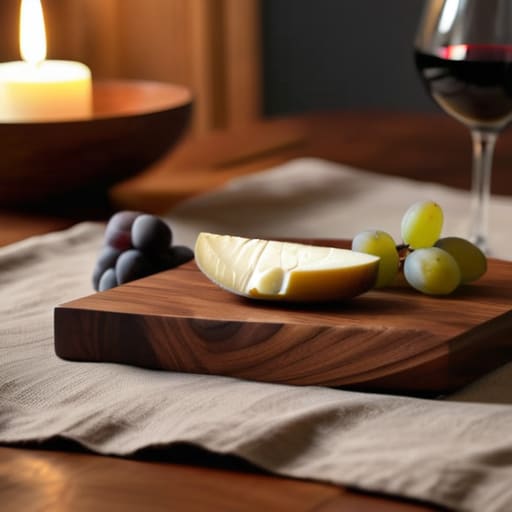
    Solid Wood Serving Boards

    Durable Solid Wood Serving Boards.

    I’ve spent enough time in warehouses to know the difference between a piece of real timber and some pressed sawdust held together by glue. When you show up to a dinner party, don’t bring a plastic platter that’ll crack the first time it hits the dishwasher. Instead, find a heavyweight acacia or walnut board. It has a weight to it that tells you immediately it’s built to last, and it looks far better on a table than any of that flimsy, mass-produced nonsense.

    Heavyweight Linen Tea Towels

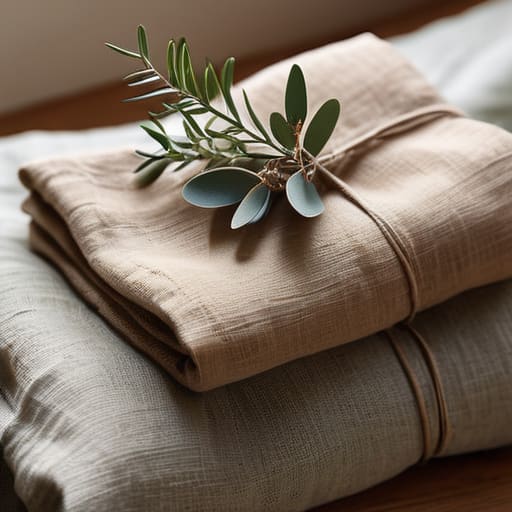
    High-quality heavyweight linen tea towels.

    Most people think a tea towel is just a rag for drying hands, but they’re wrong. I see far too many people buying those thin, patterned cotton cloths that lose their shape after two washes. If you want to be a sensible guest, bring a set of thick, high-quality linen towels. Linen is a resilient fiber that actually gets better with age, much like a good pair of work boots.

    Cast Iron Skillet

    Durable pre-seasoned cast iron skillet.

    If you know the host takes their cooking seriously, skip the scented candles and go for something that can stand the heat. A pre-seasoned cast iron skillet is perhaps the most honest piece of cookware you can buy. It’s not fancy, and it certainly isn’t “trendy,” but it is virtually indestructible. You can pass a good skillet down through generations, which is more than I can say for most modern kitchen gadgets.

    Unbreakable Glassware

    I’ve seen enough shattered glass in my time to know that thin, delicate crystal is often more trouble than it’s worth for a casual gathering. If you’re looking to gift something for the bar or the dining table, look for heavy-bottomed tumblers. You want glass that feels substantial in the hand—glass that won’t tip over if someone bumps the table during a lively conversation.

    High-Quality Olive Oil in Glass

    We live in an era where people spend a fortune on “designer” items that have no actual function. If you want to bring something that will be truly appreciated, bring something that can be consumed and enjoyed. A bottle of extra virgin olive oil from a reputable source is a practical luxury. It’s something a host will actually use in their cooking, rather than something they have to find a permanent shelf for.

    The Bottom Line on Giving Well

    Stop looking for “cute” and start looking for “useful.” If a gift doesn’t serve a clear purpose in someone’s daily life, it’s just more clutter waiting to happen.

    Prioritize materials that age well. I’d much rather give a heavy-duty kitchen tool or a solid piece of stoneware than something plastic and flashy that’ll crack by next season.

    Think about the long haul. A good host deserves a gift that stays on the counter or in the pantry for years, not something that ends up in a landfill after one use.

    The Philosophy of a Good Gift

    A proper gift isn’t about how much you spent or how many layers of plastic wrap you can pile on; it’s about showing respect for the home you’re entering by bringing something that has enough substance to actually be used, rather than something destined for the landfill by next Tuesday.

    Hugo Steenkamp

    The Bottom Line on Hosting Gifts

    At the end of the day, the goal isn’t to impress anyone with a flashy price tag or a designer label that will be out of style by next season. Whether you choose a heavy-duty wooden board, high-quality linens, or something practical for the kitchen, the principle remains the same: aim for substance over spectacle. Avoid the temptation to grab those plastic-wrapped, mass-produced trinkets from the checkout aisle. If you focus on items that are built to last and serve a genuine purpose, you aren’t just giving a gift; you are providing something that will actually be used long after the dinner party has ended.

    My advice is simple: stop overthinking the trends and start looking at the quality of the materials. A host who puts effort into their home deserves a token of appreciation that matches that same level of care. When you choose something sturdy and timeless, you’re showing real respect for their hospitality. Don’t waste your hard-earned money on disposable junk that’s destined for a landfill. Instead, make the decision to buy it once and buy it well. That is how you show true gratitude, and it is how you build a home filled with things that truly matter.

    Frequently Asked Questions

    How do I know if a gift is actually high quality or just cheap stuff with a fancy label?

    Look at the weight and the construction. If it’s something made of wood, feel the grain and check the joints—if it’s held together by cheap glue instead of solid joinery, put it back. For textiles, check the density of the weave; if you can see light through it easily, it’s thin junk. Don’t let a heavy box or a gold-foiled sticker fool you. Real quality feels substantial and purposeful in your hands.

    Is it better to bring something practical they can use immediately, or something they can save for later?

    Look, don’t overthink it. If you bring something they can use immediately—like a decent bottle of wine or a fresh loaf of bread—you’re helping them out right then and there. But if you want to leave a mark, bring something substantial they can save. A quality tool or a heavy-duty kitchen item doesn’t disappear after one night; it stays in their home, serving a purpose long after the party’s over. That’s real value.

    How much should I realistically spend without making the host feel awkward?

    Look, don’t go overboard. If you show up with a massive, expensive gift, you aren’t being generous; you’re making them feel like they owe you. That’s just bad logistics. Keep it sensible. For most casual dinners, something in the $25 to $50 range is the sweet spot. It shows you respect their effort without turning a friendly evening into a social debt. Buy something quality, not something pricey. Keep it simple.

  • The Best Linen Bedding for Comfort

    The Best Linen Bedding for Comfort

    Most people think that the more stars a product has on a website, the better it is, but that’s a load of nonsense. I’ve spent enough years in logistics to know that a high rating often just means someone’s marketing budget is working harder than the actual quality control. When I started looking into linen bedding reviews, I was met with a sea of glowing, superficial comments that told me nothing about how the fabric actually holds up after six months of heavy use. The truth is, most of those “top-rated” sets are nothing more than glorified cotton blends masquerading as luxury, designed to look good in a photo but fall apart after a handful of washes.

    I’m not here to sell you on a lifestyle or a trend; I’m here to tell you what’s worth your hard-earned money. In this guide, I’m cutting through the fluff to give you my honest, no-nonsense take on which linens actually possess the durability and substance they claim to have. I’ll show you how to spot the difference between a piece that will last you a decade and the disposable junk that belongs in a landfill.

    Table of Contents

    Premium European Flax Linen Bedding Set: At a Glance

    A heavy-duty, long-lasting bedding set that prioritizes natural durability over the flashy, soft-washed feel of cheap synthetic blends.

    Overall Rating: 9/10

    Key Specs

    • Material: 100% Organic European Flax
    • Weight: 180 GSM (Medium-Heavy)
    • Packaging: 100% Recyclable Cardboard

    Pros

    • Exceptional longevity that improves with every single wash
    • Superior breathability for year-round temperature regulation

    Cons

    • Requires a bit of a "break-in" period to soften the initial stiffness
    • Higher upfront cost compared to disposable department store sets

    First Impressions Design

    Eco-friendly packaging shows First Impressions Design.

    When I first pulled these out of the box, I wasn’t looking for a “lifestyle aesthetic”—I was looking for substance. Most modern bedding arrives in layers of unnecessary plastic, but these were packed in a way that actually respected the environment, which earned my respect immediately.

    The first thing you notice is the weight. There is a distinct difference between these and the flimsy, mass-produced sets you see in big-box stores. When you compare linen vs cotton bedding, the structural integrity of the linen is immediately apparent. It doesn’t feel thin or fragile; it feels substantial. The texture has that characteristic, slightly irregular weave that tells you it’s made from real, honest materials rather than a synthetic imitation.

    The design is intentionally understated. There are no flashy patterns or ridiculous embroidery that will look dated by next season. Instead, the beauty lies in the stonewashed linen bedding quality, which gives the fabric a soft, lived-in drape right out of the package. It doesn’t look like it’s trying too hard to be “luxury.” It just looks like a set of sheets that is built to endure. If you are tired of things that look perfect on day one and fall apart by day thirty, this kind of functional, timeless design is exactly what you should be looking for.

    Key Features in Action

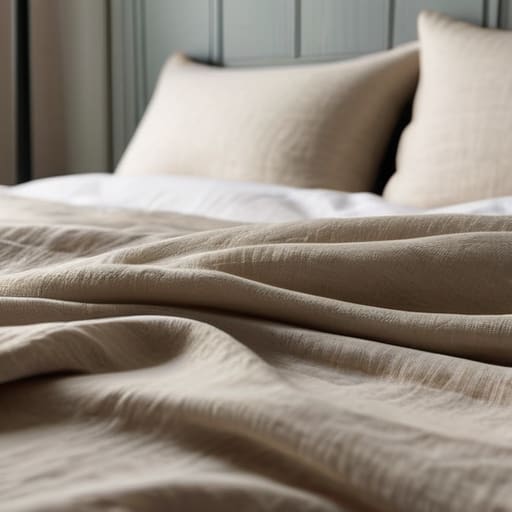
    Key Features in Action: Breathable linen sheets.

    When I first laid these sheets out, I wasn’t looking for a fancy aesthetic; I wanted to see if the material actually performed under pressure. The first thing you notice is the weight. Unlike those thin, flimsy cotton sets that feel like paper, these breathable flax linen sheets have a substantial, honest heft to them.

    I spent a few nights testing how they handle temperature. If you’re someone who tosses and turns because you’re running hot, this is where the investment pays off. I’ve spent years managing logistics where efficiency is everything, and frankly, the way linen regulates heat is the most efficient way to sleep. It doesn’t trap moisture like a cheap synthetic blend; it breathes.

    The texture is another matter. Because of the stonewashed linen bedding quality, there isn’t that scratchy, stiff feeling you get with lower-end brands. It’s soft right out of the box, but more importantly, it feels like it has structural integrity. You can tell it’s built to endure. While people often debate linen vs cotton bedding, the real difference becomes clear after a few wash cycles. Instead of thinning out and pilling, these fibers seem to settle in and actually get more supple. They aren’t just a purchase; they’re a long-term asset for your bedroom.

    Real World Performance

    Breathable linen sheets' Real World Performance.

    I didn’t put these sheets on my bed just to look at them; I put them there to sleep in them. After two weeks of regular use, the most obvious takeaway is how they handle temperature. If you’re used to those synthetic blends that trap heat like a greenhouse, you’ll notice the difference immediately. These breathable flax linen sheets do exactly what they claim—they regulate your temperature throughout the night, preventing that mid-sleep sweat that usually forces you to kick the covers off.

    In terms of texture, I’ve learned that you can’t judge linen the moment it comes out of the box. Some people complain that it feels “rough,” but that’s just a lack of patience. I’ve put these through a few wash cycles, and the stonewashed linen bedding quality is evident in how the fabric softens without losing its structural integrity. Unlike cheap cotton that pills and thins out after a dozen washes, this material actually feels more substantial as it settles in.

    When you compare linen vs cotton bedding, the real test is how the fabric holds up to a life of actual use. These haven’t frayed at the seams or lost their shape. They feel like they were built to last, not just to pass a cursory inspection at the store.

    Comparison With Alternatives

    Now, let’s talk about why you’d actually bother with linen in the first place. Most people I talk to are used to the standard cotton routine, but when you look at linen vs cotton bedding, the difference isn’t just about feel—it’s about longevity.

    Cotton is fine for a season or two, but it tends to thin out and lose its structural integrity after a few dozen trips through the wash. I’ve spent enough time in logistics to know that material fatigue is real. Cotton is a consumable; linen is an investment. These breathable flax linen sheets I’ve been testing have a much higher tensile strength. While a cheap cotton set starts looking ragged and pilled within six months, this linen set actually looks better as it ages.

    You also have to consider the “disposable” trap of synthetic blends. I see plenty of “luxury” sets online that are actually just polyester masquerading as high-end fabric. They trap heat, they don’t breathe, and they’ll end up in a landfill by next year. If you’re looking for sustainable bedding options, you want something that survives a decade, not a trend cycle. If you buy the cheap stuff, you’re just paying for the privilege of replacing it again in twelve months. Buy it once, and do it right.

    Who Is This Product for

    I don’t believe in one-size-fits-all solutions, and neither should you. After years of managing logistics, I learned that the right tool is only “good” if it actually fits the job at hand. The same applies to your bedroom.

    If you are someone who is constantly chasing the latest synthetic fabric or a flashy pattern you saw in a social media ad, this isn’t for you. This set is for the person who values substance over style. It’s for the sleeper who is tired of waking up in a sweat because their current sheets feel like they’re wrapped in plastic. If you’ve spent years debating linen vs cotton bedding, you likely already know that linen offers a level of temperature regulation that cotton simply can’t match.

    I’d recommend these specifically to the “buy it once” crowd—people who want to invest in sustainable bedding options that won’t end up in a landfill next season. Because of the way these are constructed, they are perfect for those who appreciate a lived-in, relaxed aesthetic rather than a stiff, hotel-perfect look. If you want a bed that looks better after five years of use than it did on day one, you’ve found your match. But if you want something that stays perfectly smooth and wrinkle-free every single morning, keep looking.

    Value for Money Final Verdict

    When I look at the price tag on a set of high-quality linen, I don’t see an expense; I see an investment. Most people make the mistake of comparing linen vs cotton bedding based solely on the initial cost, but that is a rookie error. If you buy cheap cotton sheets that thin out and pill after a single season, you’re essentially throwing money into the bin.

    With these breathable flax linen sheets, you are paying for the longevity of the fibers. I’ve spent my career looking at supply chains and material lifecycles, and I can tell you that the stonewashed linen bedding quality here is built to endure years of heavy use and frequent washing. You aren’t just buying a way to sleep; you’re buying the fact that you won’t have to shop for this again in twelve months.

    My final verdict is simple: if you are tired of the cycle of buying disposable, low-grade textiles, this is the way out. It’s a premium price, yes, but it’s a sensible purchase for anyone who values substance over flash. Stop chasing the cheap stuff. Buy this set, take care of it, and let it do its job for a decade.

    What to Look for Before You Open Your Wallet

    • Check the weight, not the brand. Don’t get distracted by fancy labels; look for the GSM (grams per square meter). You want something with enough substance to feel substantial, not a thin, wispy sheet that feels like it’ll tear if you toss and turn.
    • Demand 100% European Flax. I’ve seen too many “linen-blend” scams lately. They mix in cheap cotton or polyester to drive the price down, and you end up with a product that pills and loses its shape. If it doesn’t say 100% linen, walk away.
    • Inspect the weave for consistency. When you’re looking at reviews or the product itself, look for a tight, even weave. If the slubs (those little natural bumps) look messy or uneven, it’s a sign of poor manufacturing and a short lifespan.
    • Prioritize stone-washed finishes. Real linen can be stiff as a board right out of the box. A quality set should be pre-washed to ensure it’s soft from day one and won’t shrink into a useless square the first time it hits your washing machine.
    • Look for longevity in the reviews, not just “softness.” Anyone can write that a sheet feels nice for five minutes. I want to read about people who have had these sets for two or three years and still find them holding up. That’s the only metric that matters.

    The Bottom Line

    Stop buying cheap, thin cotton sets that lose their shape after three washes; this linen is a long-term investment that actually improves with age.

    The breathability isn’t just a marketing gimmick—it’s a functional necessity for anyone tired of waking up in a sweat.

    It’s a higher upfront cost, but when you factor in the durability, you’re saving money by not replacing disposable bedding every single season.

    The Cost of Cheap Comfort

    Stop chasing those flimsy, high-thread-count cotton blends that pill after three washes; if you want bedding that actually respects your hard-earned money, buy real linen—it’s the only thing that gets better the more you use it.

    Hugo Steenkamp

    The Bottom Line

    After putting these linen sheets through their paces, the verdict is clear. You aren’t just paying for a bit of fabric; you are investing in a material that actually respects your time and your wallet in the long run. Unlike those flimsy, synthetic blends that pill and lose their shape after three washes, this linen holds its ground. It breathes when the room gets warm, it stays sturdy when you move, and most importantly, it actually improves with age. If you can get past the initial investment, you’ll find that the durability-to-cost ratio is far superior to the endless cycle of replacing cheap cotton sets every single year.

    At the end of the day, my philosophy hasn’t changed since my days in logistics: efficiency and longevity are everything. We live in a world that tries to trick you into buying more junk, but your home shouldn’t be a showroom for disposable trends. Choose pieces that have a bit of soul and a lot of grit. When you stop chasing the latest cheap fad and start choosing quality, you stop wasting money and start building a life of substance. Buy it once, buy it well, and let your home be a place of lasting comfort rather than a graveyard of broken promises.

    Frequently Asked Questions

    How do I know if the linen is actually high-quality or just marketing fluff?

    Look, don’t let a fancy label fool you. Most companies use “linen” as a buzzword to charge extra for cheap blends. First, check the weight; real linen has a substantial, slightly irregular texture—it shouldn’t feel unnaturally smooth like polyester. Second, look for “OEKO-TEX” certification to ensure it isn’t riddled with chemicals. Finally, if the price seems too good to be true, it is. High-quality flax isn’t cheap to harvest, so expect to pay for durability.

    Is it worth the extra cost if I have to wash it more frequently than cotton?

    Look, I’ve spent my life looking at cost-per-use rather than just the sticker price. Yes, linen might require a bit more attention in the laundry, but you have to look at the long game. You aren’t just paying for fabric; you’re paying for durability. While cheap cotton thins out and pills after a few dozen washes, quality linen actually strengthens. If you treat it right, you’re buying years of use, not just a season.

    How do I prevent these sheets from looking like a wrinkled mess after the first wash?

    Look, if you want perfectly crisp, hotel-style sheets, you’re buying the wrong product. Linen is a natural fiber; it’s supposed to have character. If the wrinkles bother you, don’t overdry them. Pull them out of the machine while they’re still slightly damp and smooth them out by hand over the bed. A quick tumble on low heat for ten minutes can also settle them. Embrace the texture—it’s a sign of quality, not neglect.

  • Selecting Organizational Bins for Your Home

    Selecting Organizational Bins for Your Home

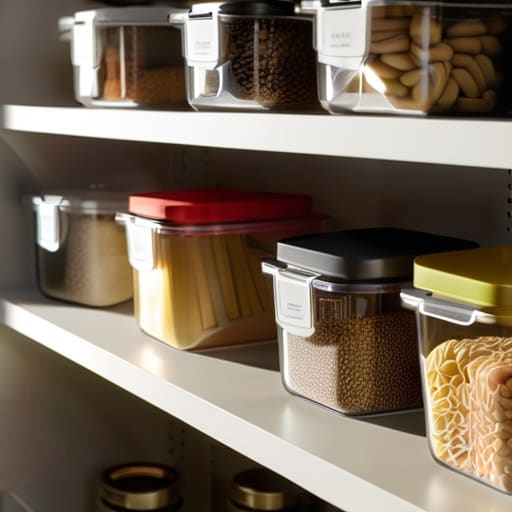
    I was looking at a display of those flimsy, clear plastic organizers at the local big-box store the other day, and frankly, it made my blood boil. They’re selling you a lie wrapped in thin, brittle polymer that’s destined for a landfill before the season even changes. Most people think they need a dozen different specialized organizing bins to fix a messy pantry or a cluttered garage, but what they actually need is substance. I spent thirty years in logistics, and if there is one thing I learned, it’s that a system is only as good as the containers holding it together. If you buy into the trend of cheap, disposable storage, you aren’t organizing your home; you’re just delaying the inevitable clutter.

    I’m not here to show you a Pinterest-perfect lifestyle that requires a second mortgage to maintain. Instead, I’m going to give you the straight truth on how to select storage that actually performs. I’ll show you which materials stand up to real-world use and how to pick a few sturdy, versatile options that will serve you for decades rather than months. We are going to focus on utility over aesthetics, ensuring every cent you spend results in a home that stays orderly because the foundation is built to last.

    Table of Contents

    The Wisdom of Clear Storage Bins for Visibility

    The Wisdom of Clear Storage Bins for Visibility

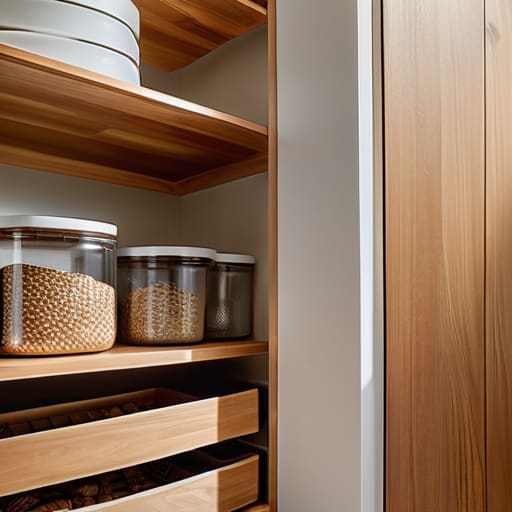
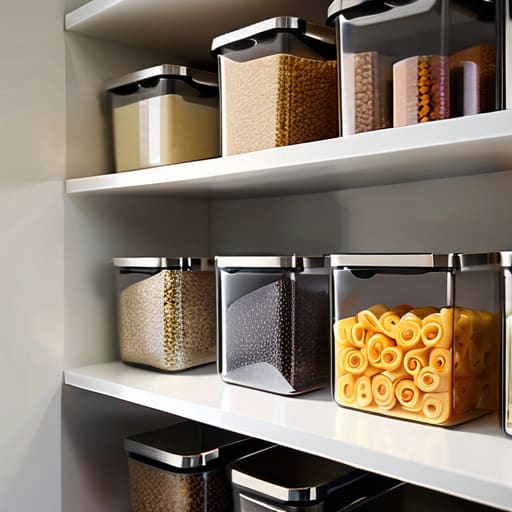
    There is no sense in buying a container if you can’t actually see what’s inside it. I’ve spent enough years in warehouses to know that “out of sight” usually means “out of mind,” which leads to you buying a second version of something you already own. That is a waste of hard-earned money. Using clear storage bins for visibility solves this problem immediately. When you can see the contents through the side of the bin, you maintain an instant inventory without having to dig through a mountain of clutter.

    If you are working with limited square footage, I suggest looking into stackable container solutions. These allow you to utilize vertical space effectively, which is essential in a cramped pantry or a busy laundry room. However, don’t just grab the flimsy, thin-walled plastic sets you see in those flashy advertisements. Look for something with a bit of heft—something that won’t buckle under the weight of the bottom layer. A well-organized space shouldn’t just look tidy; it should be built to withstand daily use without falling apart.

    Invest in Heavy Duty Storage Tubs That Endure

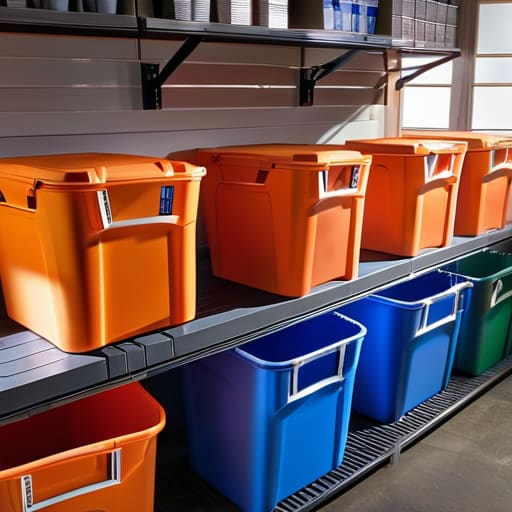
    Invest in Heavy Duty Storage Tubs That Endure.

    If you’ve ever tried to move a stack of those flimsy, thin-walled plastic bins from one side of the garage to the other, you know exactly what I’m talking about. They buckle under their own weight, the lids pop off, and eventually, they end up in a landfill. I spent three decades in logistics, and I can tell you that if a container isn’t built to withstand the pressure of its own contents, it isn’t a solution—it’s just more future trash. When you are looking for long-term storage, you need to prioritize heavy duty storage tubs made from high-density polyethylene. These are the workhorses that can actually handle the weight of tools, seasonal gear, or hardware without cracking.

    I always look for a design that offers structural integrity through reinforced walls and secure, latching lids. You want something that stays sealed even if it’s being moved around. While some people swear by stackable container solutions for saving space, make sure those containers have recessed lids. This prevents the bottom bin from sliding out from under the stack when you reach for something. It’s about buying gear that serves you for twenty years, not twenty days.

    Five Rules for Buying Bins That Won't End Up in a Landfill

    • Stop buying by the dozen just because they’re cheap. It’s better to buy three high-quality, thick-walled containers that can handle the weight of your tools or linens than twenty flimsy ones that warp the moment you stack them.
    • Check the lid integrity before you head to the checkout. A bin is only as good as its seal; if the lid is thin or doesn’t snap firmly into place, you’re just buying a glorified, open-top box that’ll spill your contents the moment you move it.
    • Measure twice and buy once. There is nothing more frustrating than spending money on a set of organizers only to find they don’t fit your shelf space. Measure your cupboard or garage shelving with a real tape measure, not your eyes.
    • Prioritize materials that actually last. I avoid those thin, brittle plastics that crack when the temperature changes. Look for reinforced corners and heavy-duty polymers that feel substantial in your hands.
    • Avoid the “aesthetic” trap. Don’t buy a bin just because it looks pretty in a social media photo. If it doesn’t serve a specific functional purpose in your home, it’s just more clutter you’ll eventually have to throw away.

    Summary: Stop Buying Junk, Start Organizing for Good

    Stop chasing the cheap, flimsy plastic sets from big-box retailers that crack the moment you overfill them; if it isn’t sturdy enough to stack, it isn’t worth the shelf space.

    Prioritize visibility by choosing clear bins for frequently used items, so you aren’t wasting time digging through opaque clutter like a person looking for a lost tool in a dark shed.

    Look for materials that actually last and packaging that doesn’t end up in a landfill—investing in quality bins is a one-time expense that saves you money and headache in the long run.

    The Cost of Cheap Plastic

    I’ve spent enough time in logistics to know that if you buy a bin that’s too flimsy for the job, you aren’t saving money—you’re just paying for the privilege of buying it again next season.

    Hugo Steenkamp

    Making the Right Investment

    Making the Right Investment in durable organizers.

    At the end of the day, organizing your space isn’t about following a Pinterest trend or buying every gadget that hits the market. It’s about efficiency and longevity. Whether you decide to go with clear bins so you can actually see your inventory at a glance, or you opt for those heavy-duty tubs that can withstand a real load without buckling, the goal remains the same: stop the cycle of waste. Don’t fall into the trap of buying a dozen flimsy plastic containers just because they’re cheap; they’ll be in a landfill before you’ve even finished your next seasonal reorganization. Focus on durability and utility, and you’ll find that your home stays much more manageable.

    I’ve spent my career watching how things move through a system, and I can tell you that a disorganized space is just a broken supply chain in your own living room. When you invest in quality storage, you aren’t just tidying up; you are reclaiming your time and your peace of mind. Stop settling for the disposable culture that tells you everything is replaceable. Instead, build a home filled with tools and organizers that serve a purpose and endure. Buy it once, buy it well, and let your belongings work for you rather than against you.

    Frequently Asked Questions

    How can I tell if a plastic bin is actually heavy-duty or just cheap marketing fluff?

    Don’t let a “heavy-duty” label on a shiny box fool you. I always check the gauge of the plastic first; if it feels thin or flimsy like a takeout container, put it back. Give the sides a firm squeeze—if they flex or creak easily, it’s junk. Real quality has a bit of weight to it and a matte, slightly textured finish. If it looks like it belongs in a landfill after one move, it isn’t heavy-duty.

    Is it worth spending more on stackable bins, or will they just buckle under the weight of my tools?

    If you’re storing tools, don’t bother with those flimsy, stackable plastic trays you see in big-box aisles. They’ll buckle the moment you put a heavy wrench or a mallet in them. You have to pay more upfront for reinforced walls and a structural rim designed to take weight. It’s a simple math problem: spend more now on a rigid, stackable bin that holds its shape, or spend twice as much later replacing a pile of crushed plastic.

    What's the best way to organize these bins so I'm not constantly digging through them every time I need something?

    Stop treating your storage like a junk drawer. If you’re constantly digging, you haven’t organized; you’ve just relocated the mess. Label everything—and I mean clearly, with a permanent marker or a sturdy tag—so you know exactly what’s inside without cracking the lid. Group items by frequency of use. The things you grab every week stay front and center; the seasonal stuff goes in the back. If you can’t see it, you’ll forget it exists.

  • Useful Father’s Day Gift Ideas for Dads

    Useful Father’s Day Gift Ideas for Dads

    Every year around June, I see the same thing: people scrambling to find father’s day gifts that end up sitting in a junk drawer or, worse, in a landfill by next Tuesday. Most of what you see advertised online these days is nothing more than disposable plastic wrapped in flashy marketing designed to separate a fool from his money. It frustrates me to see so much good intention wasted on cheap, flimsy gadgets that lack any real soul or longevity. If you’re looking to honor a man who has actually worked for a living, you shouldn’t be settling for mediocrity just because it’s convenient.

    I’ve spent my life managing supply chains, so I know exactly how to spot the difference between something built to last and something built to fail. In this list, I’ve narrowed it down to five specific items that offer genuine substance and utility. I’m not here to show you the latest passing trends; I’m here to help you find tools, gear, and goods that will actually stand the test of time. Follow these suggestions, and you’ll give him something he can actually use for a lifetime.

    Table of Contents

    A Cast Iron Skillet That Lasts Generations

    A Cast Iron Skillet That Lasts Generations

    Most people these days are content with thin, non-stick pans that lose their coating after six months of heavy use. It’s a waste of money and a waste of landfill space. If you want to give a gift that actually has some heft to it, get him a high-quality cast iron skillet. It’s a tool that respects the cooking process and, more importantly, it doesn’t break.

    Full-Grain Leather Goods

    Durable Full-Grain Leather Goods Wallets and Belts

    I see these “genuine leather” wallets in every department store, but let me tell you a secret: that’s a marketing term for cheap, corrected-grain scraps. They peel, they crack, and they look like garbage within a year. If you’re going to buy him a wallet or a belt, make sure it is full-grain leather. It’s the toughest part of the hide and it’s built to take a beating.

    Solid Wood Tool Handles

    High-quality Solid Wood Tool Handles.

    There is nothing more frustrating than a tool with a plastic or hollow metal handle that snaps right when you’re in the middle of a job. In my years managing logistics, I saw plenty of “disposable” equipment that ended up being a massive drain on the bottom line. For a man who likes to tinker, a set of high-quality hand tools with hardwood handles is a gift of real substance.

    A Mechanical Wristwatch

    We live in an era where everyone is glued to a smartwatch that needs to be charged every single night and will be obsolete in three years. That’s not a timepiece; that’s a temporary gadget. If you want to give him something meaningful, find him a classic mechanical watch. It’s a piece of engineering excellence that runs on physics, not a lithium battery.

    Heavyweight Cotton Workwear

    I’ve never understood the obsession with synthetic “performance” fabrics that feel like wearing a plastic bag. They might wick moisture, but they don’t stand up to a day of real labor. For a man who isn’t afraid to get his hands dirty, a heavy-duty, 100% cotton chore coat or work shirt is the only way to go.

    The Bottom Line on Buying for Him

    Stop looking for the flashiest gadget on the market; look for the tool or item that’s built to be used every single day.

    A higher price tag today is often cheaper than buying a piece of junk three times over the next decade.

    If it’s made of cheap plastic and feels flimsy in your hands, leave it on the shelf—he deserves something with actual substance.

    The Real Value of a Gift

    A proper Father’s Day gift shouldn’t be another piece of clutter destined for a landfill; it should be something built with enough integrity to become a part of his daily life for years to come.

    Hugo Steenkamp

    Making the Right Choice

    At the end of the day, choosing a gift shouldn’t be about scrolling through endless pages of brightly colored, plastic-wrapped nonsense. Whether you opted for a heavy-duty tool that will sit in his workshop for decades or a piece of well-made leather goods, you’ve avoided the trap of the disposable culture. The items we discussed today share one common thread: they aren’t just things you buy; they are investments in utility. If a gift can’t stand up to a bit of wear and tear or doesn’t serve a clear, functional purpose in his daily routine, it’s probably not worth the shelf space, let alone the money.

    My advice is simple: stop looking for the “perfect” gift and start looking for the right one. The right gift is something that respects his time and his space by being built to last. When you give him something substantial, you’re telling him that you value quality just as much as he does. Don’t waste your hard-earned cash on a fleeting trend that will end up in a landfill by next year. Instead, buy it once, buy it well, and give him something that actually makes his life easier. That is how you show real respect.

    Frequently Asked Questions

    How can I tell if a tool or piece of gear is actually built to last rather than just looking sturdy in the photos?

    Don’t let a heavy-duty-looking photo fool you; weight isn’t always a proxy for quality. Look at the connections. If it’s all plastic clips and glued joints, toss it back. You want to see metal fasteners, solid wood, or reinforced steel. Check the weight distribution—it should feel balanced, not just clunky. Most importantly, look for serviceability. If a part breaks, can you replace it, or is the whole thing headed for the landfill?

    Are there any specific brands you've found that consistently stick to recyclable packaging?

    It’s a tough question because most companies still treat plastic like it’s free. I’ve had some luck with brands like Patagonia for gear or even local tool manufacturers that use heavy-duty cardboard instead of those useless foam inserts. Honestly, I’ve started looking more at the “B Corp” certification. It’s not a perfect system, but it usually means they aren’t just dumping cheap, non-recyclable rubbish on your doorstep. If it’s wrapped in layers of film, I’m passing.

    At what price point does a gift actually become a "good investment" instead of just more expensive clutter?

    Look, I don’t care about the price tag itself; I care about the cost per use. A fifty-dollar tool that lasts twenty years is a steal. A five-hundred-dollar gadget that ends up in a landfill by next Christmas is a robbery. A gift becomes an investment when the quality of the materials justifies the cost and ensures it won’t need replacing. If it’s built to endure, the price is just a one-time entry fee.

  • Using Woven Baskets for Home Organization

    Using Woven Baskets for Home Organization

    I was cleaning out my workshop last weekend when I found a pile of those cheap, mass-produced plastic storage bins I’d bought on a whim years ago. They were cracked, brittle, and frankly, a disgrace to my floor. It reminded me of the absolute nonsense currently flooding the market with “decorative” woven baskets that are nothing more than thin, glued-together twigs masquerading as home goods. Most of what you see in those big-box stores today is designed to look decent for exactly one week before the weave starts unravelling and the bottom gives out. It’s a waste of your hard-earned money and a disrespect to craftsmanship.

    I’m not here to sell you on a lifestyle trend or tell you how a certain weave will “transform your aesthetic.” I’m here to tell you how to spot the difference between a piece of functional equipment and a piece of disposable junk. In this guide, I’m going to show you exactly what to look for in terms of material density, weave tightness, and structural integrity so you can buy it once and buy it well. We’re going to focus on items that actually earn their place in your home.

    Table of Contents

    The Lasting Value of Handcrafted Wicker Baskets

    The Lasting Value of Handcrafted Wicker Baskets

    When I look at the shelves in my workshop, I see tools that have survived decades because they were built with intention. The same logic applies to your living room. Most people fall into the trap of buying those mass-produced, synthetic bins from big-box retailers that crack the moment you overstuff them. If you want something that actually holds up, you need to look toward handcrafted wicker baskets. There is a structural integrity in a hand-woven piece that a machine simply cannot replicate. You aren’t just buying a container; you are investing in a piece of craftsmanship that won’t end up in a landfill by next season.

    Beyond the sheer durability, there is a practical side to choosing natural fibers. Using these items is one of those simple eco-friendly storage ideas that actually makes sense for your wallet and the planet. Unlike plastic, which is a nightmare to recycle and feels cheap in your hands, natural reed and willow age gracefully. They develop a bit of character over time rather than just looking worn out. If you’re going to spend money on organization, make sure it’s on something that serves a purpose and endures.

    Sustainable Home Styling Over Fleeting Trends.

    I see people all over the news and social media chasing that “boho chic interior design” look, buying cheap, mass-produced trinkets to match a color palette that will be out of style by next Christmas. It’s a waste of money and a waste of space. If you want to practice true sustainable home styling, you have to look past the temporary flash. You don’t need a house full of plastic decor that ends up in a landfill the moment the trend shifts.

    Instead, focus on pieces that bring texture and utility to a room simultaneously. Using seagrass basket benefits—like their natural durability and ability to breathe—allows you to organize your living space without relying on synthetic materials. When you choose natural fibers, you aren’t just following a design fad; you are investing in materials that age gracefully. A well-placed piece of natural weave doesn’t scream for attention like a neon trend; it simply sits there, doing its job and looking better with every year of use. That is how you build a home that actually lasts.

    How to Spot a Basket That Won't End Up in a Landfill

    • Check the weave density before you buy. If you can see gaps large enough for a coin to slip through, that basket is going to lose its shape the moment you put anything of weight in it. A tight, consistent weave is a sign of quality.
    • Avoid the “scented” trap. Some manufacturers spray cheap baskets with artificial fragrances to mask the smell of low-grade materials. A real, well-made wicker or seagrass basket should smell like nothing at all, or perhaps a faint hint of dried grass.
    • Inspect the base for structural integrity. Turn the basket over. If the bottom feels flimsy or the weave looks rushed, it won’t hold up to daily use. It needs a solid foundation to serve its purpose for more than a single season.
    • Look for natural fibers, not plastic imitations. I see far too many “wicker” items that are actually just dyed plastic strips. They look okay for a week, but they don’t breathe, they don’t age well, and they are a nightmare for the environment.
    • Prioritize sturdy handles. If the basket has handles, they should be integrated into the weave of the body, not just glued or stitched on at the end. If the handle isn’t part of the structural integrity of the piece, it’s going to snap off when you actually need to move it.

    Bottom Line: Buy for Substance, Not Just Style

    Stop wasting money on cheap, mass-produced plastic bins that end up in a landfill by next season; invest in natural fibers that can actually handle a bit of wear and tear.

    Prioritize craftsmanship over convenience by looking for tightly woven structures that won’t unravel the moment you put something of actual weight in them.

    Think long-term about your storage needs to ensure the basket you buy today remains a functional part of your home ten years from now, rather than just another piece of clutter.

    Forget the Plastic Bin

    “I’ve spent enough years managing supply chains to know when a product is built to endure and when it’s just landfill in waiting; a real, hand-woven basket isn’t just a way to tidy up a room, it’s an investment in something that won’t end up in a bin by next season.”

    Hugo Steenkamp

    Making the Right Call

    Making the Right Call with wicker.

    At the end of the day, choosing a woven basket isn’t about following a design fad you saw on a social media feed; it’s about making a practical decision for your home. We’ve looked at why handcrafted wicker holds its shape far better than those cheap, mass-produced imitations, and why prioritizing natural materials is the only way to ensure you aren’t just adding more disposable clutter to your living space. If you invest in quality materials and solid construction, you aren’t just buying a container—you are buying a tool that serves a purpose and stands the test of time.

    I’ve spent enough years in logistics to know that the cheapest option usually ends up being the most expensive one when it breaks and needs replacing. Don’t fall into the trap of buying for the sake of “stuff.” Instead, look for pieces that feel substantial in your hands and look like they belong in a home that values substance over style. Build a collection of goods that actually endure, and you’ll find that your home feels a lot more settled and a lot less like a showroom. Buy it once, buy it well, and let the quality speak for itself.

    Frequently Asked Questions

    How can I tell the difference between a sturdy, hand-woven basket and one made of cheap, mass-produced fibers that will unravel in a year?

    Don’t just look at the pattern; look at the structure. Give it a firm squeeze. A quality basket should feel solid and hold its shape, not go limp like a wet rag. Check the base—if it’s flimsy or wobbles, put it back. Most importantly, inspect the weave. If you see loose, hairy fibers or gaps that look like they’ll snag a sweater, it’s cheap junk. Real craftsmanship is tight, consistent, and built to endure.

    What is the best way to clean and maintain natural fibers so they don't become brittle or moldy over time?

    Don’t go dumping harsh chemicals on natural fibers; you’ll ruin them faster than you can say “disposable.” If you see dust, just use a soft brush or a vacuum with a brush attachment. For spills, a slightly damp cloth is plenty. The real trick is airflow. Keep them out of damp corners to prevent mold, and if they look a bit parched, a very light application of flaxseed oil can help. Treat them with respect, and they’ll last decades.

    Are there specific types of natural materials, like seagrass or rattan, that are better suited for heavy-duty storage versus just looking good on a shelf?

    If you’re looking to actually store things rather than just decorate a shelf, steer clear of seagrass. It’s fine for a light throw blanket, but it’s brittle and snaps under pressure. For heavy-duty work—think tools, books, or heavy linens—you want rattan or willow. Rattan is sturdy and holds its shape even when loaded up. It’s an investment in utility, not just a pretty face. Buy for strength, not just for show.