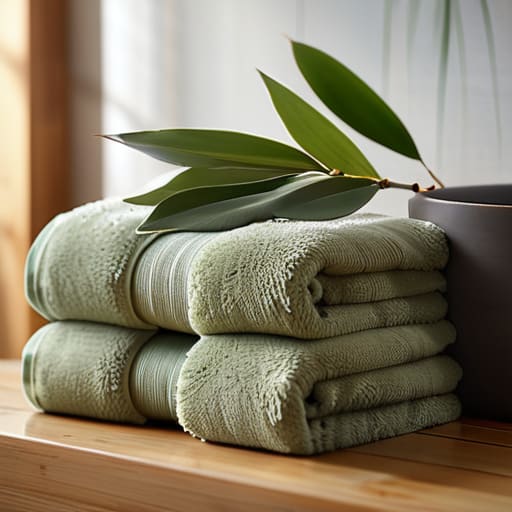
Blog

  • Why Bamboo Towels Are a Good Investment

    Why Bamboo Towels Are a Good Investment

    I spent thirty years in logistics, where if a part wasn’t durable, it was a liability. I bring that same mindset to my home, which is why it drives me up the wall to see people falling for the marketing fluff surrounding bamboo towels. You’ll see these high-end boutique brands charging a premium for “luxury” weaves that feel like silk for a week before they start fraying at the edges or losing their shape in the wash. Most of what you see on those glossy social media ads is just expensive marketing designed to separate fools from their hard-earned money.

    I’m not here to sell you on a lifestyle or a trend; I’m here to tell you what actually holds up under pressure. In this guide, I’m going to cut through the nonsense and tell you exactly what to look for in quality bamboo towels so you don’t end up replacing them every six months. I’ll cover the weight, the weave, and the practicalities of maintenance. My goal is simple: I want to help you buy it once and buy it well, ensuring your investment actually serves a purpose for years to come.

    Table of Contents

    Beyond the Trend Bamboo Fiber Softness That Endures
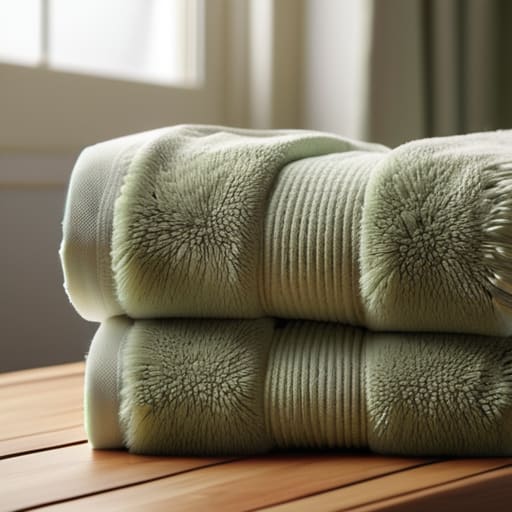
    Beyond the Trend Bamboo Fiber Softness That Endures

    Most people jump on the bamboo bandwagon because they saw a flashy advertisement, but I look at it from a different angle: longevity. When you compare bamboo vs cotton towels, the difference isn’t just about how they feel against your skin on day one; it’s about how they hold up after fifty washes. Cheap cotton tends to become scratchy and stiff once the fibers break down, but the natural structure of bamboo allows for a consistent bamboo fiber softness that actually improves over time. I’ve spent enough years managing logistics to know that if a product loses its primary function—in this case, comfort—it’s a failed investment.

    Furthermore, you have to consider the practical utility. I don’t care for things that look pretty but fail at the job. These linens possess excellent moisture wicking properties, meaning they do exactly what a towel is supposed to do without needing constant replacement. If you are looking for hypoallergenic bath linens that won’t irritate your skin or harbor odors, this is a sensible choice. It’s about buying a tool for your home that stays reliable, rather than something that ends up in a landfill by next season.

    The Real Value of Superior Moisture Wicking Properties
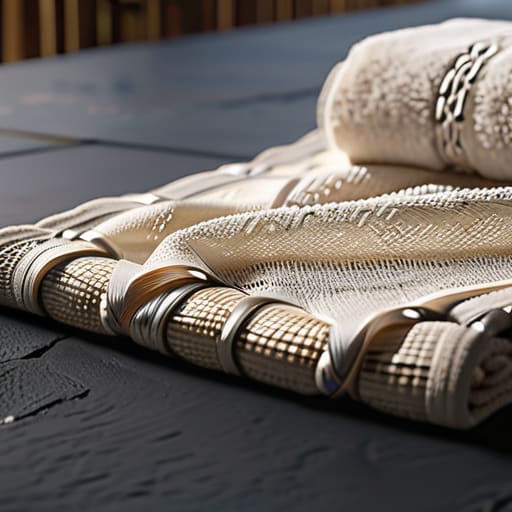
    The Real Value of Superior Moisture Wicking Properties

    I’ve spent enough time in logistics to know that efficiency isn’t just about speed; it’s about how a material performs under pressure. When you’re stepping out of a shower, you don’t want a heavy, sodden rag clinging to your skin. That’s where the moisture wicking properties of bamboo really set it apart from the standard cotton fare. Unlike those cheap, thirsty cotton towels that just move water around and stay damp for hours, bamboo pulls moisture away from the body and handles it far more effectively.

    If you look at the comparison of bamboo vs cotton towels, the difference in drying time is a matter of practical utility, not just luxury. A towel that stays wet is a breeding ground for mildew and odors—a waste of money and a nuisance in the bathroom. I prefer items that work as hard as they are supposed to. By choosing a material that breathes and dries quickly, you aren’t just buying a piece of fabric; you’re investing in hygiene and longevity. It’s a sensible choice for anyone tired of replacing damp, smelling linens every few months.

    How to Spot a Quality Towel Before You Open Your Wallet

    • Check the GSM, not the marketing fluff. Look for a weight between 500 and 700 GSM; anything lower is just a glorified rag that won’t absorb a drop of water, and anything higher is just going to take forever to dry.
    • Inspect the weave for consistency. A well-made bamboo towel should have a tight, uniform texture—if you see loose threads or uneven patches right out of the box, put it back on the shelf.
    • Demand transparency on the material blend. Some companies try to sneak in cheap polyester to pad the weight; make sure you’re getting high-percentage bamboo viscose or lyocell, otherwise, you’re just buying plastic.
    • Look for reinforced stitching on the edges. In my experience, the hems are always the first thing to fray, so if the edges don’t look sturdy and double-stitched, they won’t survive a dozen wash cycles.
    • Avoid anything wrapped in excessive, non-recyclable plastic. If a company can’t be bothered to package their goods responsibly, they probably didn’t put much thought into the quality of the fabric either.

    The Bottom Line on Bamboo Towels

    Stop replacing thin, fraying cotton every six months; bamboo fiber is a durable investment that holds its integrity through hundreds of wash cycles.

    Look past the marketing fluff and focus on the utility—the superior moisture absorption means you spend less time drying off and more time getting on with your day.

    Prioritize quality over a cheap price tag; a well-made bamboo towel is a functional tool for your home, not another piece of disposable junk destined for the landfill.

    The Cost of Cheap Cotton

    I’ve spent enough years managing supply chains to know when a company is cutting corners just to pad their margins; most towels are built to be replaced, but a proper bamboo towel is built to be kept.

    Hugo Steenkamp

    Making the Right Call for Your Home
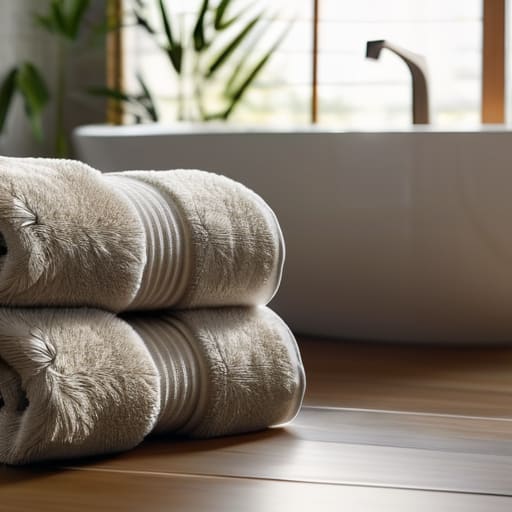
    Making the Right Call for Your Home.

    At the end of the day, choosing the right linens isn’t about following a lifestyle fad you saw on a social media feed. It’s about understanding the mechanics of what you’re bringing into your house. We’ve looked at how the structural integrity of bamboo fibers provides a level of softness that won’t degrade after three washes, and how that superior moisture-wicking capability actually makes the product more efficient. When you stop looking at the price tag of a cheap, disposable cotton towel and start looking at the long-term cost per use, the math becomes clear. Bamboo isn’t just a luxury; it is a sensible investment in durability that pays dividends every time you step out of the shower.

    I’ve spent my entire career looking at supply chains and material lifespans, and I can tell you that the “buy cheap, buy twice” mentality is a trap that keeps people wasting money. My advice is simple: stop settling for mediocrity. Fill your linen closet with items that serve a purpose and actually stand the test of time. When you choose quality over quantity, you aren’t just buying a towel; you are decluttering your life from the cycle of constant replacement. Buy it once, buy it well, and let your home be a place of substance rather than a collection of temporary fixes.

    Frequently Asked Questions

    How can I tell if a bamboo towel is actually high-quality or just cheap rayon masquerading as something better?

    Don’t let the marketing fool you; most of what you see on the shelf is just glorified rayon. Here’s the trick: check the weight and the weave. A quality bamboo towel should feel substantial in your hands, not flimsy or overly slippery like cheap synthetic fabric. If it feels like it’s going to pill after two washes, put it back. Look for a dense, tight weave that holds its shape even when damp.

    Are these towels actually durable enough to withstand frequent washing, or will they start fraying after a few months?

    Look, I’ve seen enough cheap cotton towels turn into linty rags after ten washes to know a bad investment when I see one. If you’re buying low-grade bamboo blends, they’ll fray. But if you invest in high-quality, long-staple bamboo fibers, they actually hold up better than standard cotton. They’re resilient. As long as you aren’t punishing them with heavy bleach or high-heat drying, they’ll stay sturdy and intact for years.

    Since I hate unnecessary waste, do these towels hold up well enough to justify the higher upfront cost compared to standard cotton?

    Look, I don’t care for flashy marketing, but I do care about math. When you factor in the lifespan of a cheap cotton towel versus a quality bamboo one, the choice is clear. Cotton loses its loft and starts feeling like sandpaper after a few dozen washes. Bamboo maintains its integrity. You’re paying more upfront to avoid the cycle of buying replacements every six months. To me, that’s not an expense; it’s a smart investment.
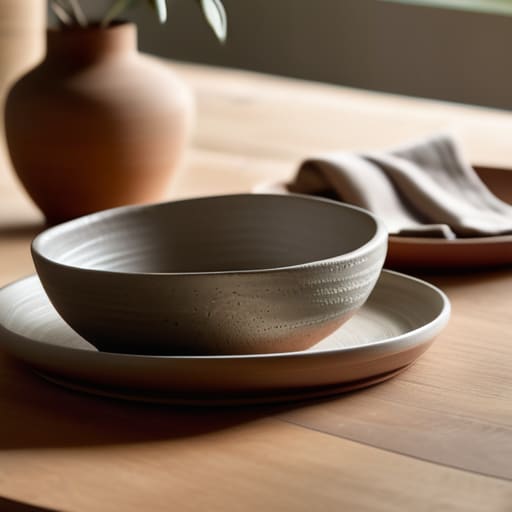
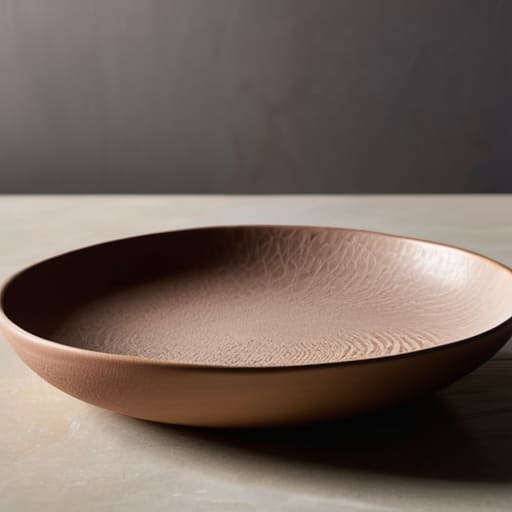
  • How to Select Quality Ceramic Dinnerware

    How to Select Quality Ceramic Dinnerware

    I was cleaning out my kitchen cabinets last week and found a stack of those flimsy, mass-produced plates I bought on a whim three years ago. One accidental bump against the sink and they were already showing hairline cracks and chipped edges. It’s the same nonsense I see everywhere lately: people spending a fortune on “designer” brands that look pretty in a photo but have the structural integrity of a biscuit. Most of the ceramic dinnerware hitting the shelves today is nothing more than disposable junk masquerading as home decor, designed to be replaced the moment a trend shifts.

    I’m not here to sell you on some overpriced, gold-rimmed set that you’re too afraid to actually use. My goal is to help you cut through the marketing fluff and find pieces that can actually handle a heavy Sunday roast or a frantic Tuesday night cleanup. I’m going to show you how to identify high-quality clay, the difference between glazes that last and those that peel, and how to invest in ceramic dinnerware that will still be on your table twenty years from now. Let’s stop wasting money and start buying things that last.

    Table of Contents

    Why Earthenware vs Stoneware Matters for a Lifetime

    Why Earthenware vs Stoneware Matters for a Lifetime

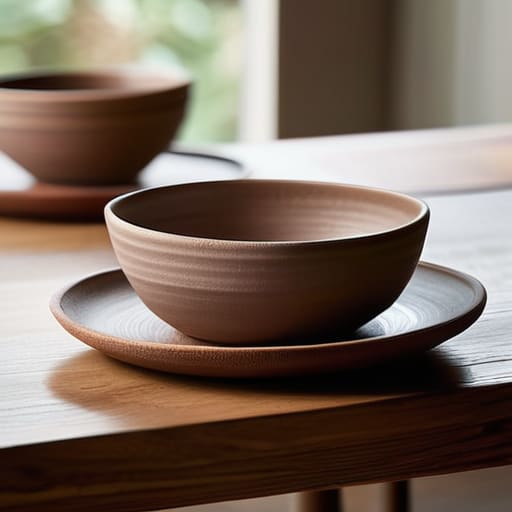
    When you’re standing in a shop looking at a shelf of plates, the labels often don’t tell the whole story. Most people don’t realize that the difference between earthenware vs stoneware isn’t just about how it looks, but how it holds up to a real life. Earthenware is lovely for a quick brunch, but it’s porous and fragile. If you’re looking for something that can handle the daily grind, you need to look for stoneware. It’s fired at much higher temperatures, making it denser and far more resistant to those annoying chips and cracks that plague cheaper sets.

    I’ve seen too many people buy a set of artisanal clay plates because they look pretty on a screen, only to find they can’t even survive a standard wash cycle. If you want a table that lasts decades, you want pieces that are truly dishwasher safe ceramics. Stoneware offers that much-needed durability without sacrificing the character of the piece. It’s about making a sensible choice: buy the denser, tougher material now, so you aren’t replacing your entire kitchen setup every three years.

    Selecting Luxury Tableware Sets That Defy the Trends

    When you’re looking at luxury tableware sets, don’t let the fancy marketing fool you. A high price tag doesn’t always mean quality; sometimes you’re just paying for a brand name and a lot of air. I look for pieces that possess a certain weight and substance. You want artisanal clay plates that feel solid in your hand, not those flimsy, mass-produced things that feel like they might crack if you look at them sideways. Look for depth in the color—that’s usually a sign of superior pottery glaze techniques rather than a cheap, sprayed-on finish.

    True value lies in the intersection of beauty and utility. I have no interest in a set that looks stunning in a magazine but requires a delicate touch every time you use it. If it isn’t dishwasher safe ceramics, it’s going to end up gathering dust in a cupboard because nobody has the time for hand-washing every single meal. Aim for a minimalist dining decor approach. By choosing neutral tones and sturdy builds, you ensure your table looks just as relevant twenty years from now as it does today.

    Five Rules for Buying Plates That Won't End Up in a Landfill

    • Check the weight and density. If a plate feels light and hollow like a cheap saucer, it’s going to crack the moment you stack it too high or drop a heavy fork. You want something with substance that feels anchored to the table.
    • Look for high-fired glazes. A good glaze isn’t just for looks; it’s the seal that keeps moisture from seeping into the clay. If the glaze looks thin or uneven, that piece will eventually absorb food odors and harbor bacteria.
    • Test for microwave and dishwasher compatibility before you commit. I don’t care how beautiful a set is if you can’t use it for a Tuesday night leftovers or clean it without a hand-wash ritual. If it can’t handle the heat of daily life, it’s just decoration.
    • Avoid overly intricate, hand-painted patterns that look like they belong in a museum. Trends in color and motif change every season. Stick to solid colors or subtle, classic textures that will still look dignified when you’re hosting a dinner ten years from now.
    • Inspect the rim and the foot. Run your finger along the edge of the plate; if it feels jagged or poorly finished, it’s a sign of rushed manufacturing. A well-made piece should have smooth, intentional edges that won’t chip during a standard wash cycle.

    The Bottom Line on Building a Lasting Table

    Prioritize stoneware over earthenware if you want pieces that can actually handle daily use without chipping or cracking the moment things get busy in the kitchen.

    Ignore the flashy, patterned sets that look good in a magazine but feel flimsy in your hands; look for weight, thickness, and a finish that feels substantial.

    View your dinnerware as a long-term investment rather than a seasonal purchase, because buying quality once is far cheaper than replacing cheap junk every single year.

    The True Cost of Cheap Plates

    “I’ve spent enough years in logistics to know that the cheapest option is almost always the most expensive in the long run. If you’re buying ceramic dinnerware that chips the first time a guest sets it down, you haven’t saved money—you’ve just wasted it on something that was destined for the landfill.”

    Hugo Steenkamp

    The Bottom Line on Your Tableware

    The Bottom Line on Your Tableware.

    At the end of the day, choosing the right ceramic dinnerware comes down to understanding what you’re actually paying for. We’ve looked at why the distinction between earthenware and stoneware is vital for durability, and why you should ignore those flashy, seasonal patterns in favor of pieces that possess real substance. If you prioritize high-quality materials and a design that won’t look dated by next Christmas, you aren’t just buying plates; you are investing in your home. Don’t let a salesperson talk you into a set that looks good under showroom lights but chips the first time a fork hits it. Stick to the tried-and-true methods of quality assessment we’ve discussed here.

    My advice is simple: stop treating your kitchen like a revolving door for disposable goods. Every time you replace a cheap, poorly made set because it cracked or faded, you are throwing money into a landfill. Instead, take the time to find those few, exceptional pieces that can handle the rigors of daily use and still look dignified when you have guests over. Build a collection that tells a story of stability rather than one of constant replacement. When you buy it once and buy it well, you reclaim your time, your money, and your peace of mind. Make it count.

    Frequently Asked Questions

    How can I tell if a ceramic plate is actually dishwasher safe or if the glaze will eventually crack and peel?

    Look, don’t just trust the sticker on the bottom; manufacturers love a good marketing claim. The real test is the glaze. Check for a smooth, glass-like finish without tiny pinholes or uneven patches. If the glaze looks “pitted,” that’s a structural weakness waiting to fail in a hot dishwasher. I always look for high-fired stoneware. If it feels heavy and sounds like a solid “clink” rather than a dull thud when tapped, it’ll hold up.

    Is there a real difference in durability between high-end stoneware and the cheaper sets you find at big-box retailers?

    There’s a massive difference, and it comes down to how they’re fired. Those big-box sets are often thin, porous, and prone to chipping the moment they hit a sink. High-end stoneware is fired at much higher temperatures, creating a denser, more vitrified body that can actually handle a dishwasher and a heavy meal. You’re paying for structural integrity, not just a brand name. Don’t settle for something that’ll be in a landfill by next year.

    What is the best way to repair a small chip in a piece I actually want to keep using?

    If it’s a chip you can live with, don’t toss it. For a small nick, you can use a food-safe ceramic repair kit—the kind that uses a resin filler. Sand it smooth once it sets, and it’ll blend in well enough that you won’t notice it during dinner. Just avoid those cheap glues; they aren’t meant for heat or washing. If it’s a deep crack, though, leave it alone. That’s a structural failure, not a cosmetic one.

  • Useful Birthday Gift Ideas for Men

    Useful Birthday Gift Ideas for Men

    I’ve spent thirty years in logistics, where I learned exactly how much a poorly made product costs a person in the long run. Most people today treat shopping like a disposable habit, scrolling through endless feeds of cheap, flimsy gadgets that are destined for a landfill before the year is out. When it comes to finding birthday gifts for men, the market is unfortunately flooded with this exact kind of meaningless clutter. It’s frustrating to see people waste hard-earned money on items that lack any real substance or structural integrity.

    I’m not interested in chasing whatever fleeting trend is currently being pushed by an algorithm. Instead, I want to help you cut through the noise and find something that actually holds its own. In this list, I’ve narrowed it down to five specific items that represent true utility and longevity. These aren’t just more things to fill a drawer; they are investments in quality that will actually serve a purpose long after the birthday celebrations are over. If you want to give a gift that stands the test of time, you’ve come to the right place.

    Table of Contents

    A Cast Iron Skillet That Outlives Us All

    A Cast Iron Skillet That Outlives Us All

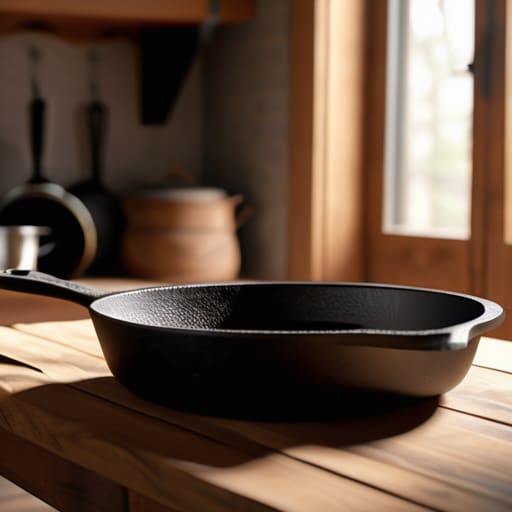
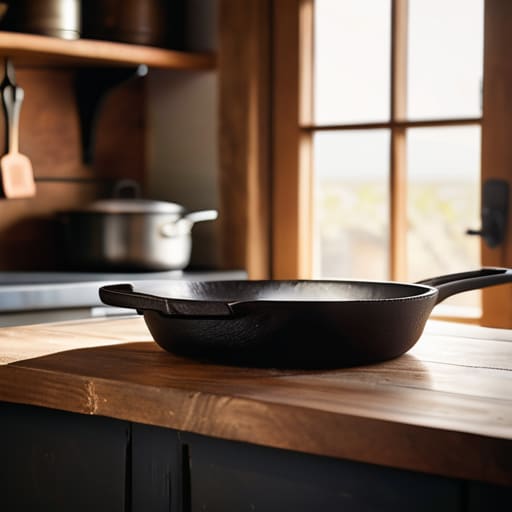
    Most people today are content with buying a non-stick pan that starts peeling after six months of heavy use. It’s a waste of money and a waste of landfill space. If you want to give a man a gift that actually carries weight, get him a heavy-duty cast iron skillet. There is something deeply satisfying about the heft of real iron in your hand; it’s a tool, not a disposable kitchen gadget.

    Full-Grain Leather Goods

    Durable Full-Grain Leather Goods for gifting.

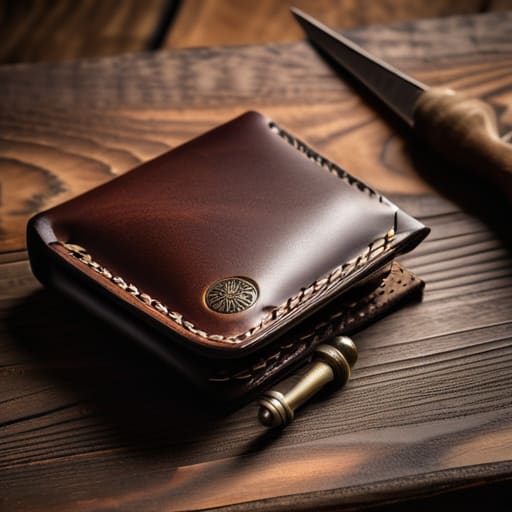
    I see far too many “genuine leather” wallets and belts in shops these days, which is really just a marketing term for low-quality split leather coated in plastic. It cracks, it peels, and it looks pathetic within a year. If you’re looking for a birthday gift, skip the synthetic nonsense and find something made of full-grain leather. It’s the toughest, most natural part of the hide, and it’s built to take a beating.

    High-Quality Mechanical Timepieces

    High-Quality Mechanical Timepieces with intricate gears.

    We live in an era of smartwatches that become obsolete the moment a new software update is released. It’s a ridiculous cycle of planned obsolescence that serves no one. Instead, consider a classic mechanical wristwatch. There is a profound sense of engineering in a machine that runs on gears and springs rather than a lithium battery and a silicon chip.

    Solid Wood Tool Handles

    Whether he spends his weekends in the garage or tending to a garden, he needs tools that won’t snap when the work gets tough. I’ve spent enough time restoring old equipment to know that the difference between a cheap tool and a professional one often comes down to the handle. Look for items featuring hardwood handles, like hickory or ash, which offer the necessary shock absorption and strength.

    Heavyweight Canvas Workwear

    Clothing has become far too flimsy in recent years, with most brands prioritizing “comfort” through thin, synthetic fabrics that tear at the first sign of real labor. If you want to give a gift that serves a practical purpose, look for heavyweight duck canvas jackets or trousers. This material was designed for people who actually do things with their hands, not people who just want to look the part.

    The Bottom Line on Buying Better

    Stop chasing the latest gadget craze; if it’s made of cheap plastic and won’t be repairable in a year, it isn’t a gift, it’s just more future landfill.

    Look for materials that develop character over time—leather, steel, and solid wood are always better investments than anything synthetic.

    A good gift should serve a practical purpose in his daily life, proving that utility and quality are the true markers of a meaningful present.

    On the Value of a Real Gift

    Most people treat birthdays like an excuse to clear out their junk drawers or buy something flashy that’ll end up in a landfill by next year. If you’re going to give a man a gift, give him something with weight to it—something that serves a purpose and earns its place in his life for the next twenty years.

    Hugo Steenkamp

    Buy Once, Buy Well

    At the end of the day, finding the right birthday gift shouldn’t be about scrolling through endless pages of colorful, plastic-wrapped nonsense that will end up in a landfill by next year. Whether you decided to go with a high-quality tool, a piece of timeless leather goods, or a reliable piece of home equipment, the principle remains the same: you are looking for substance over flash. We’ve looked at items that serve a functional purpose and, more importantly, items that are built to withstand the test of time. When you stop chasing the latest gadget craze and start looking for durability and utility, you aren’t just buying a gift; you’re investing in something that actually matters.

    My advice to you is simple: don’t let the pressure of a deadline push you into buying something mediocre just to check a box. A gift is a reflection of how much you respect the person receiving it. When you give a man something that he can use every single day for the next decade, you are giving him something truly meaningful. Stop settling for the disposable culture that defines most modern shopping. Choose the item that has weight, character, and a story to tell. If you buy it once and buy it well, you’ve done more than just celebrate a birthday—you’ve honored a standard of quality that deserves to exist.

    Frequently Asked Questions

    How can I tell if a leather item is actually high-quality or just cheap corrected grain?

    Look, don’t let a shiny finish fool you. If it looks too perfect, it’s probably fake. Real, high-quality leather has character—tiny pores and slight irregularities. Grab a drop of water; if it beads up and stays, it’s likely coated junk. If it absorbs slightly, you’re looking at something real. Most importantly, smell it. If it smells like chemicals or plastic, put it back. Real leather has a deep, earthy scent that doesn’t go away.

    Is it worth spending more on a tool brand that offers a lifetime warranty?

    In my thirty years in logistics, I learned one thing: the cheapest option is almost always the most expensive in the long run. If a tool comes with a lifetime warranty, you aren’t just paying for the steel or the handle; you’re paying for the peace of mind that it won’t end up in a landfill next year. Buy the brand that stands behind its work. It’s an investment, not an expense.

    Where can I find gifts that are useful but don't come wrapped in mountains of unnecessary plastic?

    Look for independent retailers or specialized heritage brands. Most of the big-box stores rely on massive amounts of plastic film because it’s cheap and easy for their logistics, but it’s a headache for the rest of us. I tend to stick to small businesses or companies that prioritize sustainable, paper-based packaging. If a brand actually cares about the quality of the item they’re selling, they usually care about how it arrives at your door, too.

  • The Appeal of Handmade Ceramic Mugs

    The Appeal of Handmade Ceramic Mugs

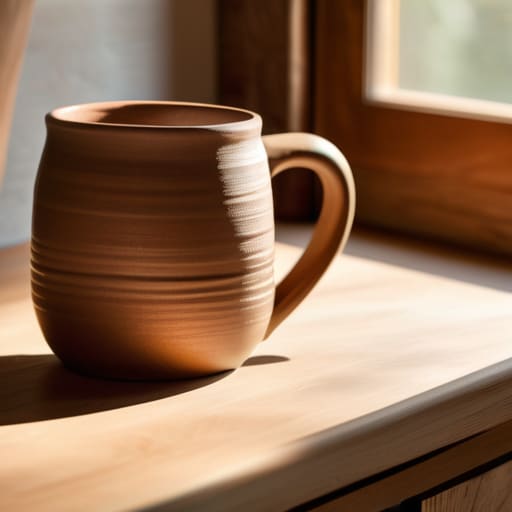
    I was out in the workshop the other morning, cleaning a set of vintage chisels, when I realized I’d gone through more than a dozen flimsy, mass-produced cups in the last three years alone. It’s ridiculous. You walk into any big-box store and they try to sell you these thin, overpriced ceramic mugs that look fancy on a shelf but feel like they’ll shatter if you look at them wrong. They’re designed to be replaced, not used. I spent thirty years in logistics, and if there’s one thing I learned, it’s that planned obsolescence is a scam designed to keep your wallet empty and your cupboards full of junk.

    I’m not here to talk about which colors are trending on social media or which brand has the prettiest logo. That’s a waste of your time. Instead, I’m going to show you how to identify a piece of stoneware that actually has some heft and integrity. I’ll tell you exactly what to look for in terms of glaze, weight, and heat retention so you can stop the cycle of constant replacement. We’re going to find you a few reliable vessels that you can use every single morning for the next twenty years.

    Table of Contents

    The Enduring Strength of Stoneware vs Porcelain Mugs

    The Enduring Strength of Stoneware vs Porcelain Mugs

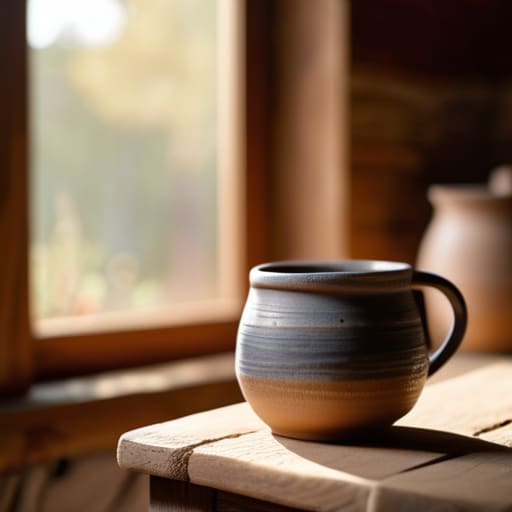
    When you’re looking at the shelf, it’s easy to get distracted by how shiny or thin a piece looks, but you need to look deeper. In my experience, the debate of stoneware vs porcelain mugs comes down to one thing: durability. Porcelain is fine if you want something delicate for a display cabinet, but it’s prone to chipping if you aren’t handling it like a piece of fine art. If you want a vessel that can actually handle the rigors of a daily morning routine, stoneware is the way to go. It’s fired at higher temperatures, making it denser and far more resistant to the thermal shock that kills cheaper alternatives.

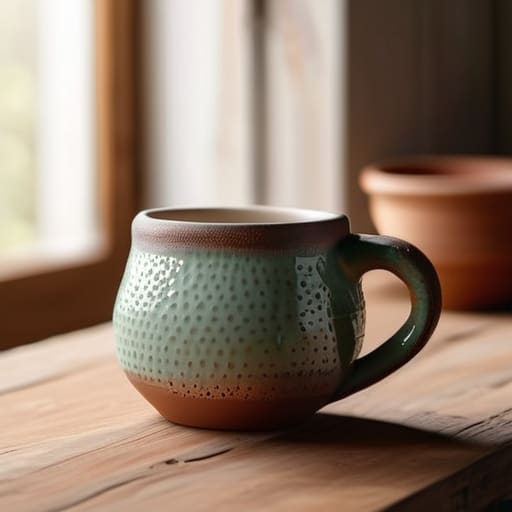
    I’ve always preferred pieces that show a bit of character, often found through hand-thrown pottery techniques. Stoneware has a weight and a grit to it that makes you feel like you’re holding something substantial, not some hollow piece of junk. Plus, most of these heavier pieces are reliably microwave safe ceramics, meaning you can actually reheat your coffee without worrying about the glaze crazing or the handle snapping off. It’s about buying something that survives the dishwasher and the occasional bump on the counter.

    Mastering Unique Coffee Cup Aesthetics That Last

    Mastering Unique Coffee Cup Aesthetics That Last

    When it comes to picking a cup, don’t get blinded by those flashy, mass-produced designs that look good in a social media photo but feel like nothing in your hand. I’ve seen enough “designer” junk to know that true character comes from hand-thrown pottery techniques. When a piece is shaped by a person rather than a machine, you can feel the slight irregularities that give it soul. Look for pieces where the weight is balanced and the rim feels intentional. That is where you find unique coffee cup aesthetics that actually hold their charm decade after decade, rather than becoming obsolete the moment a new trend hits the market.

    Pay close attention to the finish, too. I’m partial to deep, earthy pottery glazing styles that hide the inevitable wear and tear of daily use. A well-applied glaze isn’t just about color; it’s about durability. You want something that feels substantial, not a thin-walled vessel that feels like it might shatter if you set it down a little too firmly on the granite. If you’re going to invest your hard-earned money, make sure the aesthetic serves the function. A cup should be a tool you enjoy using every single morning, not a fragile ornament gathering dust.

    Five Rules for Buying Mugs That Won't End Up in a Landfill

    • Check the weight and balance before you commit. A quality mug should have a substantial feel in your hand, not a hollow, lightweight sensation that screams “mass-produced plastic-imitation.”
    • Inspect the glaze for imperfections. You want a smooth, even finish that isn’t prone to crazing—those tiny cracks that start appearing after a few washes and eventually lead to a broken cup.
    • Prioritize ergonomic handles. I’ve seen too many “trendy” mugs with handles so small you can barely get two fingers through; if it isn’t comfortable to hold during a long morning, it isn’t worth the space in your cupboard.
    • Look for microwave and dishwasher safety as a standard, not an afterthought. If a piece of stoneware can’t handle the basic rigors of a modern kitchen, it’s just a decorative dust-collector.
    • Avoid “sets” sold in bulk. Most people don’t need twelve identical, mediocre cups. Buy two or three exceptional pieces that you actually enjoy using; it’s better for your wallet and much better for the planet.

    The Bottom Line on Buying Better

    Prioritize weight and material; a heavy stoneware mug isn’t just a preference, it’s a guarantee of durability that porcelain simply can’t match.

    Ignore the seasonal patterns and “limited edition” gimmicks; stick to classic textures and solid colors that won’t look dated by next Christmas.

    Calculate the true cost over time—buying one $25 mug that survives a decade is far more sensible than replacing a $5 flimsy cup every few months.

    The Cost of Cheap Ceramics

    “I’ve spent enough time in logistics to know that the cheapest option usually ends up being the most expensive one in the long run. When you buy a flimsy, mass-produced mug just because it was on sale, you aren’t saving money—you’re just paying for the privilege of buying another one when the first one inevitably cracks.”

    Hugo Steenkamp

    Making the Right Choice for Your Kitchen

    Making the Right Choice for Your Kitchen

    At the end of the day, choosing a ceramic mug isn’t about following a design trend you saw on a social media feed; it’s about understanding what you’re actually bringing into your home. We’ve looked at why heavy-duty stoneware is often a better bet for daily survival than delicate porcelain, and how a timeless aesthetic will still look good on your shelf ten years from now. Don’t get distracted by flashy, low-quality imitations that promise style but deliver nothing but fragility and waste. If you prioritize material integrity and a functional design, you won’t find yourself replacing a chipped, poorly made cup every few months. Invest in substance over style.

    I’ve spent my career looking at supply chains and seeing exactly how much junk gets manufactured just to be thrown away. It’s a waste of money, a waste of resources, and quite frankly, it’s a waste of your time. When you sit down with your morning coffee, you deserve a vessel that feels substantial and reliable in your hands. Stop settling for the disposable culture that tells you everything is replaceable. Instead, pick out a few pieces that are built to endure, and let them become a permanent part of your daily ritual. Buy it once, buy it well, and make it count.

    Frequently Asked Questions

    Is it worth the extra money to buy handmade pottery instead of something from a big-box retailer?

    Look, if you’re just looking for a vessel to hold liquid, a big-box mug will do the job. But if you want something that actually has character and won’t feel like a disposable piece of plastic, go with the handmade pottery. You aren’t just paying for a name; you’re paying for the weight, the texture, and the fact that a real person put intention into it. It’s an investment in something that lasts.

    How can I tell if a glaze is actually food-safe and won't chip off into my coffee after a few months?

    Don’t just take the manufacturer’s word for it; look for the details. A high-quality, food-safe glaze should be vitrified, meaning it’s been fired at such a high temperature that it’s become non-porous and fused to the clay. If the surface feels pitted or “crazed” with tiny cracks, walk away. Those cracks are breeding grounds for bacteria and a sign the glaze will eventually flake into your drink. Stick to reputable potters who explicitly certify their glazes as lead-free and food-safe.

    Are these heavy-duty ceramic mugs actually safe to use in a microwave and dishwasher, or will they crack?

    Look, I’ve seen enough cheap kitchenware end up in a landfill to know that “convenience” usually comes at a cost. If you’re buying high-quality, heavy-duty stoneware, it should handle a dishwasher and microwave without breaking a sweat. Just ensure they are properly vitrified—that’s the technical term for being fired at high enough temperatures to become non-porous. If they aren’t, they’ll absorb moisture and eventually crack. Stick to the real stuff; it’s built for daily use.

  • Useful Smart Home Gadgets for Daily Convenience

    Useful Smart Home Gadgets for Daily Convenience

    I spent thirty years in logistics, where “efficiency” meant something tangible—a well-maintained truck or a streamlined warehouse, not a piece of plastic that requires a software update just to turn on a lightbulb. Lately, it seems like every advertisement is trying to convince you that you can’t live a modern life without a dozen different smart home gadgets cluttering your counters and draining your bank account. Most of this tech is nothing more than overpriced junk designed to break the moment the manufacturer stops supporting the app. I’ve seen enough “innovations” end up in a landfill to know that if a device doesn’t solve a real problem, it’s just more expensive clutter.

    I’m not here to tell you to live like a hermit or avoid technology altogether. My goal is to help you cut through the marketing nonsense and identify the few tools that actually earn their keep. I will only discuss items that offer genuine utility and, more importantly, have the staying power to remain useful for years, not months. If it’s a fleeting trend that serves no purpose, I’m telling you to keep your money in your pocket.

    Table of Contents

    Building a Robust Smart Home Ecosystem Setup

    Building a Robust Smart Home Ecosystem Setup

    Most folks make the mistake of buying a handful of random, disconnected pieces of tech and calling it a “smart home.” That’s not a system; that’s just a collection of expensive clutter. If you want actual utility, you need to focus on a cohesive smart home ecosystem setup from the very beginning. I’ve spent my career looking at how parts move through a system, and the principle is the same here: if the components don’t talk to each other, the whole thing is broken. You want devices that integrate seamlessly so you aren’t jumping between ten different apps just to dim the lights or check a sensor.

    Don’t get distracted by the flashy, cheap trinkets. Instead, prioritize the backbone of your home. Start with reliable voice controlled assistants and robust networking to ensure your signal doesn’t drop when you actually need it. Once the foundation is solid, look toward energy efficient smart appliances and security that offers real peace of mind rather than just a notification on your phone. Build it with intention, or don’t bother building it at all.

    Smart Security Cameras Built for Longevity

    Smart Security Cameras Built for Longevity.

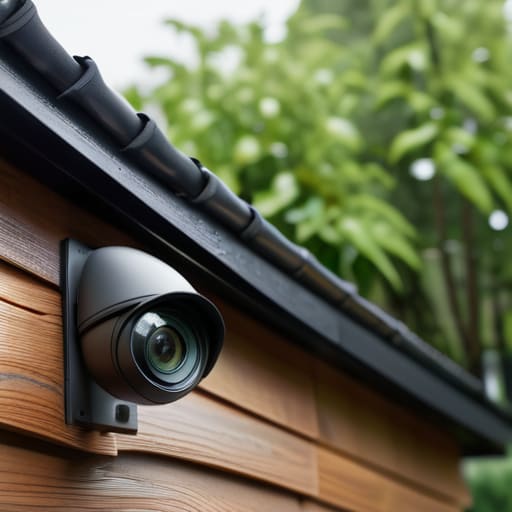
    Most people treat security cameras like a smartphone—they buy the latest shiny model, and two years later, it’s a paperweight because the software stopped updating. That is a waste of hard-earned money. When I look at smart security cameras, I’m not interested in fancy facial recognition that fails every time the sun hits the lens. I want hardware with a solid build, weather-resistant casing, and a reliable connection that doesn’t drop the moment your Wi-Fi hiccups.

    If you are going to integrate these into your smart home ecosystem setup, make sure they are designed to stay put. I prefer systems that offer local storage options rather than forcing you into a perpetual, expensive monthly subscription just to view your own footage. A camera is a tool for peace of mind, not another monthly bill to manage. Look for industrial-grade components and clear, wired options if you can manage the installation. It’s better to spend a bit more upfront on a system that won’t require a complete overhaul by next season.

    Five Rules for Not Wasting Money on Smart Junk

    • Prioritize interoperability over flashy features. If a device only works with one specific, closed-off app, it’s a paperweight waiting to happen. Look for things that support universal standards like Matter or Thread so you aren’t locked into a single manufacturer’s ecosystem.
    • Avoid the “subscription trap” at all costs. I’ve seen too many companies sell a perfectly good piece of hardware only to hide the actual functionality behind a monthly fee. If you have to pay every month just to see your own front door, walk away.
    • Demand physical reliability. A smart light switch is useless if the internal relay is made of cheap plastic that fails after a hundred clicks. Invest in hardware that feels substantial in your hand; if the build quality is shoddy, the software won’t save it.
    • Keep your data local whenever possible. I don’t want my thermostat or my locks relying entirely on a server halfway across the world just to function. Aim for devices that can run on your local network so they still work when the internet decides to take a nap.
    • Think about the “obsolescence cycle.” Before you plug anything in, ask yourself if this device will be functional in five years. If it’s a gadget that relies on a trend that will be gone by next season, leave it on the shelf and save your hard-earned money.

    The Bottom Line on Smart Tech

    Stop buying gadgets just because they have a flashy app; if a device doesn’t solve a specific, recurring problem in your daily routine, it’s just more expensive clutter.

    Prioritize interoperability by choosing systems that work together, rather than collecting a dozen different brands that won’t talk to each other in two years.

    Look for hardware with physical durability and replaceable components, because a “smart” device is useless the moment a single cheap plastic part fails.

    The Cost of Convenience

    Most people treat smart technology like a disposable toy, buying the cheapest gadget they can find on a whim. But if a device isn’t built to integrate seamlessly and last for years, you aren’t buying a tool—you’re just buying more future landfill.

    Hugo Steenkamp

    Final Thoughts on a Purposeful Smart Home

    Final Thoughts on a Purposeful Smart Home.

    At the end of the day, building a smart home isn’t about collecting every shiny new toy that hits the market. We’ve talked about the importance of a cohesive ecosystem and the necessity of choosing security hardware that won’t end up in a landfill by next season. It comes down to the same principle I applied to logistics for thirty years: efficiency and reliability. If a gadget doesn’t solve a genuine problem or simplify your daily routine, it’s just expensive clutter. Don’t let yourself get swept up in the marketing hype; focus on investing in utility rather than novelty.

    My advice is simple: take a breath before you click “buy” on that next piece of tech. Ask yourself if it’s built to last and if it actually serves a function in your household. A home should be a sanctuary of order and usefulness, not a graveyard for disposable plastic and broken software. When you choose to buy well, you aren’t just saving money in the long run—you are curating a life of substance and stability. Buy it once, buy it right, and let your home work for you, not the other way around.

    Frequently Asked Questions

    How do I know if these smart devices will actually work with my existing setup five years from now, or if they're just going to become expensive paperweights?

    Look for devices that support universal standards like Matter or Thread. In my logistics days, we relied on standardized protocols so parts would always fit; your home should be no different. If a company forces you into a closed, proprietary system, run the other way. They’ll likely pull the plug on their servers in a few years, leaving you with nothing but expensive plastic. Buy into open ecosystems, or you’re just buying junk.

    Is it worth spending more on high-end smart tech, or am I just paying for a fancy brand name instead of actual durability?

    Look, I’ve seen enough supply chain shortcuts to know the difference between a premium build and a marketing gimmick. You aren’t just paying for a logo; you’re paying for better components—metal instead of cheap plastic, and stable software instead of buggy code that crashes every week. If a device is half the price, it’s likely built to be replaced in eighteen months. Buy the higher-end gear. It’s cheaper to buy one good tool once than to keep replacing junk.

    What's the best way to ensure these gadgets don't become a security headache or a privacy nightmare in my own home?

    Look, if you’re bringing internet-connected devices into your house, you have to treat your digital front door with the same respect as your physical one. Don’t just plug and play. Set up a separate guest network specifically for your gadgets so they stay isolated from your personal computers and banking info. More importantly, stop using default passwords. If a device doesn’t offer robust two-factor authentication, it isn’t worth the space on your shelf.

  • How to Choose a Coffee Maker

    How to Choose a Coffee Maker

    I spent thirty years in logistics, so I know exactly what happens when a supply chain is built on cheap, disposable components: everything eventually falls apart. Lately, I’ve been seeing the same pattern in your kitchen. You walk into a store, see a shiny new gadget with twenty different buttons and a touchscreen, and think you’re buying quality. You aren’t. Most of those high-priced machines are nothing more than planned obsolescence wrapped in plastic. If you’re looking for a real coffee maker guide that doesn’t involve marketing fluff or expensive nonsense, you’ve come to the right place. I’m tired of seeing perfectly good kitchens cluttered with electronic junk that’s destined for a landfill by next year.

    I’m not here to sell you on the latest trend or some over-engineered contraption that requires a software update just to brew a cup of joe. My promise to you is simple: I will show you how to identify equipment that is built to last. We are going to focus on sturdy materials, mechanical reliability, and machines that actually serve a purpose without wasting your hard-earned money. Let’s cut through the noise and find you something that will still be working long after the “smart” gadgets have quit.

    Table of Contents

    Choosing Best Coffee Brewing Equipment That Truly Endures

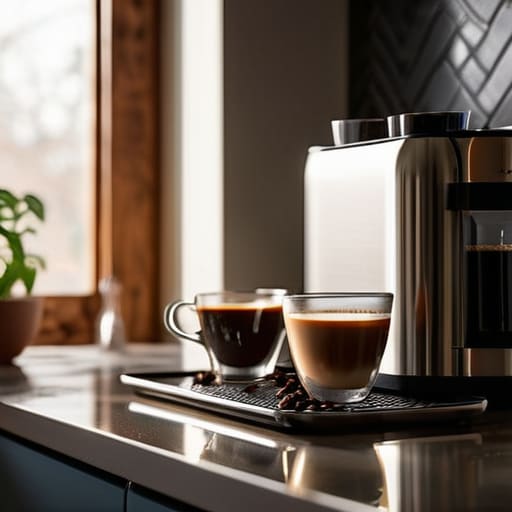
    When you start looking at the market, you’ll see a mountain of plastic gadgets designed to look sleek on a countertop but destined for a landfill within two years. If you want to invest in the best coffee brewing equipment, you have to look past the marketing fluff and inspect the build quality. I always tell people to look for stainless steel, heavy-duty glass, or cast iron. If a machine feels light and hollow in your hands, it’s going to fail you when you need it most.

    The real debate usually boils down to automatic drip vs pour over methods. An automatic machine offers convenience, but you’ll want one with a metal heating element that won’t corrode. On the other hand, a manual pour-over setup is nearly indestructible because there are simply no electronic parts to fry. I prefer the latter; there’s a certain satisfaction in a tool that requires a bit of skill but offers zero mechanical failures. Regardless of which path you take, prioritize simplicity. A tool that is easy to clean and easy to repair is the only way to ensure your morning ritual stays consistent for decades.

    Automatic Drip vs Pour Over Finding Your Permanent Ritual

    Automatic Drip vs Pour Over Finding Your Permanent Ritual

    When you’re weighing automatic drip vs pour over, you aren’t just choosing a way to make caffeine; you’re deciding how much friction you want in your morning routine. An automatic drip machine is the choice for the person who values efficiency and consistency without the fuss. If you go this route, don’t buy some flimsy, plastic contraption with a thousand unnecessary buttons. Look for a machine with a thermal carafe and metal heating elements—things that can actually be repaired rather than replaced.

    On the other hand, if you have the patience, a pour over setup is the ultimate way to master your home barista essentials. It requires a bit more discipline and a decent grinder to get the right texture, but the control you gain over the extraction is unmatched. It’s a tactile, intentional process that turns a chore into a ritual. Whether you prefer the push-button ease of a machine or the manual precision of a dripper, my advice remains the same: invest in high-quality components that won’t need to be tossed in the bin after a year of heavy use.

    Five Rules for Buying a Machine That Won't Quit on You

    Five Rules for Buying a Machine That Won't Quit on You
    • Look for metal and glass, not plastic. If the main body of the machine feels like a lightweight toy, it’s going to crack or warp within a year. I want to see stainless steel and heavy-duty glass—materials that can handle heat without degrading.
    • Prioritize repairability over convenience. Before you pull the trigger on a purchase, check if you can actually buy replacement parts. A machine that is “sealed” and impossible to open is just future landfill waiting to happen.
    • Avoid the “smart” gadget trap. I don’t need a coffee maker that connects to my Wi-Fi or requires a software update just to brew a cup. Every extra circuit board and digital screen is just one more thing that can short out and render the whole unit useless.
    • Check the footprint and the build. A sturdy machine should have weight to it. If it slides across your counter every time you press a button, the internal components are likely flimsy. You want something that sits solid and stays put.
    • Demand simplicity in design. The fewer moving parts and complex electronic interfaces a machine has, the longer it will serve you. A well-built manual brewer or a straightforward drip machine will outlast any high-tech monstrosity every single time.

    The Bottom Line on Your Morning Brew

    Stop looking at the shiny digital displays and start looking at the materials; if it’s mostly cheap plastic, it’s designed to be thrown away, so stick to stainless steel, glass, or ceramic.

    Don’t get blinded by “smart” features that require a Wi-Fi connection to boil water; a simple, manual process is much harder to break and much easier to repair.

    Calculate the cost over five years, not the price on the tag today; a slightly more expensive machine that lasts a decade is a bargain compared to replacing a cheap one every single year.

    ## The Cost of Cheap Convenience

    “A coffee maker shouldn’t be a disposable gadget you replace every time a plastic gear snaps; it should be a piece of equipment that becomes a reliable part of your morning ritual for decades.”

    Hugo Steenkamp

    Making the Right Call

    Making the Right Call for coffee makers.

    At the end of the day, choosing a coffee maker isn’t about finding the flashiest gadget on a social media feed; it’s about deciding what belongs on your kitchen counter for the next decade. Whether you decide on the reliable simplicity of a pour-over or the consistent efficiency of a high-quality drip machine, the goal remains the same: avoid the plastic junk. Look for build quality over bells and whistles and prioritize materials like stainless steel or heavy glass that won’t crack under pressure. If you focus on the mechanics and the durability of the components, you’ll find that you aren’t just buying a way to make caffeine—you are investing in a reliable piece of equipment that won’t be sitting in a landfill by next year.

    My advice is simple: stop chasing the latest trend and start building a kitchen that reflects stability. There is a quiet satisfaction in knowing that the tools you use every single morning are built to endure, just like the vintage hand planes I spend my afternoons restoring. When you buy something well, you stop worrying about replacements and start focusing on the ritual itself. Don’t settle for disposable culture. Buy it once, buy it right, and let your morning coffee be a testament to sensible, lasting quality.

    Frequently Asked Questions

    Is it actually worth paying more for a stainless steel machine when the plastic ones seem to do the job just fine?

    Look, I’ve seen enough supply chain failures to know that “cheap” is usually the most expensive way to buy something. Those plastic machines might work fine for a few months, but plastic degrades, cracks, and leaches flavors into your coffee over time. If you want a machine that stays on your counter for a decade rather than a season, pay the premium for stainless steel. It’s sturdier, easier to clean, and won’t end up in a landfill by next year.

    How do I know if a coffee maker is easy to repair, or am I just buying a future piece of landfill?

    Look for machines with modular designs and accessible screws, not those held together by proprietary glue or snap-on plastic tabs. If you can’t open the casing without breaking a clip, it’s junk. I always check if the manufacturer sells replacement heating elements, gaskets, or even just a simple carafe. If the company doesn’t stock spare parts, they aren’t selling you a coffee maker; they’re selling you a future piece of landfill.

    Which brewing method is most efficient for someone who wants a good cup without a mountain of disposable filters to throw away?

    If you want to avoid a mountain of waste, skip the paper filters and go with a French Press or a stainless steel mesh pour-over. I can’t stand seeing those bleached paper filters piling up in the bin every single morning. A heavy-duty French Press is a workhorse; it’s simple, there are no disposables involved, and if you treat the glass with a bit of respect, it’ll serve you for decades.

  • Choosing Quality Linen Bedding for Your Bedroom

    Choosing Quality Linen Bedding for Your Bedroom

    I spent thirty years in logistics, where if a part wasn’t built to last, it was a waste of company money. I see that same waste happening in your bedroom every single day. You go into a store, see some glossy advertisement, and walk away with a set of high-thread-count cotton sheets that feel like silk for a month before they pill, thin out, and end up in a landfill. It’s a ridiculous cycle. People think they need to chase the latest “luxury” fabric trends, but they’re just buying disposable junk. If you want something that actually stands the test of time, you need to stop looking at the marketing fluff and start looking at linen bedding.

    I’m not here to sell you on a lifestyle aesthetic or tell you how “dreamy” your bedroom will look on a social media feed. I’m here to tell you how to buy something once and never buy it again. I’ve done the legwork to separate the genuine, heavy-duty flax from the cheap, processed imitations. I’ll show you exactly what to look for in terms of weave and weight so you can invest your hard-earned money into something that actually gets better with age.

    Table of Contents

    Beyond the Hype the Linen vs Cotton Bedding Comparison

    Beyond the Hype the Linen vs Cotton Bedding Comparison

    Look, I’ve seen enough “luxury” cotton sets fall apart after a dozen washes to last a lifetime. Most of what you find in big-box stores is high-thread-count nonsense that feels thin and wears out before the year is up. When you look at a real linen vs cotton bedding comparison, the math is simple. Cotton is a thirsty fiber that tends to trap heat and lose its shape. Linen, on the other hand, is made from the flax plant—a much sturdier, more resilient fiber that actually thrives under the stress of a washing machine.

    You aren’t just paying for a look; you’re paying for performance. Because of those breathable flax linen fabrics, you won’t find yourself tossing and turning in a sweat halfway through the night. While cotton can feel scratchy if it’s cheap, a quality stonewashed linen texture is soft from day one and only gets more comfortable as the years pass. It’s a long-term investment in your sleep and your sanity. Stop settling for disposable textiles that end up in a landfill by next spring.

    Why Breathable Flax Linen Fabrics Are Built to Endure

    Why Breathable Flax Linen Fabrics Are Built to Endure

    When I was managing supply chains, I learned to look past the marketing gloss and focus on the raw material. That’s exactly what you need to do here. Most people settle for cheap synthetic blends because they’re easy to find, but they don’t hold up. Breathable flax linen fabrics are fundamentally different because of how the fiber is constructed. Flax is a hardy plant, and those long, strong fibers are what give the fabric its structural integrity. Unlike cotton, which can thin out and tear after a few dozen washes, linen actually strengthens as the fibers settle.

    It isn’t just about durability, though; it’s about how the material performs over time. I’ve seen too many people buy “luxury” sets only to find they trap heat and feel stifling by mid-July. Linen works with your body, not against it. Whether you prefer a crisp feel or a soft, stonewashed linen texture, the material remains remarkably consistent. You aren’t just buying a sheet; you are investing in eco-friendly bedding materials that won’t end up in a landfill in two years because they lost their shape. It’s a sensible, long-term play.

    How to Make Your Linen Last a Lifetime

    • Stop treating it like fine china; linen is meant to be lived in, so don’t be afraid to wash it regularly in cool water to keep the fibers supple.
    • Skip the fabric softener entirely—it coats the flax fibers in a waxy film that ruins the very breathability you paid for in the first place.
    • Dry it on low heat or, better yet, hang it up; letting it air dry naturally preserves the structural integrity of the weave and prevents unnecessary wear.
    • Don’t fret over the wrinkles; that lived-in, textured look is a hallmark of quality, not a sign of laziness or a messy bed.
    • Buy high-quality, heavy-weight linen from the start; if the fabric feels thin and flimsy in your hands, it won’t survive the decade like a proper piece of gear should.

    The Bottom Line on Linen

    The Bottom Line on Linen investment.

    Stop treating bedding like a seasonal fashion whim; buy high-quality flax linen once and let it last for a decade.

    Prioritize the durability of the fiber over the softness of a cheap finish; real linen gets better with every wash, not worse.

    View the higher upfront cost as a long-term investment in both your sleep quality and your wallet by avoiding the cycle of replacing thin, worn-out cotton.

    The Cost of Cheap Comfort

    I’ve spent enough years watching supply chains move low-grade, disposable junk across the globe to know a bad investment when I see one; stop wasting your money on cotton blends that pill and thin out after six months, and just buy the linen that’s actually built to last a decade.”

    Hugo Steenkamp

    The Bottom Line on Linen

    Look, I’ve spent enough years in logistics to know that if you want a system to work, you don’t rely on components that fail under pressure. The same logic applies to your home. We’ve already looked at how linen outlasts cotton in terms of durability, and how its natural breathability makes it a functional tool for better sleep rather than just a decorative fabric. When you stop looking at bedding as a seasonal fashion statement and start seeing it as an investment in your daily well-being, the choice becomes obvious. You aren’t just buying sheets; you are opting out of the cycle of replacing flimsy, low-quality textiles every single year.

    My advice is simple: stop chasing the cheap thrills of a bargain bin sale. It might save you twenty dollars today, but it’ll cost you much more in frustration and waste over the next decade. Go out and find a set of real, high-quality flax linen that feels substantial in your hands. Buy it once, wash it often, and let it become a part of your home that actually ages with grace. In a world that seems obsessed with the disposable, there is a quiet, immense satisfaction in owning something that is built to endure.

    Frequently Asked Questions

    How do I tell the difference between high-quality flax linen and that cheap, thin stuff that's going to fall apart after three washes?

    Don’t let a fancy label fool you; most of what’s on the market today is glorified tissue paper. To spot the real deal, look for weight and texture. High-quality flax should feel substantial in your hands, not flimsy. If you can see light through the weave easily, put it back. I always check for irregular, slightly uneven slubs in the fabric—that’s a sign of real flax fibers, not a mass-produced synthetic blend.

    Isn't linen a nightmare to maintain, or can I actually wash it without it looking like a wrinkled mess every single morning?

    Look, I get it. You see a wrinkled sheet and think it’s a sign of neglect. It isn’t. That texture is part of the character. If you want a hotel-perfect, stiff look, go buy cheap synthetic blends. But if you want something that lasts, embrace the wrinkles. Just wash it on a gentle cycle, avoid the high-heat dryer which kills the fibers, and shake it out well while damp. It’s simple maintenance for a lifetime of use.

    If I'm making the investment, is it worth paying more for stone-washed linen, or is that just another marketing gimmick?

    It’s not a gimmick, but you need to understand what you’re actually paying for. Stone-washing isn’t some magic chemical process; it’s a mechanical way to break down those stiff, initial flax fibers. If you want bedding that feels soft and lived-in from night one, pay the premium. If you’re the type who doesn’t mind a few dozen heavy washes to get that texture right, you can save your money. Personally, I’d rather pay for the labor upfront.

  • Meaningful Anniversary Gift Ideas for Women

    Meaningful Anniversary Gift Ideas for Women

    I’ve spent thirty years in logistics, so I know a thing or two about supply chains, durability, and—more importantly—waste. Most people approach an anniversary like a clearance sale at a big-box store, grabbing the first shiny, plastic trinket they see because it’s convenient. But if you’re looking for anniversary gifts for her that don’t just end up in a landfill or a junk drawer by next Tuesday, you need to change your mindset. An anniversary isn’t about following a fleeting trend you saw on a smartphone screen; it’s about honoring a partnership that has actually stood the test of time.

    In this list, I’m cutting through the noise to bring you five selections that prioritize substance over style. I’ve vetted these ideas based on one simple metric: will this still be meaningful in twenty years? I’m not going to waste your time with cheap, disposable nonsense. Instead, I’ll show you how to select items that offer real value and lasting quality, ensuring your gift is as sturdy and reliable as the relationship you’re celebrating.

    Table of Contents

    Solid Hardwood Jewelry Boxes

    Durable Solid Hardwood Jewelry Boxes.

    I’ve seen enough particle-board trinket boxes from big-box stores to last a lifetime, and frankly, they make my blood boil. They’re held together by little more than hope and cheap glue, and they’ll start peeling at the edges within a year. If you want to mark an anniversary, don’t buy something that belongs in a landfill; look for a piece crafted from solid walnut or cherry. A real wooden box has a weight to it that tells you immediately it was built to actually endure.

    High-Quality Cast Iron Cookware

    High-Quality Cast Iron Cookware for cooking.

    If your wife spends any time in the kitchen, stop thinking about fancy gadgets that require a specialized power outlet and a manual the size of a phone book. Most of those modern “smart” kitchen tools are just expensive ways to create more electronic waste. Instead, get her a piece of seasoned cast iron from a manufacturer that actually cares about metallurgy. It is the definition of a tool that works as hard as you do.

    A Timeless Leather Tote

    A Timeless Leather Tote made of full-grain.

    I spent thirty years watching logistics chains, and I know a flimsy product when I see one. Most “designer” handbags these days are made of synthetic materials that look decent for a week before they start cracking and shedding. If you’re going to spend your hard-earned money on a gift, make sure it’s a full-grain leather tote. It should be thick, it should be heavy, and it should be stitched by someone who knows their way around a needle.

    Mechanical Timepieces

    I have no patience for smartwatches that become obsolete the moment a new software update rolls around. It’s a waste of money and a waste of resources. For an anniversary, you should be looking at a mechanical timepiece—something with gears, springs, and a soul. A watch that relies on a physical movement is a testament to human engineering and a far more respectable way to track the years you’ve spent together.

    Heirloom-Quality Wool Throws

    Most “cozy” blankets you find in modern department stores are essentially just glorified polyester, which is a nightmare for both your skin and the environment. They trap heat in all the wrong ways and pill after three washes. If you want to give her something for the home that actually provides comfort, find a 100% merino or cashmere throw. It’s about choosing natural fibers that serve their primary purpose: warmth and durability.

    The Bottom Line on Choosing a Gift

    Stop looking for something that just looks good in a photo; look for something that has weight, quality, and a purpose.

    If the item is made of cheap plastic or designed to be replaced in a year, it isn’t a gift—it’s just more clutter for the landfill.

    The best way to show you care is to invest in something substantial that she can actually use and keep for decades.

    The Value of Substance

    An anniversary isn’t an excuse to buy more clutter; it’s an opportunity to give her something that carries the same weight and reliability as the years you’ve spent together. If it doesn’t have the quality to last another decade, it isn’t a gift—it’s just more junk for the landfill.

    Hugo Steenkamp

    Making It Count

    At the end of the day, picking an anniversary gift isn’t about following a checklist or finding whatever is currently trending on your social media feed. Whether you opted for a piece of fine jewelry that can be passed down through generations or a high-quality leather goods item that will only look better with age, the goal remains the same: avoid the landfill. You want to choose something that carries substance and utility, moving away from the disposable culture that treats everything like it’s replaceable. If the item doesn’t have the structural integrity to stand the test of time, it isn’t worth the shelf space, let alone the cost.

    My advice is simple: stop overthinking the flash and start focusing on the longevity of the gesture. A gift that lasts is a testament to a relationship that lasts. When you invest in something well-made, you aren’t just buying an object; you are honoring the years you have spent together by choosing something that won’t break or fade by next season. Don’t just buy something pretty—buy something meaningful and enduring. That is how you show her that your commitment, much like the gift itself, is built to stay.

    Frequently Asked Questions

    How can I tell if a piece of jewelry is actually high quality or just cheap plating that's going to tarnish in a week?

    Look, don’t let a shiny finish fool you. If it’s just gold plating over cheap base metal, it’ll turn your skin green before the month is out. Check for hallmarks—stamps like 14K or 925 are your baseline. Better yet, ask for the metal content upfront. If the price seems too good to be true for “solid gold,” it’s a lie. Buy something substantial that holds its value, not a trinket destined for the scrap heap.

    Is it better to spend more on one substantial item or get several smaller, thoughtful things?

    Look, I’ve spent thirty years managing logistics; I know the difference between a solid investment and a pile of clutter. If you buy five small, trendy trinkets, you’re just adding to the landfill. Most of that stuff is junk that’ll be broken or forgotten by next season. Spend your money on one substantial, well-made item. Buy something that has weight to it—something that actually serves a purpose and lasts for years. Quality over quantity, every single time.

    How do I find something that feels personal without falling into the trap of buying a useless, sentimental trinket?

    Look, sentimentality isn’t about the price tag or a piece of plastic with her name etched on it. It’s about utility and shared history. If you want it to feel personal, find something she actually uses every day and upgrade it to the best version possible. A high-quality leather journal for her notes or a solid brass lamp for her reading nook—those are things that serve a purpose. If it doesn’t have a function, it’s just clutter.

  • Honest Reviews of Popular Air Fryers

    Honest Reviews of Popular Air Fryers

    Most people think that reading a dozen different air fryer reviews is the best way to find a winner, but they’re dead wrong. They spend hours scrolling through glowing testimonials that sound more like paid advertisements than honest feedback, only to end up with a countertop paperweight that smells like burnt plastic after three weeks. I’ve spent thirty years in logistics, and if there is one thing I know, it’s that marketing fluff doesn’t tell you how a machine actually performs under pressure. You don’t need more opinions; you need to know which heating elements won’t fail and which baskets are actually easy to clean without a degree in engineering.

    I’m not here to sell you on the latest flashy gadget that’s going to be in a landfill by next Christmas. My goal is to cut through the noise and give you a no-nonsense breakdown of the models that actually earn their place in a functional kitchen. I’ve put these machines to the test to see which ones are built with sturdy components and which ones are just cheap junk wrapped in clever packaging. If you want to buy it once and buy it well, you’ve come to the right place.

    Table of Contents

    The Ironclad Pro Series Air Fryer: At a Glance

    This is a heavy-duty, no-nonsense machine built for people who actually cook, rather than those just looking for a flashy kitchen gadget.

    Overall Rating: 9/10

    Key Specs

    • Build Material: Brushed Stainless Steel
    • Capacity: 6.5 Quarts

    Pros

    • The construction is solid and doesn't feel like cheap, flimsy plastic.
    • It cooks evenly without the annoying digital menus you don't need.

    Cons

    • It takes up a fair amount of counter space.
    • The manual is a bit thin on detail, but the machine is intuitive enough to work without it.

    First Impressions Design

    Heavy machine build quality: First Impressions Design.

    When I first pulled this unit out of the box, the first thing I looked for wasn’t the shiny finish, but the weight. In my years managing logistics, I learned that if something feels like a hollow toy, it’s going to act like one. This machine has a substantial heft to it that immediately put me at ease. It doesn’t feel like those flimsy, lightweight gadgets that rattle every time the fan kicks in.

    The build quality leans toward the functional rather than the flashy. It avoids the over-designed, neon-lit aesthetic that seems to plague the best air fryers 2024 has to offer. Instead, we get a clean, sturdy chassis with tactile buttons that actually click when you press them. I have no patience for touchscreens that require a surgeon’s precision just to set a timer; give me a dial or a button that provides real physical feedback.

    The footprint is sensible, too. It’s compact enough to not hog the entire counter, but it doesn’t feel cramped. I noticed the basket is coated with a heavy-duty non-stick material that looks like it can actually withstand a scrub without peeling. If you’re looking for easy to clean air fryers, the design here suggests it won’t be a daily struggle against baked-on grease. It’s built to work, not just to look good in a social media photo.

    Key Features in Action

    Crispy chicken showcasing Key Features in Action.

    I didn’t just want to look at the spec sheet; I wanted to see if this machine actually delivers when the heat is on. I started with a batch of chicken thighs to test the oil-free cooking technology. In my experience, most gadgets claim to mimic frying, but they often end up steaming the meat, leaving it limp and unappealing. This unit, however, produced a skin so crisp I thought I’d forgotten the oil entirely. It handles heat distribution with a precision that makes a standard air fryer vs convection oven comparison look lopsided in favor of the basket.

    Next, I moved on to something more demanding: frozen potato wedges. I was looking for evenness, not just speed. I noticed that the airflow isn’t just a gimmick here; it actually penetrates the food. You aren’t left with those sad, soggy spots in the middle that you get with cheaper models. It’s clear why these are appearing in lists for the best air fryers 2024—they actually do the job they were engineered for. Most importantly, once the cooking was done, the basket didn’t require a scrubbing session that lasted half an hour. It’s one of those rare, genuinely easy to clean air fryers that respects your time as much as your appetite.

    Real World Performance

    Real World Performance of oil-free cooking.

    I didn’t put this unit on the counter just to look at it; I put it there to see if it could actually handle a Sunday roast without turning the meat into leather. I started with a batch of thick-cut chicken thighs, and I’ll tell you right now, the results were a far cry from the soggy mess you get with a standard oven. The oil-free cooking technology actually works here. The skin came out crisp and golden, while the inside stayed remarkably juicy—something I usually struggle with when comparing an air fryer vs convection oven setups.

    Next, I tested the capacity with a pile of seasoned potato wedges. I was worried about overcrowding, but the airflow remained consistent throughout the cycle. It didn’t just cook the edges; it penetrated the center of the batch evenly. If you are looking through various guides to find the best air fryers 2024 has to offer, you need to look for this kind of thermal consistency. It isn’t just about heating up fast; it’s about how that heat moves. This machine doesn’t leave you with half-cooked centers and burnt outsides. It does exactly what it claims on the box, without any of the flashy, useless gimmicks.

    Comparison With Alternatives

    Now, I know what some of you are thinking: “Hugo, why do I need another gadget when I already have a perfectly good oven?” It’s a fair question. If you look at the air fryer vs convection oven debate, the difference comes down to efficiency and intent. A standard oven is built to heat a large volume of air to cook a whole bird; it’s slow and wastes energy. This unit, however, is designed for speed and texture. It uses concentrated heat to mimic frying without the mess, which is exactly what you want for a quick weekday meal.

    When I look at the current market, specifically searching for the best air fryers 2024 has to offer, most of what I see are flimsy, oversized units that take up half your counter for no reason. Compared to those cheap, lightweight models, this machine has the weight and build quality I expect. Some people prefer the oven-style air fryers with racks, but I’ve always found that top rated basket air fryers are much more practical for a busy household. They allow for better airflow around the food, ensuring you don’t end up with a soggy mess. If you want something that actually delivers on its promise rather than just sitting on your counter as a plastic paperweight, this is the way to go.

    Who Is This Product for

    After spending three decades looking at supply chains and efficiency, I don’t care much for marketing fluff. I care about utility. So, let’s get down to brass tacks: who actually needs this machine on their countertop, and who is better off leaving it on the store shelf?

    If you are a small household—perhaps just one or two people—this unit is a winner. It doesn’t take up half your counter space, and it won’t sit idle most of the week. It’s ideal for the person who wants a reliable way to get a decent meal on the table without the unnecessary headache of heating up a massive oven for a single portion.

    However, if you’re looking at this for a family of five, you might want to consult an air fryer capacity guide before pulling the trigger. This isn’t a heavy-duty industrial machine; it’s built for efficiency, not volume.

    I’d also recommend this specifically for anyone tired of the mess. If you value your time, you’ll appreciate that these are among the most easy to clean air fryers I’ve tested. But if you’re someone who still prefers the traditional ritual of a heavy cast-iron skillet, this might feel a bit too much like a “gadget” for your liking. This is for the practical cook who wants results without the grease splatter.

    Value for Money Final Verdict

    When I look at the price tag on this unit, I don’t just see a number; I see a calculation of longevity versus cost. In my years managing logistics, I learned that the cheapest option is often the most expensive mistake you can make because you end up replacing it twice. This machine isn’t a bargain-bin impulse buy, but it isn’t a luxury vanity item either. It sits in that sweet spot of genuine utility.

    If you are comparing this to a standard air fryer vs convection oven setup, you’ll find that the efficiency here justifies the upfront investment. You aren’t just paying for a heating element; you’re paying for build quality and consistent results. While there are plenty of flashy gadgets out there, this is one of the best air fryers 2024 has to offer for someone who actually intends to use it every single day.
    My final verdict is simple: if you want a kitchen workhorse that won’t end up in a landfill by next Christmas, this is it. It delivers on its promises without the unnecessary bells and whistles that usually break first. Buy it once, use it well, and stop cycling through disposable kitchen junk. This is a solid, sensible purchase for a functional home.

    How to Spot a Real Workhorse Before You Buy

    • Check the build material; if it feels like flimsy, lightweight plastic that rattles when you move it, put it back on the shelf. You want something with weight and a sturdy basket that won’t warp after a month of high-heat cooking.
    • Look for ease of cleaning, but don’t take their word for it—verify if the parts are truly dishwasher safe and, more importantly, if they are made of materials that won’t peel or flake off into your food over time.
    • Don’t get distracted by flashy digital touchscreens that look like a smartphone; a simple, tactile interface is often much more reliable and easier to use when your hands are covered in flour or oil.
    • Pay attention to the basket capacity versus the actual footprint; a machine that takes up half your counter but only fits a handful of potatoes is a poor use of space and a waste of your money.
    • Investigate the heating element and airflow design; a quality unit should have consistent heat distribution so you aren’t constantly flipping food just to avoid one side being burnt and the other being raw.

    The Bottom Line

    Stop looking at the price tag and start looking at the build quality; if it’s mostly lightweight plastic, it isn’t worth your counter space.

    This machine is a workhorse for daily meals, not a flashy gadget that sits idle after the first week of novelty.

    If you want a kitchen tool that survives years of heavy use rather than months of trend-chasing, this is the sensible choice.

    A Word of Advice Before You Buy

    “Don’t get blinded by a flashy screen or a low price tag; most of these gadgets are just glorified plastic bins designed to end up in a landfill by next Christmas. If you’re going to let a machine take over your kitchen, make sure it’s built with enough grit to actually do the job year after year.”

    Hugo Steenkamp

    The Bottom Line

    After spending enough time testing these models, the conclusion is clear: most of the flashy, lightweight gadgets on the market are nothing more than expensive clutter. If you want an air fryer that actually delivers on its promise, you have to look past the marketing fluff and focus on the build quality and heating consistency. This particular model stands out because it avoids the flimsy plastic construction that plagues so many modern appliances. It’s a tool that handles a heavy workload without stuttering, proving that you don’t need a dozen different bells and whistles if the core mechanics are sound. It does exactly what it claims to do, and it does it with a level of reliability that is increasingly hard to find these days.

    At the end of the day, my advice remains the same: stop chasing the latest kitchen fad and start investing in tools that endure. Your kitchen shouldn’t be a graveyard for broken electronics and discarded manuals. When you choose a piece of equipment that is built with purpose, you aren’t just buying a way to cook food; you are reclaiming your time and your hard-earned money. Buy something that will still be sitting on your countertop ten years from now, long after the trendy models have ended up in a landfill. Make your purchase count, and buy it once, buy it well.

    Frequently Asked Questions

    How difficult is it to actually clean this thing without ruining the non-stick coating?

    Look, if you treat a non-stick basket like a piece of scrap metal, you’re going to ruin it. I’ve seen too many people scrub these things with steel wool like they’re cleaning a cast-iron skillet—don’t do that. Stick to a soft sponge and warm, soapy water. If you’ve got stubborn grease, let it soak for ten minutes first. It’s about patience, not force. Treat the coating with respect, and it’ll actually last.

    Is the build quality sturdy enough to handle daily use, or is it mostly cheap plastic?

    Look, I’ve spent enough time in logistics to know the difference between high-grade components and cheap filler. This unit isn’t a flimsy piece of junk you’ll find in a bargain bin. The housing has a solid, substantial weight to it, and the basket mechanism doesn’t rattle like a loose tooth when you slide it in. It’s built for daily heavy lifting, not just for occasional weekend use. It’s sturdy enough to earn its place on your counter.

    Will this unit actually fit on my counter without taking up the space of a small furnace?

    Look, I get it. Most of these modern gadgets are built like oversized bricks that demand more counter real estate than a commercial oven. I don’t have room for clutter, and neither do you. This particular unit is surprisingly compact for its capacity. It’s got a sensible footprint that won’t swallow your kitchen whole, though you’ll still want to leave a bit of breathing room for airflow. It’s efficient, not excessive.